Summer horse care
Horse Not Sweating Enough in Warm Weather? What to Check First
A horse that is not sweating enough in warm weather needs attention. Sometimes the answer is workload, weather, water intake, fitness, or recovery timing. Sometimes it is a veterinary problem. The mistake is pretending it is nothing.
Short answer: If your horse is hot, working hard, breathing heavily, or acting dull but is not sweating normally, stop work, begin safe cooling, offer water, and contact your veterinarian if signs do not settle quickly or if the horse seems distressed. A low-sweat or no-sweat horse can overheat faster than riders expect.
When a horse does not sweat enough in warm weather, riders should check heat load, hydration, recovery time, airflow, coat condition, and overall attitude. The goal is not to force more work. The goal is to cool the horse safely, watch the trend, and know when the situation needs a veterinarian.
Why sweating matters so much for horses
Sweat is part of how a horse manages heat. During warm weather, hauling, hard schooling, long waits at the trailer, or show-day nerves, the horse is already carrying extra heat load. When sweat output drops, cooling gets harder. That is why a dry horse on a hot day is not always a clean horse. Sometimes it is a warning.
The practical rider question is not, “Can I get one more run out of him?” It is, “Is this horse cooling like he normally does?” That comparison matters. Know your horse’s normal sweat pattern, normal breathing recovery, normal attitude, and normal water behavior.
First checks when your horse is not sweating normally
Heat load
Look at temperature, humidity, sun exposure, trailer time, footing, workload, and how long the horse has been tacked up.
Recovery behavior
Watch breathing, alertness, willingness to walk, skin temperature, and how quickly the horse returns toward normal.
Hydration pattern
Check water intake, manure consistency, salt access, electrolyte routine, and whether travel or stress changed normal drinking.
What riders should do first
Stop the work
Do not keep riding to “see if he loosens up.” Heat problems punish pride. Untack, move to shade or airflow, and let the horse walk quietly if he is stable enough to do so.
Begin smart cooling
Use cool water, airflow, shade, and repeat cooling cycles as needed. Keep watching the horse’s breathing, skin temperature, and attitude.
Offer water without forcing it
Give access to clean water. If your horse is prone to drinking poorly away from home, review your hydration routine before the next trip, not after the horse is already in trouble.
Call the vet when signs do not settle
If the horse seems dull, distressed, weak, unusually hot, breathing hard, uncoordinated, colicky, or does not begin recovering, call your veterinarian. Low sweat output can be serious.
Do not confuse “not sweaty” with “not working hard”
A horse can look dry and still be carrying heat. This is easy to miss in low-airflow barns, indoor warm-up pens, humid conditions, clipped coats, heavy tack, or after hauling. A dry coat does not prove the horse is comfortable.
Watch the whole picture. Is the horse bright or dull? Is breathing settling or staying elevated? Is the skin hot? Is the horse seeking water or ignoring it? Is this normal for that horse, or new?
Where topical care fits, and where it does not
Topical care belongs in the recovery routine, not as a substitute for cooling, hydration, veterinary judgment, or rest. After the horse is safely cooled and settled, a calm body-care routine can support normal post-work comfort and help riders stay consistent.
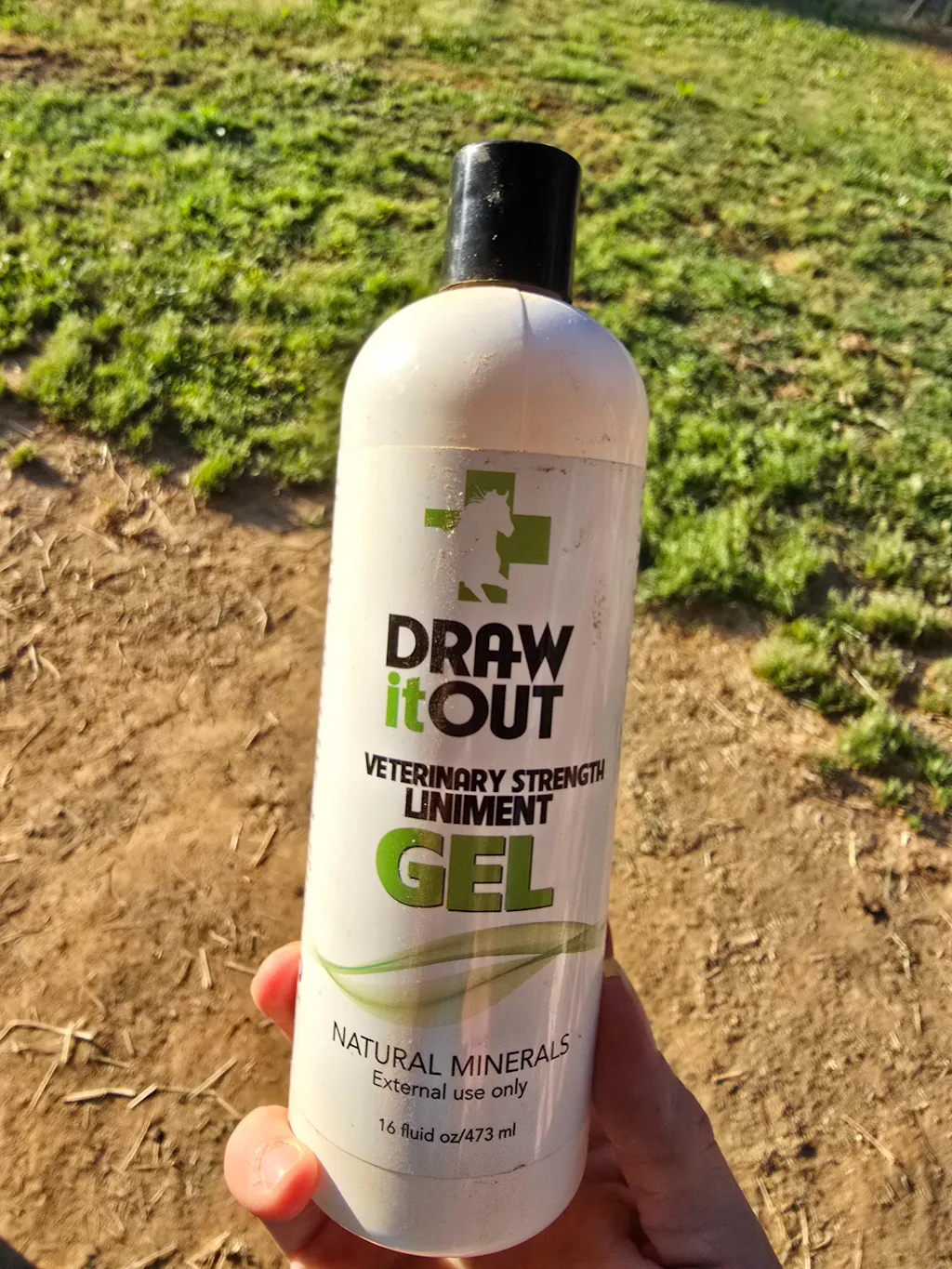
For product direction by situation, use the What Does My Horse Need? page. For everyday conditioning logic, the Horse Prehabilitation Routine page is the better next step. For topical format comparison, start with the Draw It Out® Liniment Formats collection.
Modern Performance, Proven Calm
The smartest riders do not wait for a wreck to build a routine. They learn the horse’s normal, catch small changes early, and keep cooling, hydration, and recovery simple enough to repeat.
Helpful Draw It Out® products for the broader routine
When this becomes a vet conversation
Call your veterinarian if low sweat output is new, repeated, paired with poor recovery, or paired with signs of heat stress. Also call if the horse seems weak, dull, disoriented, colicky, overheated, unwilling to move, or unusually slow to recover after cooling.
There are cases where poor sweating can point to a larger thermoregulation issue. That is not something to diagnose from the rail, a social media thread, or a product label. It needs a real medical opinion.
FAQ: Horse not sweating in warm weather
Is a horse not sweating an emergency?
It can be. If the horse is hot, dull, breathing hard, weak, uncoordinated, or not recovering normally, stop work, cool the horse safely, and contact your veterinarian.
Can electrolytes make a horse sweat?
Electrolytes support normal hydration and electrolyte balance, but they are not a cure for a horse that cannot sweat properly. If the issue is repeated or serious, involve your veterinarian.
Should I keep riding if my horse is dry but feels okay?
Use caution. A dry coat in warm conditions does not prove the horse is comfortable. Check breathing, heat, attitude, workload, and recovery before deciding what comes next.
Where should I start if I am unsure which Draw It Out® product fits?
Start with the What Does My Horse Need? page. It is built to help riders choose a practical next step based on the horse’s situation.