Summer Recovery Hub
Summer Horse Performance & Recovery
Hot weather changes the recovery conversation. It is no longer just about soreness. It is cooling, sweat, legs, skin, hauling, insects, and how fast your horse returns to normal after work.
This guide gives riders a simple way to decide when to cool, when warmth may help, how to handle post-ride soreness, and where gentle fly care fits into the routine.
Speakable Summary
In summer, recovery starts with cooling the horse gradually, checking legs for heat or fill, supporting sore muscle areas with a calm routine, and protecting sensitive skin from flies without overloading the horse. Use cold care when heat, puffiness, or hard work are involved. Use warmth only when stiffness is the main issue and there is no swelling or active heat.
Cool the body first
Heat management comes before product choice. Walk, rinse, scrape, repeat if needed, and watch breathing.
Check legs and large muscles
Hands tell the truth. Feel for heat, puffiness, tightness, reaction, and unevenness after work.
Protect skin calmly
Sweat, flies, friction, and over-application can make sensitive horses harder to manage in summer.
When to Ice vs When to Use Heat
The easiest rule: cold is for heat, swelling, puffiness, and hard work. Warmth is for stiffness when there is no active heat or filling. If you are unsure, start with cooling and observation, not aggressive treatment.
| What you see or feel | Best first move | Why it matters | Draw It Out® routine fit |
|---|---|---|---|
| Hot legs after hard work | Cold hose, cool rinse, or controlled cold care | Heat needs to come down before you add more stimulation. | IceBath™ Cooling Body Wash |
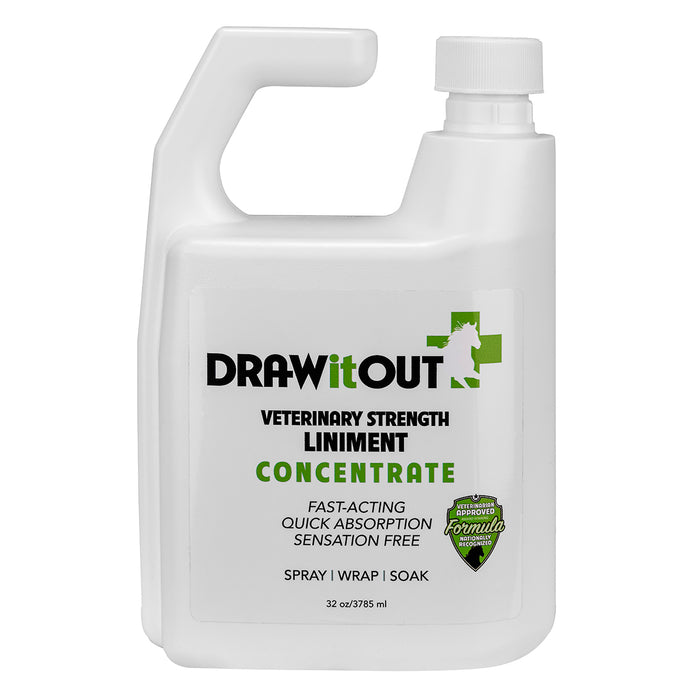
| Puffy lower legs or stocking up | Movement, cold care, leg check, and observation | Filling needs monitoring, especially if it is uneven or painful. | 32oz Liniment Concentrate for wrap or rinse routines |
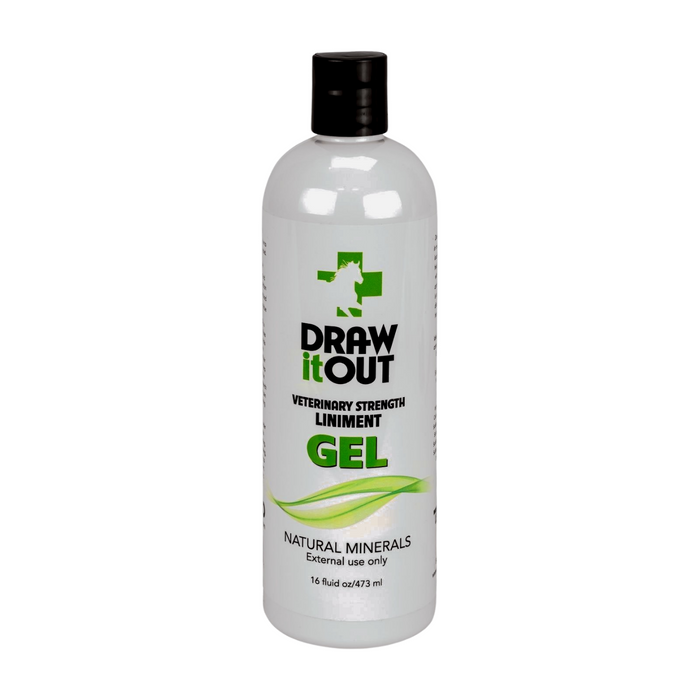
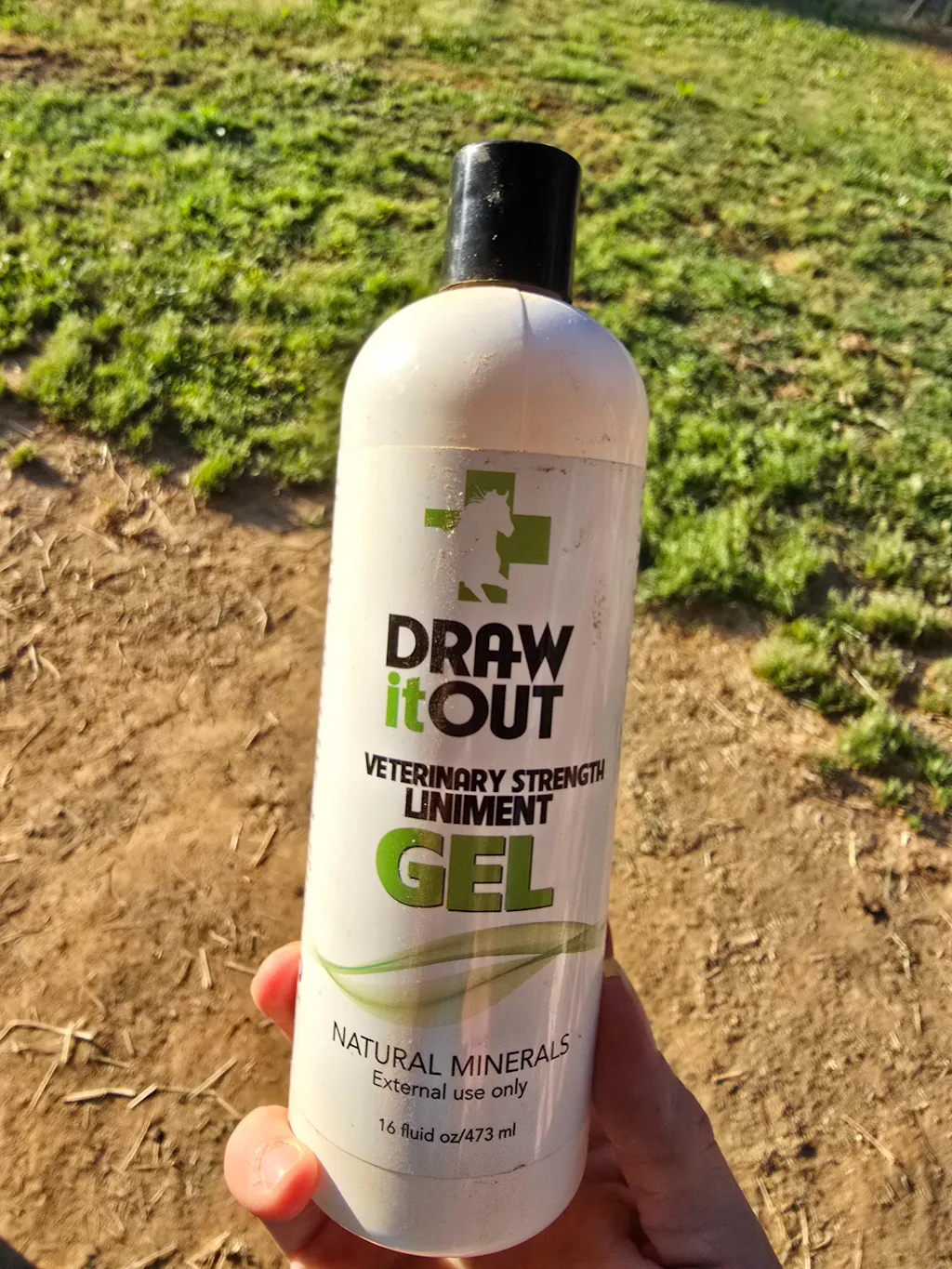
| Large muscles feel tight after work | Cool down first, then targeted liniment gel application | Muscle recovery works best when the horse is no longer overheated. | 16oz High Potency Liniment Gel |
| Morning stiffness with no swelling | Slow walking, gradual warm-up, and conservative support | Stiffness often improves with motion and time. | Liniment timing and technique |
| Localized rub zone or hard-working skin | Clean, dry, then use a targeted cream | Skin areas need a different tool than large muscle groups. | Rapid Relief Restorative Cream |
The 10-Minute Summer Post-Ride Routine
Summer recovery should feel boring in the best way. Same steps. Same order. Same calm check every ride.
- Walk until breathing begins to normalize. Do not stop the horse cold after hard work.
- Untack and check sweat patterns. Look for heavy sweat, dry patches, tack rubs, and skin sensitivity.
- Hose or rinse. Cool large muscle areas and scrape water away so heat does not sit under the coat.
- Use IceBath™ when the day is hot or the horse worked hard. Keep it practical, not dramatic.
- Run your hands down each leg. Feel for heat, fill, reaction, and symmetry.
- Apply liniment gel only after the horse is no longer overheated. Use a thin layer on major muscle groups that need support.
- Use Rapid Relief Restorative Cream for targeted zones. This is for smaller areas where a cream makes more sense than liniment gel.
- Offer water and manage airflow. Recovery is not finished until the horse is comfortable, breathing well, and settled.
Shop liniment gel
Shop IceBath™
Post-Ride Soreness in Summer
Heat can make soreness harder to read. A horse may feel dull because it is tired, overheated, dehydrated, tight, or genuinely uncomfortable. The job is not to guess harder. The job is to slow the routine down and check the basics.
Common signs worth noting
- Shorter stride than normal
- Reluctance to bend or step under
- Back, shoulder, hip, or SI-area tightness
- Heat or fill in one leg compared to the other
- Change in attitude, appetite, or recovery time
For general muscle fatigue, liniment gel belongs after the cool-down, not before the horse is stable. For specific rub zones, sensitive spots, or small areas that need a stay-put texture, use a cream instead.
Fly Care for Sensitive Horses
Flies are not just annoying. They change movement, create stomping, irritate skin, and make horses tense. Sensitive horses need less drama, not more product.
Face application
- Do not spray directly into the face.
- Apply product to a cloth or mitt first.
- Wipe carefully around the cheeks, jaw, and forehead.
- Avoid eyes, nostrils, mouth, and broken skin.
- Patch test when trying anything new on a sensitive horse.
Rub zones and irritated spots
Clean and dry the area first. For targeted, hard-working skin where a cream makes more sense, reach for Rapid Relief Restorative Cream. For hoof and lower-leg skin support, route to SilverHoof EQ Therapy when appropriate.
Build the Summer Recovery Kit
Do not build a shelf full of maybes. Build a small kit that matches the routine.
View product
View product
View product
View product
Where to Go Next
This hub is the starting point. Use these next steps to avoid guessing.
Summer Horse Recovery FAQ
How do I decide between ice and heat after a ride?
Use cold care when there is heat, puffiness, swelling, hard work, or a hot-weather recovery need. Use warmth only when the horse is stiff without swelling, heat, or pain response.
Should I apply liniment gel before or after hosing?
In summer, cool the horse first. Hose, scrape, let the horse settle, then apply a thin layer of liniment gel where muscle support makes sense.
Can I use IceBath™ and liniment gel in the same routine?
Yes. IceBath™ fits the cooling rinse step. Liniment gel fits after the horse has cooled down and you are supporting specific muscle areas.
What should I do if my horse is sore the next day?
Light movement, careful observation, and a simple recovery routine may help normal post-work stiffness. Call your veterinarian if soreness is sharp, uneven, worsening, or paired with heat, swelling, lameness, fever, or behavior changes.
How do I apply fly spray to a sensitive horse’s face?
Never spray directly into the face. Spray onto a cloth or mitt, then wipe carefully around the cheeks, jaw, and forehead while avoiding eyes, nostrils, mouth, and broken skin.
Can I layer liniment gel and cream?
Use the right format for the area. Liniment gel is better for larger muscle groups. Cream is better for smaller targeted zones. Do not overload the area, and follow label directions.
Routine beats guessing.
When summer work gets harder, the answer is not a louder product. It is a calmer system. Cool first. Check honestly. Support what needs support. Keep the horse comfortable enough to come back ready.