

Daily recovery
Liniment Gels
Explore the Draw It Out® liniment gel lineup for everyday use, post-work routines, and targeted recovery support.
Shop liniment gels
The morning after fireworks is not the time to assume everything is fine just because the sun came up. It is the time to look closely, move slowly, and let the horse tell you what the night took out of him.
The short version: After fireworks night, check attitude, water intake, manure, fence lines, turnout behavior, sweat marks, legs, feet, back soreness, and movement at the walk before deciding whether to ride. A nervous night can show up as stiffness, dehydration risk, lost sleep, pacing, stocking up, hoof trouble, or a horse that is mentally not ready for work.
Fireworks do not end when the last boom fades. For horses, the stress can carry into the next morning. Some settle fast. Some stand guard all night. Some pace the fence, sweat, spin, call, paw, or refuse to rest. Others look quiet from the barn aisle but feel tight, distracted, dull, or reactive once you pull them out.
The horse does not care that the calendar says the holiday is over. His body only knows what happened overnight.
If your horse is on edge after fireworks night, do not punish him with assumptions. Do not make it a character issue first. Start with the basics: what changed, what he drank, how he moved, what the stall or pen looks like, and whether his body is ready for normal work.
Before riding after fireworks night, check the horse's attitude, breathing, appetite, water level, manure, urine, sweat marks, legs, feet, shoes, digital pulse, turnout area, fencing, and movement at the walk. If you see lameness, colic signs, abnormal breathing, wounds, significant swelling, heat, or behavior that is not normal for that horse, stop and call your veterinarian or farrier as appropriate.
The worst mistake the morning after a loud night is to walk into the barn with yesterday's plan still nailed to the wall. The better move is to let the horse earn the plan back.
Stand back for a minute before you halter him. Is he bright or dull? Is he eating normally? Does he turn toward you like himself? Is he jumpy, flat, angry, distracted, or tucked up? Does he look like he rested, or does he look like he spent the night waiting for the sky to attack him?
Horses are pattern animals. When their pattern gets shattered, the next morning is a report card. Read it before you ride.
A horse that paced, sweated, or refused to settle may not have eaten or drunk normally overnight. Start there before you worry about anything fancy.
Look at the water source. Is the level normal for that horse and that weather? Is the bucket tipped, dirty, empty, or barely touched? Then check manure. Is there a normal amount? Is it unusually dry, loose, scant, or missing? Has the horse urinated normally?
One odd sign may not mean disaster. A pattern of odd signs deserves respect. If the horse is off feed, not passing manure, repeatedly looking at the belly, pawing, sweating without heat or work, rolling, or acting painful, involve your veterinarian.
Watch expression, reaction to handling, willingness to be caught, and whether the horse seems mentally present.
Check water level, manure quality, gum feel and color, and whether the horse is drinking like normal.
Lead at the walk first. Look for short steps, hesitation, stiffness, unevenness, or a horse that does not want to turn.
Walk fence lines, gates, stall walls, buckets, feeders, and turnout areas for evidence of pacing, rubbing, kicking, or impact.
A horse may look dry by morning but still show the evidence. Check the chest, flank, neck, girth area, between the hind legs, and under the mane. Dried sweat can tell you the horse worked harder overnight than you thought.
Then look at the ground. Are there tracks worn along the fence? Is bedding churned up? Are mats shifted? Is there manure spread in an unusual pattern? Are there hair marks on gates or panels?
That kind of detective work matters because stress is physical. A horse that paced for hours may be tight in the back, stocked up in the legs, foot sore, or simply not mentally settled enough to handle a normal ride.
Run your hands down every leg. Do not just look from ten feet away. Compare left to right. Feel for heat, filling, cuts, tenderness, and anything that was not there yesterday.
Pay special attention to horses that were turned out near fireworks, horses that usually spin or run when scared, and horses that live with herd mates who react hard. A horse can bang a leg, overreach, twist, stock up, or irritate old trouble during a night of commotion.
If the horse is lame, unwilling to bear weight, has serious swelling, an open wound, unusual heat, or pain near a joint or tendon, stop and call the veterinarian. A morning-after check is not a substitute for care. It is how you decide when care is needed.
Fireworks can turn a quiet horse into a fence-running horse. That means feet matter.
Pick every hoof. Check for sprung shoes, pulled shoes, loose clinches, bent nails, missing chunks, bruising, packed gravel, sole tenderness, and anything wedged in the frog. Feel the hoof wall and coronary band. Check digital pulses if that is part of your normal routine and you know what normal feels like for that horse.
For hoof-care support in the barn routine, Silver Hoof EQ Therapy® fits the shelf for label-directed hoof care. It does not replace a farrier or veterinarian when a horse is lame, missing a shoe, or showing pain, but it belongs in the kind of barn that checks feet before excuses.
The lead rope tells the truth before the saddle does. Walk the horse on a safe, flat surface. Watch from the front, side, and behind if you can. Turn both directions. Back a step or two if that is normal and safe for the horse.
You are looking for the horse that says, “I am not ready.” Short stride. Guarded turns. Reluctance to step under. Tight back. Tail clamping. Head tossing. Overreaction to normal handling. A horse that cannot walk honestly should not be asked to work harder.
If the walk looks good, you still do not have to go straight to a full ride. Some days the right answer is turnout, hand-walking, a light groom, a hose-down, or a shorter session.
Products should support a good decision, not cover up a bad one. If the horse has a real injury, severe swelling, lameness, colic signs, abnormal breathing, or anything that scares you, call the right professional.
For a horse that is sound but tight, tired, hot, sweaty, or mentally wrung out from the night, the routine matters. Slow grooming, a careful leg check, clean water, shade, and a smart cool-down can do more than rushing into work.
On hot mornings after a stressful night, IceBath™ 128oz Cooling Body Wash Refill fits the wash-rack routine for label-directed cooling body wash use after heat, sweat, and barn grime. It is not a medical fix. It is a practical tool for barns that still have to care for horses after the holiday noise is over.
If you missed the setup side, read the companion guide: Fourth of July Special Edition: Horse Health Checks Before Fireworks Night. That one is about preparation. This one is about the morning-after read.
If hydration looks off, pair this check with Horse Drinking More Than Normal in Summer? What Owners Should Notice. Summer heat and holiday stress can stack fast.
Ride only if the horse is eating, drinking, passing manure, moving normally, mentally settled, free of new wounds or swelling, and safe to handle.
Do light work or skip the ride if the horse is sound but tired, tense, distracted, or clearly short on rest.
Call your veterinarian or farrier when the signs move beyond normal stress and into pain, lameness, colic risk, hoof trouble, abnormal breathing, serious swelling, or anything outside that horse's normal pattern.
The morning after fireworks night is not about proving toughness. It is about stewardship.
A real horseman does not ride the schedule. He reads the horse. He checks the stall, the pen, the bucket, the manure, the legs, the feet, the back, and the mind. He knows the difference between a horse being difficult and a horse being used up from a hard night.
That is the work. Not glamorous. Not viral. Just the quiet discipline of caring for the animal after everybody else is done celebrating.
Keep the useful stuff close: water, a lead rope, hoof pick, thermometer, clean towels, a safe wash-rack setup, and label-directed care products that fit your horse's real routine.
Shop IceBath™ Cooling Body WashOnly ride if the horse is settled, eating, drinking, passing manure, moving normally, and free of new swelling, wounds, or soreness. If the horse is tense, tired, uneven, or not himself, skip or lighten the work.
Yes. A horse that paced, ran, sweated, or stood tense for hours can feel stiff or tired the next morning. Check movement carefully before tacking up.
Red flags include colic signs, not eating, not drinking, no manure, abnormal breathing, lameness, serious swelling, wounds, heat near a joint or tendon, a missing or loose shoe, or behavior that is far outside normal for that horse.
Check fences, gates, corners, water sources, feeders, ground tracks, loose boards, sharp edges, and any place the horse may have paced, kicked, rubbed, or collided with something overnight.
They fit only after the horse has been checked and no professional care is needed. Use label-directed care products as part of a practical routine for grooming, cooling, hoof care, and recovery support, not as a substitute for veterinary or farrier care.
Always follow product label directions. This article is practical barn guidance, not a diagnosis. For lameness, colic signs, abnormal breathing, serious wounds, severe swelling, hoof pain, or behavior that concerns you, contact your veterinarian or farrier.
This article gives you the background. If you are ready to put the idea into a real horse care routine, these are the next places most riders should go.
Explore the Draw It Out® liniment gel lineup for everyday use, post-work routines, and targeted recovery support.
Shop liniment gelsMatch your horse’s workload, age, routine, and care goals to the Draw It Out® products that make the most sense.
Use the finderLearn how riders support soundness, comfort, and consistency before little issues become bigger problems.
Read the guideReal Barn Proof
Real riders. Real horses. Real routines. These clips rotate automatically so the proof stays fresh without weighing the page down with a long feed.
Why this matters: good horse care should make sense outside the ad. These clips show the kind of everyday use that builds trust one barn at a time.
Further Reading
Horse care works better when the next step is clear. These related reads help connect today’s topic to better daily decisions in the barn.

Jul 01, 2026
Quick answer: If your horse was kicked by another horse, do not ride until you check attitude, weight-bearing, wounds, swelling, heat, joint l...
Read article
Jun 30, 2026
When a horse does not recover like normal, track breathing, sweat, attitude, movement, legs, appetite, workload, and what changed in the routine.
Read article
Jun 30, 2026
Quick answer: If your horse was stung by a bee or wasp, stop, move away from insects, check swelling, breathing, hives, movement, and tack con...
Read articleStart with the principle, then build the habit. The right article should make the next barn decision easier, not more complicated.
Next Step
Simple care guides, practical product paths, and rider-trusted tools built for real horses and real routines.
Good care gets easier when the next step is obvious. Read the guide, match the routine, then choose the format that fits how your barn actually works.
Recovery Routine
Want a smarter way to think through post-ride care, heat, swelling, leg support, and daily recovery decisions? Start with the Performance Recovery Hub.
Better recovery starts with a repeatable routine. The hub gives riders a clearer path from workload to product format to aftercare timing.
Rider Favorites
Four core Draw It Out® staples riders keep close for daily recovery routines, wash rack use, targeted support, and quick barn-side care.
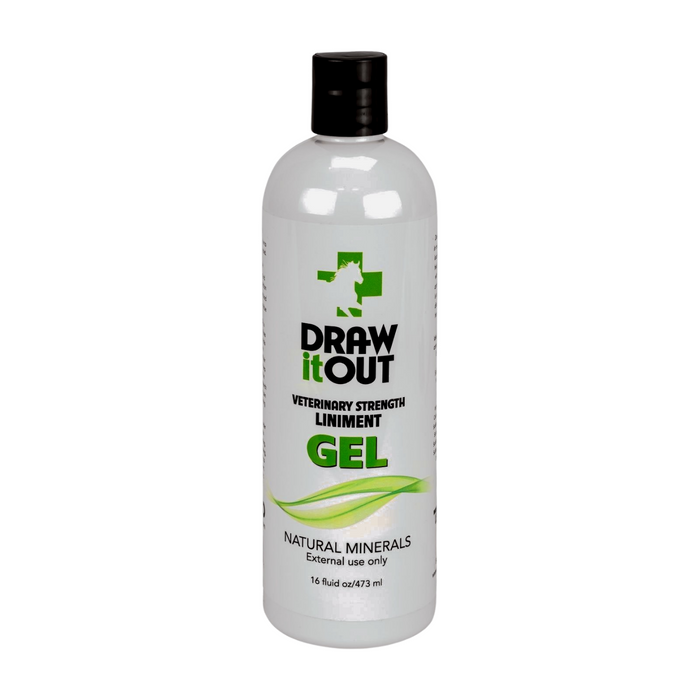
Stay-Put Gel
The everyday liniment gel format riders reach for when they want targeted, no-mess application.
View product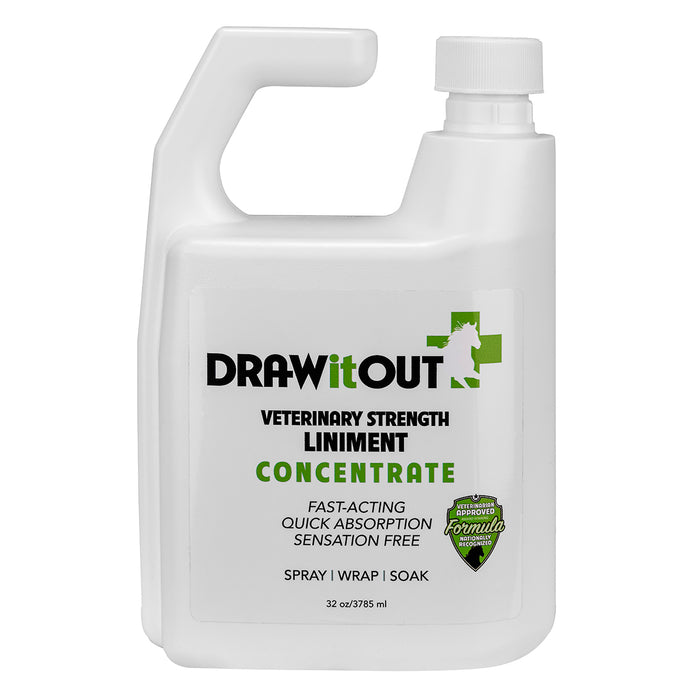
Mix Your Way
A flexible concentrate for riders who want to mix their own routine around workload and barn needs.
View product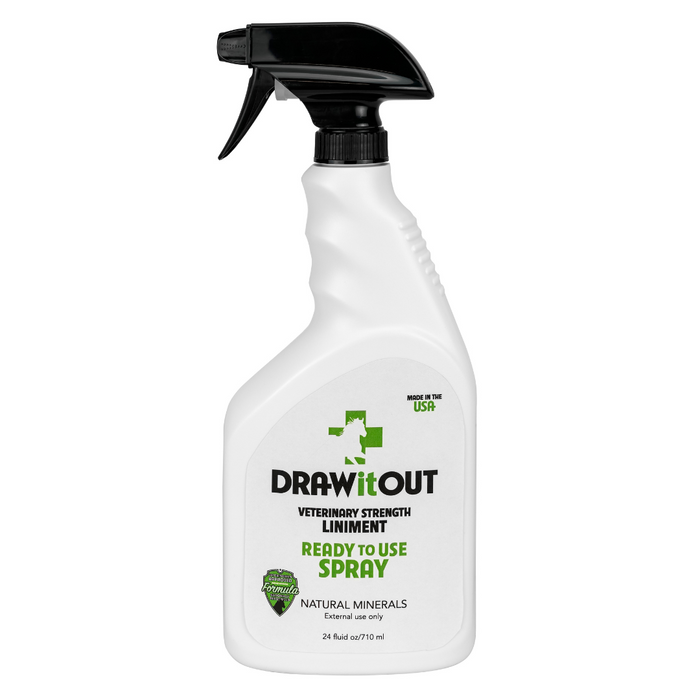
Ready To Use
A ready-to-use spray format for quick application after work, travel, turnout, or daily care.
View product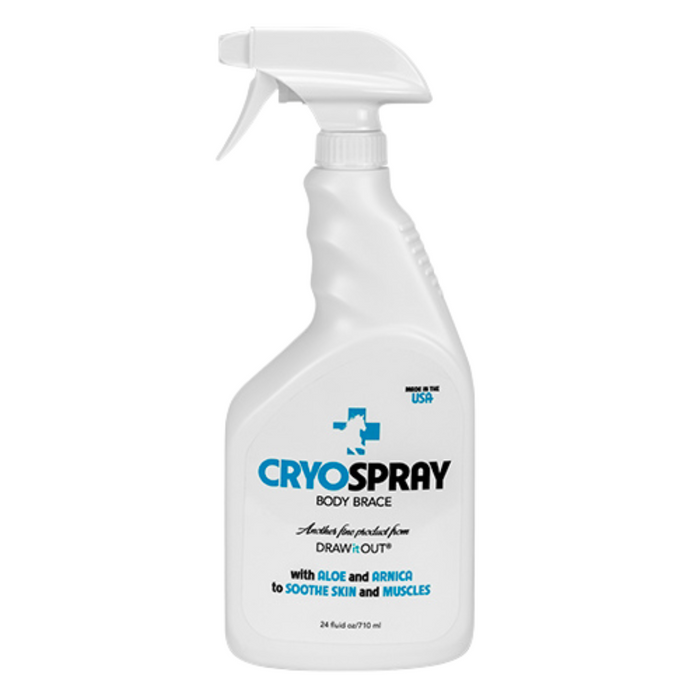
Cooling Brace
A cooling body brace spray for riders who want a fast, practical option after hard work or hot days.
View productFormat matters. Gel, concentrate, ready-to-use spray, and cooling spray each solve a different barn problem. Pick the one your routine will actually use.
!