Daily recovery
Liniment Gels
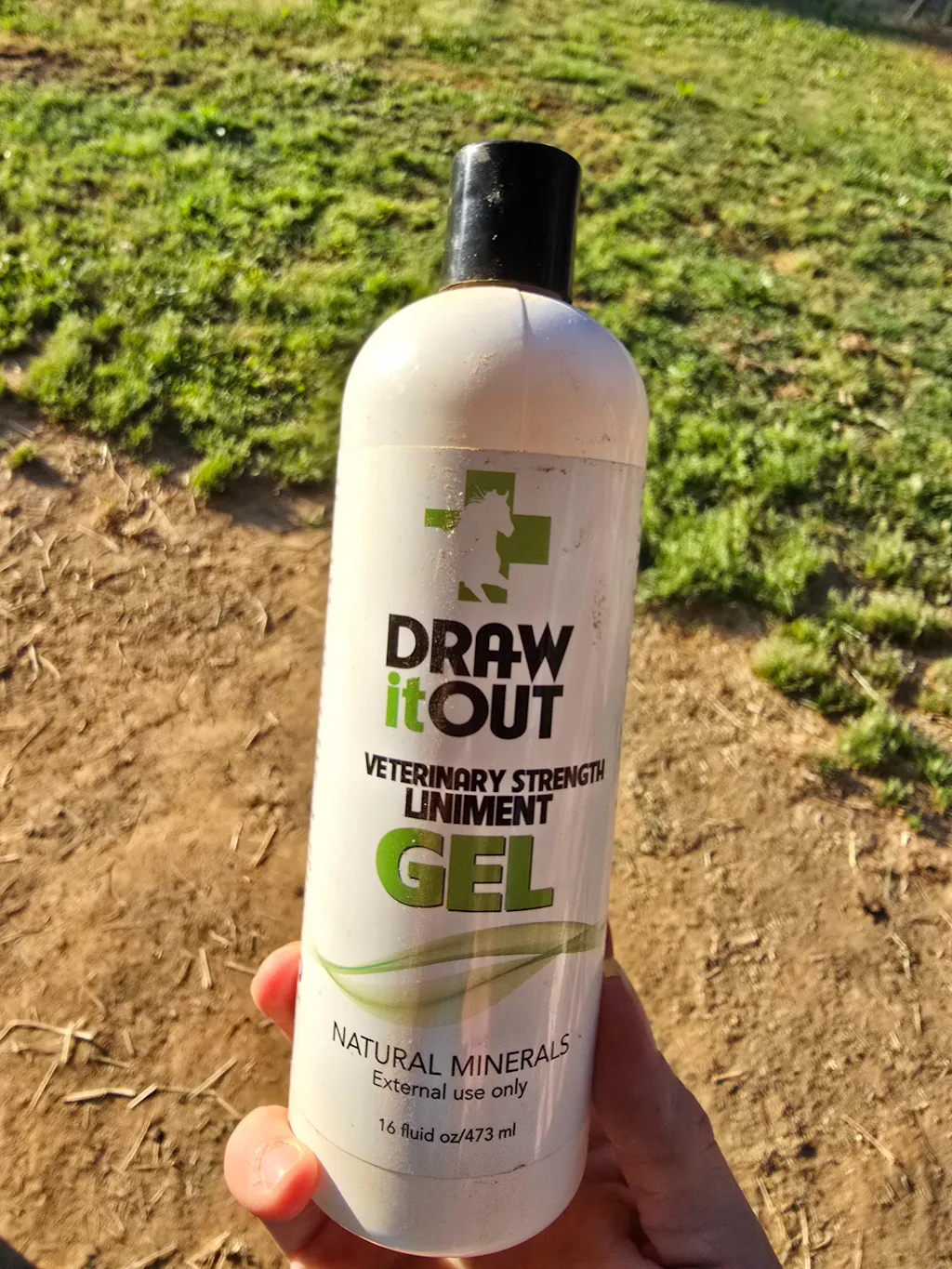
Explore the Draw It Out® liniment gel lineup for everyday use, post-work routines, and targeted recovery support.
Shop liniment gels
Barn tool education
Poultice and liniment are not rivals. They are different tools. Know the difference before the horse makes the decision for you.
Quick answer: Poultice is a longer-contact barn tool often used in leg-care routines where time, cleanup, and wrapping decisions matter. Liniment is a topical format used in controlled body-care routines on clean, dry, intact skin. Neither one should be the first move when there is lameness, heat, swelling, pain, fever, broken skin, or abnormal behavior.
The right choice starts with understanding the difference.
A poultice is usually a thicker paste or clay-style product that sits on the horse for longer contact. It often takes more setup and cleanup than liniment. Depending on the routine, some riders use it with paper, cotton, or wraps, while others use it without wrapping.
The important part is not calling poultice magic. It is a specific kind of barn tool with a specific kind of routine. The longer the product sits, the more the rider needs to think about skin condition, timing, cleanup, wrapping skill, and rechecking.
Wrap warning: Wrapping is a skill. Do not wrap over dirty skin, broken skin, heat, sharp pain, unexplained swelling, or anything you cannot recheck on schedule.
Liniment is usually a thinner topical format used in a more direct, hands-on routine. Depending on the product, it may come as a gel, spray, or concentrate. The job is usually cleaner placement and easier daily use than a poultice routine.
For Draw It Out®, the 16oz liniment gel is the controlled placement lane, RTU spray is the faster coverage lane, and concentrate is the mix-as-directed barn coverage lane.
They are often stored in the same tack room, used after work, and talked about in the same recovery conversations. That does not make them interchangeable.
Confusion usually happens because the rider starts with the product shelf instead of the horse. The better order is simple: check the horse, identify the routine lane, then choose the product if product belongs.
| Question | Poultice | Liniment |
|---|---|---|
| Application style | Thicker paste or clay-style layer | Gel, spray, or concentrate format |
| Routine speed | Slower, longer-contact routine | Faster, cleaner topical routine |
| Cleanup | More cleanup required | Usually less cleanup |
| Wrap factor | May involve wrap decisions | May be used as directed, but wraps still require caution |
| Best educational frame | Longer-contact leg-care tool | Controlled topical body-care tool |
Cleaner thinking: Poultice is not stronger liniment. Liniment is not easier poultice. They are different tools.
Poultice often brings riders into wrapping decisions. That raises the stakes. A wrap applied too tight, too loose, unevenly, over dirt, over irritated skin, or left too long can create a new problem.
Plain answer: If you are guessing, do not wrap. Ask someone qualified to show you.
Both poultice and liniment require judgment around skin. Dirt, sweat, mud, scratches, rubs, open areas, drainage, scabs, irritation, or wet skin can all change the routine.
This is where barn judgment matters. A product shelf is not a diagnosis. If the horse is showing real warning signs, neither poultice nor liniment should be the first answer.
Keep the product lanes clear. This page explains the difference. The decision guide helps you choose which routine fits what you are seeing.
| Product lane | Best educational role | Start here |
|---|---|---|
| MasterMudd™ EquiBrace™ | Poultice format for longer-contact, wrap-aware routines | View MasterMudd™ |
| Draw It Out® 16oz liniment gel | Controlled topical format for hands-on body-care routines | View 16oz Liniment Gel |
| 32oz concentrate | Mix-as-directed liniment format for broader barn routines | View 32oz Concentrate |
This page should stay educational. It explains the difference between poultice and liniment. The separate decision guide should handle the “which routine fits what I am seeing?” search intent.
If both pages start competing in Search Console, keep the decision guide and consider a 301 from this educational page into that stronger page. For now, the split is clean enough to test.
Poultice is usually a thicker, longer-contact paste or clay-style routine. Liniment is usually a faster topical format like gel, spray, or concentrate used on clean, dry, intact skin.
No. Poultice and liniment are different tools, not stronger or weaker versions of each other. They fit different routines.
Use poultice only when the routine makes sense, the skin is appropriate, and you understand the contact time, cleanup, and wrapping decision involved.
Use liniment when you want a controlled topical routine on clean, dry, intact skin and the horse has no red flags like lameness, heat, swelling, fever, or sharp pain.
Do not layer products randomly. Keep routines clean, follow label directions, and clean thoroughly between product types when needed.
Only wrap when product directions support it, the skin is clean and intact, you know how to apply wraps correctly, and you can remove and recheck on schedule.
Skip both and call for help when there is lameness, heat, swelling, sharp pain, fever, wounds, drainage, hoof pain, abnormal behavior, or a problem that keeps returning.
Read the Poultice or Liniment Decision Guide if you are trying to decide which routine fits what you are seeing today.
Poultice and liniment both have a place. The point is knowing what each tool is, when it fits, and when the horse needs something more serious than the product shelf.
This article gives you the background. If you are ready to put the idea into a real horse care routine, these are the next places most riders should go.
Explore the Draw It Out® liniment gel lineup for everyday use, post-work routines, and targeted recovery support.
Shop liniment gelsMatch your horse’s workload, age, routine, and care goals to the Draw It Out® products that make the most sense.
Use the finderLearn how riders support soundness, comfort, and consistency before little issues become bigger problems.
Read the guideReal Barn Proof
Real riders. Real horses. Real routines. These clips rotate automatically so the proof stays fresh without weighing the page down with a long feed.
Why this matters: good horse care should make sense outside the ad. These clips show the kind of everyday use that builds trust one barn at a time.
Further Reading
Horse care works better when the next step is clear. These related reads help connect today’s topic to better daily decisions in the barn.

May 15, 2026
A practical, claim-safe guide for riders who find a horse stocked up after stall time, hauling, or a quiet day. Learn what to check before rid...
Read article
May 14, 2026
Meet Payton Golding of Gold-N-Arrow Ranch, a barrel racer who uses Draw It Out® liniment gel as part of her after-run care routine for her hor...
Read article
May 14, 2026
When a horse does not sweat enough in warm weather, it can turn from a small clue into a serious risk fast. This guide explains what to check ...
Read articleStart with the principle, then build the habit. The right article should make the next barn decision easier, not more complicated.
Next Step
Simple care guides, practical product paths, and rider-trusted tools built for real horses and real routines.
Good care gets easier when the next step is obvious. Read the guide, match the routine, then choose the format that fits how your barn actually works.
Recovery Routine
Want a smarter way to think through post-ride care, heat, swelling, leg support, and daily recovery decisions? Start with the Performance Recovery Hub.
Better recovery starts with a repeatable routine. The hub gives riders a clearer path from workload to product format to aftercare timing.
Rider Favorites
Four core Draw It Out® staples riders keep close for daily recovery routines, wash rack use, targeted support, and quick barn-side care.
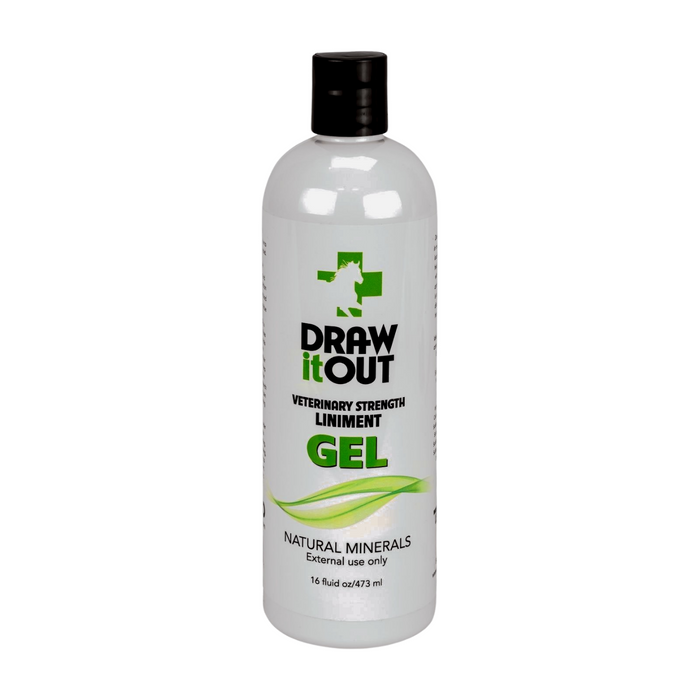
Stay-Put Gel
The everyday liniment gel format riders reach for when they want targeted, no-mess application.
View product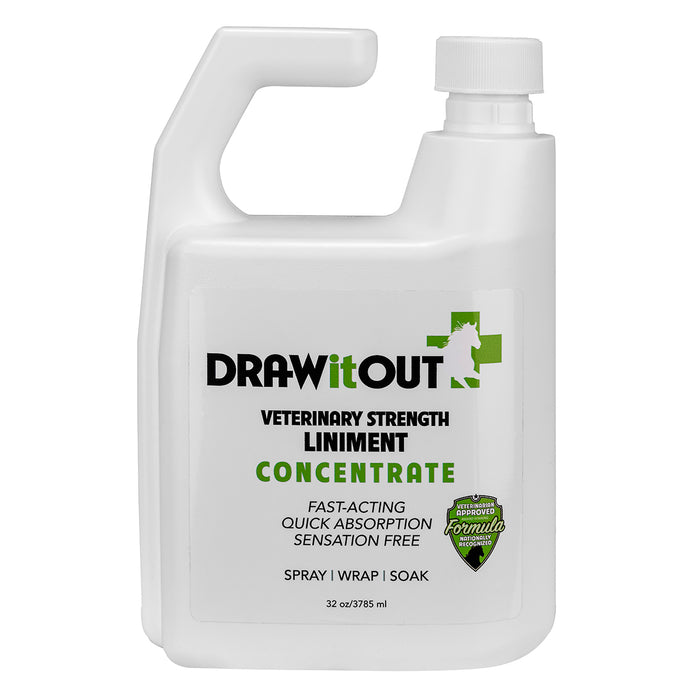
Mix Your Way
A flexible concentrate for riders who want to mix their own routine around workload and barn needs.
View product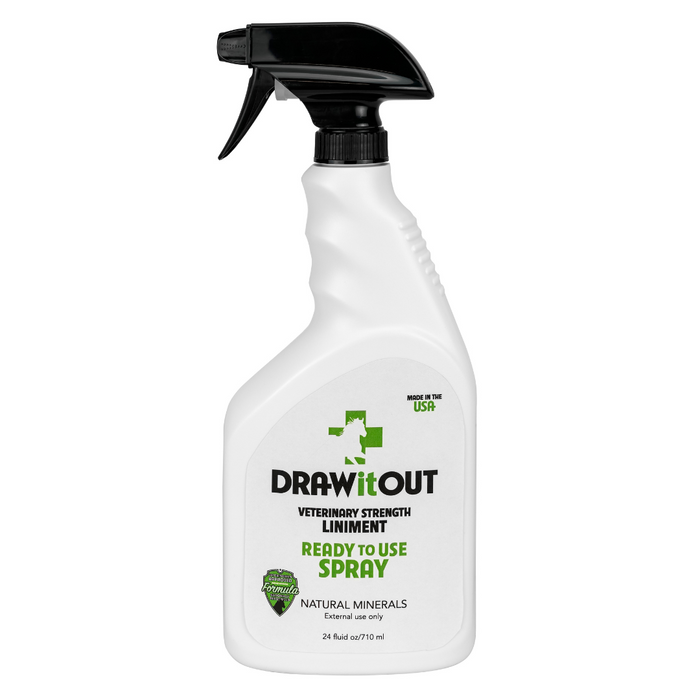
Ready To Use
A ready-to-use spray format for quick application after work, travel, turnout, or daily care.
View product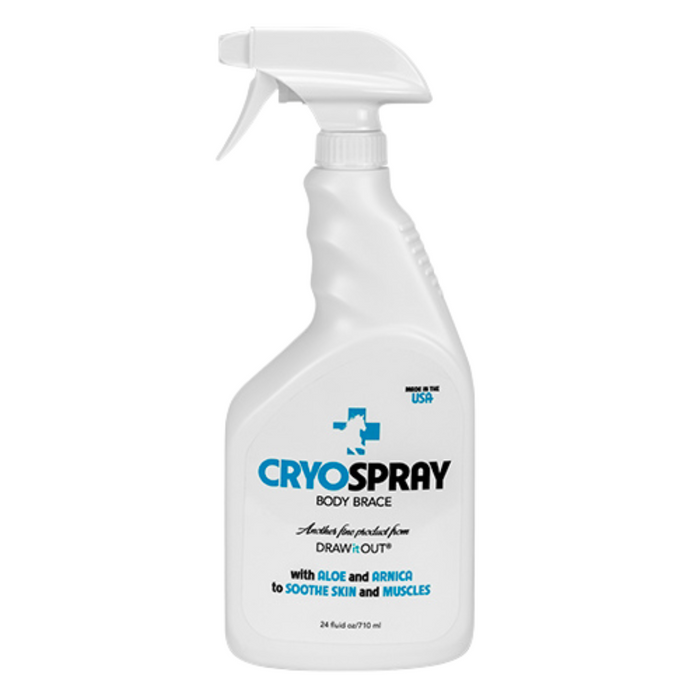
Cooling Brace
A cooling body brace spray for riders who want a fast, practical option after hard work or hot days.
View productFormat matters. Gel, concentrate, ready-to-use spray, and cooling spray each solve a different barn problem. Pick the one your routine will actually use.
!