

Daily recovery
Liniment Gels
Explore the Draw It Out® liniment gel lineup for everyday use, post-work routines, and targeted recovery support.
Shop liniment gels
Horse color guide
A sorrel horse is generally a copper-red or reddish chestnut horse. In many barns, sorrel and chestnut overlap, especially in Western disciplines.
Quick answer: Sorrel usually means a bright red or copper chestnut coat without true black points. The word is often regional, but the care question stays the same: keep the horse healthy beyond the color.
For the full-bath grooming lane
Sorrel coats show dust, dried sweat, and everyday dullness quickly. When the horse needs a real wash, the sulfate-free, salt-free 32oz Lavender Shampoo is the straightforward first product for routine bath and show-prep cleanup.
32oz — $19.99 • Two Pack — $32.99
See Lavender Shampoo 32ozNeed a waterless or mane-and-tail route? Use Coat & Grooming Help
Shop ShowBarn Secret® grooming
Color gets people curious. Good horsemanship asks what the horse needs day after day: grooming, hoof checks, turnout awareness, hydration, and recovery after work.
Sometimes. Many riders use sorrel for a bright copper-red chestnut, but the terms often overlap.
This article gives you the background. If you are ready to put the idea into a real horse care routine, these are the next places most riders should go.
Explore the Draw It Out® liniment gel lineup for everyday use, post-work routines, and targeted recovery support.
Shop liniment gelsMatch your horse’s workload, age, routine, and care goals to the Draw It Out® products that make the most sense.
Use the finderLearn how riders support soundness, comfort, and consistency before little issues become bigger problems.
Read the guideReal Barn Proof
Real riders. Real horses. Real routines. These clips rotate automatically so the proof stays fresh without weighing the page down with a long feed.
Why this matters: good horse care should make sense outside the ad. These clips show the kind of everyday use that builds trust one barn at a time.
Further Reading
Horse care works better when the next step is clear. These related reads help connect today’s topic to better daily decisions in the barn.
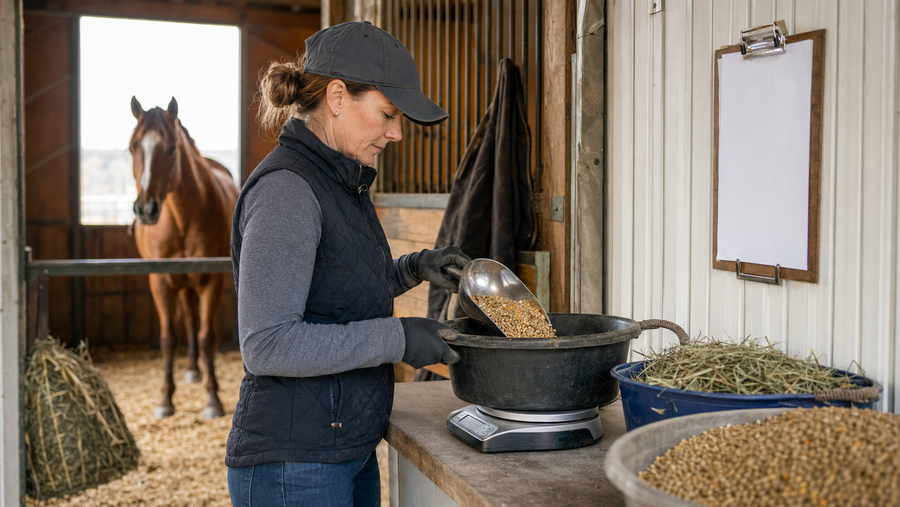
Jul 09, 2026
A claim-safe process for building a simple horse supplement routine around one defined need, the complete diet, measurable baselines, and prof...
Read article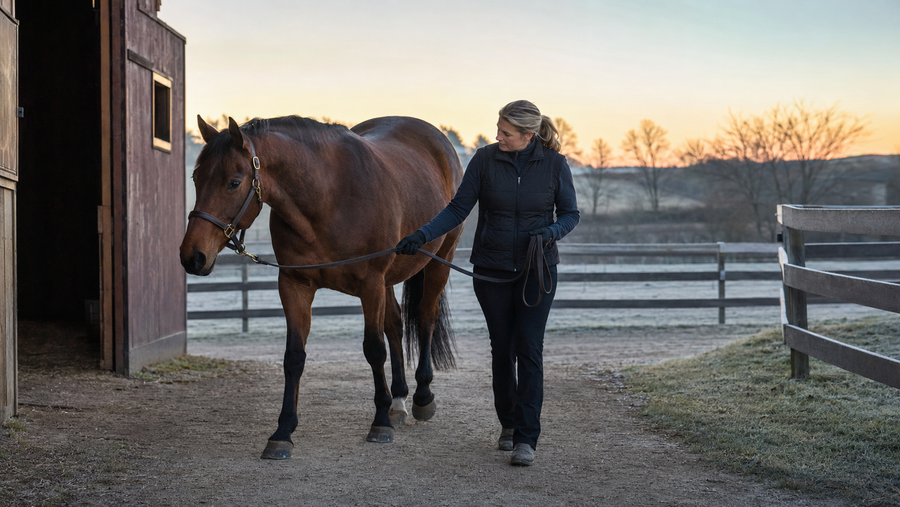
Jul 09, 2026
A next-morning horse check for movement, feet, limbs, hydration, appetite, recovery, professional-care red flags, and ordinary topical care.
Read article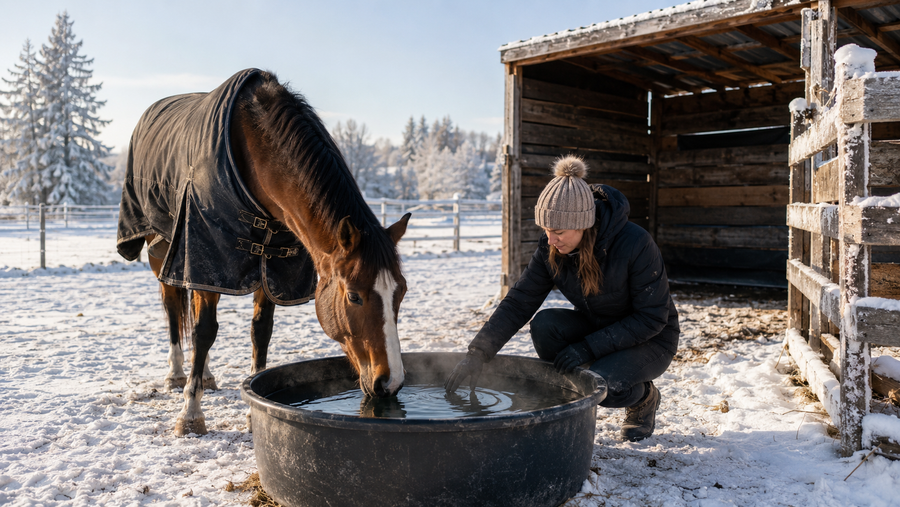
Jul 09, 2026
A practical winter horse hydration guide covering water access, measured intake, salt, manure, electrolyte decisions, and veterinary red flags.
Read articleStart with the principle, then build the habit. The right article should make the next barn decision easier, not more complicated.
Next Step
Simple care guides, practical product paths, and rider-trusted tools built for real horses and real routines.
Good care gets easier when the next step is obvious. Read the guide, match the routine, then choose the format that fits how your barn actually works.
Recovery Routine
Want a smarter way to think through post-ride care, heat, swelling, leg support, and daily recovery decisions? Start with the Performance Recovery Hub.
Better recovery starts with a repeatable routine. The hub gives riders a clearer path from workload to product format to aftercare timing.
Rider Favorites
Four core Draw It Out® staples riders keep close for daily recovery routines, wash rack use, targeted support, and quick barn-side care.
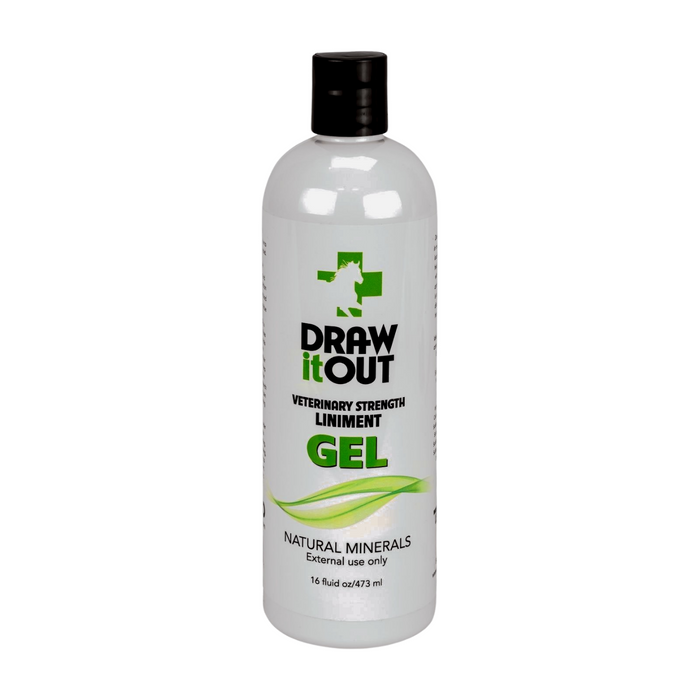
Stay-Put Gel
The everyday liniment gel format riders reach for when they want targeted, no-mess application.
View product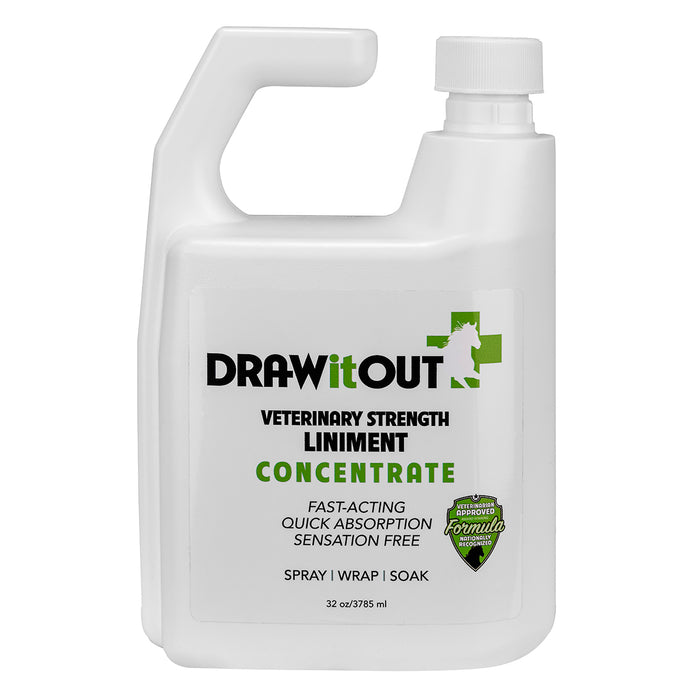
Mix Your Way
A flexible concentrate for riders who want to mix their own routine around workload and barn needs.
View product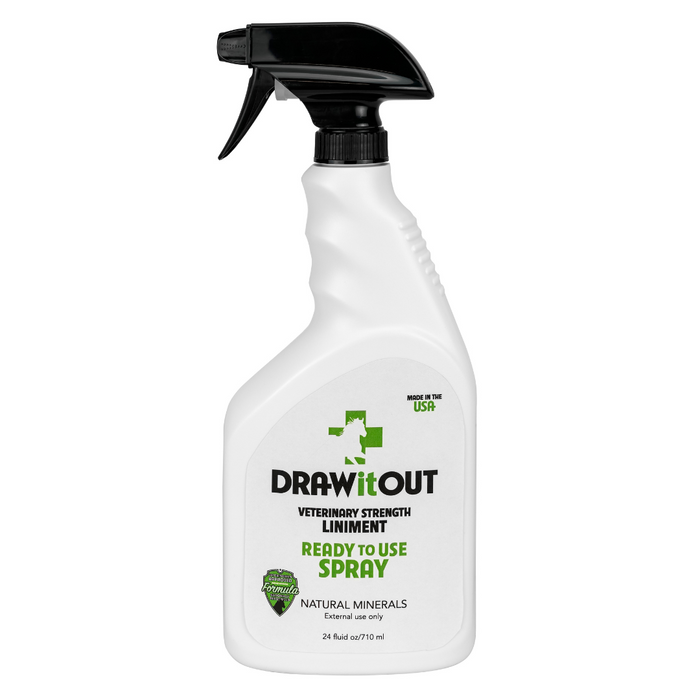
Ready To Use
A ready-to-use spray format for quick application after work, travel, turnout, or daily care.
View product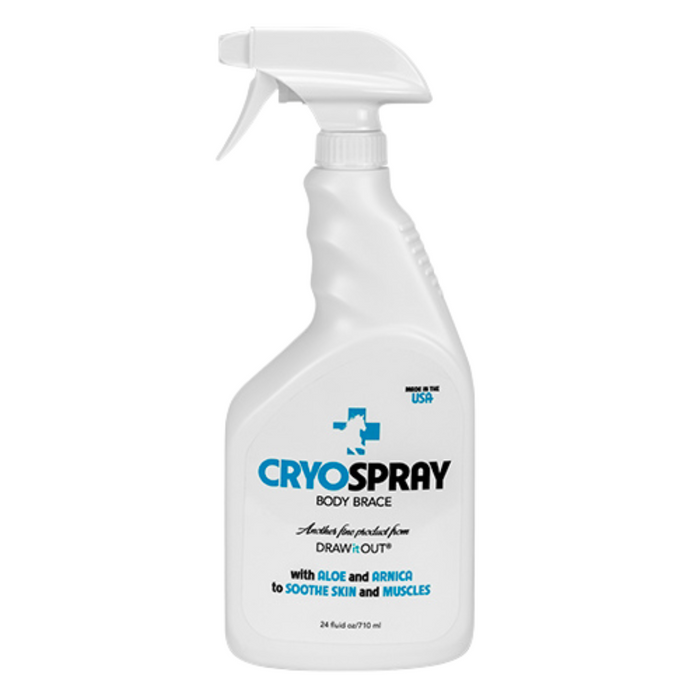
Cooling Brace
A cooling body brace spray for riders who want a fast, practical option after hard work or hot days.
View productFormat matters. Gel, concentrate, ready-to-use spray, and cooling spray each solve a different barn problem. Pick the one your routine will actually use.
!