Late-Winter Hydration Gaps
Cold weather can hide a small drop in water intake that quietly shows up in joints, muscles, and recovery right when spring work starts climbing.
In late winter, horses often drink less even when water is offered. That quiet hydration gap can make warm ups feel stiffer and recovery feel less consistent. Track intake, keep water temperature steady, support thirst drive with sensible salt, and give tissues time to warm before asking for harder work.
Why this matters before spring conditioning
Spring adds workload fast. If hydration has lagged all winter, you can end up asking for more while the body is still operating on a thinner margin.
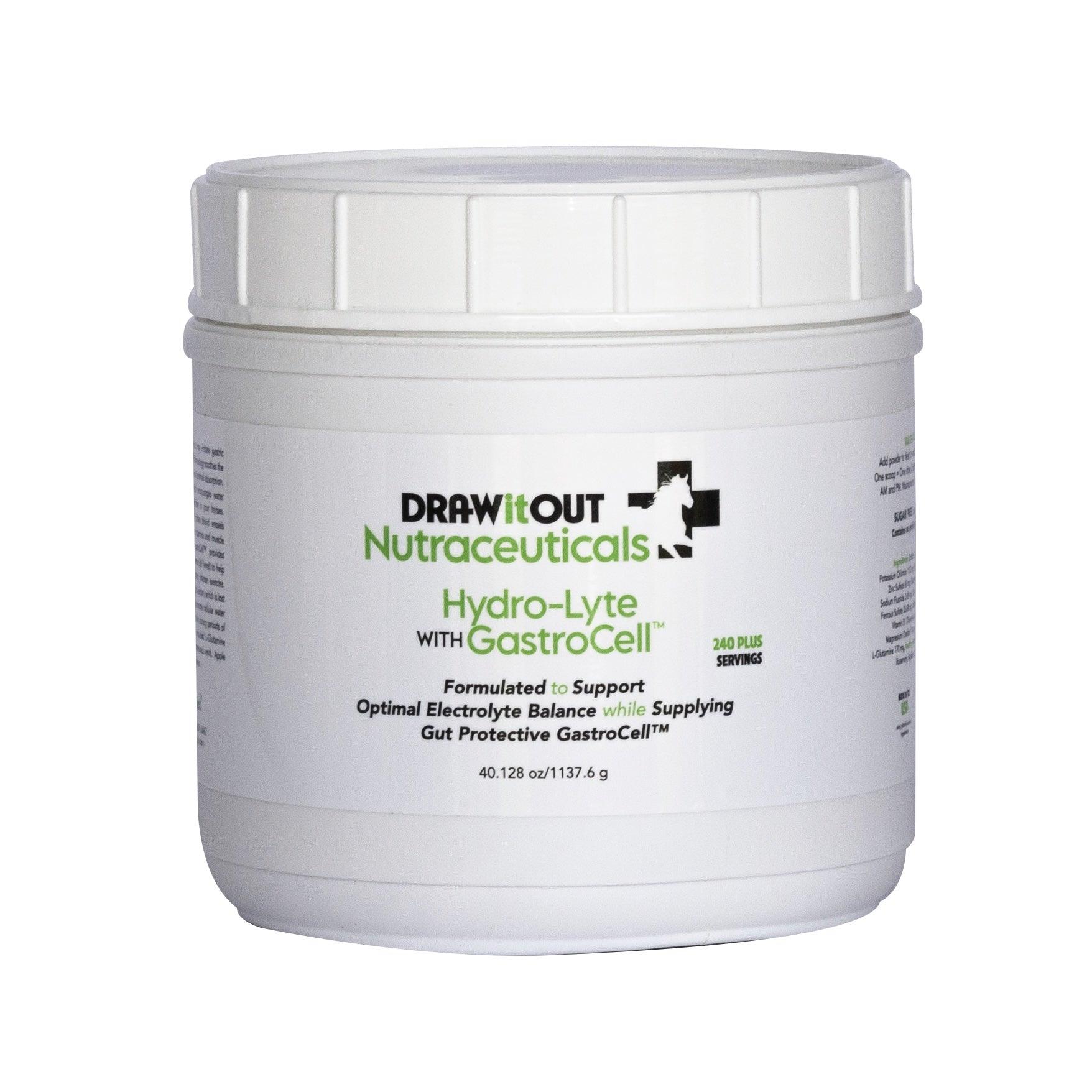
In summer, dehydration is loud. Sweat and heat make it obvious.
In winter, it gets quiet. Buckets freeze, water stays cold, horses drink less, and because they are not sweating heavily it does not feel urgent.
Late winter is when small hydration gaps start showing up as friction instead of emergencies. More stiffness. Longer warm up. Slower recovery. Less elasticity.
Why horses drink less in cold weather
Even with good management, winter intake often dips because of:
- Reduced thirst drive when temperatures stay low
- Cold water that is less appealing than lukewarm water
- More dry forage and less moisture from grass
- More stall time and fewer natural drinking cues
A small, consistent shortfall over weeks can matter more than a single bad day. It is cumulative.
Hydration supports joint and soft tissue function
Hydration supports normal fluid movement and tissue comfort. When intake narrows, the body often feels tighter at the start of work.
Joints
Joint comfort depends on normal fluid balance. A mild winter shortfall can look like a longer warm up, less swing early, and a smaller margin when workload climbs.
Muscles and fascia
Cold weather already challenges pliability. Stack a hydration gap on top and you may notice a shorter stride early in the ride and more next day tightness.
What riders notice first
- More time needed to feel loose through the back
- A slightly shorter step early in the ride
- Less consistent recovery after two or three work days in a row
- A duller look through topline and coat despite normal feeding
Four late winter hydration moves that actually help
1) Track intake, do not guess
Know how many gallons your horse drinks per day. Trends matter more than one day. A quiet drop is still a drop.
2) Make water temperature consistent
Many horses drink more when water is lukewarm instead of near freezing. If you can control one variable, control this one.
3) Support thirst drive with sensible salt
Salt access helps encourage normal drinking behavior. Keep it simple and consistent. If your horse is sensitive or you are unsure, ask your vet what fits your program.
4) Give tissues time before you add intensity
If hydration has lagged, build in a longer warm up and a cleaner cool down. Do not rush the first ten minutes just because the calendar says spring.
Keep your support routine aligned
If you want a rider first way to match support to how your horse works and recovers, start here:
Educational use only. This is not veterinary advice. If your horse shows signs of illness or sudden changes in drinking, contact your veterinarian promptly.
FAQ
How much should my horse drink in winter
Needs vary by size, diet, and environment. The key is consistency. Track daily intake and watch for slow declines across weeks.
Is cold water the main reason horses drink less
It is a common driver. Many horses drink better when water is not near freezing, especially during late winter cold snaps.
Can mild dehydration affect warm up and recovery
Yes. A small, sustained shortfall can reduce the feeling of elasticity early in work and make recovery feel less consistent when training days stack up.
Should I use electrolytes in winter
Some riders do, especially during hauling, conditioning blocks, or picky drinking stretches. Use a routine first approach and follow label directions for your horse.
What is the simplest late winter check
Track gallons consumed for a week and compare it to your horse’s normal. If it is down, warm the water slightly and stabilize the routine before you increase workload.