Stall time
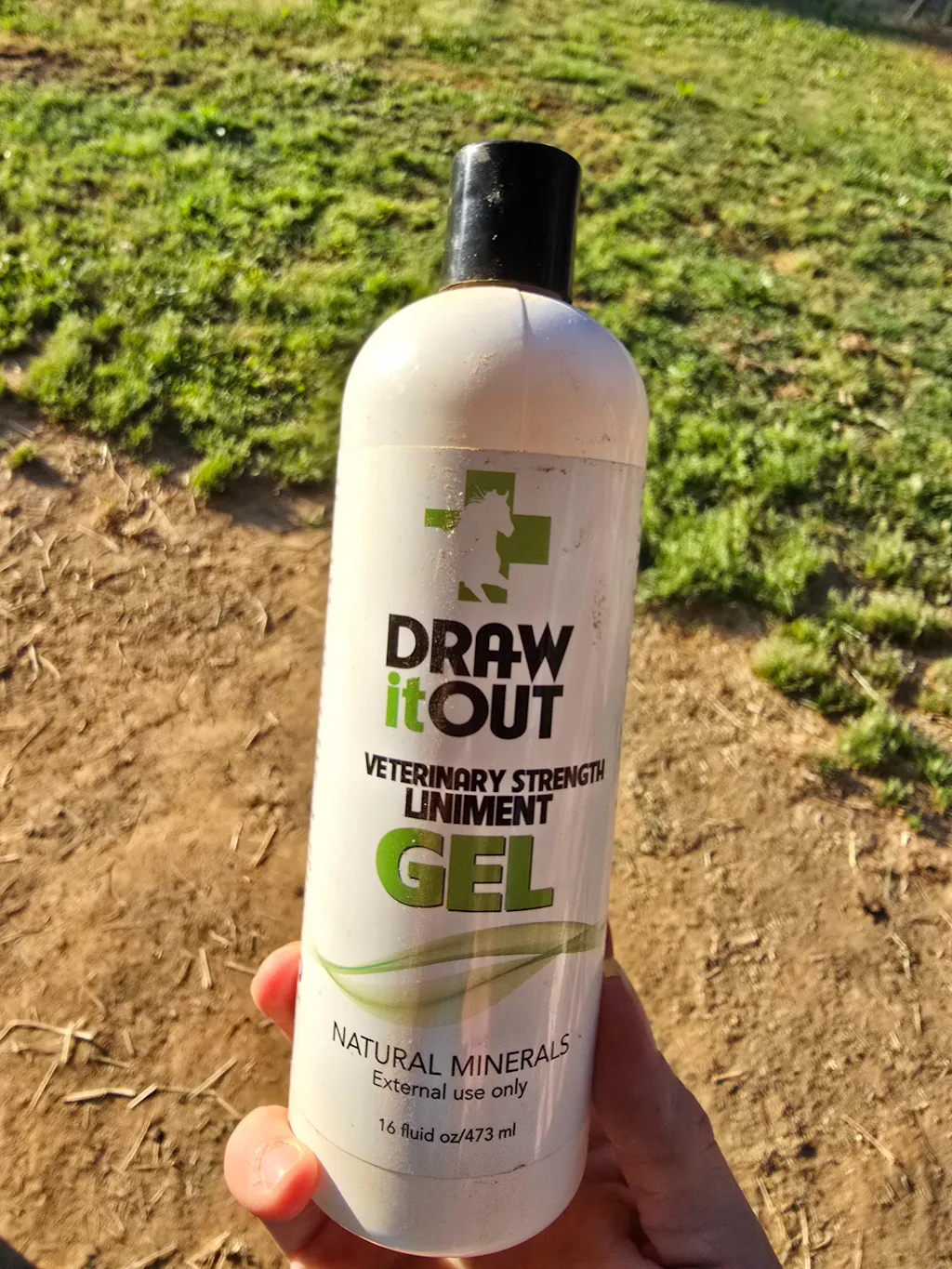
Some horses mildly stock up when they stand longer than usual, especially after weather, travel, or schedule changes.

Horse leg swelling checklist
Not every swollen leg is an emergency, but not every swelling should be brushed off either. The smart move is to prove it is truly minor before you decide on movement, rest, observation, support, or a vet call.
Quick answer: If the swelling is soft, familiar, even, cool, not painful, and the horse is sound and acting normal, it may fit a routine monitoring lane. If there is heat, pain, lameness, fever, sudden onset, one-sided change, open skin, or the horse is not acting normal, call your veterinarian.
Do not start with the bottle. Start with the horse.
The word “minor” gets riders in trouble. A little fill after standing may be familiar for one horse. The same amount of swelling in another horse may be new, one-sided, hot, painful, or tied to a wound you have not found yet.
Before you decide what to do, slow down and sort the details. Look. Touch. Compare. Watch movement. Check attitude. Then decide whether this belongs in the routine lane or the veterinarian lane.
Is the swelling even and familiar, or is one leg suddenly different?
Heat changes the conversation. Compare the swollen area to the opposite leg.
Watch for flinching, pulling away, pinning ears, guarding, or strong sensitivity.
If the horse is lame, unwilling, short-strided, or not moving normally, do not call it minor.
Plain rule: Swelling plus heat, pain, lameness, fever, open skin, or a horse that is not acting normal is not a “try product first” situation.
The same word, swelling, can mean very different things. This is where riders need better sorting, not more panic.
| Question | More routine | More concerning |
|---|---|---|
| Symmetry | Both hind legs fill mildly after stall time, familiar for that horse | One leg is suddenly larger, hotter, or different |
| Heat | No unusual heat compared to the other leg | Warm or hot swelling, especially one-sided |
| Pain | Horse is comfortable to touch | Horse reacts, guards, or resents normal handling |
| Movement | Horse is sound and acting normal | Lameness, unevenness, reluctance, or sudden movement change |
| Skin | No cuts, punctures, rubs, drainage, or raw areas | Broken skin, scratches, wounds, punctures, or drainage |
| Attitude | Eating, drinking, alert, normal temperature | Fever, dullness, distress, reduced appetite, not acting right |
Some swelling has a pattern. That does not make it meaningless, but it gives you context.
Some horses mildly stock up when they stand longer than usual, especially after weather, travel, or schedule changes.
Less movement can show up in lower-leg fill, especially in horses that rely on turnout to stay loose.
Standing in a trailer can create mild fill in some horses, but post-haul swelling with heat, pain, or lameness deserves caution.
A harder ride, deeper footing, or longer workday can change what the legs look and feel like afterward.
Cold, mud, frozen footing, and less turnout can all change how legs look during daily checks.
Poor fit, dirt, uneven pressure, or overuse can leave marks, rubs, or swelling that should not be ignored.
Light movement can be useful for familiar stocking up when the horse is sound, cool-legged, comfortable, and acting normal. But movement is not a magic fix, and it is not appropriate for every swollen leg.
Vet lane: If the horse is lame, hot, painful, feverish, or not acting normal, do not walk it out to see what happens. Call your veterinarian.
Standing wraps are useful in some barn routines, but they are not harmless. A poorly applied wrap can create pressure points, trap heat, irritate skin, hide changes, or make the problem harder to read.
Use wraps only when you know why you are using them, how to apply them correctly, and when to remove and check them. Do not wrap over dirty skin, wet product, open wounds, irritated skin, sharp pain, or swelling that needs veterinary evaluation.
Simple wrap rule: Clean leg, correct materials, even pressure, clear purpose, and regular checks. If you are guessing, do not wrap.
Draw It Out® liniment gel can fit routine body-care and leg-care habits when the horse has been checked and the situation is appropriate. It should not be positioned as a swelling treatment, a substitute for diagnosis, or a reason to delay a veterinary call.
The right order is check first, clean second, product third, and only if the horse is sound, comfortable, normal, and the skin is clean, dry, and intact.
If you are debating whether swelling is minor, use the red flags. They are there to keep you honest.
Good riders learn normal. They know which horse stocks up after a stall day, which horse fills after hauling, which horse changes with weather, and which horse never swells unless something is wrong.
That knowledge only comes from consistent checks. Run your hands down the legs. Compare left to right. Watch the walk. Note what changed. That is prehabilitation, not panic.
Compare left to right, feel for heat, check pain response, watch movement, inspect the skin, and note whether the horse is eating, drinking, and acting normal.
Not always. Stocking up is often soft filling related to standing, but swelling should not be assumed harmless if it is hot, painful, one-sided, sudden, paired with lameness, or unusual for the horse.
Only when the horse has been checked, is sound and acting normal, and the skin is clean, dry, and intact. Do not use liniment gel on hot, painful, broken, infected-looking, or unexplained swelling without veterinary guidance.
Only wrap if you know why you are wrapping and how to apply it correctly. Do not wrap over dirty skin, wet product, wounds, irritated skin, sharp pain, or swelling that may need veterinary evaluation.
Light movement may help familiar stocking up when the horse is sound, comfortable, and acting normal. Do not force movement through lameness, heat, pain, fever, or unusual swelling.
Call your veterinarian when swelling is hot, painful, sudden, one-sided, worsening, paired with lameness, connected to a wound or puncture, or accompanied by fever, dullness, or the horse not acting normal.
Some horses mildly stock up after standing in a trailer, but post-haul swelling with heat, pain, lameness, respiratory signs, fever, or abnormal behavior should be evaluated.
For routine body-care support on clean, dry, intact skin when the horse is sound and acting normal, Draw It Out® 16oz liniment gel is the practical starting point.
That is the line. Some swelling belongs in a calm routine. Some swelling belongs in a vet call. Do the check before you decide. Then use Draw It Out® only where it responsibly fits.
Start Here
This article gives you the background. If you are ready to put the idea into a real horse care routine, these are the next three places most riders should go.
Simple rule: read the article for context, use the Solution Finder for direction, then build the routine around the product format your horse will actually use consistently.
Real Barn Proof
Real riders. Real horses. Real routines. These clips rotate automatically so the proof stays fresh without weighing the page down with a long feed.
Why this matters: good horse care should make sense outside the ad. These clips show the kind of everyday use that builds trust one barn at a time.
Further Reading
Horse care works better when the next step is clear. These related reads help connect today’s topic to better daily decisions in the barn.

May 15, 2026
A practical, claim-safe guide for riders who find a horse stocked up after stall time, hauling, or a quiet day. Learn what to check before rid...
Read article
May 14, 2026
Meet Payton Golding of Gold-N-Arrow Ranch, a barrel racer who uses Draw It Out® liniment gel as part of her after-run care routine for her hor...
Read article
May 14, 2026
When a horse does not sweat enough in warm weather, it can turn from a small clue into a serious risk fast. This guide explains what to check ...
Read articleStart with the principle, then build the habit. The right article should make the next barn decision easier, not more complicated.
Next Step
Simple care guides, practical product paths, and rider-trusted tools built for real horses and real routines.
Good care gets easier when the next step is obvious. Read the guide, match the routine, then choose the format that fits how your barn actually works.
Recovery Routine
Want a smarter way to think through post-ride care, heat, swelling, leg support, and daily recovery decisions? Start with the Performance Recovery Hub.
Better recovery starts with a repeatable routine. The hub gives riders a clearer path from workload to product format to aftercare timing.
Rider Favorites
Four core Draw It Out® staples riders keep close for daily recovery routines, wash rack use, targeted support, and quick barn-side care.
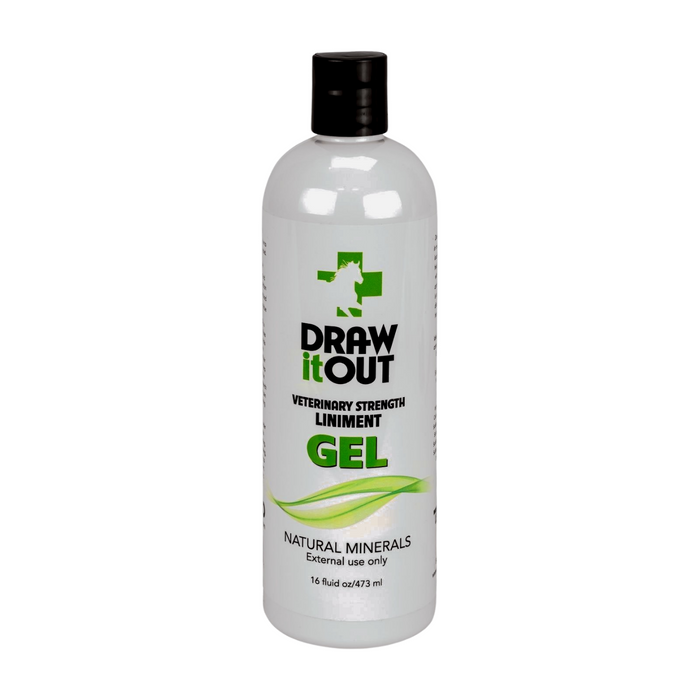
Stay-Put Gel
The everyday liniment gel format riders reach for when they want targeted, no-mess application.
View product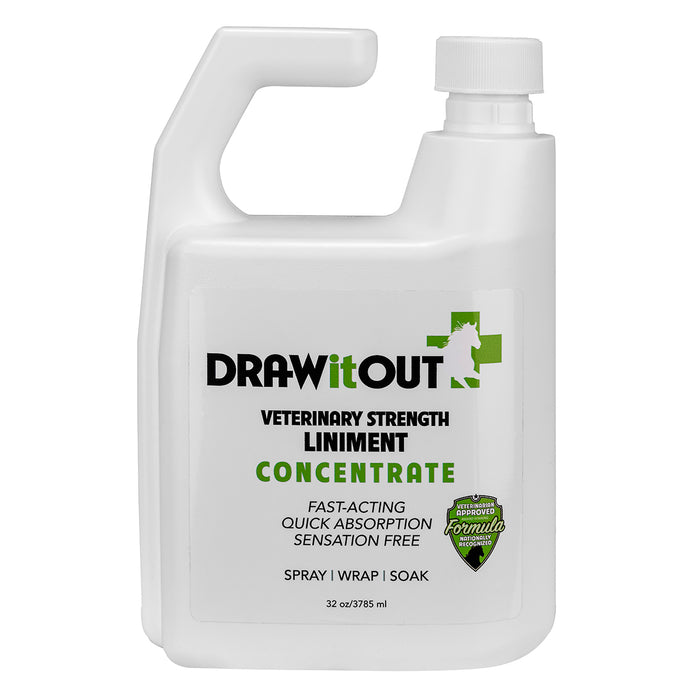
Mix Your Way
A flexible concentrate for riders who want to mix their own routine around workload and barn needs.
View product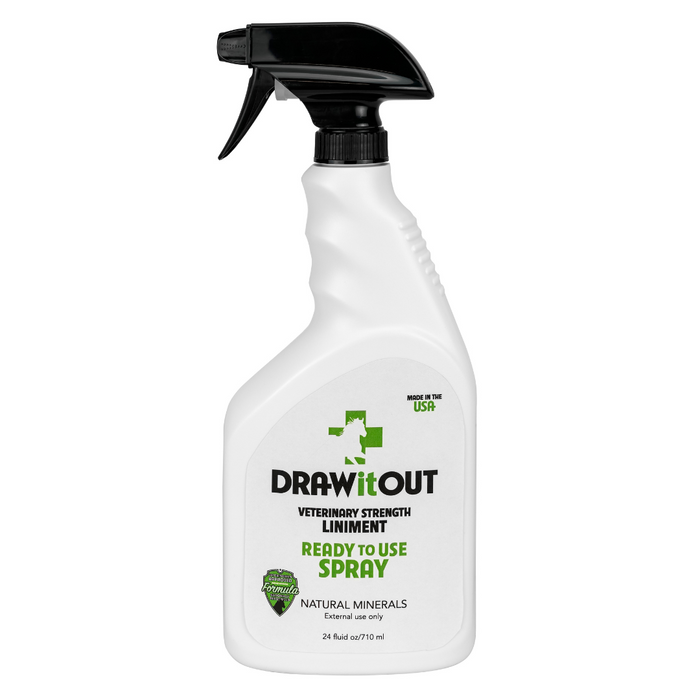
Ready To Use
A ready-to-use spray format for quick application after work, travel, turnout, or daily care.
View product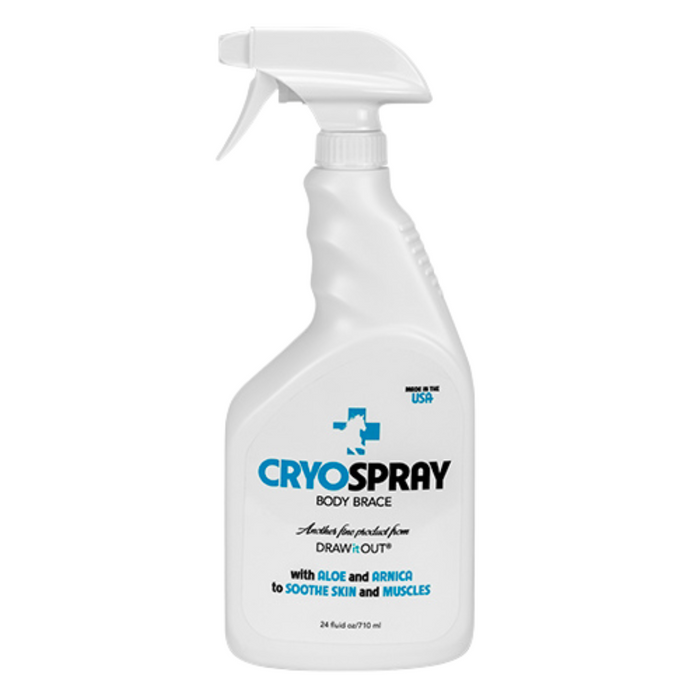
Cooling Brace
A cooling body brace spray for riders who want a fast, practical option after hard work or hot days.
View productFormat matters. Gel, concentrate, ready-to-use spray, and cooling spray each solve a different barn problem. Pick the one your routine will actually use.
!