Daily recovery
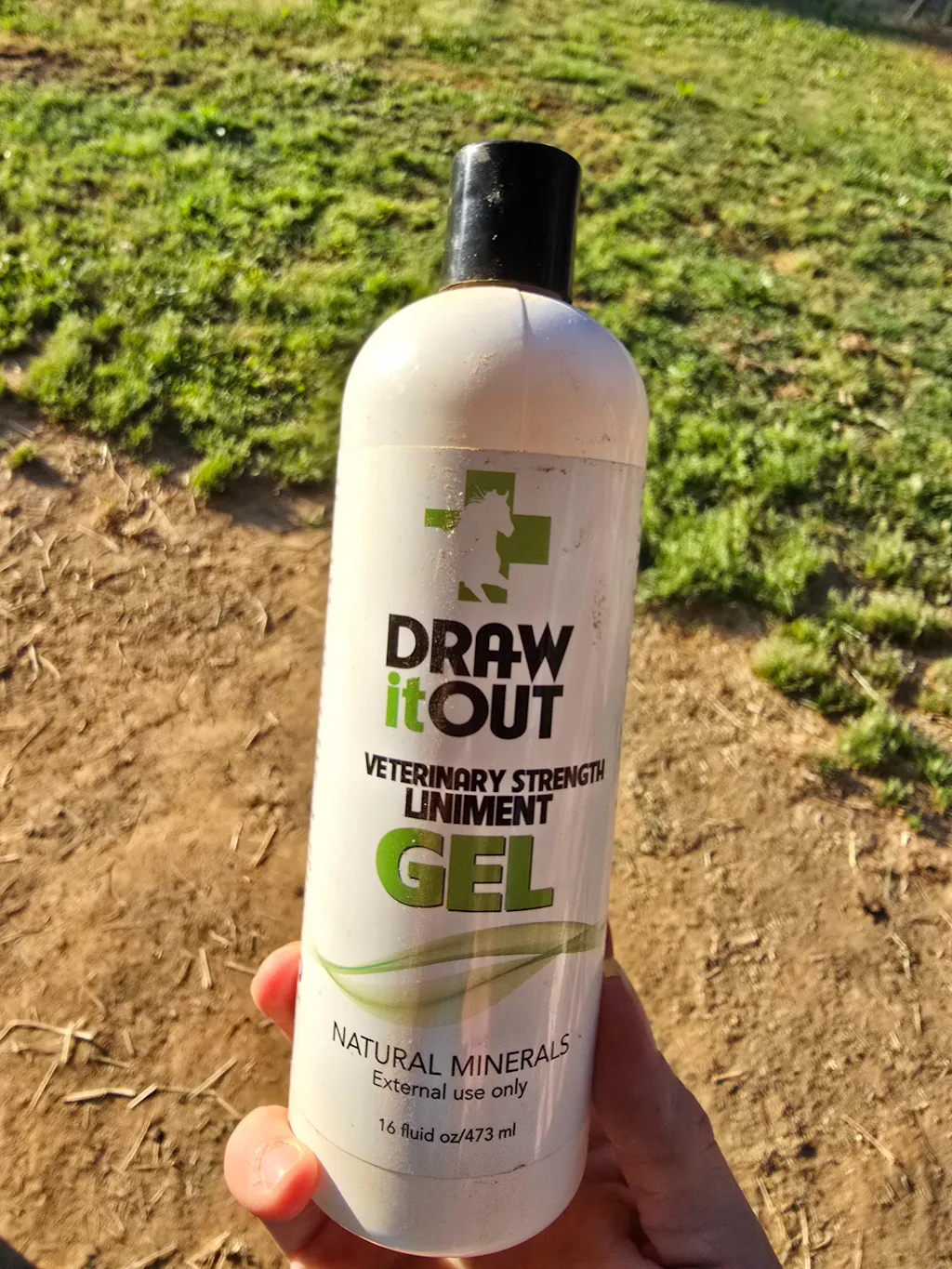
Liniment Gels
Explore the Draw It Out® liniment gel lineup for everyday use, post-work routines, and targeted recovery support.
Shop liniment gels
One week the footing feels firm and predictable. The next week it rides deeper, softer, and sticky in spots. Spring thaw changes more than the weather. It changes how force moves through your horse’s legs every stride.

When arena footing thaws, surface consistency changes fast. Soft pockets, sticky areas, and uneven depth increase stabilizing work through the tendons, ligaments, and joints, so spring riding plans should adjust before strain quietly builds.
Spring footing rarely announces itself as a problem with one obvious bad step. More often, it creates small, repeated changes in limb loading that add up across rides. The smart move is not pushing through it. The smart move is adapting faster than the footing changes.
As frost releases from the ground, moisture moves upward and footing composition shifts from the bottom up. From the saddle, the arena may still look normal. Under the hoof, it can behave completely differently from one end to the other.
That matters because your horse does not load each stride in isolation. The body is constantly predicting surface response. When the footing stops behaving predictably, stabilizing structures work harder to keep the limb organized.
Thaw cycles create mixed layers inside the arena. Some sections stay compacted. Others loosen. Some hold water and grab the hoof longer than expected. The result is not just soft footing. It is inconsistent footing.
Even a subtle change in resistance alters how the fetlock drops, how the limb recovers, and how hard the horse must stabilize through the hock and suspensory system.
When footing gets deeper or more variable, the limb sinks a little farther before the horse can push back out of it. That extra work often shows up first in soft tissue structures that manage support and recoil.
This does not require dramatic mud or obviously bad footing. Early spring strain often comes from modest changes repeated over many circles, transitions, and schooling sessions.
Your horse can still feel mostly fine while workload is quietly becoming more expensive. That is why thaw season catches riders off guard. It looks manageable until the horse starts feeling a little shorter, a little heavier in front, or a little less willing to step through.
The signals are often subtle before they become obvious. Watch for small shifts in the way your horse starts, carries, and finishes a ride.
Those signs do not always mean injury. They often mean the surface is adding work your plan did not account for.
Spring footing does not mean shutting everything down. It means managing the environment honestly.
When the arena deepens overnight, tissues need time to adapt. A shorter, progressive ride protects the system better than forcing a normal session onto abnormal footing.
Variable footing magnifies load during turns. Long lines, big shapes, and clean straight transitions are safer than drilling tight circles while the base is shifting underneath.
Spring thaw can change the same ring within 24 hours. Do not ride the memory of yesterday’s footing. Ride what is actually under you today.
When the limb is stabilizing harder during work, the recovery window becomes part of the training plan. Post ride evaluation, routine leg checks, and a calmer workload progression help keep one odd week of footing from becoming a bigger setback.
If you are trying to match products to workload and seasonal conditions, start with the Solution Finder. If you want to build a more proactive system before soreness starts showing up, use the Prehabilitation guide. For rider-trusted support options built around recovery, browse the liniment collection.
Most riders think in terms of sets, schedules, and competition goals. But the ground beneath the horse quietly decides how expensive each one of those choices becomes.
When spring thaw reshapes the arena, do not mistake effort for progress. Watch the footing. Listen to the horse. Adjust the plan before the body has to compensate for too long.
That is how you protect tendons and joints in early spring. Not with panic. Not with guesswork. With better timing, better observation, and fewer repeated surprises.
If footing is changing faster than your conditioning plan, simplify the next step. Match your horse’s workload to the right routine, then support recovery before small strain becomes a bigger interruption.
Because the limb must stabilize each inconsistent step. Soft pockets, sticky spots, and uneven depth change how the hoof lands and leaves the ground, so support structures work harder even during ordinary schooling.
No. Footing that is deeper but inconsistent can increase soft tissue workload. Predictable footing matters as much as softness.
Usually session length and turn intensity. Shorter rides with straighter work give tissues a better chance to adapt while footing stabilizes.
Yes. Many horses simply feel shorter, heavier, or less willing to push forward before any clearer problem appears. That is often the moment to adjust the plan.
Not automatically. Ride the best available surface, reduce torque heavy work, and stay honest about what the footing feels like that day.
Educational content only. Persistent heat, marked swelling, lameness, or sudden change in way of going should be treated as a veterinary question.
This article gives you the background. If you are ready to put the idea into a real horse care routine, these are the next places most riders should go.
Explore the Draw It Out® liniment gel lineup for everyday use, post-work routines, and targeted recovery support.
Shop liniment gelsMatch your horse’s workload, age, routine, and care goals to the Draw It Out® products that make the most sense.
Use the finderLearn how riders support soundness, comfort, and consistency before little issues become bigger problems.
Read the guideReal Barn Proof
Real riders. Real horses. Real routines. These clips rotate automatically so the proof stays fresh without weighing the page down with a long feed.
Why this matters: good horse care should make sense outside the ad. These clips show the kind of everyday use that builds trust one barn at a time.
Further Reading
Horse care works better when the next step is clear. These related reads help connect today’s topic to better daily decisions in the barn.

May 19, 2026
A practical horse health guide to checking girth-area sweat marks, hair flattening, rub risk, tack fit clues, and post-ride care before irrita...
Read article
May 18, 2026
A practical horse recovery kit checklist for tack rooms, trailers, show boxes, and everyday barn routines. Learn what to keep on hand, what to...
Read article
May 17, 2026
Learn the practical signs that a horse may need an easier day after work, travel, turnout, or training, plus a simple recovery routine for rea...
Read articleStart with the principle, then build the habit. The right article should make the next barn decision easier, not more complicated.
Next Step
Simple care guides, practical product paths, and rider-trusted tools built for real horses and real routines.
Good care gets easier when the next step is obvious. Read the guide, match the routine, then choose the format that fits how your barn actually works.
Recovery Routine
Want a smarter way to think through post-ride care, heat, swelling, leg support, and daily recovery decisions? Start with the Performance Recovery Hub.
Better recovery starts with a repeatable routine. The hub gives riders a clearer path from workload to product format to aftercare timing.
Rider Favorites
Four core Draw It Out® staples riders keep close for daily recovery routines, wash rack use, targeted support, and quick barn-side care.
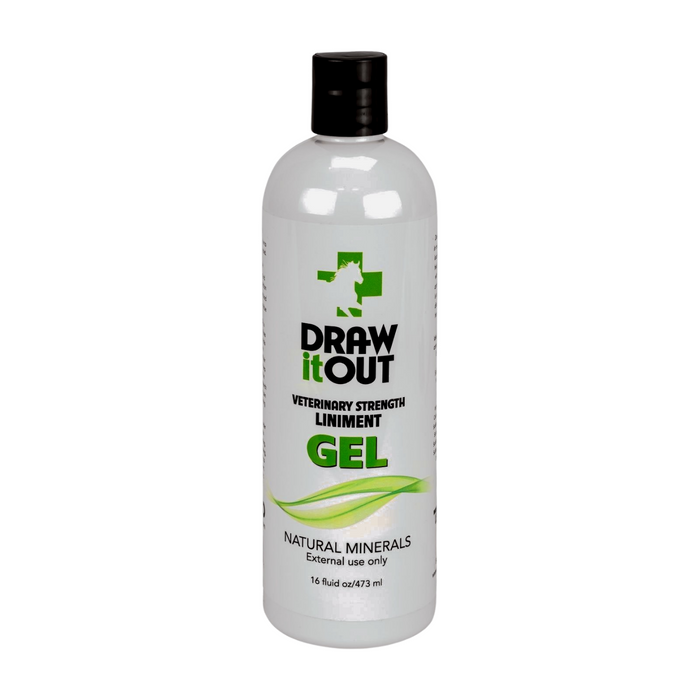
Stay-Put Gel
The everyday liniment gel format riders reach for when they want targeted, no-mess application.
View product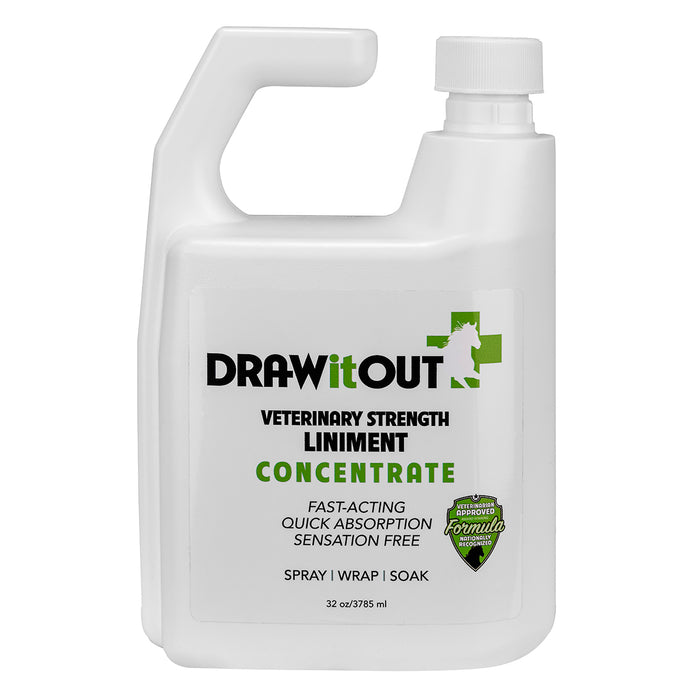
Mix Your Way
A flexible concentrate for riders who want to mix their own routine around workload and barn needs.
View product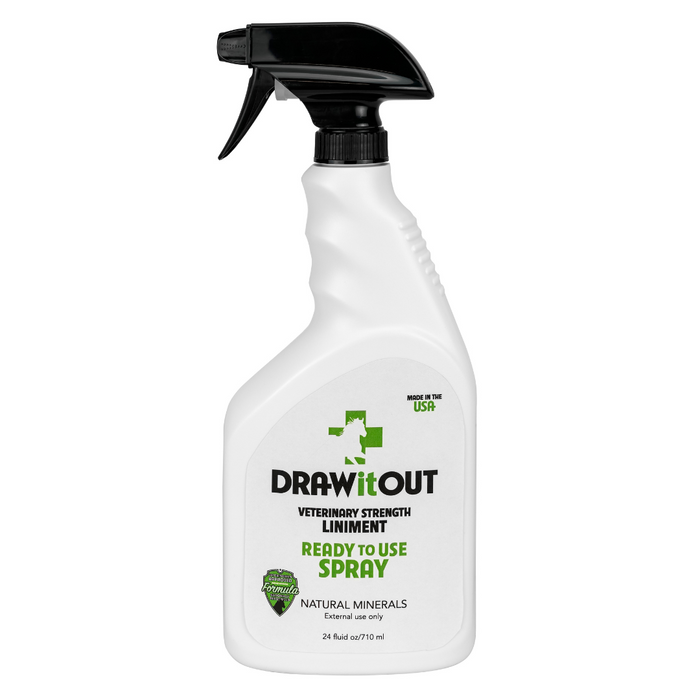
Ready To Use
A ready-to-use spray format for quick application after work, travel, turnout, or daily care.
View product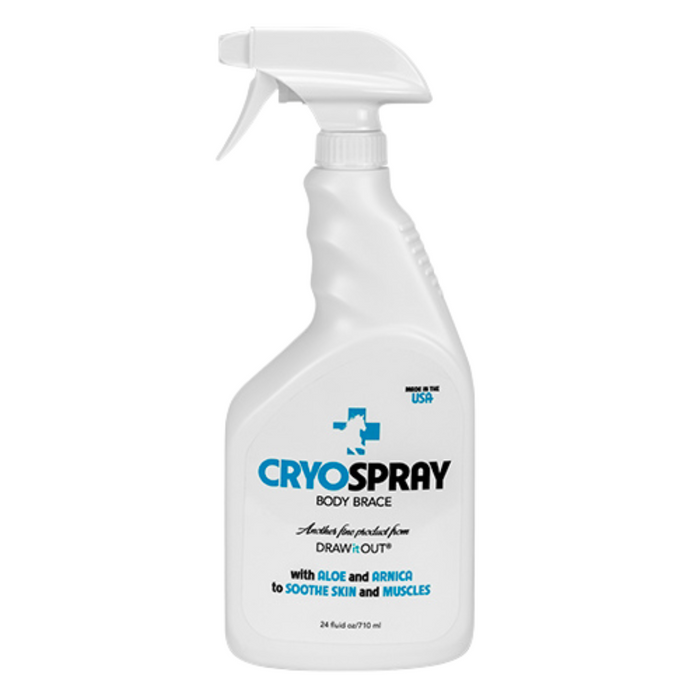
Cooling Brace
A cooling body brace spray for riders who want a fast, practical option after hard work or hot days.
View productFormat matters. Gel, concentrate, ready-to-use spray, and cooling spray each solve a different barn problem. Pick the one your routine will actually use.
!