Daily recovery
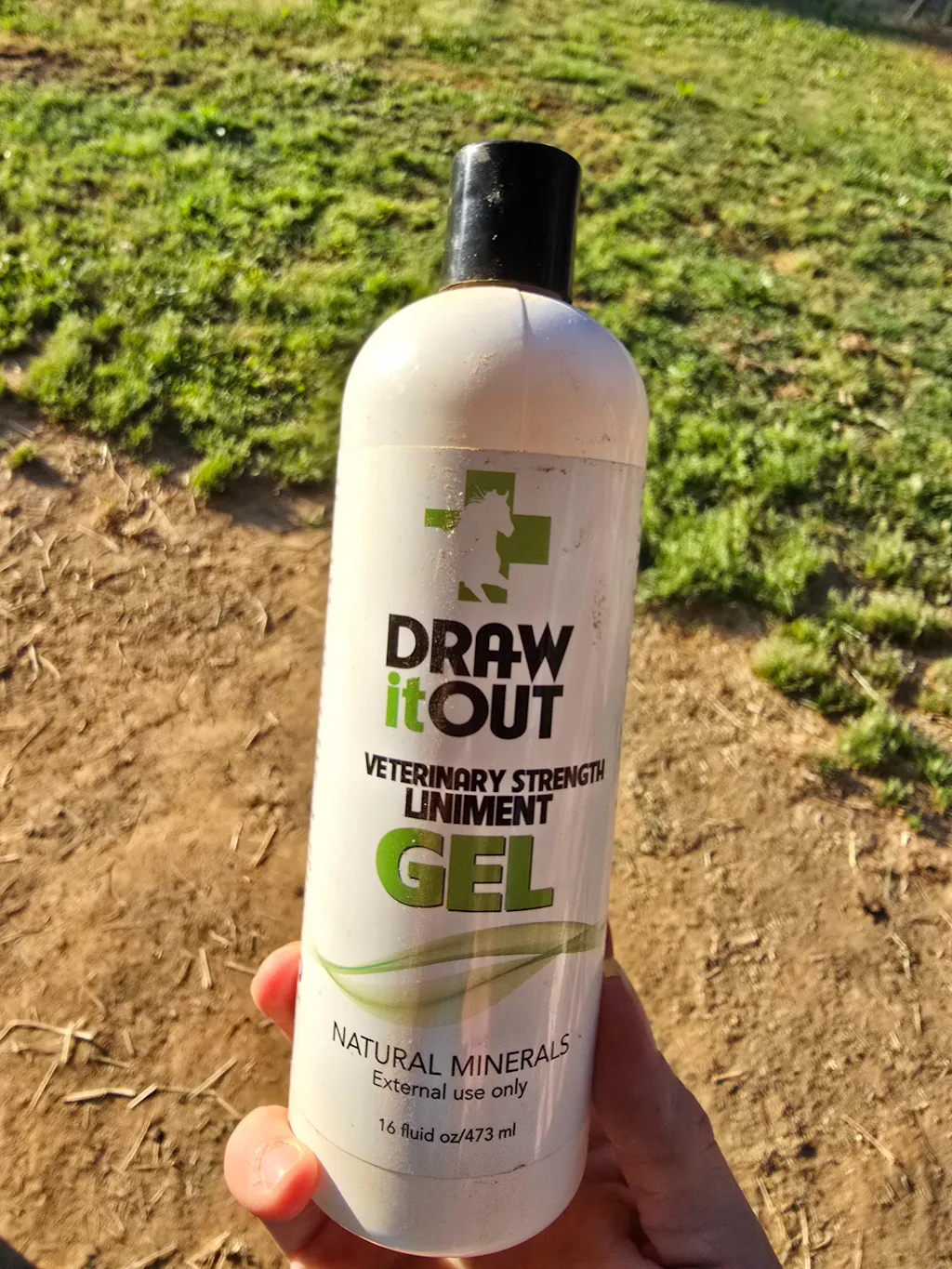
Liniment Gels
Explore the Draw It Out® liniment gel lineup for everyday use, post-work routines, and targeted recovery support.
Shop liniment gels
Most “stiff in the first five minutes” mornings are not a mystery diagnosis. They are usually a simple math problem.
Your horse spends hours in a small space. The tissues cool down. The joints do less. The circulation slows. Then you ask for softness and range of motion right out of the gate.
If your horse loosens up after a normal warm-up and stays even, that is a big clue. You do not always need a bigger training plan. You often need a smarter stall setup.
This is a rider-first checklist. Nothing fancy. Just small changes that reduce repeat stiff mornings by encouraging low-effort movement and comfort overnight.
Movement is the cheapest recovery tool in the barn. The stall can either invite it or shut it down.
Small walking adds up. A few extra steps an hour beats one big hand-walk when life gets busy.
This one is quiet but real. How your horse eats for hours affects posture. Posture affects topline tension. Topline tension affects the first trot steps.
If your horse is consistently tight through the base of the neck or behind the shoulder, this is a smart place to look.
Bedding is not just “comfort.” It is impact management. It is rest quality. It is how a horse chooses to lie down or not lie down.
If your horse rarely lies down, sleep debt and stiffness often travel together. Bedding is one of the easiest levers to pull.
Horses develop habits. If they always stand with one front forward because the corner is the “safe” spot, you will see it in the body.
The goal is not perfection. The goal is fewer hours in the same braced posture.
Stiffness is not only legs. It is also back and ribcage. Poor air increases low-grade stress and changes how horses breathe and hold tension.
Better rest often shows up as better movement the next morning.
Not a 30-minute ritual. A repeatable 2-minute habit that protects tomorrow.
If you want to anchor this into a bigger proactive system, the Prehabilitation pillar lays out the mindset and the routine structure in one place.
Read: Prehabilitation for Horses
If you use a liniment gel, the advantage is not drama. It is repeatability. A simple pattern used consistently tends to beat a complicated routine done twice a month.
If you are unsure what fits your horse’s workload, age, and sensitivity profile, use the Solution Finder quiz to narrow the routine and stop guessing.
If you want to see the liniment gel lineup that most riders build around, this is the clean collection page.
This post is about normal, repeatable tight mornings that improve with a sane warm-up.
If your horse is clearly lame, one-sided hot, unwilling to bear weight, or getting worse day to day, treat that as a different situation and involve your veterinarian and farrier.
When you fix the stall, you often fix the morning.
This article gives you the background. If you are ready to put the idea into a real horse care routine, these are the next places most riders should go.
Explore the Draw It Out® liniment gel lineup for everyday use, post-work routines, and targeted recovery support.
Shop liniment gelsMatch your horse’s workload, age, routine, and care goals to the Draw It Out® products that make the most sense.
Use the finderLearn how riders support soundness, comfort, and consistency before little issues become bigger problems.
Read the guideReal Barn Proof
Real riders. Real horses. Real routines. These clips rotate automatically so the proof stays fresh without weighing the page down with a long feed.
Why this matters: good horse care should make sense outside the ad. These clips show the kind of everyday use that builds trust one barn at a time.
Further Reading
Horse care works better when the next step is clear. These related reads help connect today’s topic to better daily decisions in the barn.

May 14, 2026
When a horse does not sweat enough in warm weather, it can turn from a small clue into a serious risk fast. This guide explains what to check ...
Read article
May 13, 2026
A practical post-ride horse recovery routine for spring show season, now routed directly to the live What Does My Horse Need page, Prehabilita...
Read article
May 12, 2026
A horse show hydration guide now routed directly to What Does My Horse Need, Prehabilitation, Hydro-Lyte®, and 16oz Liniment Gel.
Read articleStart with the principle, then build the habit. The right article should make the next barn decision easier, not more complicated.
Next Step
Simple care guides, practical product paths, and rider-trusted tools built for real horses and real routines.
Good care gets easier when the next step is obvious. Read the guide, match the routine, then choose the format that fits how your barn actually works.
Recovery Routine
Want a smarter way to think through post-ride care, heat, swelling, leg support, and daily recovery decisions? Start with the Performance Recovery Hub.
Better recovery starts with a repeatable routine. The hub gives riders a clearer path from workload to product format to aftercare timing.
Rider Favorites
Four core Draw It Out® staples riders keep close for daily recovery routines, wash rack use, targeted support, and quick barn-side care.
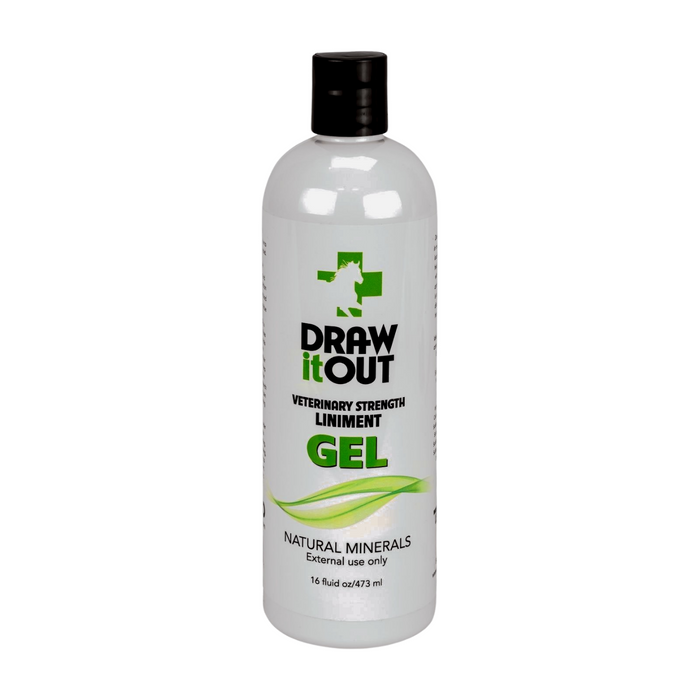
Stay-Put Gel
The everyday liniment gel format riders reach for when they want targeted, no-mess application.
View product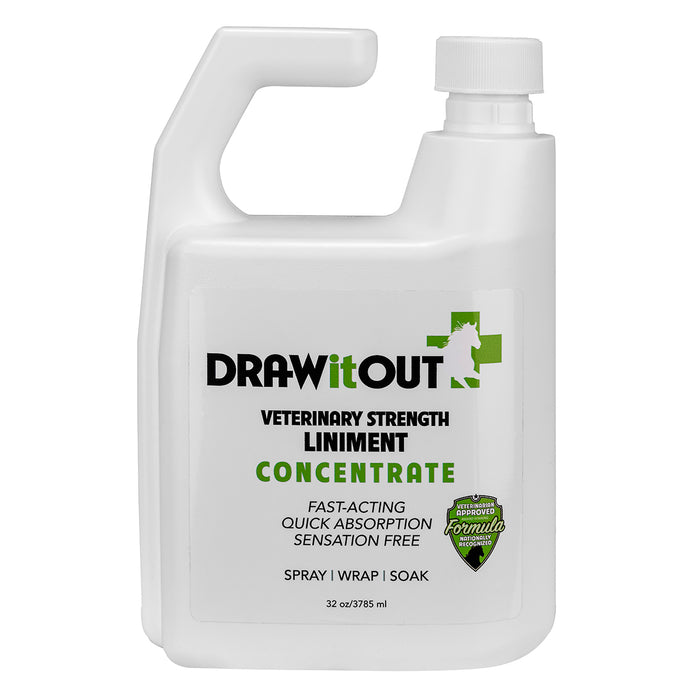
Mix Your Way
A flexible concentrate for riders who want to mix their own routine around workload and barn needs.
View product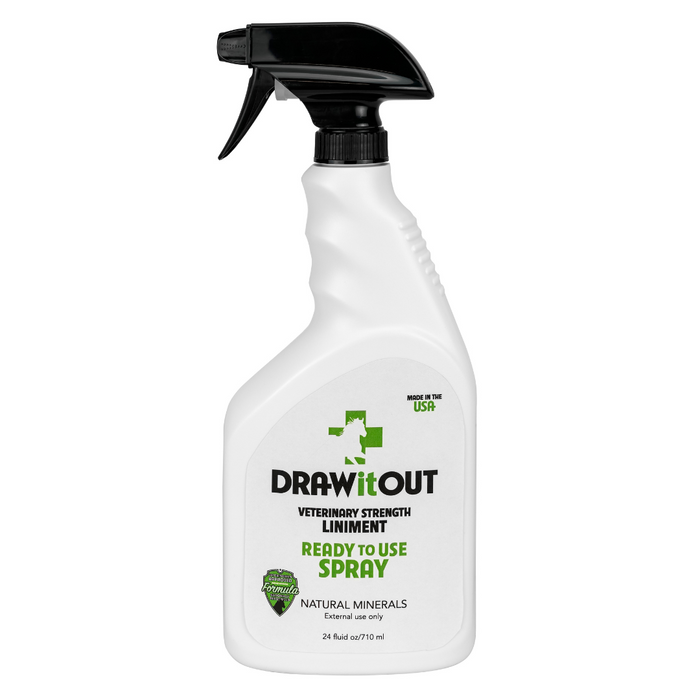
Ready To Use
A ready-to-use spray format for quick application after work, travel, turnout, or daily care.
View product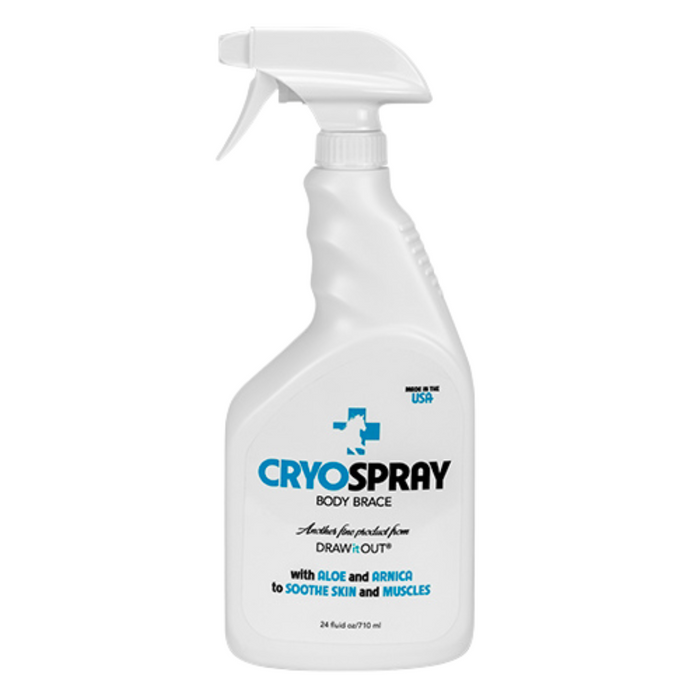
Cooling Brace
A cooling body brace spray for riders who want a fast, practical option after hard work or hot days.
View productFormat matters. Gel, concentrate, ready-to-use spray, and cooling spray each solve a different barn problem. Pick the one your routine will actually use.
!