Why Horses Nibble: Affection, Curiosity, or Discomfort? | Draw It Out®

Behavior & Comfort

Why Horses Nibble: Affection, Curiosity, or Discomfort?

A horse that softly nibbles your sleeve, grooming kit, or shoulder is not always being rude. Sometimes it is social behavior. Sometimes it is curiosity. Sometimes it is a stress signal. And sometimes it is your first clue that something feels off. The key is reading the context instead of treating every mouthy moment the same way.

When horse nibbling is normal

Not every nibble means a problem. Horses use their mouths to explore the world, interact with herd mates, and sometimes test what gets a reaction from people. Soft, intermittent nibbling often falls into one of a few normal buckets.

Mutual grooming behavior

In a herd, horses often groom one another with their lips and teeth. That social behavior can spill over onto trusted humans, especially around the shoulder, withers, or sleeves. It may look affectionate, but it still needs boundaries if you do not want it encouraged.

Curiosity and exploration

Young horses and mouthy horses often investigate tack, jackets, lead ropes, and hands the same way they investigate anything new. This is especially common in horses that are alert, social, or easily stimulated by activity around them.

Attention seeking

If nibbling reliably earns petting, laughing, treats, or a big reaction, some horses learn quickly that it works. In that case, the behavior may be less about affection and more about reinforcement.

Mild boredom

A horse with limited turnout, limited forage, or not much to do may invent habits that look playful at first. Mouthy behavior can show up when a horse is under-stimulated and looking for something to engage with.

Bottom line: soft nibbling can be normal, but normal does not always mean desirable. The question is not just what the horse is doing. The question is why, when, and how often.

Nibbling vs biting: not the same thing

This is where a lot of horse behavior content gets sloppy. Soft nibbling, exploratory mouthing, and defensive biting do not belong in the same bucket.

Nibbling usually looks like:

  • light lip movement or gentle tooth contact
  • brief, repetitive, low intensity behavior
  • appearing during grooming, standing, or relaxed interaction
  • little or no pinned ears, tail swishing, or hard facial tension

Biting usually looks like:

  • intentional grabbing or snapping
  • more force, more speed, more pressure
  • clear irritation, defensiveness, or escalation
  • often paired with pinned ears, head tossing, tension, or avoidance

If your horse is escalating from soft mouthing to harder contact, especially during grooming, saddling, tightening the girth, blanketing, or touching a specific area, stop treating it like a harmless quirk and start evaluating the setup.

Related reading: Addressing Biting in Horses


When nibbling may point to discomfort

One of the biggest misses riders make is assuming every nibble is affection. Sometimes a horse is trying to tell you that a body area is irritated, overstimulated, sore, or simply not feeling right.

Watch for timing

If the nibbling shows up at a specific moment, such as when grooming the belly, touching the girth area, brushing over the topline, or after work, that timing matters. Pattern beats guesswork.

Watch for location

If your horse becomes mouthy when a certain zone is touched, that can be a useful clue. Skin irritation, sensitivity, soreness, or localized discomfort can all change behavior before they become bigger issues.

Watch for recent change

New tack, harder work, a weather shift, more stall time, limited turnout, routine disruption, or changes in handling can all show up behaviorally before they show up anywhere else.

Watch the whole horse

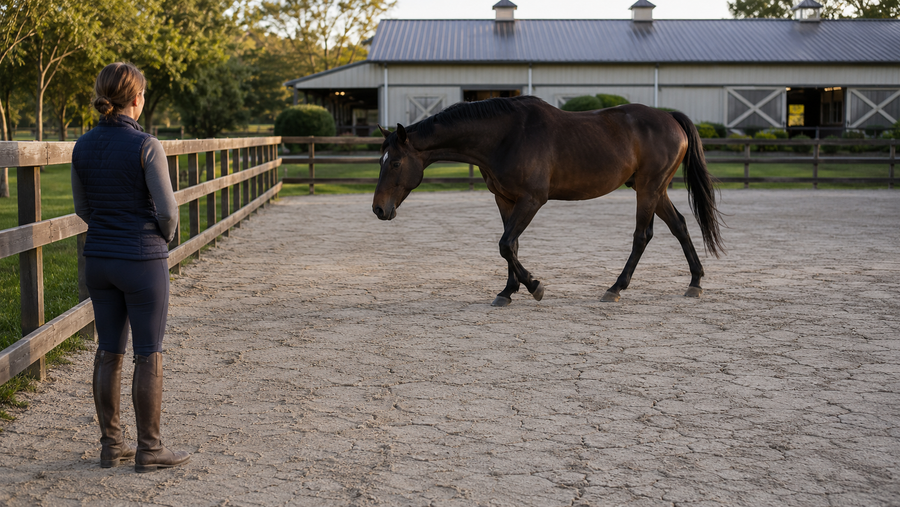
Nibbling matters more when it comes with pinned ears, tension, tail swishing, skin twitching, avoidance, hollowing, or a horse that suddenly seems touchy where they were not before.

A useful rule: if the behavior is new, more intense, tied to touch, or paired with other changes, treat it like information, not attitude.

Common reasons a horse starts nibbling more than usual

  • Social overfamiliarity: the horse has learned that mouthing people is allowed
  • Boredom or low enrichment: not enough forage, turnout, movement, or stimulation
  • Stress or tension: routine changes, social changes, hauling, confinement, or overstimulation
  • Body discomfort: skin sensitivity, soreness, tack pressure, or post-work tightness
  • Mouth or dental issues: if the behavior seems linked to oral discomfort, eating changes, or head handling resistance, your vet or equine dentist may need to rule things out

How to respond without making it worse

You do not need a dramatic correction for every nibble. You do need consistency. The goal is to read what is driving the behavior, then keep your response clear and fair.

1. Do not reward mouthiness by accident

If your horse nibbles and gets laughter, attention, scratching, or treats, the lesson may be obvious from their side. Calmly interrupt and redirect instead.

2. Look at the context first

If the horse gets mouthy during a certain task, ask what the task is telling you. The pattern is often more useful than the behavior itself.

3. Increase turnout, forage, or enrichment where appropriate

A horse with more natural opportunity to move, chew, and engage often has less need to invent habits around handlers.

4. Rule out discomfort if the behavior is new

New behavior deserves curiosity. If your horse suddenly gets more reactive during grooming or touch, it is worth taking seriously.

Best practice: calm interruption, better observation, and cleaner routines usually outperform big emotional reactions.

A quick rider checklist

  • Is the nibbling soft and social, or sharp and escalating?
  • Does it happen at random, or at the same moment every time?
  • Is it tied to grooming, saddling, post-work care, or touch in one area?
  • Has anything changed recently in work, routine, turnout, or tack?
  • Is your horse otherwise relaxed, or showing tension signals too?
  • Are you unintentionally reinforcing the behavior?
  • Would better comfort support during routine care help?
  • Does this deserve a closer look from your vet or care team?

Support comfort during everyday care

If your horse tends to get touchy during grooming or routine handling, a comfort-focused topical can make daily care easier to manage. Rapid Relief Restorative Cream is a practical option for riders looking to support skin comfort in a horse-safe routine.

Also helpful: browse the Draw It Out® collection for routine support options.

FAQ: understanding horse nibbling behavior

Is horse nibbling a sign of affection?

Sometimes, yes. Horses often mimic mutual grooming behavior with people they trust. But affection is not the only explanation. Curiosity, habit, tension, and discomfort can all look similar at first.

Should I let my horse nibble me?

That depends on your boundaries, but most riders are better off not encouraging it. Soft nibbling can stay soft, but it can also become pushy or escalate. Clear, consistent handling usually works better than mixed signals.

How do I know if nibbling is turning into biting?

Look for more force, more intent, faster movement, and more tension in the horse. Pinned ears, tail swishing, snapping, or clear irritation move the behavior out of the harmless category.

Can nibbling mean my horse is uncomfortable?

Yes. If nibbling is new, tied to touch, linked to one body area, or shows up with other changes in behavior, treat it like information worth investigating.

What should I do if my horse nibbles during grooming?

Notice exactly when it happens. If it shows up over one area or during one step of care, that pattern matters. Calmly interrupt the behavior, avoid rewarding it, and consider whether the horse is reacting to discomfort, sensitivity, or overstimulation.

Hinterlasse einen Kommentar

Bitte beachte, dass Kommentare vor der Veröffentlichung genehmigt werden müssen.

Start here

Reading first? Here is the clean path.

This article gives you the background. If you are ready to put the idea into a real horse care routine, these are the next places most riders should go.

Daily recovery

Liniment Gels

Explore the Draw It Out® liniment gel lineup for everyday use, post-work routines, and targeted recovery support.

Shop liniment gels
Find the fit

Solution Finder

Match your horse’s workload, age, routine, and care goals to the Draw It Out® products that make the most sense.

Use the finder
Routine first

Prehabilitation

Learn how riders support soundness, comfort, and consistency before little issues become bigger problems.

Read the guide
Simple rule: read the article for context, use the Solution Finder for direction, then build the routine around the product format your horse will actually use consistently.

Real Barn Proof

What this looks like in real barns.

Real riders. Real horses. Real routines. These clips rotate automatically so the proof stays fresh without weighing the page down with a long feed.

Random rider clips

Why this matters: good horse care should make sense outside the ad. These clips show the kind of everyday use that builds trust one barn at a time.

Further Reading

Keep building the routine.

Horse care works better when the next step is clear. These related reads help connect today’s topic to better daily decisions in the barn.
Horse health news

Start with the principle, then build the habit. The right article should make the next barn decision easier, not more complicated.

Next Step

Keep your barn dialed in.

Simple care guides, practical product paths, and rider-trusted tools built for real horses and real routines.

Good care gets easier when the next step is obvious. Read the guide, match the routine, then choose the format that fits how your barn actually works.

Recovery Routine

Build a complete recovery routine.

Want a smarter way to think through post-ride care, heat, swelling, leg support, and daily recovery decisions? Start with the Performance Recovery Hub.

Better recovery starts with a repeatable routine. The hub gives riders a clearer path from workload to product format to aftercare timing.

Rider Favorites

Always in the kit.

Four core Draw It Out® staples riders keep close for daily recovery routines, wash rack use, targeted support, and quick barn-side care.
Core barn staples
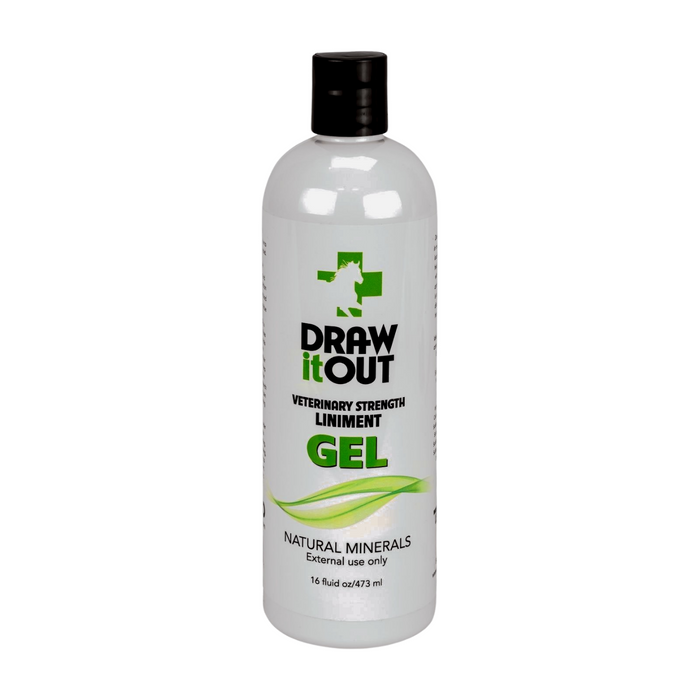
Draw It Out® 16oz Liniment Gel | Daily Horse Care

Stay-Put Gel

16oz Liniment Gel

The everyday liniment gel format riders reach for when they want targeted, no-mess application.

View product
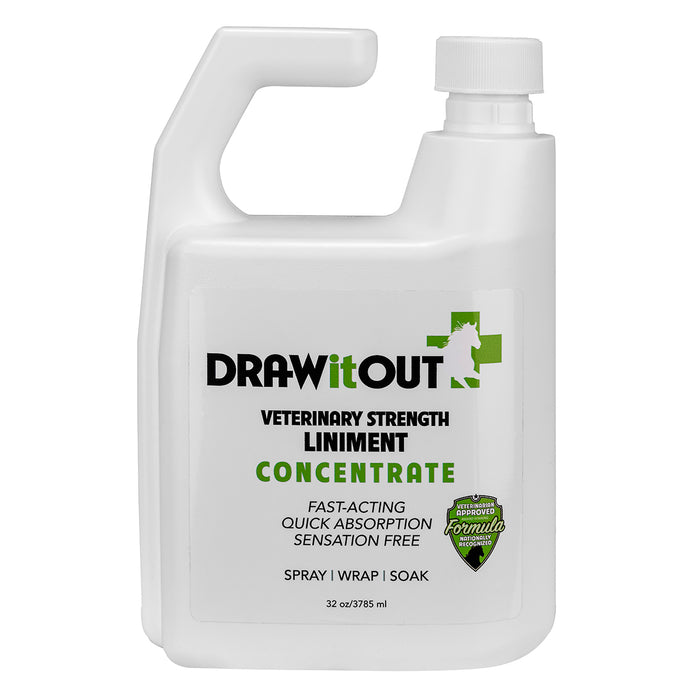
Draw It Out® 32oz Liniment Concentrate | Mix-to-Use Formula

Mix Your Way

32oz Concentrate

A flexible concentrate for riders who want to mix their own routine around workload and barn needs.

View product
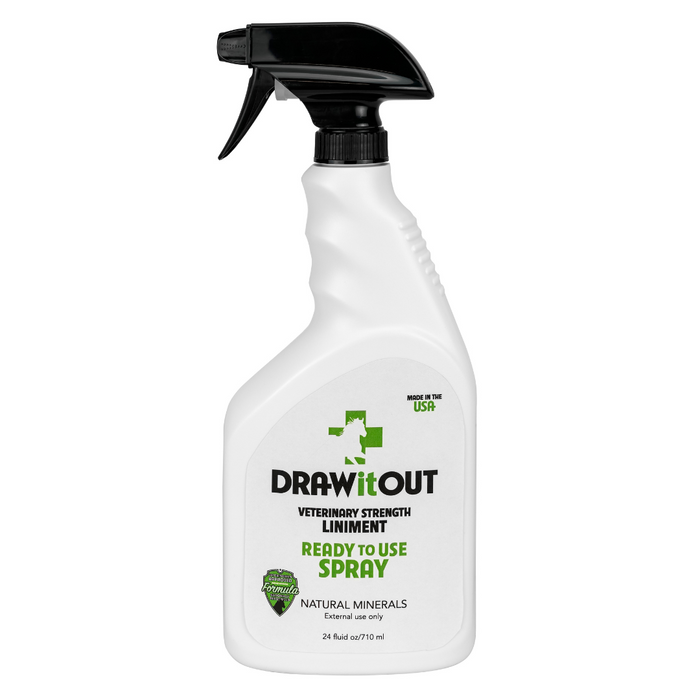
Draw It Out® RTU Spray 24oz | Ready-to-Use Liniment Spray

Ready To Use

24oz RTU Spray

A ready-to-use spray format for quick application after work, travel, turnout, or daily care.

View product
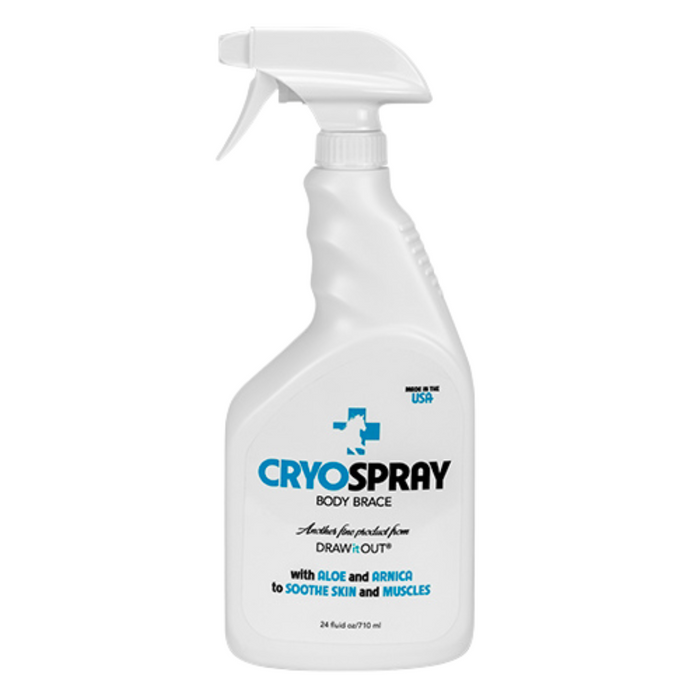
CryoSpray® by Draw It Out® 24oz | Cooling Body Brace for Horses

Cooling Brace

CryoSpray

A cooling body brace spray for riders who want a fast, practical option after hard work or hot days.

View product

Format matters. Gel, concentrate, ready-to-use spray, and cooling spray each solve a different barn problem. Pick the one your routine will actually use.

Where To Go Next

Turn the idea into a routine.

If this topic connects to what you are seeing in your horse, these are the three cleanest next steps. Start with direction, then choose the product format that fits the way your barn actually works.

Next steps

Best next move: use the Solution Finder first when the issue is unclear. Go straight to the liniment gel collection when you already know the format you want.