Daily recovery
Liniment Gels
Explore the Draw It Out® liniment gel lineup for everyday use, post-work routines, and targeted recovery support.
Shop liniment gels
Draw It Out® Horse Health Care News
A practical rider-first checklist for finding the attachment site, deciding whether removal is a simple barn task or a veterinary job, and watching the horse afterward without turning a tick bite into a product experiment.
Quick answer: keep the horse still, inspect the location, use gloves, and remove an accessible tick with a proper tick tool or fine-tipped tweezers using steady pressure close to the skin. Call your veterinarian when the tick is in an eye, ear canal, mouth, sensitive tissue, the horse will not stand safely, or the site is already swollen, draining, painful, or damaged. Record the date and location, then watch the horse and the attachment site.
Ticks can be easy to miss under a thick mane, feathering, long summer hair, or a dusty coat. They can also be mistaken for a scab, skin tag, seed, dried mud, or small growth. Do not yank at something until you can see where it meets the skin.
Part the hair with good light. Look for a small body attached at one point, and check whether the area is already rubbed, raw, bleeding, swollen, or crusted. If you are not sure it is a tick, take a clear photo and call your veterinarian before pulling.
Finding one tick should trigger a whole-horse check. Run your hands slowly through the coat and inspect sheltered, warm, thin-skinned areas rather than stopping after the first one.
Before removal
A tick on the eyelid, inside the ear canal, close to the mouth, on genital tissue, or in a location the horse will not let you handle safely belongs with a veterinarian. The same is true when many ticks are clustered together or the skin is already significantly damaged.
For a calm horse and an easy-to-reach tick, position the removal tool as close to the skin and mouthparts as possible without crushing the swollen body. Use slow, steady pressure according to the tool directions. Avoid jerking, squeezing, burning, coating, or aggressively twisting the tick.
If the tick breaks, the mouthparts appear to remain, the area begins bleeding more than expected, or the horse reacts strongly, stop digging at the skin and call your veterinarian. Turning a small attachment site into a deeper wound creates a second problem.
A small local bump can happen after attachment, but the trend matters. The site should not become progressively hotter, more painful, more swollen, foul smelling, or increasingly wet.
Do not wait on a routine product answer when you see a meaningful change. Contact your veterinarian for:
Do not diagnose a tick-borne illness from a photograph or assume that every post-ride problem came from the tick. Your veterinarian can evaluate the whole horse, exposure history, regional risks, and whether testing is appropriate.
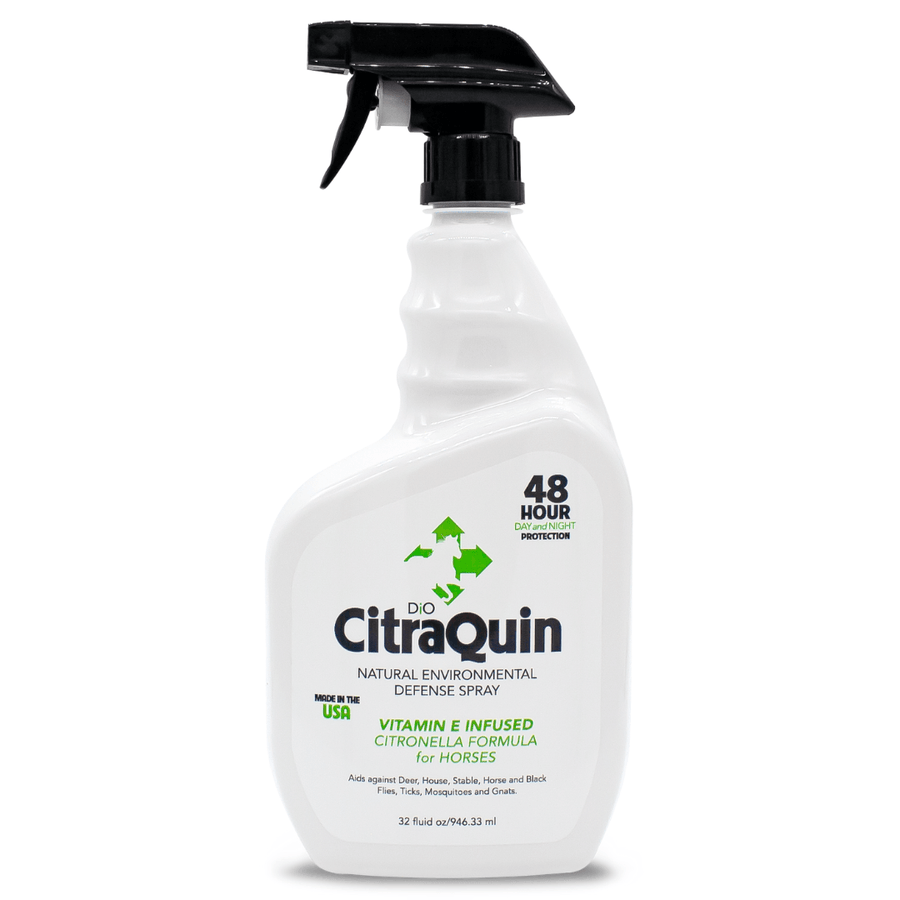
Citraquin® Environmental Defense Spray can remain part of a normal, label-directed fly-season and turnout routine on intact skin.
It is not a tick-removal product, wound treatment, disease-prevention product, and it does not eliminate exposure to ticks, flies, mosquitoes, or insect-borne illness. Do not use it to force an attached tick to release, and do not spray it onto open, broken, blistered, or irritated skin unless the label specifically directs otherwise.
The rider-first sequence is simple: inspect the horse, handle the tick correctly, move abnormal skin or whole-horse signs into the veterinary lane, then return to ordinary environmental-defense routines only when the skin is intact and the horse is normal.
Use the Solution Finder or compare the pesticide-free horse spray routine.
Visit the Horse Health Library tick and wound-check route for the broader seasonal pest-pressure lane.
No. Do not experiment with coating, burning, or irritating an attached tick. Use a proper removal tool and veterinarian-directed method.
Ask your veterinarian. A sealed specimen or clear photo, along with the date and exposure location, may help with identification and history.
Do not keep digging. Contact your veterinarian for guidance, especially if the area is sensitive, painful, swollen, or difficult to handle safely.
Citraquin® belongs in a label-directed environmental-defense routine on intact skin. It is not a wound product or tick treatment. Avoid open, broken, blistered, or irritated areas unless the label specifically directs otherwise.
No. A tick finding is an exposure event, not a diagnosis. Record it, monitor the horse, and contact your veterinarian if the horse or attachment site changes.
Educational support only. This article does not replace veterinary diagnosis, treatment, parasite-control planning, or emergency care. Follow product labels and contact your veterinarian for embedded parasites, wounds, fever, swelling, drainage, pain, lameness, weakness, poor coordination, or sudden behavior changes.
This article gives you the background. If you are ready to put the idea into a real horse care routine, these are the next places most riders should go.
Explore the Draw It Out® liniment gel lineup for everyday use, post-work routines, and targeted recovery support.
Shop liniment gelsMatch your horse’s workload, age, routine, and care goals to the Draw It Out® products that make the most sense.
Use the finderLearn how riders support soundness, comfort, and consistency before little issues become bigger problems.
Read the guideReal Barn Proof
Real riders. Real horses. Real routines. These clips rotate automatically so the proof stays fresh without weighing the page down with a long feed.
Why this matters: good horse care should make sense outside the ad. These clips show the kind of everyday use that builds trust one barn at a time.
Further Reading
Horse care works better when the next step is clear. These related reads help connect today’s topic to better daily decisions in the barn.
Jul 08, 2026
Before you ride in fly season, check the legs, belly line, sweat, turnout spots, tack area, and fly-control routine so stomping does not turn ...
Read article
Jul 07, 2026
A practical horse electrolyte guide covering diet, water, salt, heat, humidity, hauling, sweat, recovery, and urgent veterinary signs.
Read article
Jul 07, 2026
Descubra Fluid Flex EQ, el avance innovador en la salud y movilidad de las articulaciones equinas. Su fórmula única combina hialuronato de sod...
Read articleStart with the principle, then build the habit. The right article should make the next barn decision easier, not more complicated.
Next Step
Simple care guides, practical product paths, and rider-trusted tools built for real horses and real routines.
Good care gets easier when the next step is obvious. Read the guide, match the routine, then choose the format that fits how your barn actually works.
Recovery Routine
Want a smarter way to think through post-ride care, heat, swelling, leg support, and daily recovery decisions? Start with the Performance Recovery Hub.
Better recovery starts with a repeatable routine. The hub gives riders a clearer path from workload to product format to aftercare timing.
Rider Favorites
Four core Draw It Out® staples riders keep close for daily recovery routines, wash rack use, targeted support, and quick barn-side care.
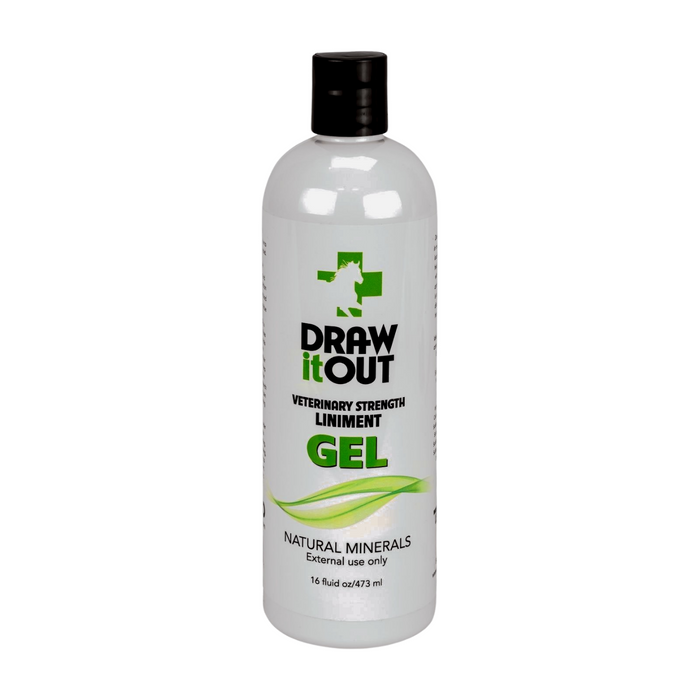
Stay-Put Gel
The everyday liniment gel format riders reach for when they want targeted, no-mess application.
View product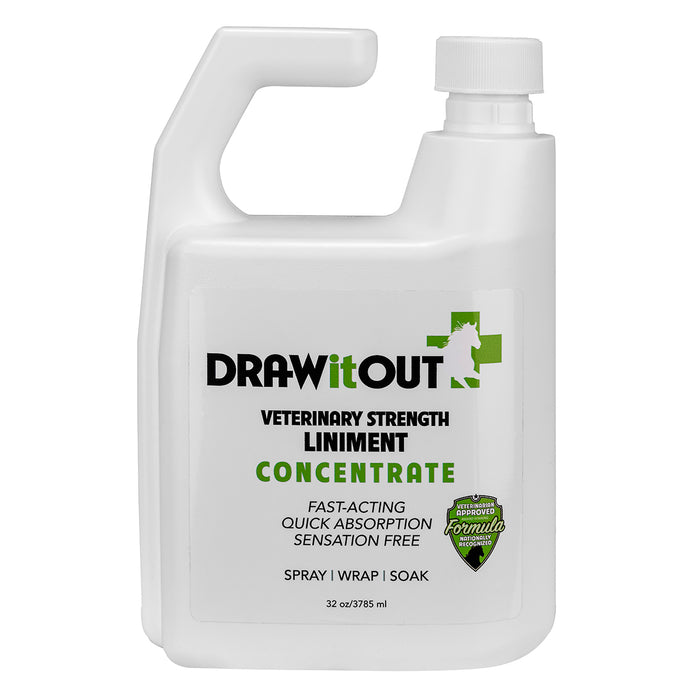
Mix Your Way
A flexible concentrate for riders who want to mix their own routine around workload and barn needs.
View product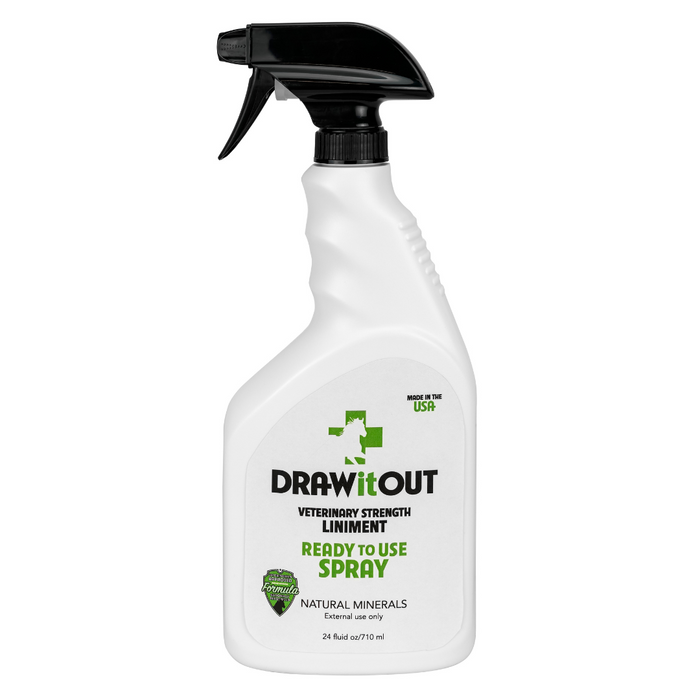
Ready To Use
A ready-to-use spray format for quick application after work, travel, turnout, or daily care.
View product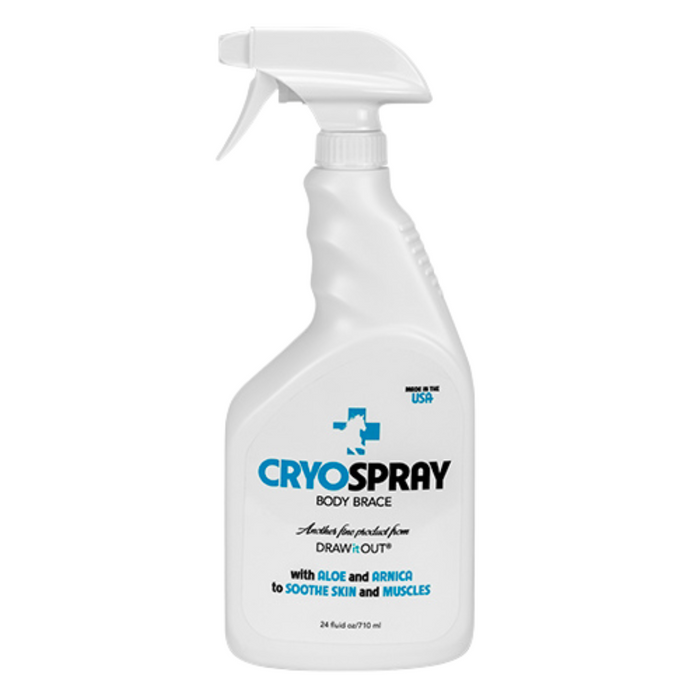
Cooling Brace
A cooling body brace spray for riders who want a fast, practical option after hard work or hot days.
View productFormat matters. Gel, concentrate, ready-to-use spray, and cooling spray each solve a different barn problem. Pick the one your routine will actually use.
!