Legs
Check fill, heat, swelling, pain, wounds, wraps marks, scratches, and whether both sides match.

Return-to-movement checklist
Stall rest changes the horse. Legs fill. Hooves shift. Skin gets missed. Minds get fresh. Muscle tone changes. The goal is not to rush back to normal. The goal is to build back with eyes open.
Quick answer: After stall rest, check the horse’s legs, hooves, attitude, skin, weight, muscle tone, turnout readiness, and baseline movement before restarting work. Follow your veterinarian’s plan when stall rest was prescribed. Generic advice should never override a rehab plan.
Do not start with the old routine. Start with the current horse.
There is a big difference between a horse stalled because of weather and a horse on stall rest because of injury, illness, wound care, surgery, lameness, or veterinary restriction. If your veterinarian prescribed stall rest, their return plan comes first.
The danger is assuming the horse is ready because the calendar moved forward. Tissue, fitness, mind, and movement do not rebuild just because the stall door opens.
Vet-plan rule: If stall rest was prescribed by a veterinarian, do not restart turnout, riding, lunging, hills, poles, or free movement without clearance.
Check fill, heat, swelling, pain, wounds, wraps marks, scratches, and whether both sides match.
Look for overgrowth, loose shoes, cracks, tenderness, thrush, packed debris, or changes from farrier timing.
Check rubs, bedding sores, blanket marks, pastern irritation, and areas missed during restricted movement.
A stalled horse may be fresh, anxious, dull, reactive, or mentally ready to do more than the body is ready for.
Watch weight, topline, muscle loss, belly, hydration, appetite, and how the horse holds themselves.
The first walk tells you a lot. Watch rhythm, stride length, confidence, symmetry, and attitude.
Stall rest can protect the horse when the body needs restriction, but it also changes the system around the horse. Movement drops. Fitness shifts. Legs may fill. Hooves keep growing. Skin can get damp or irritated. The horse may get mentally sharp or dull.
| Area | What may change | What to check before movement |
|---|---|---|
| Legs | Soft fill, stocking up, sensitivity, wrap marks | Heat, pain, symmetry, lameness, skin breaks |
| Hooves | Farrier cycle changes, tenderness, thrush risk, packed debris | Pick hooves, check shoes, inspect frog and sole |
| Muscle and fitness | Loss of tone, reduced endurance, slower response to work | Start shorter than you think and watch recovery |
| Behavior | Freshness, anxiety, frustration, dullness, overreaction | Use safe handling, controlled space, and calm repetition |
| Skin | Bedding rubs, scratches, blanket rubs, damp coat zones | Groom thoroughly and inspect pressure points |
Even when the horse looks bright and wants to move, the body may not be ready for the old workload. Start with controlled movement and watch how the horse responds during and after.
Use quiet, controlled walking when it matches the veterinary plan or management situation.
Look at stride, attitude, heat, swelling, and whether the horse stays comfortable after movement.
Turnout may need to restart in a small, safe space before full turnout, especially for fresh horses.
Early work should not be a fitness test. Build routine, rhythm, and confidence first.
How the horse looks the next day matters as much as how they looked during the first walk.
A return-to-work plan should have brakes. If the horse is telling you the current step is enough, listen.
Progression rule: Increase one thing at a time. More time, more space, more speed, more footing challenge, and more work should not all happen on the same day.
Soft lower-leg fill can happen after standing, especially if the horse has been confined longer than usual. That does not mean every filled leg is routine.
Check heat, pain, symmetry, skin, movement, and attitude before deciding whether safe movement, observation, wraps, or a veterinarian call is the next step.
Stall rest can alter appetite, water intake, manure, energy level, and weight. Before adding harder work, make sure the basics are stable.
Practical note: If hydration or appetite is abnormal, solve that before asking the horse for more work.
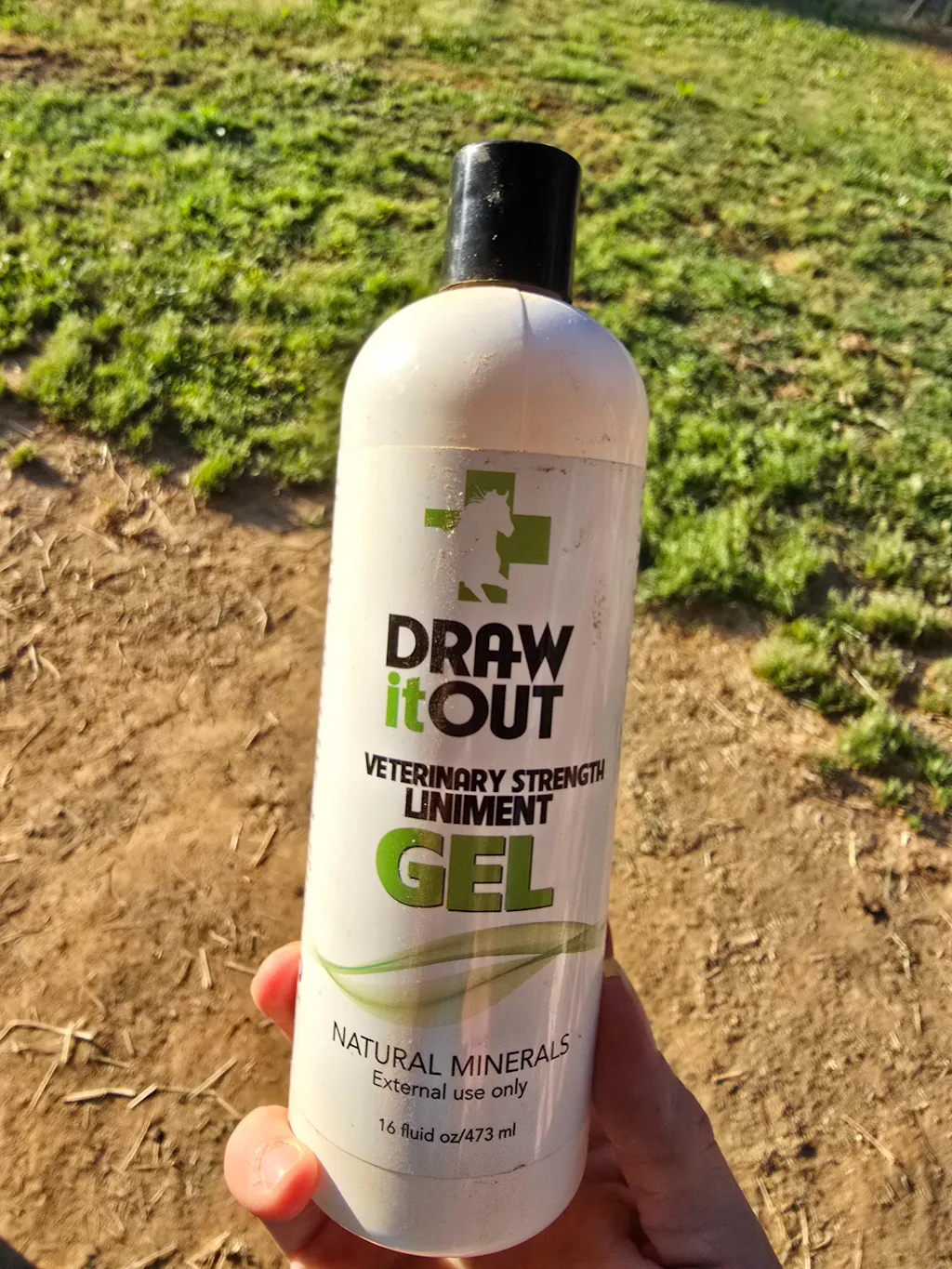
Draw It Out® 16oz liniment gel can fit a return-to-movement routine as a controlled, hands-on body-care step when the horse has been checked and the target area is clean, dry, and intact. It should not be used as a substitute for a veterinary rehab plan, pain diagnosis, swelling evaluation, or return-to-work clearance.
The useful part is the routine: clean skin, thin layer, controlled placement, and a rider paying attention with their hands.
Post-stall-rest recovery is not just about doing less. It is about rebuilding a reliable baseline. Warmup, cooldown, hoof care, hydration, turnout, skin checks, leg checks, and calm routine support all matter.
Prehabilitation gives you a system before the horse is fully back in work. That system is what keeps the comeback from turning into a guessing game.
Follow your veterinarian’s instructions if stall rest was prescribed. If the horse was stalled for management reasons rather than injury, start with quiet, controlled movement and watch legs, hooves, attitude, and recovery.
Start with clearance, then controlled walking, daily checks, safe turnout progression, short easy sessions, and slow increases. Track how the horse looks the next day before increasing again.
Liniment gel can fit routine care when the horse is sound, cleared for movement, acting normal, and the skin is clean, dry, and intact. Do not use product to push through lameness, swelling, heat, pain, or veterinary restrictions.
Soft fill can happen after standing, but it should still be checked. Heat, pain, lameness, one-sided swelling, skin breaks, fever, or a horse not acting normal means call your veterinarian.
Use your veterinarian’s plan when stall rest was prescribed. Turnout may need to start in a small, safe space before returning to normal turnout, especially if the horse is fresh or recovering from injury.
It depends on the reason for rest, length of confinement, age, fitness, injury history, and veterinary plan. Build gradually and let next-day response guide progression.
Only use standing wraps if you know why you are wrapping, can apply them correctly, and can recheck on schedule. Do not wrap over dirty skin, wounds, heat, sharp pain, or swelling that may need veterinary evaluation.
Stop and get guidance for lameness, heat, swelling, sharp pain, wound changes, hoof tenderness, fever, dullness, appetite changes, unsafe behavior, or next-day worsening.
Start with the horse standing in front of you now. Check the legs. Pick the feet. Read the mind. Watch the first walk. Build slowly. Use Draw It Out® where the routine fits, but let the horse and the vet plan lead.
Start Here
This article gives you the background. If you are ready to put the idea into a real horse care routine, these are the next three places most riders should go.
Simple rule: read the article for context, use the Solution Finder for direction, then build the routine around the product format your horse will actually use consistently.
Real Barn Proof
Real riders. Real horses. Real routines. These clips rotate automatically so the proof stays fresh without weighing the page down with a long feed.
Why this matters: good horse care should make sense outside the ad. These clips show the kind of everyday use that builds trust one barn at a time.
Further Reading
Horse care works better when the next step is clear. These related reads help connect today’s topic to better daily decisions in the barn.

May 17, 2026
Learn the practical signs that a horse may need an easier day after work, travel, turnout, or training, plus a simple recovery routine for rea...
Read article
May 16, 2026
Boot rubs usually start quietly. Here is what to check before flattened hair becomes irritation.
Read article
May 15, 2026
A practical, claim-safe guide for riders who find a horse stocked up after stall time, hauling, or a quiet day. Learn what to check before rid...
Read articleStart with the principle, then build the habit. The right article should make the next barn decision easier, not more complicated.
Next Step
Simple care guides, practical product paths, and rider-trusted tools built for real horses and real routines.
Good care gets easier when the next step is obvious. Read the guide, match the routine, then choose the format that fits how your barn actually works.
Recovery Routine
Want a smarter way to think through post-ride care, heat, swelling, leg support, and daily recovery decisions? Start with the Performance Recovery Hub.
Better recovery starts with a repeatable routine. The hub gives riders a clearer path from workload to product format to aftercare timing.
Rider Favorites
Four core Draw It Out® staples riders keep close for daily recovery routines, wash rack use, targeted support, and quick barn-side care.
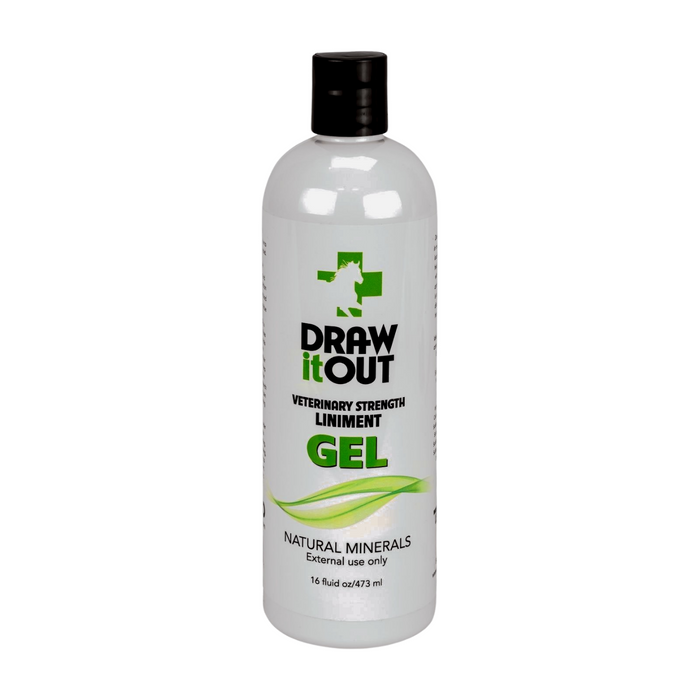
Stay-Put Gel
The everyday liniment gel format riders reach for when they want targeted, no-mess application.
View product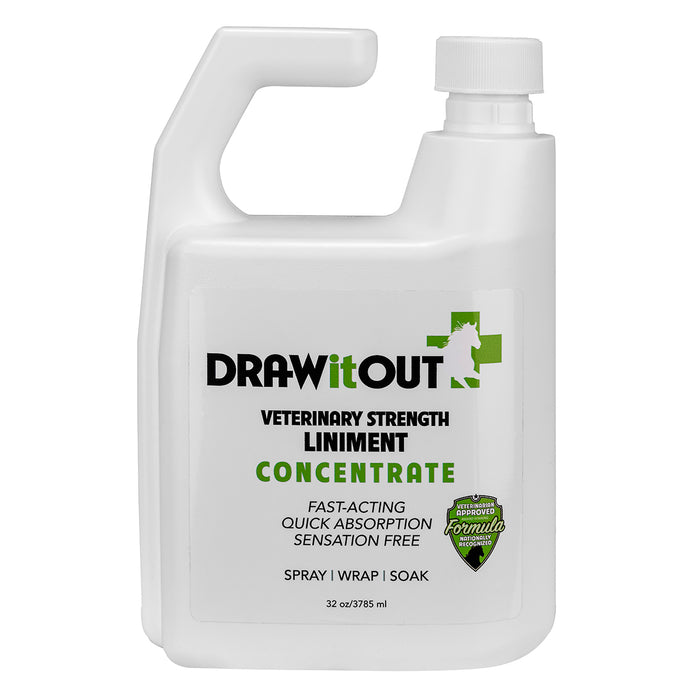
Mix Your Way
A flexible concentrate for riders who want to mix their own routine around workload and barn needs.
View product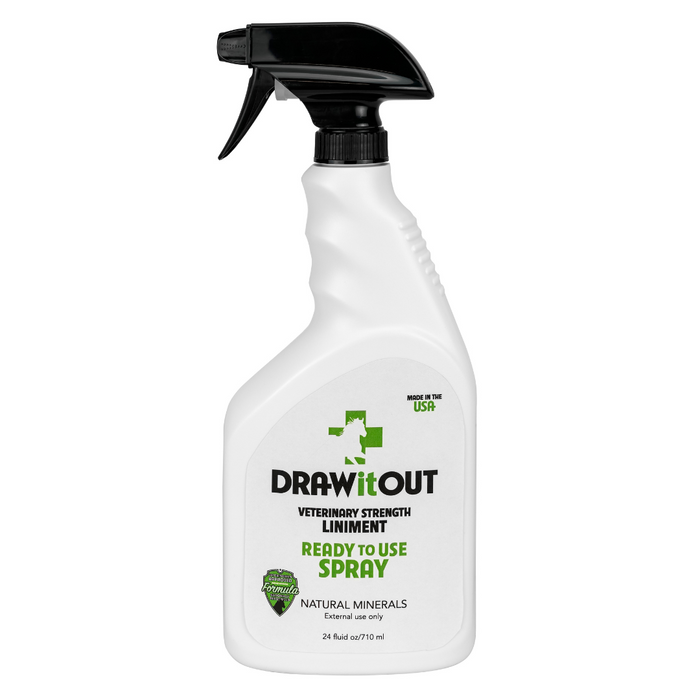
Ready To Use
A ready-to-use spray format for quick application after work, travel, turnout, or daily care.
View product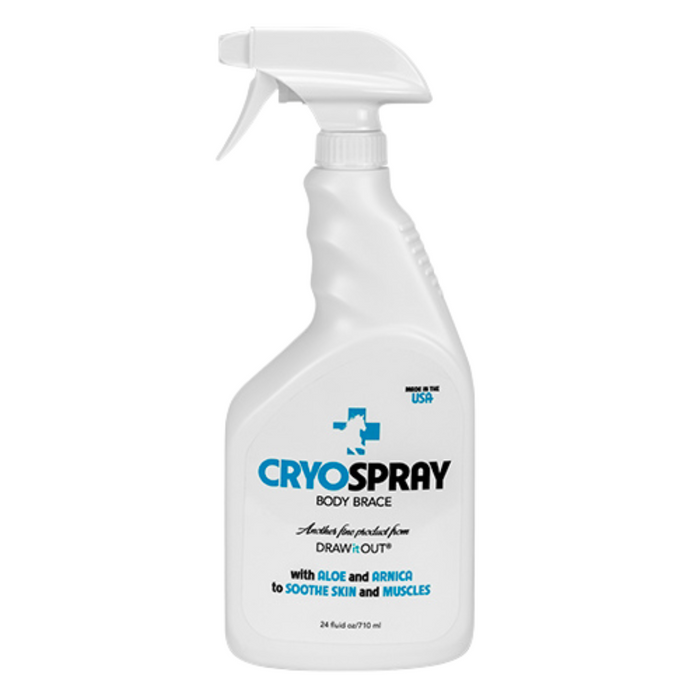
Cooling Brace
A cooling body brace spray for riders who want a fast, practical option after hard work or hot days.
View productFormat matters. Gel, concentrate, ready-to-use spray, and cooling spray each solve a different barn problem. Pick the one your routine will actually use.
!