Draw It Out® Horse Health Library

Horse Care Glossary

Plain-English barn terms for real riders, from digital pulse and stocking up to standing wraps, windpuffs, lymphangitis, abscesses, and red flags.

Use this as a reference, not a diagnosis. If you see heat with pain, a strong digital pulse, one-leg swelling, a wound, fever, non-weight-bearing lameness, rapid worsening, or a horse that just is not right, call your veterinarian or farrier.

Find a term fast

Search by word, body area, concern, or product format. Tap a letter to filter the glossary.

Vet and farrier red flags

Do not try to solve these with a product page: sudden severe lameness, non-weight-bearing, hoof heat with a bounding digital pulse, deep wounds, punctures, fever, rapid swelling, cellulitis or lymphangitis signs, eye injury, colic signs, abnormal breathing, or anything getting worse instead of better.

A
Abscess
A localized pocket of infection, often inside the hoof, that can cause sudden lameness. Keep the horse safe and involve your farrier or veterinarian.Related: Abscess basics · Hoof care
Acute vs. chronic
Acute means sudden or new. Chronic means long-standing or recurring. A new hot swelling, sudden lameness, or fast change deserves professional attention.
B
Bandage bow
Damage caused by uneven, overly tight, or poorly placed wraps. Use smooth quilts, even tension, and recheck wraps after application.Related: Wrap Method Guide
Bounding digital pulse
A stronger-than-normal pulse felt near the fetlock or pastern. With hoof heat or pain, treat it as a red flag and call your veterinarian.
Bowed tendon
A tendon injury that can create a bowed contour along the back of the cannon area. This needs veterinary diagnosis and a controlled rehab plan.
C
Cannon bone
The main long bone between the knee or hock and the fetlock. A useful landmark when checking swelling and symmetry.
Cellulitis / lymphangitis
Rapid, painful limb swelling, often one hind leg, sometimes with heat and fever. This is urgent. Call your veterinarian.Related: Lymphangitis guide
Cold-backed
A horse that reacts to saddling, mounting, or early work through the back. Check saddle fit, warmup, workload, and professional care when needed.
Concentrate
A liniment format designed to be diluted or used according to label directions for larger-area routines, soaks, or barn systems.Related: Draw It Out® Concentrate
Cool and scrape
A cooling method where water is applied, scraped off, and repeated so fresh cool water can contact the horse instead of sitting warm on the coat.
CryoSpray®
A Draw It Out® cooling spray format used for targeted post-work cooling routines according to label directions.Related: Shop CryoSpray®
D
Digital pulse
The pulse felt near the fetlock or pastern. Compare left and right. A strong pulse with hoof heat, pain, or lameness is a veterinary red flag.
Dragging toe
Scuffing the toe during movement. It can come from fatigue, soreness, farrier balance, weakness, or neurological concern. Watch patterns and involve a pro if it persists.
Dry-to-touch
The point after applying a thin topical layer when the coat no longer feels slick. Useful before gear, boots, or wraps when the label and routine allow it.
E
Edema
Fluid swelling. Even, cool fill after stall time may be routine stocking up. One-leg swelling, heat, pain, or lameness is more concerning.
Electrolytes
Minerals that support hydration during heat, sweat, travel, and hard work. Always provide plain water too.Related: Hydro-Lyte® with GastroCell®
F
Fetlock
The joint above the pastern. A key area for checking swelling, windpuffs, and digital pulse location.
Four-beat lope
An irregular lope rhythm that can reflect balance, weakness, discomfort, or training issues. Watch whether it changes with conditioning, footing, saddle fit, and workload.
G
Girthy
A horse that reacts when cinched or girthed. Check skin, tack fit, ulcers, soreness, handling, and veterinary guidance when signs persist.
H
HISA compliance
Following current Horseracing Integrity and Safety Authority rules. Always verify updated rulebooks and event requirements before competition.
Hollow back
A posture where the horse drops the back under saddle. It can connect to strength, saddle fit, pain, or training issues.
Hot vs. warm
Warm after work may be normal and settle with cooling. Hot with pain, swelling, lameness, or a strong digital pulse is a red flag.
Hydro-Lyte®
Draw It Out® electrolyte support for hydration and recovery routines according to label directions.Related: Shop Hydro-Lyte®
I
IceBath™
A Draw It Out® cooling body wash and brace format for post-work wash-rack routines.Related: Shop IceBath™
Ice boots
Cold therapy boots used for controlled cooling. Follow manufacturer directions and avoid excessive cold exposure.
Inflammation
A body response that can include heat, swelling, pain, or loss of function. The cause matters, so involve a veterinarian for non-routine issues.
L
Liniment gel
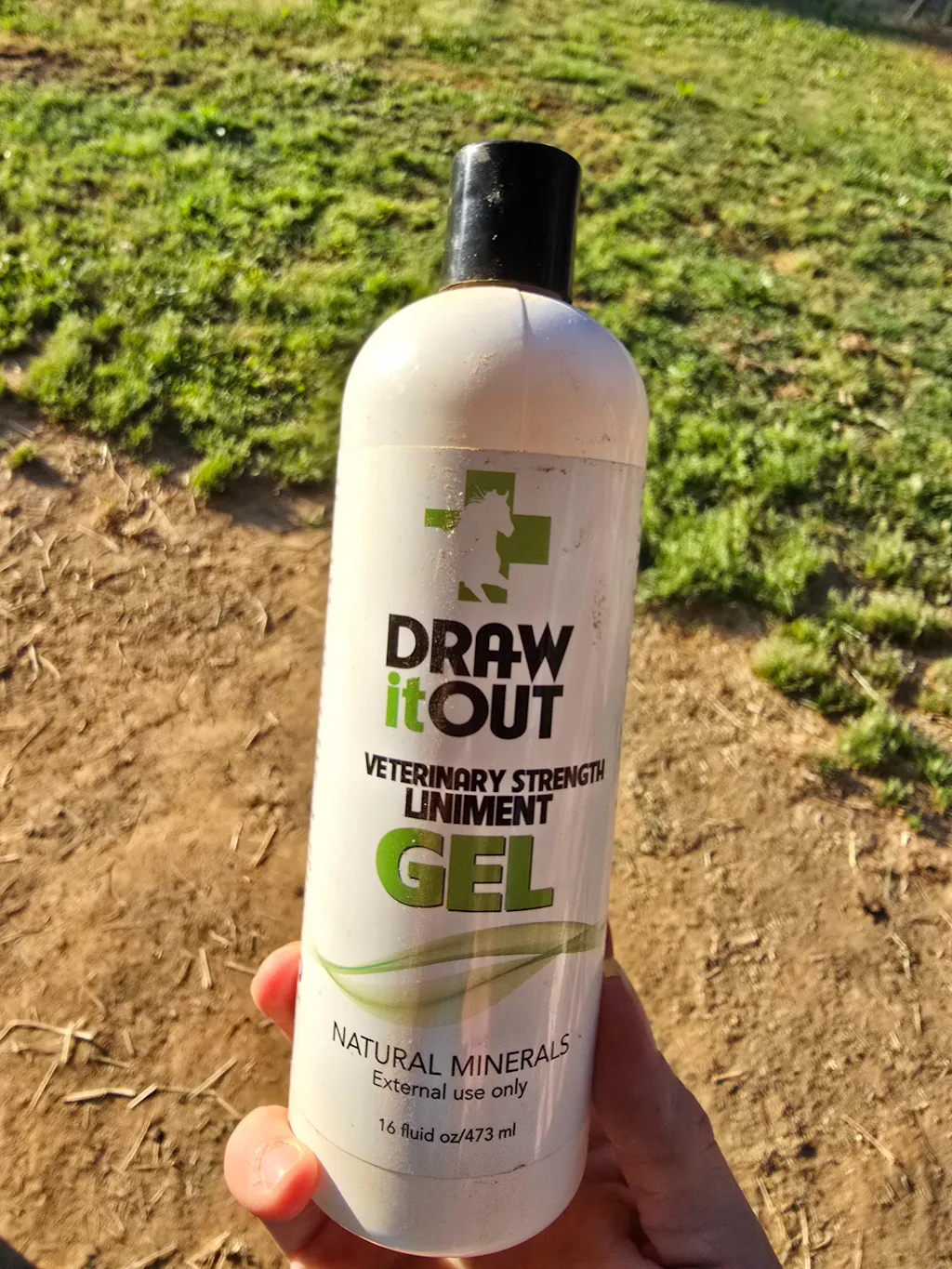
A topical format used for targeted external care routines on intact skin. Apply according to label directions and use professional care for injuries.Related: Draw It Out® 16oz Gel
Lymphangitis
Rapid painful swelling tied to the lymphatic system, often with heat and possible fever. Treat this as urgent veterinary territory.
M
MasterMudd™
A Draw It Out® poultice and bracing lane used for post-work and targeted routines according to label directions.Related: Shop MasterMudd™
Micro-ramps
Small, steady increases in workload during a return-to-work plan. Back down if heat, swelling, pain, or uneven movement appears.
N
Nasal ointment
A topical format used by some riders before hauling, work, or dust exposure as part of respiratory-support routines.Related: Breathe to Run®
O
Overnight stocking up
Even, cool lower-leg fullness after stall time. Movement often helps. Heat, pain, one-leg swelling, or lameness changes the concern level.
P
Pastern
The area between the fetlock and hoof. It is commonly used as a digital pulse landmark.
Poultice
A clay or mud-style topical used on clean, intact skin according to label directions, often in post-work routines.
Pre/post-ride care
The routine before and after work: check movement, warm up, cool down, inspect legs and feet, use products by label, and recheck.
Q
Quittor / fistula
A chronic infection or draining tract around the hoof or lower limb. This requires veterinary or farrier-directed care.
R
Recovery loop
A simple repeatable routine: cool, check, apply the right product if needed, allow proper contact time, and recheck.Related: Recovery Loop
Red flags
Signs that are not routine product questions: severe pain, heat with lameness, strong pulse, fever, punctures, deep wounds, rapid swelling, or worsening symptoms.
RTU spray
Ready-to-use spray format for faster or broader topical coverage according to label directions.Related: Draw It Out® RTU Spray
S
Scratches
Lower-limb dermatitis often tied to moisture, irritation, or environment. Keep the area clean and dry and call your veterinarian for painful, spreading, or infected-looking cases.
Show-safe
A routine or product choice that fits event expectations and current rulebooks. Always check your discipline, association, and event rules.
Standing wrap
A rest wrap using a quilt or padding layer and even tension. Recheck for heat, slipping, pressure, or swelling changes after application.
Stocking up
Even, cool lower-leg fill that often appears after stall time or travel and improves with movement. Do not confuse it with hot, painful, one-leg swelling.
Stifle
A major joint in the hind limb. Sticky transitions, reluctance to step under, or short stride can point to discomfort, weakness, or training issues.
Splint
A bony enlargement along the cannon region. New pain, heat, or lameness needs professional evaluation.
T
Tendon sheath
A fluid-filled sleeve around a tendon. Swelling here can look like windpuffs. Diagnosis belongs with your veterinarian.
Toe drag
Scuffing the toe during stride. Track whether it is one-sided, fatigue-related, footing-related, or persistent.
U
Unilateral vs. bilateral swelling
Unilateral means one leg. Bilateral means both. One hot, painful, swollen leg is generally more concerning than even cool fill in both legs.
V
Veterinary red flags
Heat with pain, bounding pulse, one-leg swelling, fever, non-weight-bearing, wounds, punctures, abnormal breathing, collapse, or rapid worsening. Call your veterinarian.
W
Windpuffs
Soft, often cool swelling near the fetlocks. Often cosmetic, but changes with heat, pain, or lameness deserve attention.
Withers
The top of the shoulder/back area where saddle fit and sensitivity are often assessed.
Wrap method
A repeatable process for safe standing wraps: smooth padding, even tension, proper overlap, clean materials, and rechecks.Related: Wrap Method Guide

Educational content only. Draw It Out® product education supports owner decision-making and routine care. It does not diagnose, treat, cure, or prevent disease. Follow product labels and consult your veterinarian or farrier for medical concerns.

Draw It Out®

Show-Safe Relief. Naturally.

We build every product for real riders who care as much as we do. No burn, no sting, no nonsense. Just clean, sensation-free relief built for real horses, real barns, and repeatable routines.

From barn aisle to show ring, Draw It Out® stands for one simple promise. Modern Performance, Proven Calm.

Start Here

Not sure what to do next?

Pick the fastest next step. If you already know what you need, jump straight to the right lane.

Routine first

Built for repeatable routines, not hype.

Real riders

Made for everyday horse people who do the work.

Need help?

Need a quick pointer? Contact us.