Daily recovery
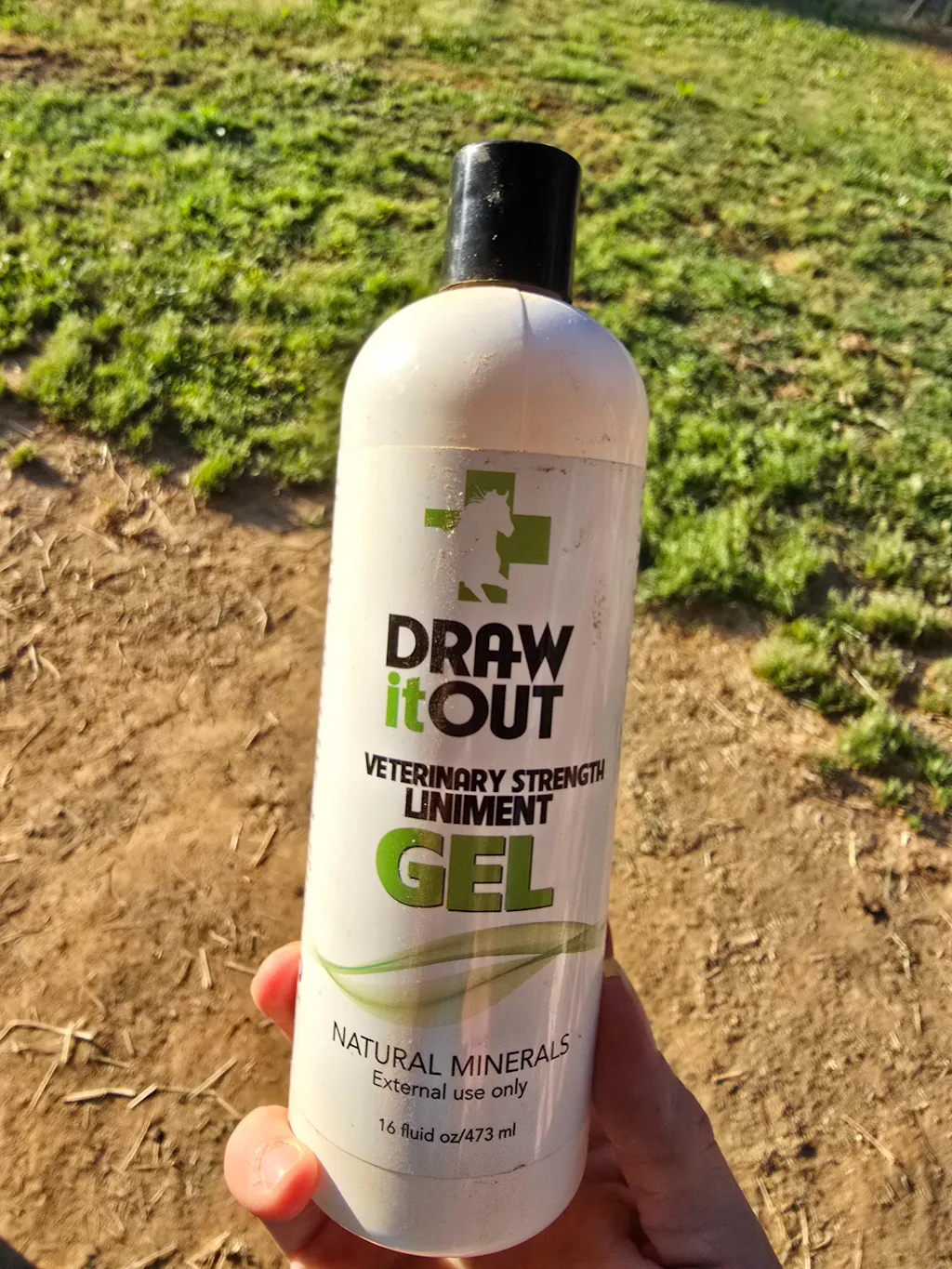
Liniment Gels
Explore the Draw It Out® liniment gel lineup for everyday use, post-work routines, and targeted recovery support.
Shop liniment gels
Introduction
In the realm of equine health and management, horse owners and caretakers face numerous challenges, with flies being one of the most persistent and troublesome adversaries. Among the various fly species that afflict horses, two of the most notorious are house flies (Musca domestica) and stable flies (Stomoxys calcitrans). These seemingly small pests can wreak havoc on your equine companion's well-being, causing irritation, discomfort, and even serious health issues. To effectively combat these foes, it is essential to understand their biology, habits, and the potential risks they pose to your horse's health.
The House Fly (Musca Domestica)
Appearance and Biology: The house fly is a common insect known for its grayish-black coloration, with four dark stripes running along its thorax. They are typically about 1/4 to 3/8 inches in length. House flies have sponging mouthparts that allow them to feed on a wide range of organic matter, including horse manure, food scraps, and decaying materials.
Habitat and Behavior: House flies are most active during the day and are typically found in and around barns, stables, and horse facilities. They reproduce rapidly, with a single female capable of laying up to 500 eggs in her lifetime. Their larval stage, known as maggots, develop in decaying organic matter, making manure piles and rotting hay ideal breeding grounds. House flies can quickly become a nuisance and potential disease vectors due to their constant movement between filth and food sources.
Health Risks: House flies are not only bothersome but also pose health risks to horses. They can transmit diseases like equine infectious anemia (EIA), which is a viral disease that can have serious consequences for horses. Additionally, their presence can lead to stress in horses, which can weaken their immune systems and make them more susceptible to other illnesses.
The Stable Fly (Stomoxys Calcitrans)
Appearance and Biology: The stable fly closely resembles the house fly but can be distinguished by its piercing-sucking mouthparts, which are used to feed on the blood of horses and other animals. Their bites are painful and can cause significant irritation. Stable flies are roughly the same size as house flies.
Habitat and Behavior: Unlike house flies, stable flies are more active during the daylight hours, particularly in warm and sunny conditions. They breed in decaying organic matter, such as wet straw bedding, spoiled hay, and even moist soil contaminated with manure. Stable flies often congregate around the lower legs and belly of horses, where they feed on their blood.
Health Risks: The primary concern with stable flies is their painful bites, which can lead to horses becoming agitated and restless. This can result in reduced feed intake and weight loss. Additionally, these bites can create open wounds that are susceptible to infections. In severe infestations, stable flies can also transmit diseases such as equine infectious anemia (EIA) and anthrax, further emphasizing the need for effective control measures.
Control and Prevention
Sanitation: The key to managing both house flies and stable flies is maintaining a clean and hygienic environment. This includes promptly removing manure from stalls and paddocks, disposing of spoiled hay and bedding, and eliminating any other potential breeding sites.
Fly Control Products: Various fly control products are available, including fly sprays, traps, and parasitic wasps (such as Muscidifurax raptor), which can help reduce fly populations.
Physical Barriers: Consider using physical barriers like fly masks, fly sheets, and leg wraps to protect your horse from fly bites.
Environmental Management: Implementing environmental modifications, such as fans in stables to disrupt fly activity, can be effective in reducing fly annoyance.
Biological Control: Introduce natural predators of flies, such as barn swallows and certain beneficial insects, to help keep fly populations in check.
Conclusion
House flies and stable flies may appear inconsequential, but their presence can lead to significant health and well-being challenges for horses. Understanding the biology, habits, and associated health risks of these flies is crucial for effective management and prevention. By implementing a comprehensive fly control program that includes sanitation, fly control products, and environmental management, horse owners can significantly improve their equine companion's quality of life and reduce the risk of disease transmission. Remember, in the battle against flies, knowledge is your most potent weapon.
This article gives you the background. If you are ready to put the idea into a real horse care routine, these are the next places most riders should go.
Explore the Draw It Out® liniment gel lineup for everyday use, post-work routines, and targeted recovery support.
Shop liniment gelsMatch your horse’s workload, age, routine, and care goals to the Draw It Out® products that make the most sense.
Use the finderLearn how riders support soundness, comfort, and consistency before little issues become bigger problems.
Read the guideReal Barn Proof
Real riders. Real horses. Real routines. These clips rotate automatically so the proof stays fresh without weighing the page down with a long feed.
Why this matters: good horse care should make sense outside the ad. These clips show the kind of everyday use that builds trust one barn at a time.
Further Reading
Horse care works better when the next step is clear. These related reads help connect today’s topic to better daily decisions in the barn.

Jun 01, 2026
A full Draw it Out Horse Health Care News guide to grullo horses, including grullo vs grulla, dun genetics, dorsal stripes, primitive markings...
Read article
Jun 01, 2026
Choosing a horse liniment gel without menthol or alcohol starts with comfort, control, and routine fit. This guide helps riders choose a pract...
Read article
May 31, 2026
A practical horse health guide for checking tack, body comfort, workload, hydration, legs, hooves, and routine changes when a horse acts diffe...
Read articleStart with the principle, then build the habit. The right article should make the next barn decision easier, not more complicated.
Next Step
Simple care guides, practical product paths, and rider-trusted tools built for real horses and real routines.
Good care gets easier when the next step is obvious. Read the guide, match the routine, then choose the format that fits how your barn actually works.
Recovery Routine
Want a smarter way to think through post-ride care, heat, swelling, leg support, and daily recovery decisions? Start with the Performance Recovery Hub.
Better recovery starts with a repeatable routine. The hub gives riders a clearer path from workload to product format to aftercare timing.
Rider Favorites
Four core Draw It Out® staples riders keep close for daily recovery routines, wash rack use, targeted support, and quick barn-side care.
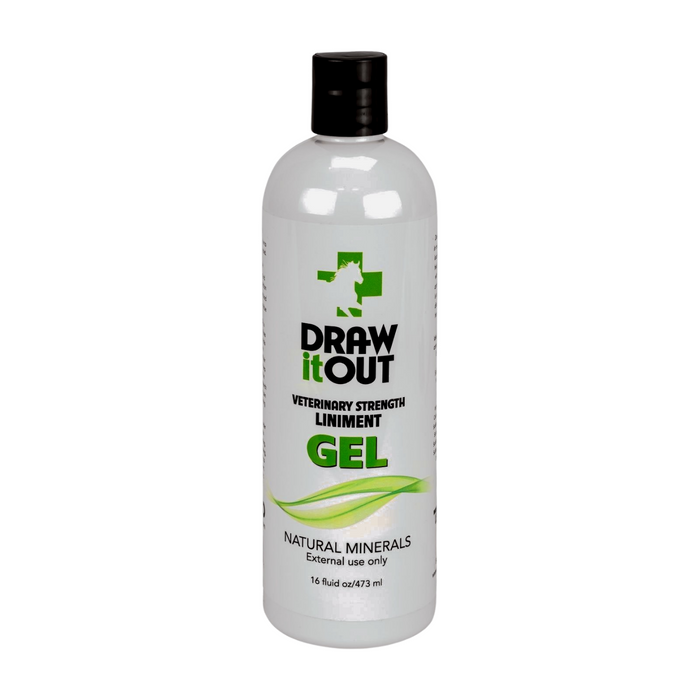
Stay-Put Gel
The everyday liniment gel format riders reach for when they want targeted, no-mess application.
View product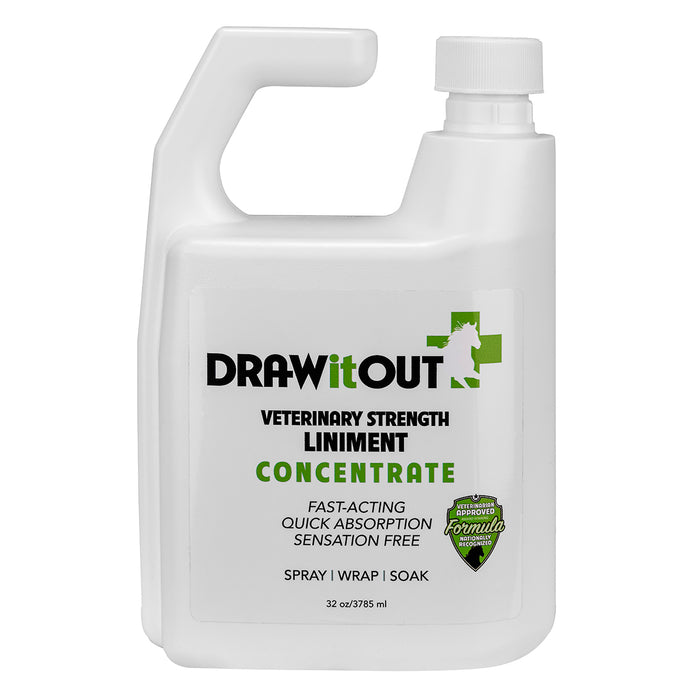
Mix Your Way
A flexible concentrate for riders who want to mix their own routine around workload and barn needs.
View product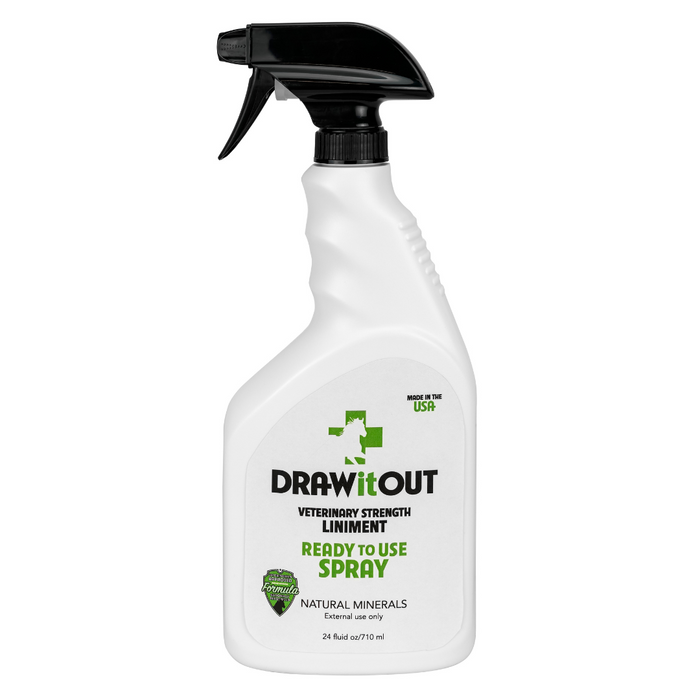
Ready To Use
A ready-to-use spray format for quick application after work, travel, turnout, or daily care.
View product
Cooling Brace
A cooling body brace spray for riders who want a fast, practical option after hard work or hot days.
View productFormat matters. Gel, concentrate, ready-to-use spray, and cooling spray each solve a different barn problem. Pick the one your routine will actually use.
!