Caring for an older horse is not only about managing decline. It is about recognizing that the rhythm changes. Warm up matters more. Recovery matters more. Small stiffness signals matter more. Missed days cost more. And in a lot of cases, the horse tells you the truth long before the calendar does.
That is why senior care works best when it gets calmer, not louder. Older horses usually do better with steadier routines, fewer gaps, more consistent movement, and support that fits daily life instead of forcing dramatic swings between doing too much and doing nothing at all.
The horse does not need drama. The horse needs fewer gaps.
What changes first in senior horses
For many older horses, the first changes are not dramatic breakdowns. They are quieter shifts. Slower warm up. More stiffness after standing. Less tolerance for rushed work. Longer recovery windows. More sensitivity to weather, footing, or routine disruption. These are the changes that matter because they are often the earliest clues that the horse needs a steadier kind of care.
Why routine matters more than intensity
Senior horses rarely benefit from erratic care. They usually do better with fewer surprises, more consistency, and support that can be used regularly without creating extra stress. That means longer, more honest warm up time, steadier mobility support, consistent turnout or movement, and routines that do not keep getting interrupted.
What tends to help senior horses most
- Longer, more honest warm up
- Steady mobility support
- Consistent turnout and movement
- Simple daily routines that do not get skipped
What tends to hurt senior horses most
- Rushed starts
- Big gaps between care days
- Overreaction after small setbacks
- Products that are too harsh for sensitive older tissue
Grooming still matters, but for a different reason
Grooming still matters for older horses, but the value is not mainly cosmetic. It is one of the easiest ways to watch for coat and skin changes, pressure points, rubs, swelling, soreness, and shifts in how the horse responds to touch. A calm grooming routine doubles as one of the best daily check-ins you have.
Senior horses often tell the truth in those quieter moments. They show you where they are stiff, where they are tender, and where they are still feeling good enough to lean into the routine.
Where product support should actually point
The best product route for senior horses is the one that supports the larger routine instead of distracting from it. Mobility support, calm daily application, comfort-focused care, and products built for repeat use make more sense here than a scattered page that jumps between unrelated categories.
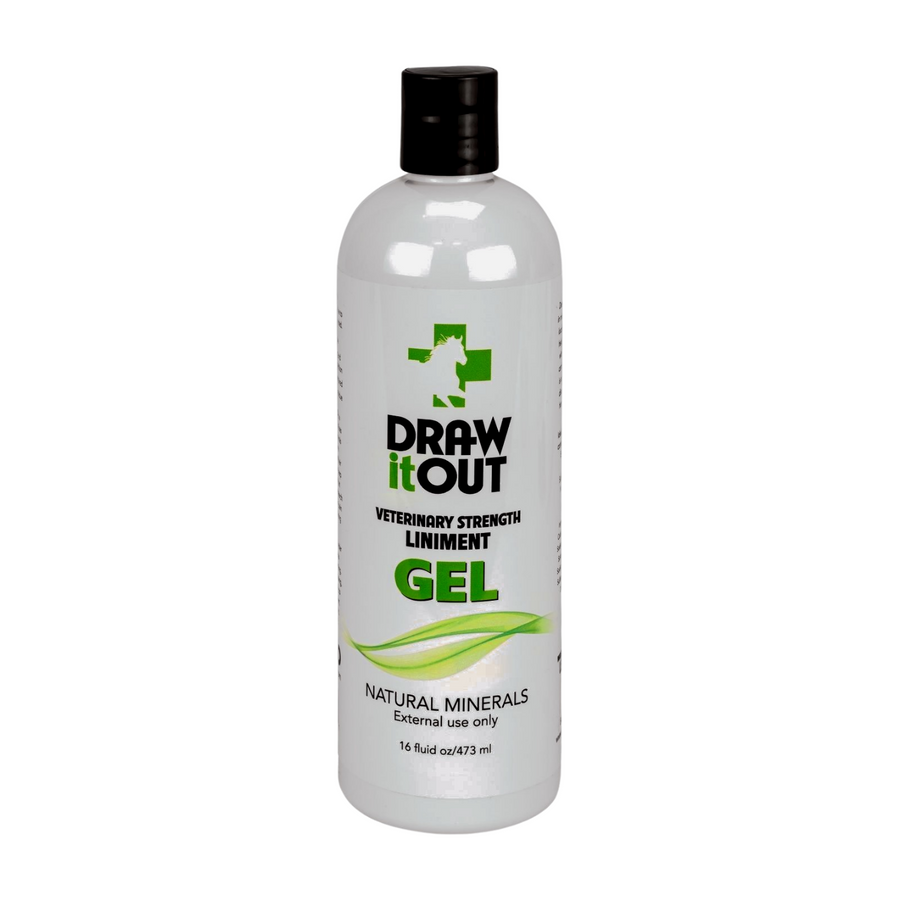
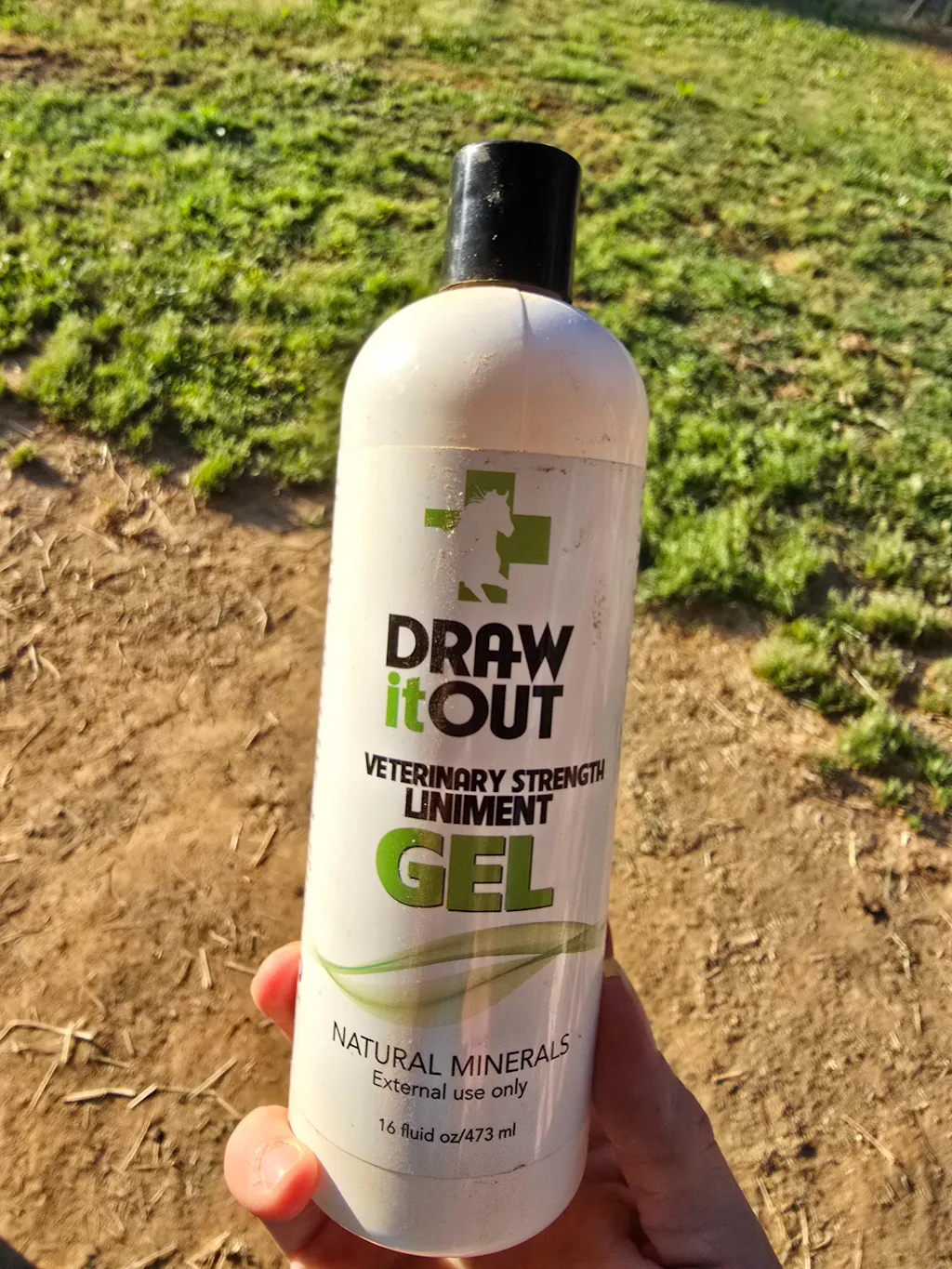
That is why the stronger handoff is your senior-horse care system itself, along with the senior-specific gel support page. Those routes align with what older horses actually need: comfort, mobility, daily use, calm application, and support that respects sensitivity.
Senior horses need observation, not sentimentality alone
Loving an older horse is not the same as observing one well. The best senior-care routines are built around what the horse is showing you now, not what it used to be able to do. That means noticing changes in stride, attitude, recovery, eating, grooming tolerance, and how quickly the horse finds comfort after work.
The goal is not to turn every small change into panic. The goal is to notice sooner, respond more steadily, and keep the horse as comfortable, confident, and supported as possible for as long as you can.
Where to go next
If you are building a better senior-horse routine, start with the pages already built for older horses instead of trying to piece it together from generic product copy.
Frequently asked questions
Why do senior horses need different care?
Because older horses usually have less margin for missed days, rushed warm ups, weather swings, and inconsistent recovery routines. Small gaps tend to cost more.
What matters most in a senior-horse routine?
Consistency. Calm mobility support, honest warm up time, repeatable grooming and observation, and fewer disruptions usually matter more than dramatic interventions.
Is grooming still important for older horses?
Yes. It helps with coat and skin maintenance, but it is also one of the best ways to spot soreness, swelling, rubs, and subtle changes early.
What Draw It Out® page is the best next stop for senior horses?
The dedicated Senior Horse Care page is the strongest first stop, followed by the senior-specific care guide and the DiO Gel™ senior support page.
Why remove the old Rapid Relief focus from this page?
Because the slug intent is senior-horse care overall, not one skin product. The stronger route is the broader senior-care framework built around comfort, mobility, and daily support.