Warmup changes
Older horses may need more walk time, larger figures, and fewer tight turns early in the ride.

Senior horse joint health
Joint care for an older horse is not a bottle. It is movement, feet, footing, weight, water, warmup, and knowing when yesterday’s normal is no longer today’s truth.
Quick answer: Senior horse joint care starts with daily checks: movement, turnout, hooves, footing, hydration, weight, saddle fit, warmup, workload, and next-day response. Topical products may fit only after the horse is checked and the target area is clean, dry, and intact.
Older horses need a system, not assumptions.
Older horses may need more time to warm up, more careful footing choices, tighter hoof-care routines, more attention to weight and topline, and more conservative workload decisions. That does not mean they cannot work, show, trail ride, or stay active. It means the routine needs to be honest.
The goal is not to pretend age is not there. The goal is to manage the horse in front of you well enough that small changes are seen early.
Older horses may need more walk time, larger figures, and fewer tight turns early in the ride.
Balance, farrier timing, traction, tenderness, and footing tolerance can become more noticeable.
Topline, weight, saddle fit, muscle tone, and back sensitivity can shift over time.
Next-day response may matter more than how the horse felt during the ride.
Water intake, manure, appetite, and weather shifts deserve closer daily attention.
Older horses often benefit from consistency, but not from mindless repetition.
Senior horse rule: Do not judge the horse by what they used to do. Judge the plan by how the horse handles it today and tomorrow.
Daily joint care is not only about joints. It is the whole system that affects how joints are loaded: feet, footing, weight, tack, movement, hydration, turnout, and workload.
| Check | What to watch | Why it matters |
|---|---|---|
| Movement | First steps, turns, backing, lead changes, stride length, willingness | Movement changes often show up before bigger problems get loud. |
| Hooves | Balance, farrier cycle, traction, loose shoes, cracks, tenderness, packed debris | Foot comfort changes how the entire horse moves. |
| Footing | Hard ground, deep footing, slick grass, mud, frozen ruts, uneven surfaces | Bad footing can make a normal workload cost too much. |
| Weight and topline | Loss of muscle, weight change, saddle fit changes, weaker topline | Changing body condition can alter workload tolerance and tack fit. |
| Hydration and appetite | Water intake, manure, appetite, dullness, chewing comfort | Whole-horse health affects movement and recovery. |
| Next-day response | Stiffness, fill, reluctance, attitude, back sensitivity after work | The day after work tells the truth about the day before. |
Consistent movement can be useful for many older horses, but “keep them moving” should not become an excuse to push through warning signs. Movement should be appropriate, safe, and adjusted to the horse.
For older horses, the foot often tells the story first. Hoof balance, traction, farrier timing, packed debris, sole tenderness, and ground conditions all affect how the horse loads the body.
Plain truth: You cannot topical-product your way out of bad footing or a foot problem.
As horses age, they can lose muscle, change shape, or carry themselves differently. A saddle or pad that worked last year may not tell the same story now.
Better question: Is this a joint issue, a foot issue, a tack issue, a workload issue, or a whole-horse issue?
Some senior horses start slower. That does not mean every change is harmless. Expected stiffness should improve with patient warmup and appropriate movement. Concerning stiffness does not.
Do not call it age when the horse is telling you something changed.
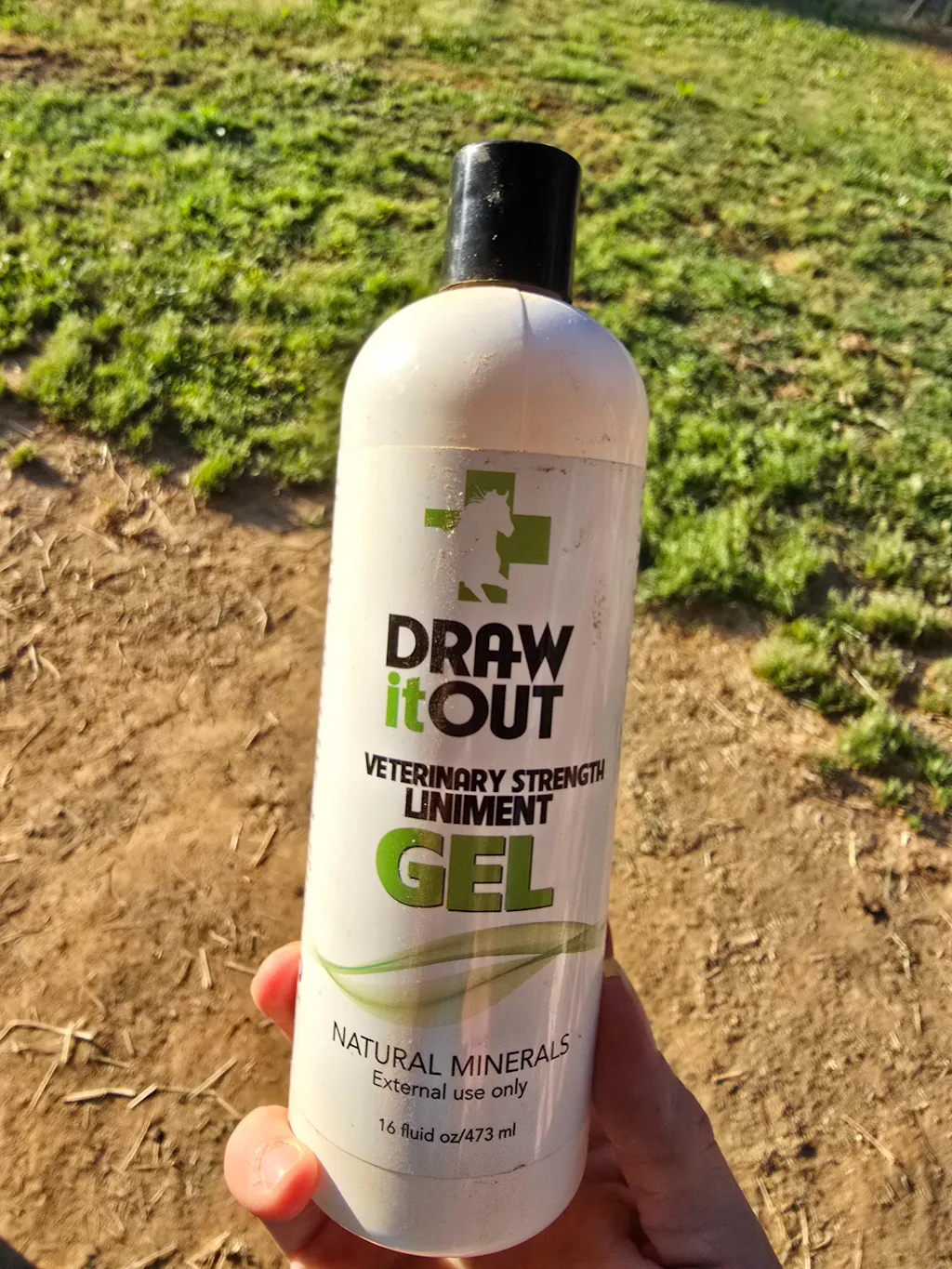
Draw It Out® 16oz liniment gel can fit a senior horse routine as a controlled, hands-on body-care step when the horse has been checked and the target area is clean, dry, and intact.
It should not be framed as joint treatment, pain relief, circulation support, stiffness prevention, soreness recovery, or a substitute for veterinary care. Use it as one practical routine step when the horse is appropriate for routine care.
Senior horse joint care works best with a team. The earlier you involve the right person, the less you have to guess.
Prehabilitation for senior horses is not about pretending age does not matter. It is about building a system that respects age before age becomes an emergency.
That system includes warmup, cooldown, hoof care, leg checks, hydration, workload decisions, tack fit, turnout, body checks, and product use only where the routine fits.
Daily observation, safe movement, good footing, hoof care, hydration, body condition, saddle fit, appropriate workload, and professional guidance when needed all matter.
Many senior horses benefit from appropriate, consistent movement, but movement should fit the horse, footing, health history, and next-day response. Do not force movement through warning signs.
Concerning signs include lameness, heat, swelling, sharp pain, worsening movement, fever, dullness, hoof pain, appetite changes, or behavior changes.
Hoof balance, traction, farrier timing, packed debris, sole tenderness, and footing can all affect how an older horse moves and loads the body.
Liniment gel can fit a senior horse routine when the horse is sound, acting normal, and the target area is clean, dry, and intact. It should not replace veterinary care, farrier care, warmup, or workload adjustment.
Call your veterinarian for lameness, heat, swelling, pain, fever, weakness, abnormal behavior, appetite changes, water intake concerns, weight loss, breathing changes, or stiffness that is new, worsening, or uneven.
This page is the broad senior joint-health hub. The senior liniment page focuses specifically on where liniment gel fits in a senior horse daily-care routine.
For controlled, targeted body-care routines on clean, dry, intact skin after senior horse checks, Draw It Out® 16oz liniment gel is the practical starting point.
It is movement, feet, footing, weight, water, warmup, workload, and knowing when yesterday’s normal is no longer today’s truth. Use Draw It Out® where routine support fits, and call the right professional when the horse tells you more is going on.
This article gives you the background. If you are ready to put the idea into a real horse care routine, these are the next places most riders should go.
Explore the Draw It Out® liniment gel lineup for everyday use, post-work routines, and targeted recovery support.
Shop liniment gelsMatch your horse’s workload, age, routine, and care goals to the Draw It Out® products that make the most sense.
Use the finderLearn how riders support soundness, comfort, and consistency before little issues become bigger problems.
Read the guideReal Barn Proof
Real riders. Real horses. Real routines. These clips rotate automatically so the proof stays fresh without weighing the page down with a long feed.
Why this matters: good horse care should make sense outside the ad. These clips show the kind of everyday use that builds trust one barn at a time.
Further Reading
Horse care works better when the next step is clear. These related reads help connect today’s topic to better daily decisions in the barn.
May 23, 2026
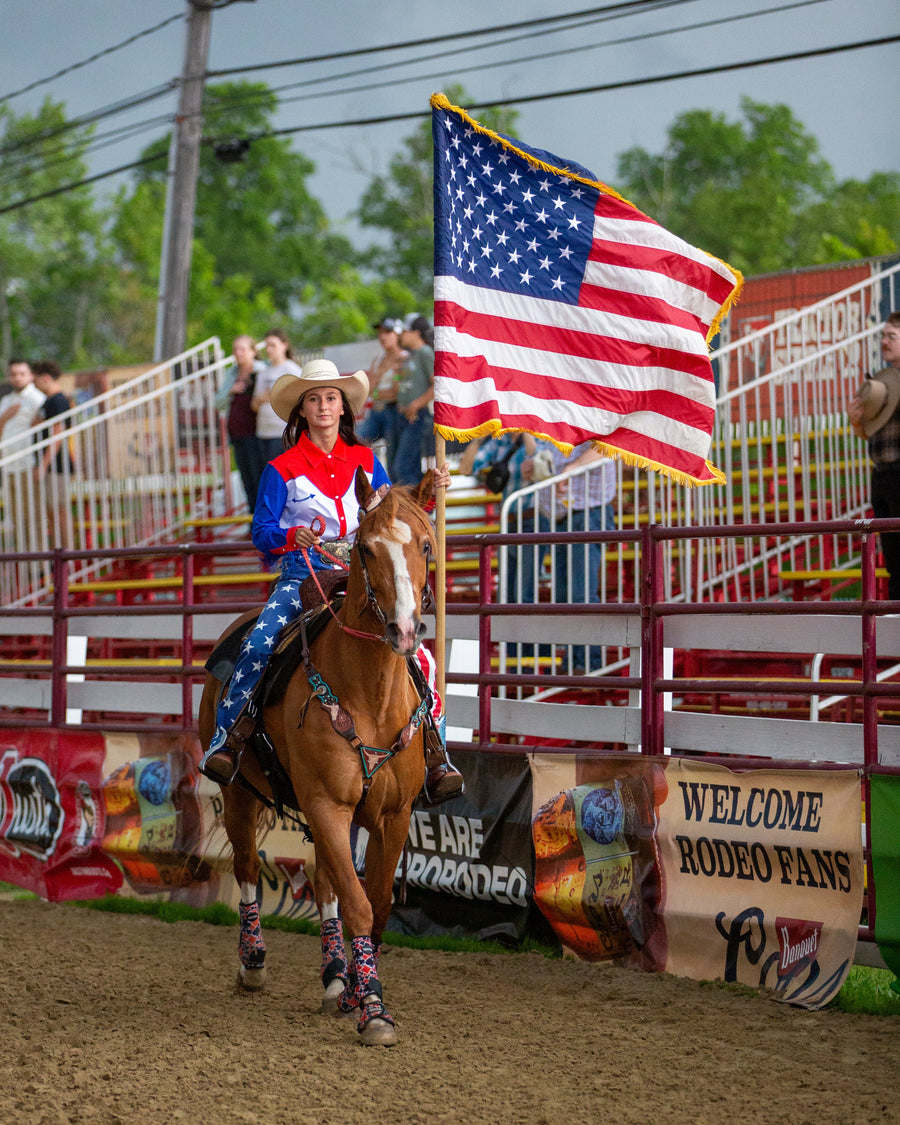
A respectful Memorial Day weekend tribute from Draw It Out® honoring military horses, mounted service, caretakers, and the quiet trust of work...
Read article
May 22, 2026
Sweat patterns after hot weather work can tell you where to look next. Here is a practical post ride check for cooling, hydration, tack fit, a...
Read article
May 21, 2026
Dry weather can turn normal riding ground into a harder surface than horses are used to. Here is a simple post-ride leg and hoof check for rea...
Read articleStart with the principle, then build the habit. The right article should make the next barn decision easier, not more complicated.
Next Step
Simple care guides, practical product paths, and rider-trusted tools built for real horses and real routines.
Good care gets easier when the next step is obvious. Read the guide, match the routine, then choose the format that fits how your barn actually works.
Recovery Routine
Want a smarter way to think through post-ride care, heat, swelling, leg support, and daily recovery decisions? Start with the Performance Recovery Hub.
Better recovery starts with a repeatable routine. The hub gives riders a clearer path from workload to product format to aftercare timing.
Rider Favorites
Four core Draw It Out® staples riders keep close for daily recovery routines, wash rack use, targeted support, and quick barn-side care.
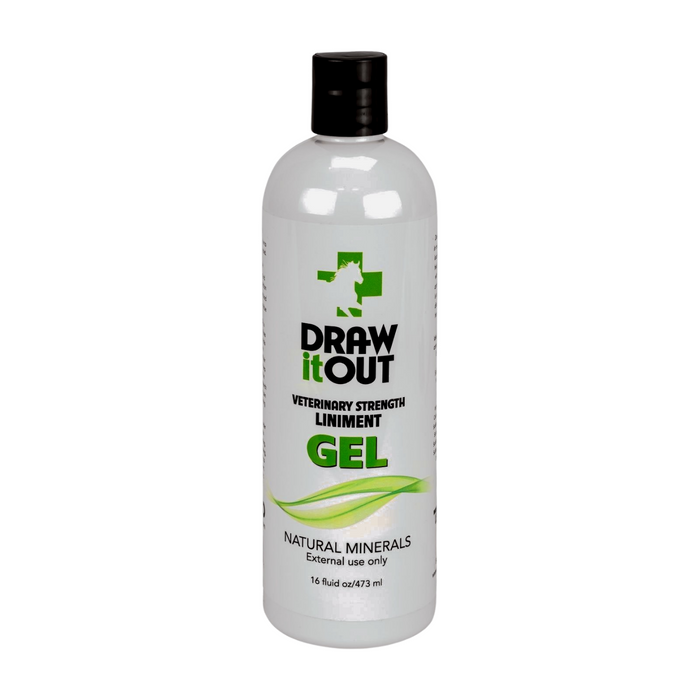
Stay-Put Gel
The everyday liniment gel format riders reach for when they want targeted, no-mess application.
View product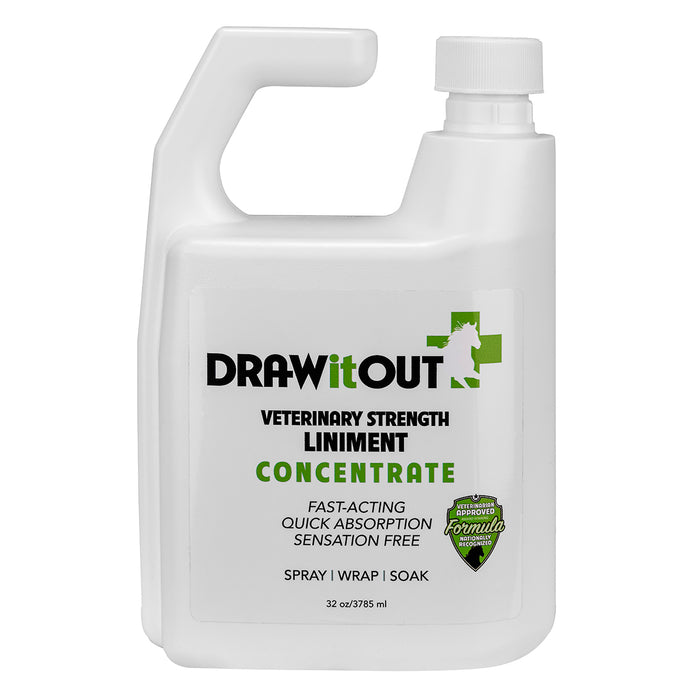
Mix Your Way
A flexible concentrate for riders who want to mix their own routine around workload and barn needs.
View product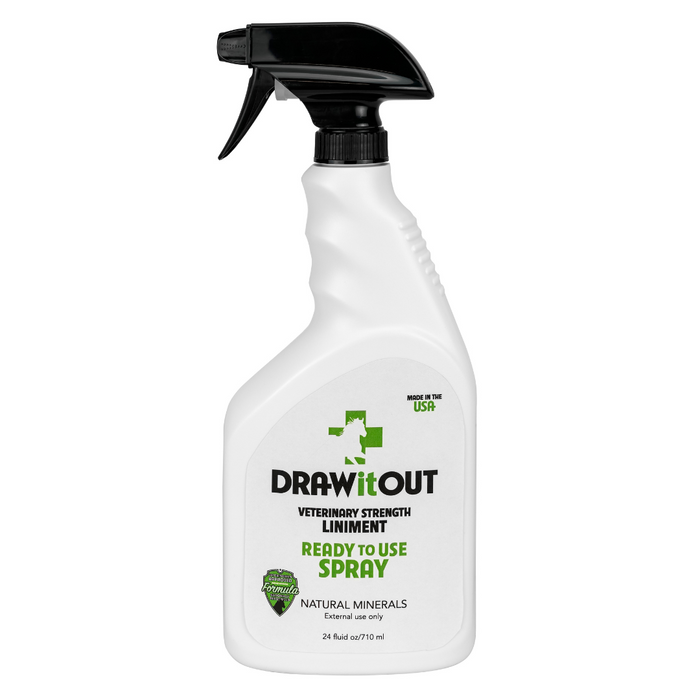
Ready To Use
A ready-to-use spray format for quick application after work, travel, turnout, or daily care.
View product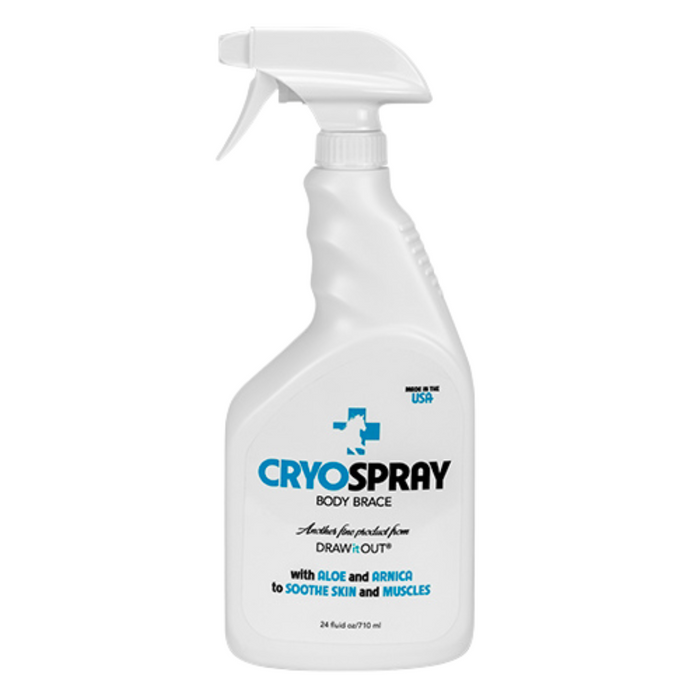
Cooling Brace
A cooling body brace spray for riders who want a fast, practical option after hard work or hot days.
View productFormat matters. Gel, concentrate, ready-to-use spray, and cooling spray each solve a different barn problem. Pick the one your routine will actually use.
!