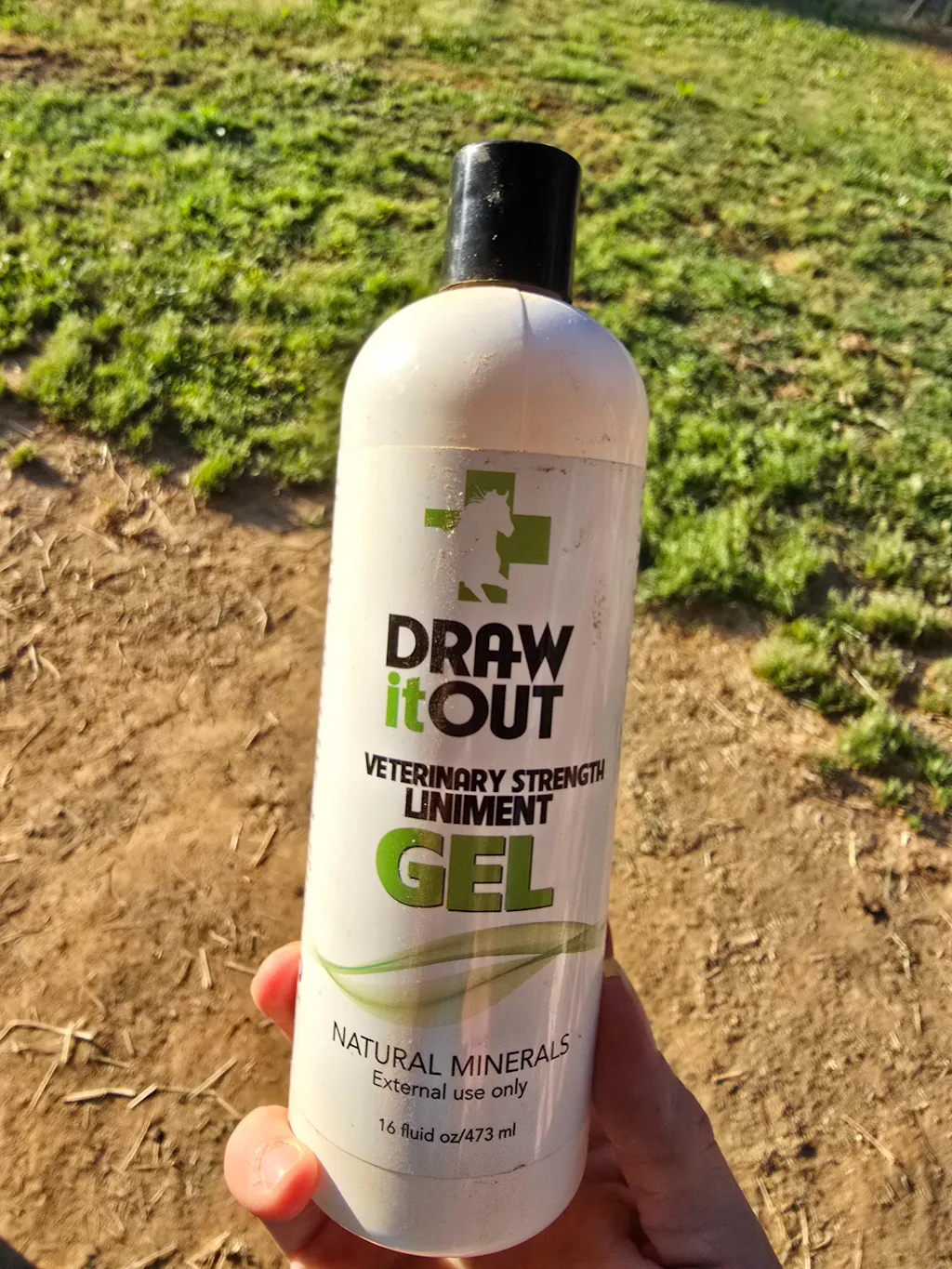
Draw It Out 16oz High Potency Gel
Sensation free support after work that fits modern heat management. Helps keep recovery calm so breathing and heart rate can settle without extra stimulation.
Shop the Gel
By Jon Conklin • Updated • 7 to 9 min read
Summer work does not have to be guesswork. Use a simple heat index formula, read the early signs of stress, and follow a calm repeatable cool down routine. Same horse, smarter plan, better outcomes. Modern performance with proven calm even when the temperature climbs.
The heat index combines air temperature in Fahrenheit with relative humidity. When both are high the body cannot release heat efficiently. That is when rides need to change or stop.
Quick mental check. If the temperature in Fahrenheit plus the humidity percentage is greater than about 150 and humidity is over 60 percent, treat it like orange or red. The horse will struggle to shed heat.
Heat management is a series of small smart adjustments. Use these as a guide.
The goal is to catch heat stress before it becomes an emergency. Watch for:
Emergency. If a horse is dull, wobbly, or not sweating in heat, start active cooling right away and contact your veterinarian. This article is general education and does not replace veterinary advice.
Use a simple repeatable pattern so everyone in the barn can cool horses the same safe way.
Hand walk in shade with the bridle or halter loosened. Offer small sips of cool but not ice cold water every few minutes.
Hose large muscle groups such as neck, shoulders, back, flank, and hindquarters. Scrape immediately so water does not trap heat, then repeat until breathing and heart rate improve.
Use safe barn fans to move air across the body. Aim for a steady breeze over the barrel and hindquarters not directly into eyes or nostrils.
Once the horse is cool and mostly dry you can apply sensation free support to high motion areas if appropriate. Then allow quiet time in a shaded stall or paddock with fresh water.
A consistent barn plan takes pressure off riders and staff during hot weeks.
Note. This article gives general guidance. Always follow the advice of your own veterinarian for your horse, climate, and discipline.
Sensation free support after work that fits modern heat management. Helps keep recovery calm so breathing and heart rate can settle without extra stimulation.
Shop the GelClean focused support for high motion areas through multi day heat stretches and busy show schedules. No heat and no sting.
Explore MasterMuddBarrier supportive care for cannon bones and pasterns when sweat dust and repeated hose sessions try to break the skin down.
Learn about SilverHoofNote. Avoid using topical products close to eyes or delicate mucous membranes and always follow label directions.
If you want a printable heat index chart and recovery checklist for your tack room you can reach out to our team. We can help you tailor a plan to your climate and schedule.
Move to shade, walk the horse, use hose and scrape cycles over large muscles, keep air moving over the body, and offer small sips of cool water often. Contact your veterinarian if recovery is slow or the horse seems distressed.
Yes. Apply cool or cold water to large muscle groups and scrape immediately so water does not trap heat. Repeat until breathing and temperature trend toward normal. Always follow your veterinarian’s guidance for your situation.
Shorten rides, increase walk breaks, ride during cooler hours, and focus on light technical work instead of intense conditioning. If the heat index is above about 105, skip ridden work and prioritize hand walking and cooling.
The flagship gel is sensation free and trusted by many competitive riders as part of their warm weather routines. Rules can change, so always confirm current regulations for your association, show, and discipline before competition.
This article gives you the background. If you are ready to put the idea into a real horse care routine, these are the next places most riders should go.
Explore the Draw It Out® liniment gel lineup for everyday use, post-work routines, and targeted recovery support.
Shop liniment gelsMatch your horse’s workload, age, routine, and care goals to the Draw It Out® products that make the most sense.
Use the finderLearn how riders support soundness, comfort, and consistency before little issues become bigger problems.
Read the guideReal Barn Proof
Real riders. Real horses. Real routines. These clips rotate automatically so the proof stays fresh without weighing the page down with a long feed.
Why this matters: good horse care should make sense outside the ad. These clips show the kind of everyday use that builds trust one barn at a time.
Further Reading
Horse care works better when the next step is clear. These related reads help connect today’s topic to better daily decisions in the barn.

May 19, 2026
A practical horse health guide to checking girth-area sweat marks, hair flattening, rub risk, tack fit clues, and post-ride care before irrita...
Read article
May 18, 2026
A practical horse recovery kit checklist for tack rooms, trailers, show boxes, and everyday barn routines. Learn what to keep on hand, what to...
Read article
May 17, 2026
Learn the practical signs that a horse may need an easier day after work, travel, turnout, or training, plus a simple recovery routine for rea...
Read articleStart with the principle, then build the habit. The right article should make the next barn decision easier, not more complicated.
Next Step
Simple care guides, practical product paths, and rider-trusted tools built for real horses and real routines.
Good care gets easier when the next step is obvious. Read the guide, match the routine, then choose the format that fits how your barn actually works.
Recovery Routine
Want a smarter way to think through post-ride care, heat, swelling, leg support, and daily recovery decisions? Start with the Performance Recovery Hub.
Better recovery starts with a repeatable routine. The hub gives riders a clearer path from workload to product format to aftercare timing.
Rider Favorites
Four core Draw It Out® staples riders keep close for daily recovery routines, wash rack use, targeted support, and quick barn-side care.
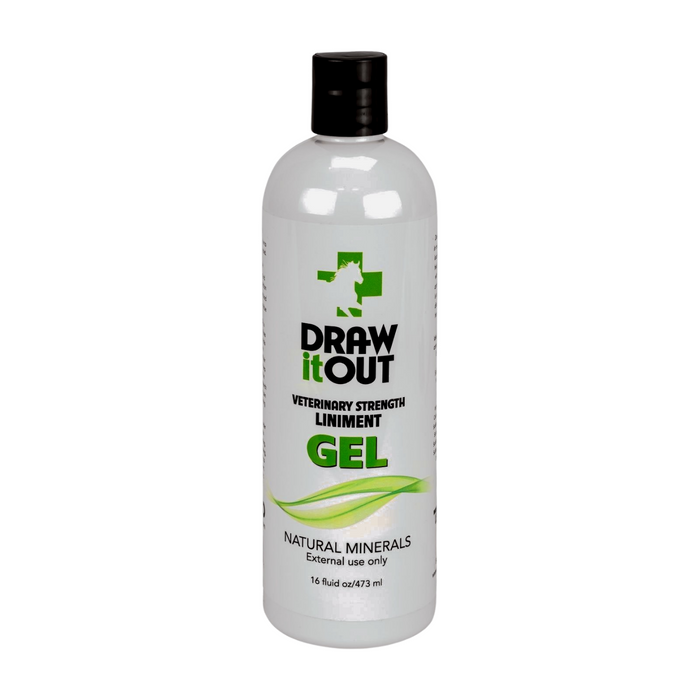
Stay-Put Gel
The everyday liniment gel format riders reach for when they want targeted, no-mess application.
View product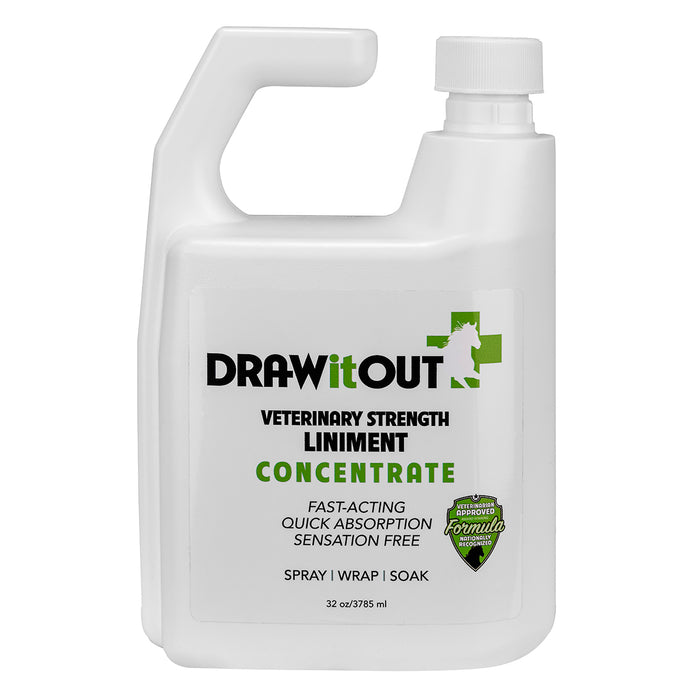
Mix Your Way
A flexible concentrate for riders who want to mix their own routine around workload and barn needs.
View product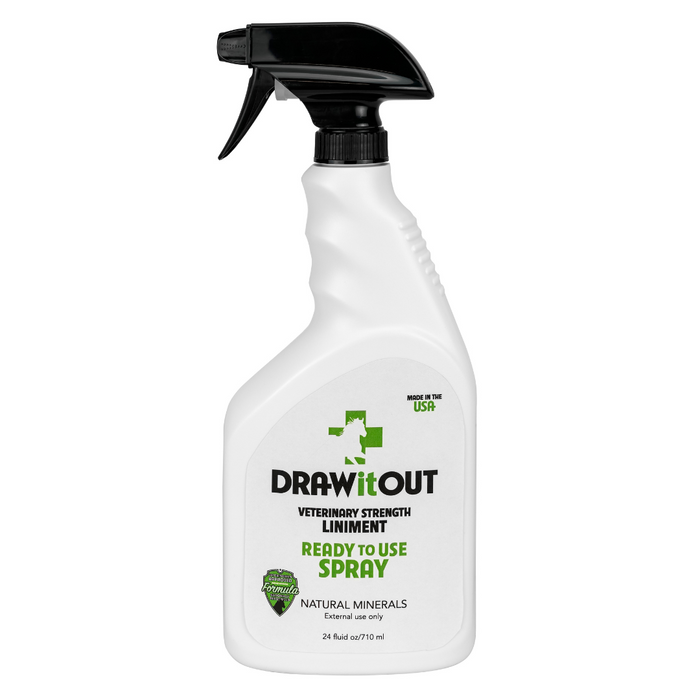
Ready To Use
A ready-to-use spray format for quick application after work, travel, turnout, or daily care.
View product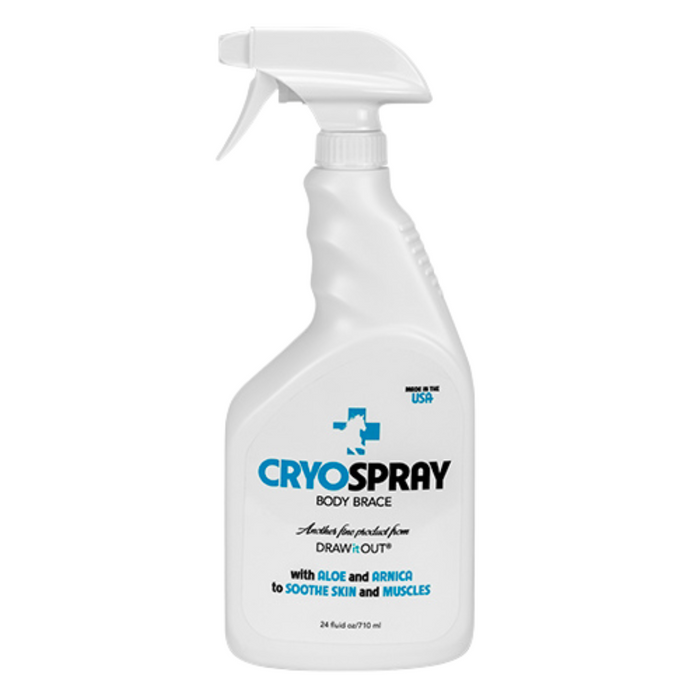
Cooling Brace
A cooling body brace spray for riders who want a fast, practical option after hard work or hot days.
View productFormat matters. Gel, concentrate, ready-to-use spray, and cooling spray each solve a different barn problem. Pick the one your routine will actually use.
!