Dog Check After Tall Grass: Burrs, Ticks, Seeds, and Skin Irritation
A simple post-walk routine for dogs that run through grass, weeds, brush, pastures, ditches, fence lines, and barn lots.
Short answer: After your dog runs through tall grass, check the paws, toes, belly, armpits, groin area, ears, collar line, tail base, and coat for burrs, seed heads, ticks, dampness, redness, rubbing, and repeated licking.
The goal is to find small things before they become buried in the coat, worked between toes, trapped under a collar, or missed until your dog starts chewing at the same spot later.
Tall grass looks harmless until your dog comes back with burrs in the coat, seed heads between toes, a tick tucked near the ear, or damp skin under the belly that nobody notices until bedtime.
Outdoor dogs do not need fussy care. They need repeatable care. Same check. Same order. No drama.
Why tall grass deserves a quick dog check
Tall grass, weeds, brush, and pasture edges create a perfect hiding place for small debris. Dogs push through it with their chest, belly, legs, face, ears, and tail. That means the problem areas are often underneath the dog, not on top where owners look first.
The practical rule: if your dog came through grass taller than their ankles, give them a quick hands-on check before they settle in.
Walks through pastures, ditches, fields, or fence rows
Barn time around hay, shavings, weeds, and dust
Training, hiking, camping, hunting, or trail rides
Wet grass, morning dew, rain, irrigation, or mud
Heavy shedding seasons when debris hides in loose coat
Any outing where your dog starts licking, chewing, shaking, or rubbing afterward
Where to check after tall grass
1. Between the toes
Spread the toes gently and look for seeds, burrs, mud, tiny sticks, gravel, redness, or damp hair.
2. Paw pads and lower legs
Check the pads, dewclaws, and feathering. Grass awns and burrs can hide where coat changes direction.
3. Belly and armpits
Lift the front legs gently and look underneath. Damp grass, pollen, mud, and friction can collect in warm hidden areas.
4. Ears and ear edges
Look around the outside of the ears and ear edges for ticks, seed heads, burrs, and scratching. Do not push anything deep into the ear canal.
5. Collar and harness line
Remove gear and part the coat. Debris and moisture can sit under straps, especially after a long walk or truck ride home.
6. Tail base and rear legs
Dogs brush through weeds with their rear end and tail. Check the tail base, backs of legs, and longer coat behind the thighs.
The 10-minute post-grass routine
Start with a calm hands-on scan. Run your hands over the coat before brushing.
Check paws first. Look between toes, around nails, under dewclaws, and along paw pads.
Remove loose debris gently. Pick out burrs, seed heads, weeds, and grass. Do not yank mats against the skin.
Use the right brush or comb. Work from the outside of the coat inward. Stop if your dog shows pain.
Clean what is dirty. Use a clean damp cloth or a proper wash routine when the dog comes back dusty, muddy, sticky, or smelly.
Dry hidden areas. Pay attention to armpits, belly, paws, and collar lines.
Watch for licking later. If your dog keeps returning to the same spot, check that spot again.
Quick check table
Area
What to look for
First move
Between toes
Seeds, burrs, mud, redness, licking
Remove debris gently and dry the area
Belly
Damp coat, weeds, dirt, irritated spots
Clean, dry, and recheck later
Armpits
Friction, trapped moisture, harness rub
Remove gear and part the coat
Ears
Ticks, burrs, scratching, head shaking
Check outside and call vet for deep ear concerns
Collar line
Debris, odor, rubbed hair, pressure marks
Remove collar during rest when safe
Tail base
Chewing, burrs, flakes, irritation
Part coat and check closely
A note on ticks
Tall grass and brush can increase tick exposure. Check the ears, face, neck, collar line, armpits, groin area, between toes, and tail base after outdoor time.
If you find a tick, remove it carefully with proper tick removal guidance or call your veterinarian. Watch the area afterward and contact your vet if your dog becomes lethargic, sore, feverish, swollen, lame, or otherwise off.
Where K9 Advanced™ fits
Outdoor dog care should start with looking, cleaning, and drying. Products support the routine. They do not replace the check.
Do not ignore repeated licking after a grass walk.
Do not pull burrs hard against the skin.
Do not trap damp coat under collars, harnesses, shirts, wraps, or bedding.
Do not put products into eyes, ears, mouth, nose, mucous membranes, or deep open wounds.
Do not assume a limp after tall grass is always age or soreness. Check the paws first.
When to call the vet
Call your veterinarian if your dog has swelling, bleeding, discharge, strong odor, obvious pain, a foreign object stuck in the skin, a suspected grass awn, deep ear irritation, sudden limping, fast-spreading redness, or repeated chewing that does not stop.
Also call if your dog is lethargic, feverish, not eating, vomiting, unusually weak, or acting seriously off after outdoor exposure.
What should I check after my dog runs through tall grass?
Check between the toes, paw pads, belly, armpits, groin area, ears, collar line, tail base, and longer coat for burrs, seeds, ticks, dampness, dirt, redness, or repeated licking.
Why does my dog lick after walking through grass?
Licking can come from debris, dampness, irritation, friction, allergies, insect exposure, discomfort, or a foreign object. Repeated licking in the same spot deserves a closer look.
Can burrs bother a dog if they are only in the coat?
Yes. Burrs can pull hair, create mats, rub the skin, or hide closer to the body than they first appear. Remove them gently and check the skin underneath.
Should I bathe my dog after tall grass?
Not always. Sometimes a hands-on check, debris removal, wipe down, and drying are enough. Bathe when the coat is dirty, sticky, smelly, muddy, or carrying outdoor buildup.
When is tall grass exposure a vet issue?
Call your veterinarian for swelling, bleeding, discharge, strong odor, deep ear irritation, sudden limping, a stuck foreign object, suspected grass awn, fast-spreading irritation, or if your dog acts sick or unusually uncomfortable.
Where to go next: Build your routine around the full K9 Advanced™ Dog Care collection, then keep the check simple enough that you will actually repeat it.
K9 Advanced™ Dog Care
Find the right dog care path
Start with what you are seeing today, then move into the routine that fits. These guides help dog owners sort through everyday stiffness, dry noses, skin stress, and post-activity recovery support.
Start with the issue in front of you, then build a cleaner daily routine around it. This hub helps dog owners move from skin, nose, paw, and recovery questions into the right K9 Advanced™ care path.
Find the right starting point
Move from scattered searching into a clearer care path based on what your dog needs today.
Build a simple routine
Explore practical support for noses, skin, paws, post-activity comfort, and daily care.
Stay in the K9 lane
Keep the focus on dog-specific care pages and K9 Advanced™ products built for real daily use.
These K9 Advanced™ options fit the care path you are reading about now. Start with the closest match, then browse the full dog-care lineup when you want the wider routine.
K9 TheraMud™
Topical support for dry, rough, or irritated areas that need a simple daily routine.
Выбор элемента приводит к полному обновлению страницы.
DRAW IT OUT® HORSE HEALTH CARE SOLUTIONS
Made for riders who expect things to work.
Purposefully designed formulas for horses, dogs, and the people who care for them. Practical products, real education, and support built for everyday barns.
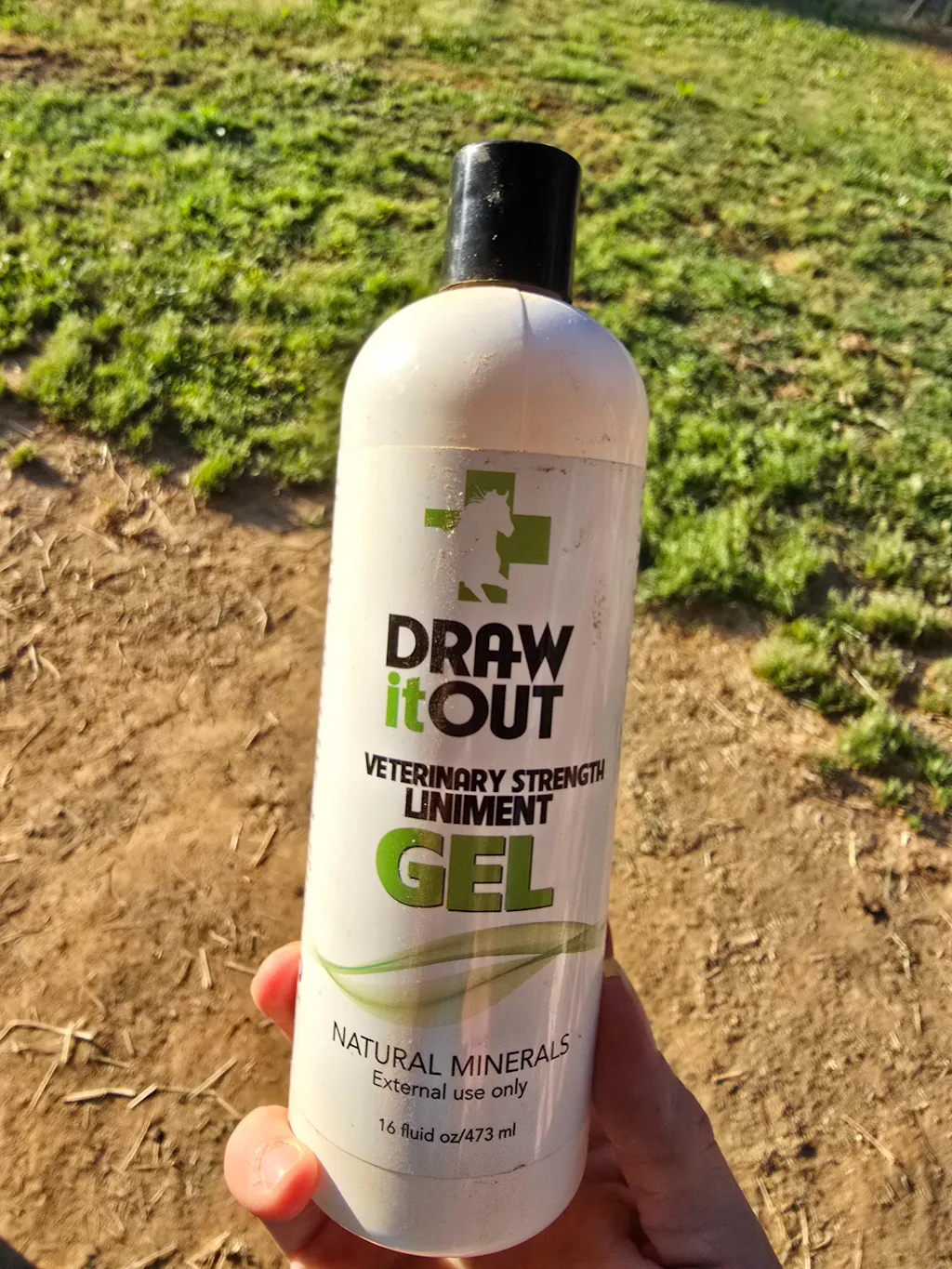
I've been using this gel for years. My horses love this product! As soon as they see the bottle come out I swear they smile. I've used it for soreness and inflammation I seen results pretty quick. I've used it before or after workouts and noticed it working both times.
Thank you so much, Crystal! Hearing that you’ve trusted Draw It Out® 16oz Liniment Gel for years means a lot to us. We love that it’s become part of your before-and-after workout routine, and the image of your horses recognizing the bottle made our day. Appreciate you taking the time to share this.