Real Rider Resource
A 5 Minute Horse Trailering Routine Before You Load
Most hauling problems do not start after the horse steps off the trailer. They start when the day gets rushed. A simple routine before loading can help your horse arrive cleaner, calmer, and less stiff.

Quick answer
A good horse trailering routine starts before loading. Brush the horse, check common rub zones, apply liniment gel lightly to known tight areas, use spray for broader coverage if needed, then hand walk after arrival before stalling. Keep the routine simple enough to repeat every time.
Why hauling makes horses feel tight
A trailer ride looks passive from the outside, but the horse is balancing the whole time. Standing still, shifting weight, bracing through turns, and waiting in traffic can leave backs, shoulders, hips, hocks, and lower legs feeling used before the ride even starts.
That is why the best travel care is not dramatic. It is boring, repeatable, and done early.
The 5 minute pre load routine
Brush first
Remove dirt, sweat, and bedding from the areas that will sit under shipping boots, sheets, wraps, or tack later. Clean skin makes every next step work better.
Check rub zones
Run your hands over shoulders, withers, girth area, hips, hocks, pasterns, and any place your horse has rubbed before.
Use liniment gel where placement matters
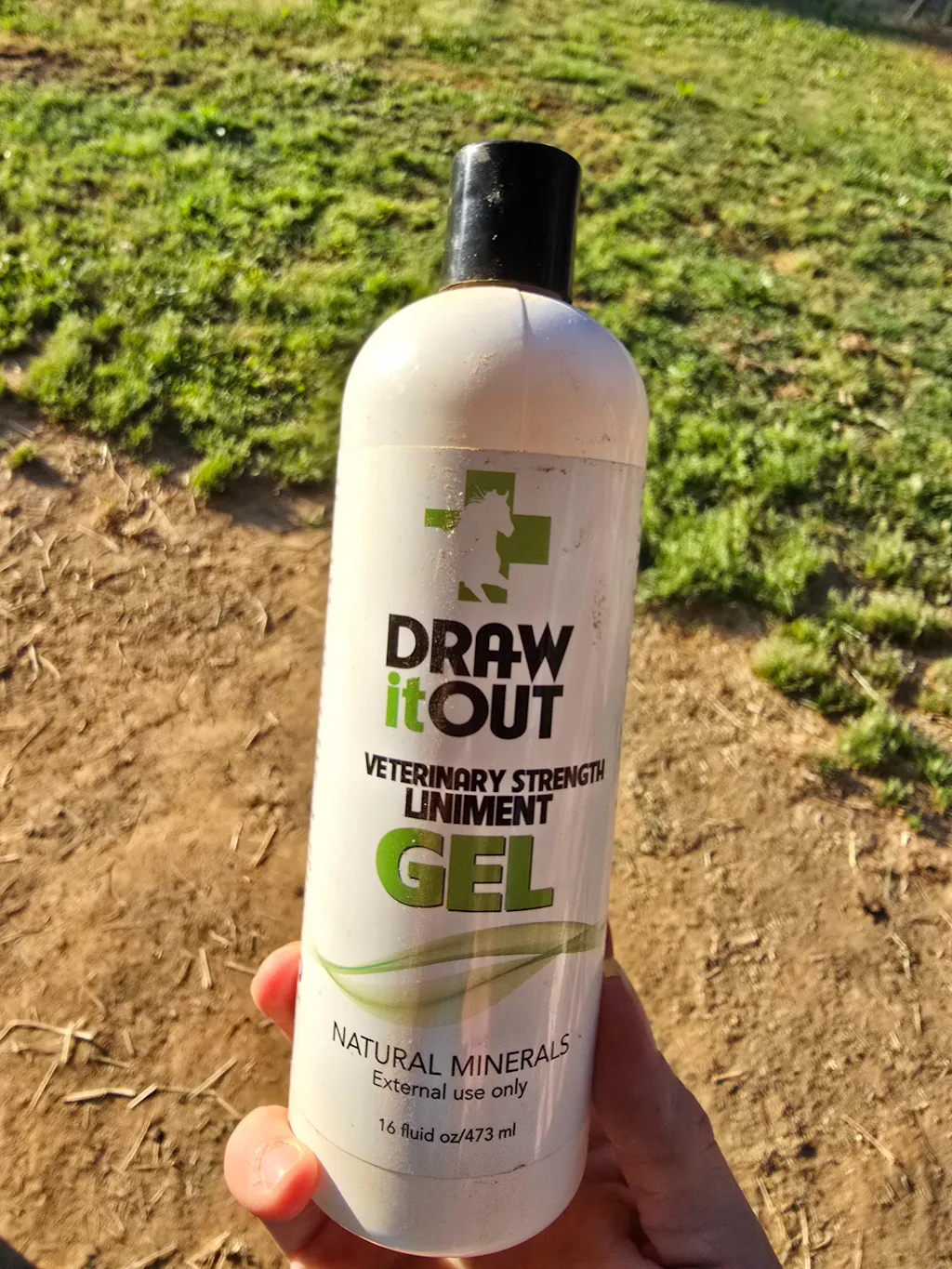
Apply a thin layer of Draw It Out® 16oz High Potency Liniment Gel to known tight areas. Think controlled placement, not coating the horse.
Use spray where speed matters
For larger areas like backs, hips, or legs, use Draw It Out® RTU Spray when you want faster, broader coverage without mixing.
Load without turning it into a production
The routine should make hauling feel normal. Finish the care, load calmly, and keep the horse’s day predictable.
At arrival: do this before the stall
Unload, let the horse look around, then hand walk for a few minutes. You are not training. You are letting the body come back online after standing and balancing in the trailer.
Simple rule: walk first, inspect second, stall third. That order keeps you from missing heat, rubs, swelling, or stiffness that only shows up once the horse starts moving.
Hot weather hauling
Heat changes the routine. After arrival, cooling and cleanup matter more. Use IceBath™ Cooling Body Wash as part of a rinse off routine on hot days, then scrape well so water does not sit in the coat.
For hydration planning around hauling and recovery, see Hydro Lyte™ horse electrolyte support.
What to keep in the trailer
Best when you want stay put placement on specific areas before or after hauling.
Best when you want fast coverage over larger areas without mixing.
Best for hot days, sweat cleanup, and cooling wash routines after travel.
Shop the full Draw It Out® liniment collection for daily care, travel routines, and recovery support.
When to call the vet
Normal travel stiffness should improve with walking, rest, and routine care. Call your veterinarian if your horse shows severe swelling, marked lameness, heat in one leg, distress, fever, refusal to bear weight, or anything that feels wrong for that horse.
FAQ
Should I apply liniment gel before trailering?
Yes, when your horse has known tight areas or you want controlled placement before loading. Use a thin layer on clean, dry skin.
Should I use spray or liniment gel for hauling?
Use liniment gel for targeted placement. Use RTU Spray when you want faster coverage over larger areas like legs, backs, hips, or shoulders.
What should I do first after unloading?
Hand walk. Let the horse loosen up, then inspect legs, rub zones, and overall movement before stalling.
Is stiffness after hauling normal?
Mild stiffness can happen after standing and balancing in a trailer. It should improve. If it is severe, one sided, hot, swollen, or unusual, call your veterinarian.
Build the routine before the trip
The best travel care is the one you actually repeat. Start with the Solution Finder, review the Prehabilitation guide, or shop the liniment collection.