Anhidrosis in horses heat sweat cooling habits and veterinary guidance


Real Rider Resource • Conditioning & Recovery

Anhidrosis in Horses: Understanding “No-Sweat” Syndrome & the Truth About Beer Therapy

Updated October 14, 2025 • 8–10 minute read
Horse being cooled with water and shade in hot weather

What Is Anhidrosis?

Anhidrosis—sometimes called “dry-coat” or “non-sweating”—is a partial or complete loss of the ability to sweat. Because horses rely on sweating for thermoregulation, non-sweating horses can overheat quickly in hot or humid weather.

Bottom line: Without sweat, heat can build fast. Early recognition and an evidence-based management plan are essential to protect performance and health.

Key Signs & Heat Risks

  • Dry or coarse coat after exercise; sweat may appear only in small patches (e.g., under the mane).
  • Elevated respiratory rate and heart rate; slow recovery after work.
  • Lethargy, decreased performance, heat intolerance—especially in hot/humid environments.

Risks: Unchecked overheating may progress to heat exhaustion or heat stroke. Act early and reduce workload during heat spikes.

Proven, Conventional Care

Environment & Schedule

  • Maximize shade, airflow (fans), and stall/aisle ventilation.
  • Ride at cooler times (dawn/dusk); shorten or postpone work on extreme days.

Hydration & Electrolytes

  • Offer cool, clean water at all times.
  • Use balanced electrolytes as directed to replace sweat losses during heat.

Active Cooling

  • Hose with cool water; scrape; repeat until temperature and respiration normalize.
  • Use misting, fans, and shaded recovery areas post-work.
Tip: Keep a cooling tote ready ringside—water, scraper, spare lead, digital thermometer, and a timing plan.

Beer Therapy: What the Evidence Says

You may hear that “beer helps non-sweaters” because of brewer’s yeast and B-vitamins. Current evidence is limited and mixed. Typical beer servings are unlikely to deliver meaningful nutrient levels for sweat function, and alcohol creates needless risk for some horses.

  • If you’re considering any trial, talk to your veterinarian first.
  • Prioritize proven measures: environmental control, workload adjustments, hydration/electrolytes, and aggressive cooling.

Cooling Protocol (Quick Checklist)

  1. Move to shade and airflow; remove tack.
  2. Hose cool water over neck, chest, and large muscle groups; scrape; repeat cycles.
  3. Offer cool water and rest; monitor respiration until back toward baseline.
  4. Resume light work only when horse recovers well; avoid peak heat windows.

Grooming Pick

ShowBarn Secret® Soothing Horse Shampoo with Lavender

Gentle, SLS-free cleansing that preserves natural oils and leaves the coat soft. Lavender’s calming scent helps make bath time more pleasant—especially useful when frequent cooling baths are part of your summer routine.

  • SLS-free, balanced cleansing
  • Lavender aromatics for a calmer bath
  • Helps keep skin/coat comfortable during frequent rinse-downs

Explore ShowBarn Secret® grooming →

Anhidrosis FAQ

Is there a cure for anhidrosis?

There’s no single proven cure. Most management focuses on environment, hydration/electrolytes, work timing, and active cooling. Work with your veterinarian to tailor a plan and monitor progress.

Can horses with anhidrosis still perform?

Many can perform with adjustments—cooler schedules, reduced intensity, and strict cooling protocols. In severe heat/humidity, postponing work may be the safest choice.

Does clipping help?

Body clipping can improve evaporative cooling for heavy-coated horses in hot seasons. Combine with shade, airflow, and water cooling for best results.

Which supplements help?

Discuss electrolyte plans and any targeted nutrients with your vet. Avoid adding multiple new products at once—change one variable at a time and track results.

When should I call the vet?

Call immediately if your horse shows signs of heat illness—collapse, unsteady gait, rapid breathing that doesn’t come down, or abnormal behavior. Early intervention matters.


Related Resources

Leave a comment

Please note, comments need to be approved before they are published.

Start here

Reading first? Here is the clean path.

This article gives you the background. If you are ready to put the idea into a real horse care routine, these are the next places most riders should go.

Daily recovery

Liniment Gels

Explore the Draw It Out® liniment gel lineup for everyday use, post-work routines, and targeted recovery support.

Shop liniment gels
Find the fit

Solution Finder

Match your horse’s workload, age, routine, and care goals to the Draw It Out® products that make the most sense.

Use the finder
Routine first

Prehabilitation

Learn how riders support soundness, comfort, and consistency before little issues become bigger problems.

Read the guide
Simple rule: read the article for context, use the Solution Finder for direction, then build the routine around the product format your horse will actually use consistently.

Real Barn Proof

What this looks like in real barns.

Real riders. Real horses. Real routines. These clips rotate automatically so the proof stays fresh without weighing the page down with a long feed.

Random rider clips

Why this matters: good horse care should make sense outside the ad. These clips show the kind of everyday use that builds trust one barn at a time.

Further Reading

Keep building the routine.

Horse care works better when the next step is clear. These related reads help connect today’s topic to better daily decisions in the barn.

Horse health news

Start with the principle, then build the habit. The right article should make the next barn decision easier, not more complicated.

Next Step

Keep your barn dialed in.

Simple care guides, practical product paths, and rider-trusted tools built for real horses and real routines.

Good care gets easier when the next step is obvious. Read the guide, match the routine, then choose the format that fits how your barn actually works.

Recovery Routine

Build a complete recovery routine.

Want a smarter way to think through post-ride care, heat, swelling, leg support, and daily recovery decisions? Start with the Performance Recovery Hub.

Better recovery starts with a repeatable routine. The hub gives riders a clearer path from workload to product format to aftercare timing.

Rider Favorites

Always in the kit.

Four core Draw It Out® staples riders keep close for daily recovery routines, wash rack use, targeted support, and quick barn-side care.

Core barn staples
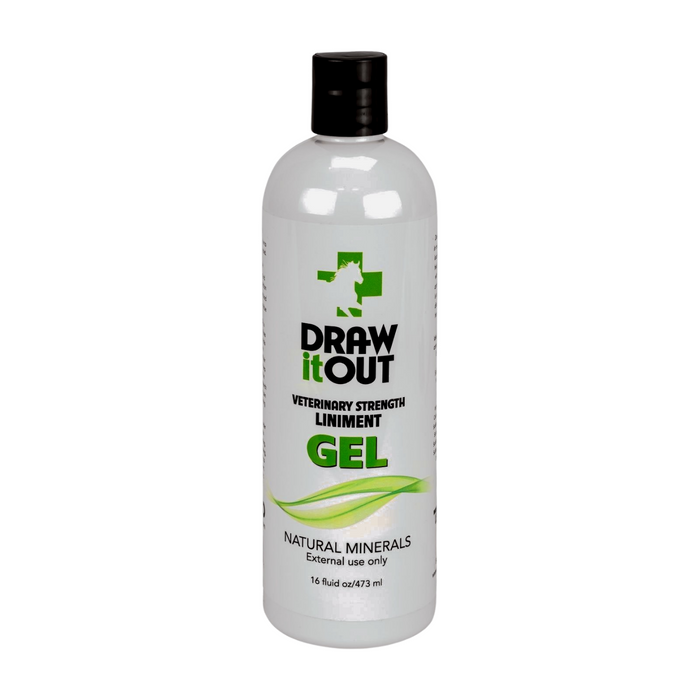
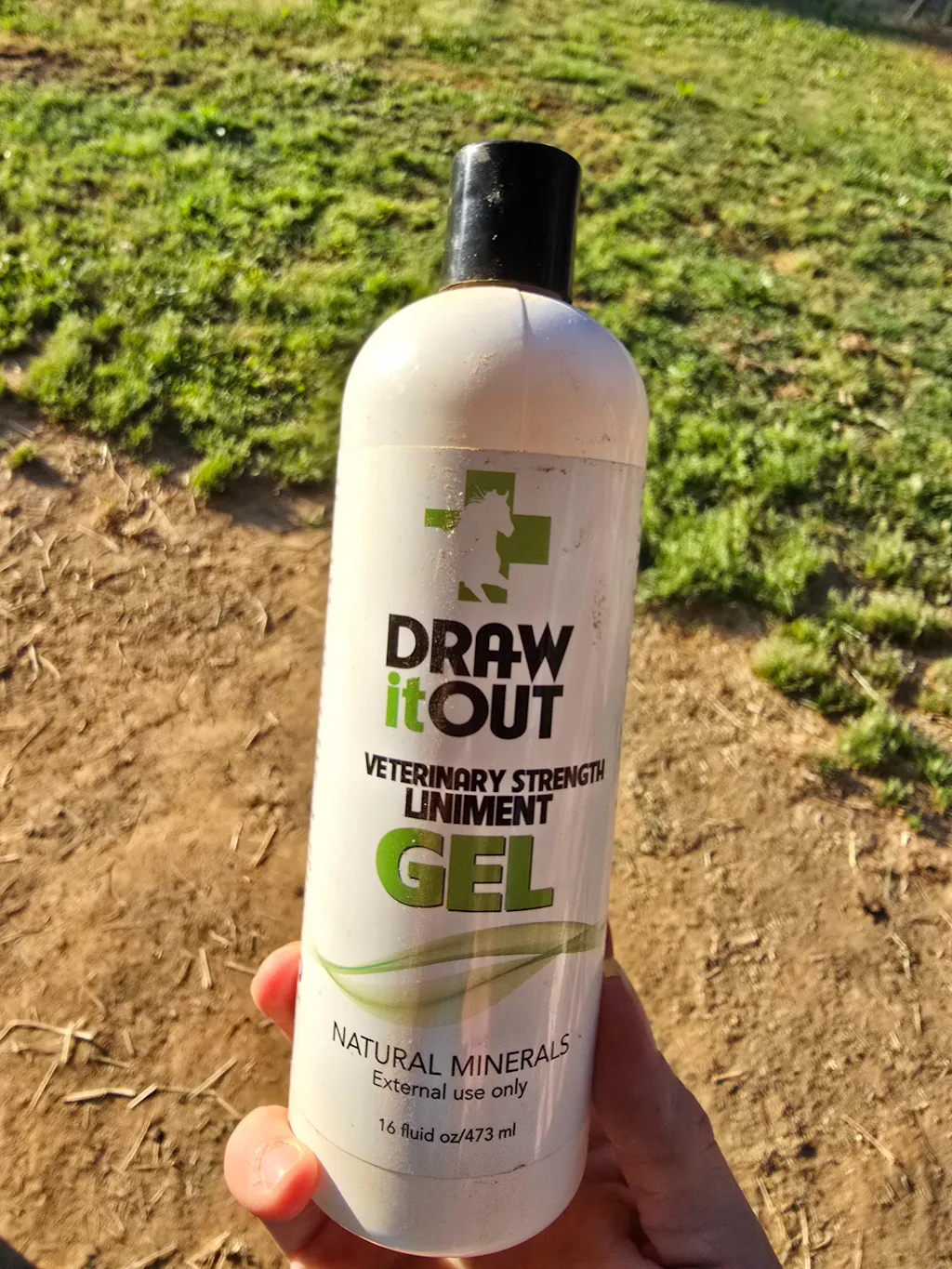
Draw It Out® 16oz Liniment Gel | Daily Horse Care

Stay-Put Gel

16oz Liniment Gel

The everyday liniment gel format riders reach for when they want targeted, no-mess application.

View product
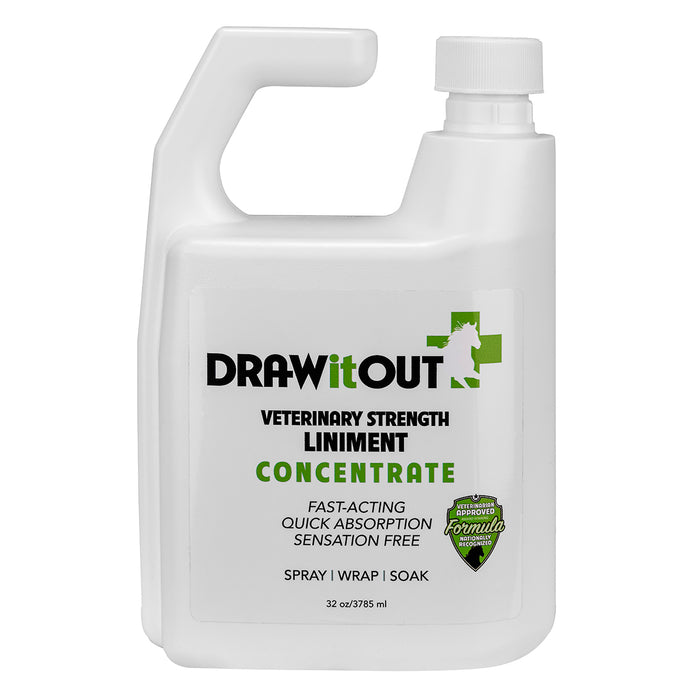
Draw It Out® 32oz Liniment Concentrate | Mix-to-Use Formula

Mix Your Way

32oz Concentrate

A flexible concentrate for riders who want to mix their own routine around workload and barn needs.

View product
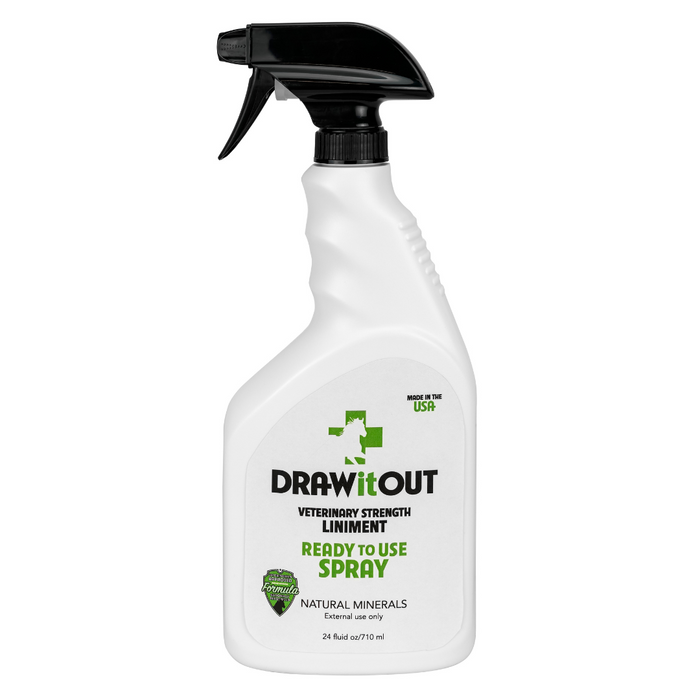
Draw It Out® RTU Spray 24oz | Ready-to-Use Liniment Spray

Ready To Use

24oz RTU Spray

A ready-to-use spray format for quick application after work, travel, turnout, or daily care.

View product
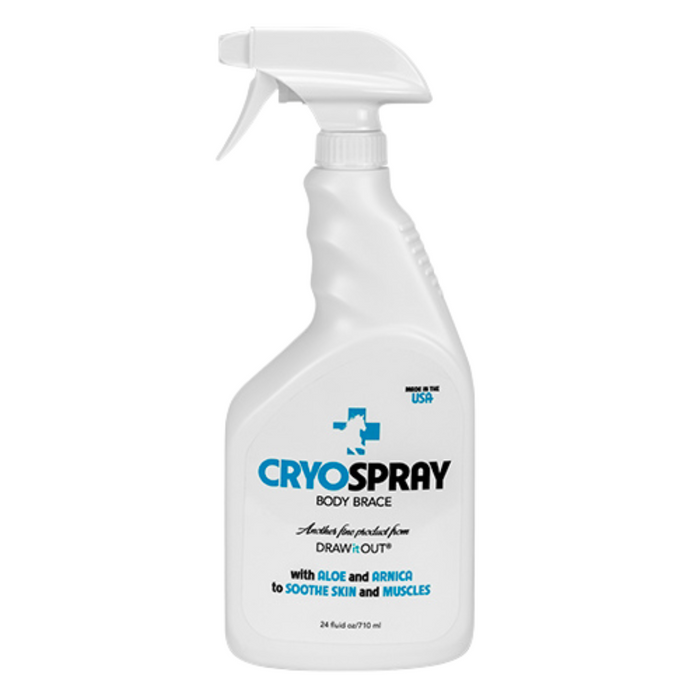
CryoSpray® by Draw It Out® 24oz | Cooling Body Brace for Horses

Cooling Brace

CryoSpray

A cooling body brace spray for riders who want a fast, practical option after hard work or hot days.

View product

Format matters. Gel, concentrate, ready-to-use spray, and cooling spray each solve a different barn problem. Pick the one your routine will actually use.

Where To Go Next

Turn the idea into a routine.

If this topic connects to what you are seeing in your horse, these are the three cleanest next steps. Start with direction, then choose the product format that fits the way your barn actually works.

Next steps

Best next move: use the Solution Finder first when the issue is unclear. Go straight to the liniment gel collection when you already know the format you want.