


Daily recovery
Liniment Gels
Explore the Draw It Out® liniment gel lineup for everyday use, post-work routines, and targeted recovery support.
Shop liniment gelsFree U.S. shipping at $50+
No code needed.
Shipping details
Summer changes the cost of ordinary work. A familiar ride can take more out of a horse when temperature, humidity, direct sun, travel, and limited airflow stack together. Good summer horsemanship starts by adjusting the plan before the horse is struggling.
In hot weather, track the conditions, the work, how the horse sweats and breathes, water interest, cool-out time, attitude, and next-day movement. Reduce intensity when heat or humidity climbs, provide shade and airflow, cool the horse promptly, and call a veterinarian for weakness, confusion, collapse, labored breathing, an abnormal temperature, or recovery that does not progress.
Horses release much of their body heat through sweat. When the air is humid, that sweat evaporates less efficiently. The horse may keep sweating and breathing hard even after the work stops. Direct sun, a hot trailer, dark footing, and still air can add to the heat load.
This is why the same workout does not have the same cost every day. The right question is not only, “How hard did we ride?” It is also, “What did the weather make that work cost?”
Water intake is influenced by familiarity, temperature, taste, travel stress, forage, salt intake, and the horse’s normal habits. Make water easy to access and learn what normal drinking looks like at home before you need that information at a show.
Do not use skin tenting or gum feel as the only hydration test. They are observations, not a complete diagnosis. A veterinarian can help evaluate a horse that is not drinking, seems dull, or repeatedly recovers poorly in the heat.
External liniment can be one part of an established post-work grooming routine after the horse is cooling normally. It does not replace water, shade, airflow, veterinary care, or a safe workload. Review the horse liniment collection for label-directed external-use options, or use the Horse Health Library for more recovery education.
Get veterinary help for labored breathing, weakness, stumbling, confusion, collapse, a horse that stops sweating despite remaining hot, an abnormal temperature, refusal to drink with other concerning signs, or recovery that stalls or worsens. When in doubt, stop the work and call.
Yes. High humidity slows sweat evaporation, so the horse may release heat less efficiently even when sweating heavily.
Not automatically. Gentle movement can help in some situations, but excessive walking adds work. Prioritize shade, airflow, cool water, rest, and veterinary guidance when recovery is abnormal.
No. An overheated horse needs prompt cooling and, when signs are concerning, veterinary care. Liniment is not a substitute for those steps.
Track today’s heat load and recovery honestly. Tomorrow’s work should be based on the horse you have, not the schedule you hoped to keep.
This article gives you the background. If you are ready to put the idea into a real horse care routine, these are the next places most riders should go.
Explore the Draw It Out® liniment gel lineup for everyday use, post-work routines, and targeted recovery support.
Shop liniment gelsMatch your horse’s workload, age, routine, and care goals to the Draw It Out® products that make the most sense.
Use the finderLearn how riders support soundness, comfort, and consistency before little issues become bigger problems.
Read the guideReal Barn Proof
Real riders. Real horses. Real routines. These clips rotate automatically so the proof stays fresh without weighing the page down with a long feed.
Why this matters: good horse care should make sense outside the ad. These clips show the kind of everyday use that builds trust one barn at a time.
Further Reading
Horse care works better when the next step is clear. These related reads help connect today’s topic to better daily decisions in the barn.
Jul 20, 2026
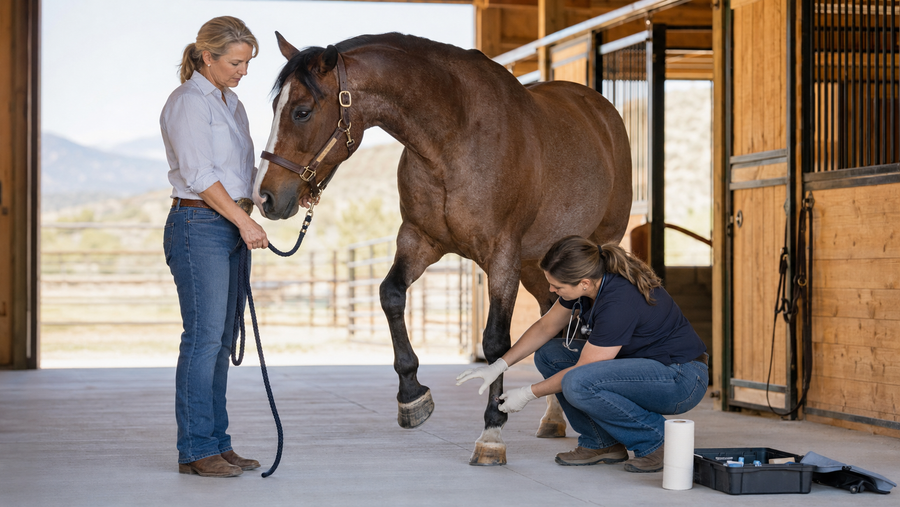
Current New World screwworm guidance for horse owners: what to inspect, when to call a veterinarian, how to report suspected cases, and how to...
Read article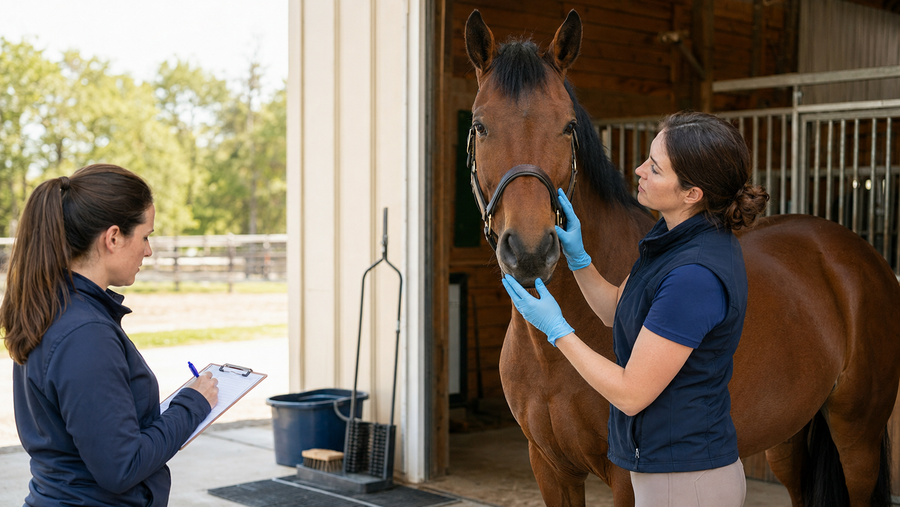
Jul 19, 2026
A rider-first 2026 vesicular stomatitis checklist with current western U.S. outbreak context, warning signs, isolation, fly control, biosecuri...
Read article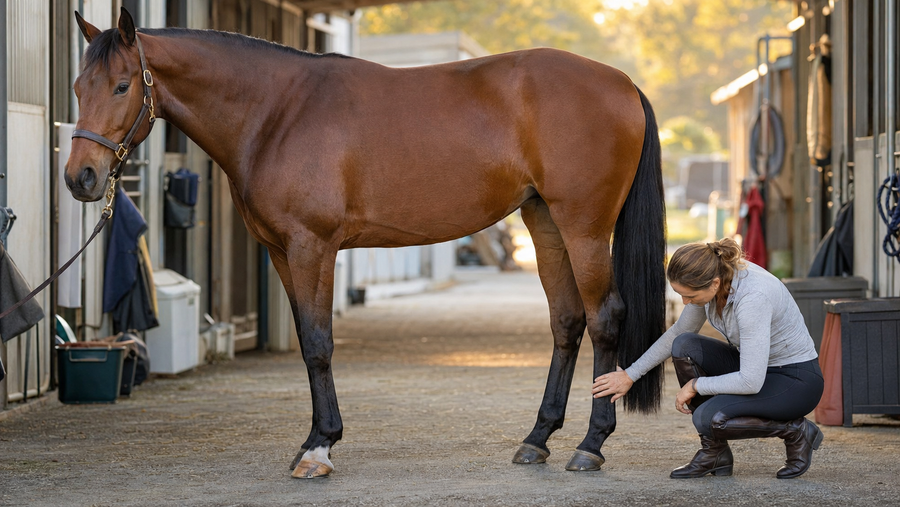
Jul 19, 2026
Check symmetry, heat, pain, wounds, wraps, movement, hydration, and lameness when a horse’s hind legs fill after standing at a show.
Read articleStart with the principle, then build the habit. The right article should make the next barn decision easier, not more complicated.
Next Step
Simple care guides, practical product paths, and rider-trusted tools built for real horses and real routines.
Good care gets easier when the next step is obvious. Read the guide, match the routine, then choose the format that fits how your barn actually works.
Recovery Routine
Want a smarter way to think through post-ride care, heat, swelling, leg support, and daily recovery decisions? Start with the Performance Recovery Hub.
Better recovery starts with a repeatable routine. The hub gives riders a clearer path from workload to product format to aftercare timing.
Rider Favorites
Four core Draw It Out® staples riders keep close for daily recovery routines, wash rack use, targeted support, and quick barn-side care.
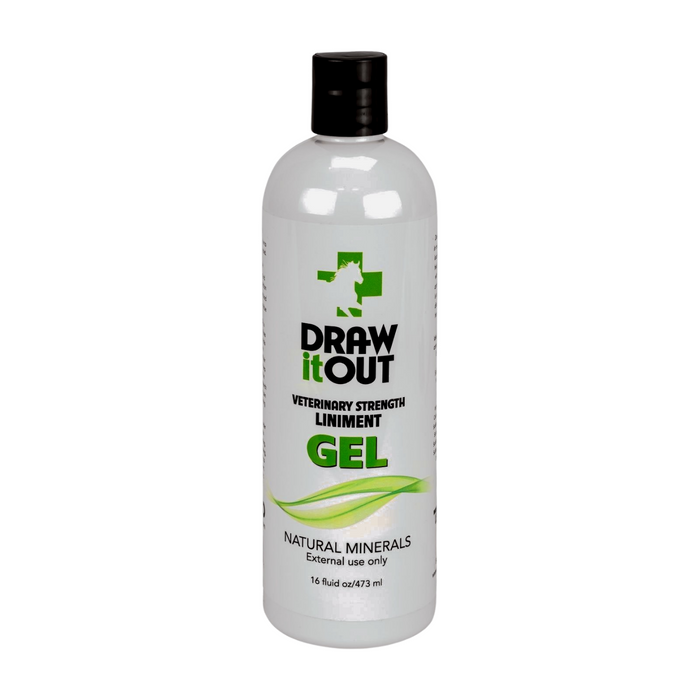
Stay-Put Gel
The everyday liniment gel format riders reach for when they want targeted, no-mess application.
View product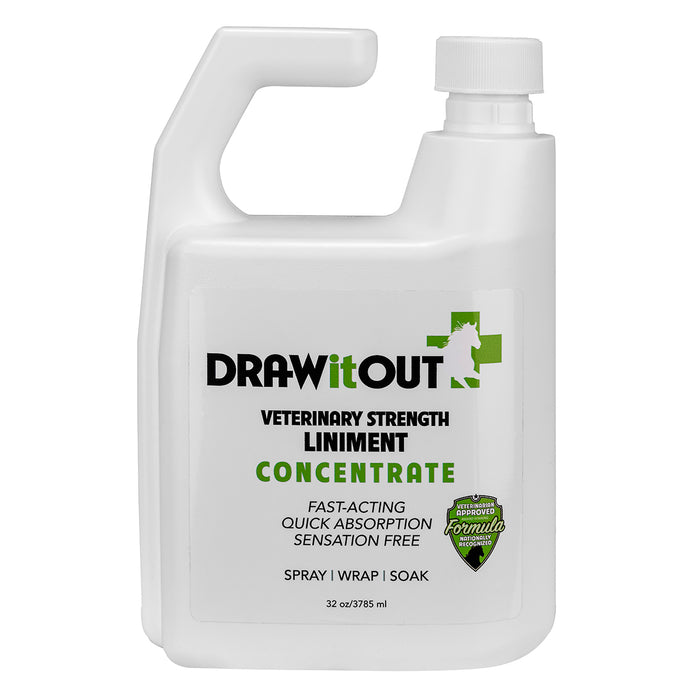
Mix Your Way
A flexible concentrate for riders who want to mix their own routine around workload and barn needs.
View product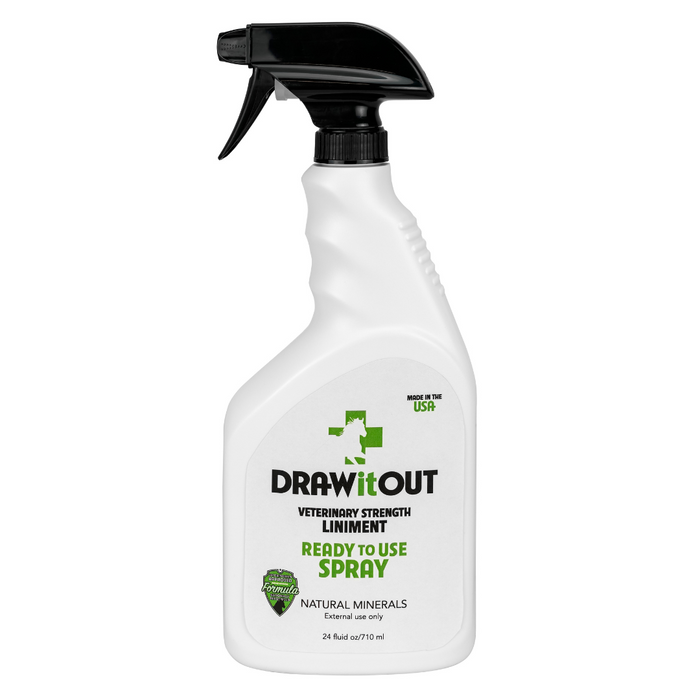
Ready To Use
A ready-to-use spray format for quick application after work, travel, turnout, or daily care.
View product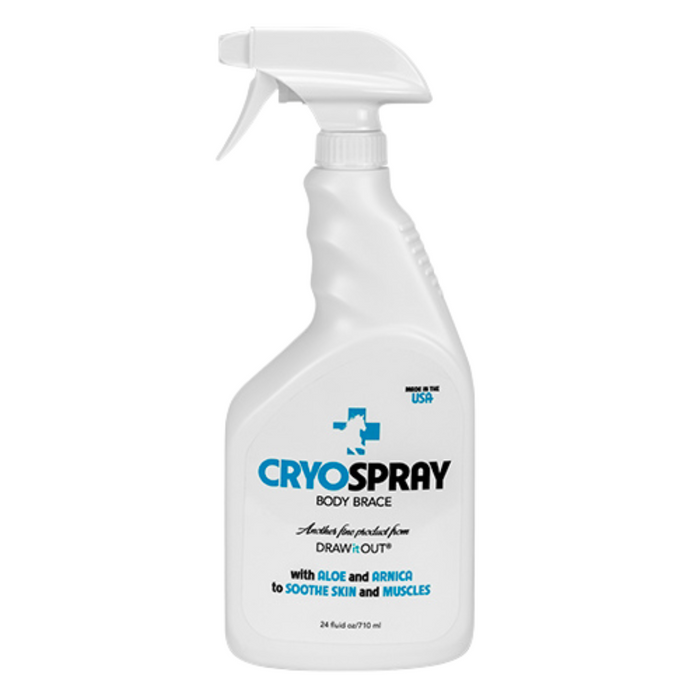
Cooling Brace
A cooling body brace spray for riders who want a fast, practical option after hard work or hot days.
View productFormat matters. Gel, concentrate, ready-to-use spray, and cooling spray each solve a different barn problem. Pick the one your routine will actually use.
!