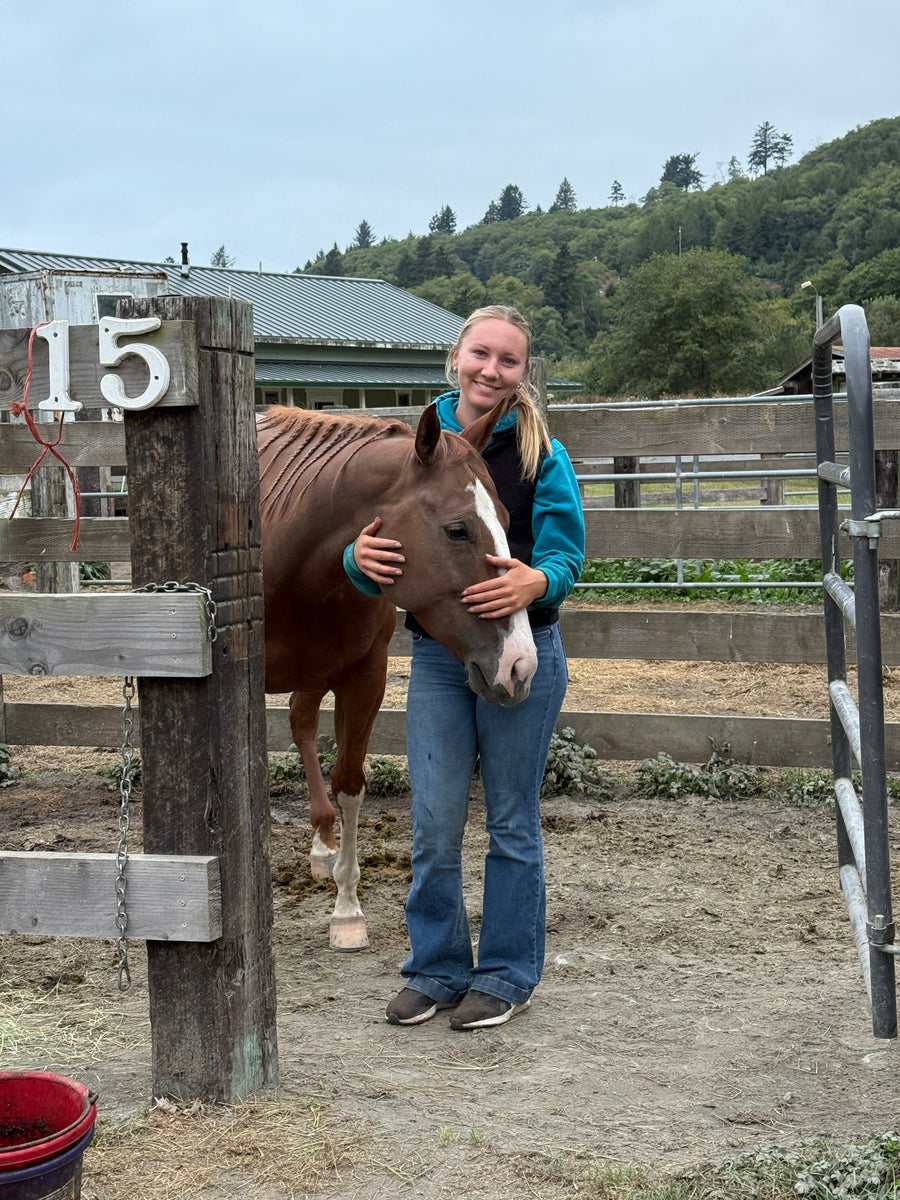
Rider checking a horse's hindquarters after routine work

Quick answer: Horse liniment can fit a normal hindquarter-care routine after work, hauling, or a long day standing, but the rider check comes first. Compare both sides, watch the horse walk, feel for unusual heat or swelling, and look at the skin before applying anything. New asymmetry, marked pain, weakness, an abnormal gait, or reluctance to bear weight belongs with your veterinarian, not a thicker layer of topical product.

The hindquarters do a tremendous amount of work. They push, stop, turn, hold, climb, collect, and stabilize the rest of the horse. That makes the area worth checking. It also makes it a bad place to guess.

The first question is not “Which liniment?”

The first question is whether this looks like a normal post-work care situation or an evaluation situation. Liniment supports a routine. It does not diagnose the source of soreness, tell you which structure is involved, or make an unsafe horse safe to work.

Routine lane: The horse is comfortable, weight-bearing, moving normally for that horse, and the skin is clean and intact.

Evaluation lane: The horse has a sudden gait change, clear one-sided weakness, marked tenderness, swelling, heat, neurologic-looking movement, or worsening behavior.

A five-minute hindquarter check before you apply anything

  1. Watch the horse stand. Compare how the horse loads each hind leg. Occasional resting is normal. Repeatedly unloading one side, bracing, trembling, or shifting in an unusual way deserves attention.
  2. Look from both sides and from behind at a safe distance. Compare the shape of the muscles, the position of the pelvis, and the way the tail is carried. You are looking for a change from this horse's normal, not perfect mirror-image anatomy.
  3. Use a flat hand. From a safe position beside the horse, compare temperature, texture, and response on matching areas. Do not poke hard to manufacture a reaction. A flinch alone is not a diagnosis.
  4. Check the skin. Sweat, rubs, scratches, bites, rain rot, clipped skin, or an open area changes what belongs on the horse.
  5. Watch straight-line movement. If it is safe, walk the horse away from you and back on level footing. Look for shortening, drifting, toe dragging, hip hike, hesitation, or a change from the horse's normal rhythm.

If movement looks questionable, capture a short video before you change the picture. The companion guide, how to film a horse trot-up video for your veterinarian, shows how to make that recording useful.

Where horse liniment fits on the hindquarters

Once the horse is in the routine lane, a horse-labeled topical can be part of the post-work check. Apply it to clean, dry, intact skin according to the current label. Keep your body beside the horse, stay out of the kick zone, and use calm, open-handed contact.

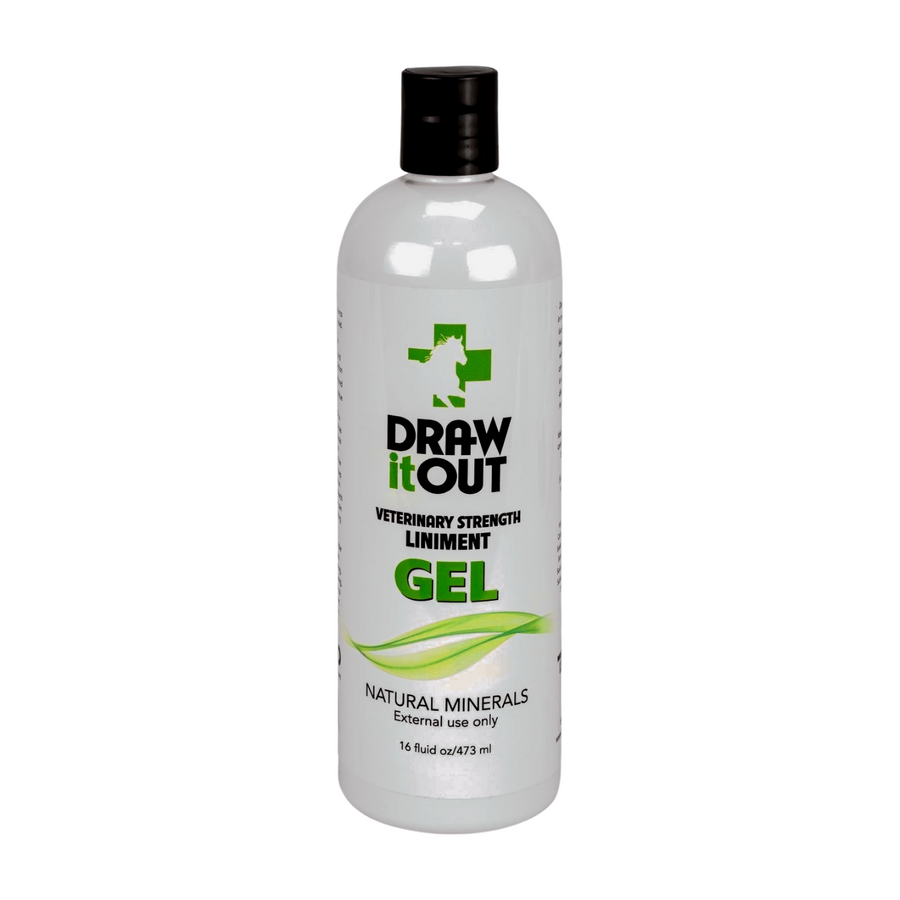
Draw It Out® 16oz Liniment Gel is the straightforward choice when you want targeted, stay-put placement over a specific muscle area. It is ready to use, odorless, colorless, and made without menthol, camphor, capsaicin, alcohol, or witch hazel. The absence of a dramatic hot or cold sensation is intentional. Judge the routine by the horse and the area, not by what your hand feels.

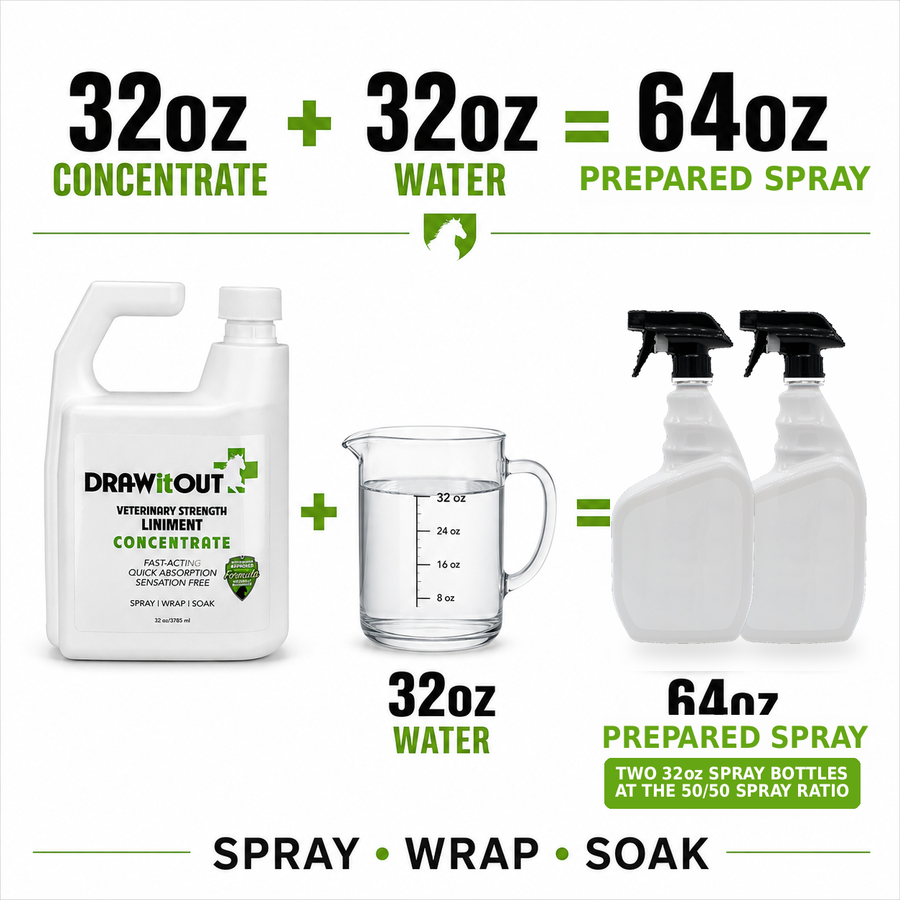
For broader spray coverage or a multi-horse barn routine, Draw It Out® 32oz Liniment Concentrate is the mix-to-use format. Follow the current label for preparation and use. Do not improvise stronger dilution because the horse worked harder.

A simple after-work hindquarter routine

  1. Cool the horse out and let breathing and body temperature settle.
  2. Record anything unusual before applying a topical.
  3. Clean and dry the target area.
  4. Apply a thin, even amount according to the product label.
  5. Recheck the horse later and again the next morning when the workload makes that useful.
  6. Write down the date, work performed, side involved, and what changed.

That last step matters. Memory is generous to us. A simple barn note is not. Patterns become easier to see when they are written down.

When liniment should wait

Skip the routine and call your veterinarian when the horse is unwilling to bear weight, suddenly weak or uncoordinated, markedly lame, visibly swollen, unusually hot, very painful, or getting worse. The same applies after a fall, slip, kick, trailer incident, or other significant trauma.

UC Davis notes that abnormal hind-limb and pelvic drifting can have neurologic or musculoskeletal causes. That is a useful reminder that a hindquarter change is not always simple muscle fatigue. Read its overview of sidewinder syndrome in horses for one example of why abnormal movement deserves professional evaluation.

Frequently asked questions

Can you put horse liniment on a horse's hindquarters?

Yes, when the product is labeled for horses, the skin is intact, the horse is safe to handle, and the concern fits a normal care routine. Follow the current label.

Should I apply liniment before or after checking movement?

Check and record movement first when anything looks new or unusual. A clear before-treatment video gives your veterinarian better context.

Does a strong reaction mean the horse is injured?

No. A response to touch can reflect sensitivity, anticipation, skin irritation, guarding, or many other factors. It is information, not a diagnosis.

Gel or concentrate for the hindquarters?

Choose gel for targeted, hands-on placement. Choose concentrate when you want prepared spray coverage across a broader area or need a scalable barn format. The full gel versus concentrate guide compares both routines.

Can liniment replace a lameness exam?

No. New, worsening, one-sided, or unexplained movement changes need veterinary judgment.

Start with the targeted, ready-to-use format

For routine hindquarter care on clean, intact skin, Draw It Out® 16oz Liniment Gel gives riders controlled, stay-put placement without the burn-and-blister approach of many traditional liniments.

See Draw It Out® 16oz Liniment Gel

Educational horse-care information only. External use only. Follow the current product label. This article does not replace veterinary diagnosis or treatment.

Leave a comment

Please note, comments need to be approved before they are published.

Start here

Reading first? Here is the clean path.

This article gives you the background. If you are ready to put the idea into a real horse care routine, these are the next places most riders should go.

Daily recovery

Liniment Gels

Explore the Draw It Out® liniment gel lineup for everyday use, post-work routines, and targeted recovery support.

Shop liniment gels
Find the fit

Solution Finder

Match your horse’s workload, age, routine, and care goals to the Draw It Out® products that make the most sense.

Use the finder
Routine first

Prehabilitation

Learn how riders support soundness, comfort, and consistency before little issues become bigger problems.

Read the guide
Simple rule: read the article for context, use the Solution Finder for direction, then build the routine around the product format your horse will actually use consistently.

Real Barn Proof

What this looks like in real barns.

Real riders. Real horses. Real routines. These clips rotate automatically so the proof stays fresh without weighing the page down with a long feed.

Random rider clips

Why this matters: good horse care should make sense outside the ad. These clips show the kind of everyday use that builds trust one barn at a time.

Further Reading

Keep building the routine.

Horse care works better when the next step is clear. These related reads help connect today’s topic to better daily decisions in the barn.

Horse health news

Start with the principle, then build the habit. The right article should make the next barn decision easier, not more complicated.

Next Step

Keep your barn dialed in.

Simple care guides, practical product paths, and rider-trusted tools built for real horses and real routines.

Good care gets easier when the next step is obvious. Read the guide, match the routine, then choose the format that fits how your barn actually works.

Recovery Routine

Build a complete recovery routine.

Want a smarter way to think through post-ride care, heat, swelling, leg support, and daily recovery decisions? Start with the Performance Recovery Hub.

Better recovery starts with a repeatable routine. The hub gives riders a clearer path from workload to product format to aftercare timing.

Rider Favorites

Always in the kit.

Four core Draw It Out® staples riders keep close for daily recovery routines, wash rack use, targeted support, and quick barn-side care.

Core barn staples
Draw It Out® 16oz Liniment Gel | Daily Horse Care

Stay-Put Gel

16oz Liniment Gel

The everyday liniment gel format riders reach for when they want targeted, no-mess application.

View product
Draw It Out® 32oz Horse Liniment Concentrate | Spray, Wrap & Soak

Mix Your Way

32oz Concentrate

A flexible concentrate for riders who want to mix their own routine around workload and barn needs.

View product
Draw It Out® RTU Spray 24oz | Ready-to-Use Liniment Spray

Ready To Use

24oz RTU Spray

A ready-to-use spray format for quick application after work, travel, turnout, or daily care.

View product
CryoSpray® by Draw It Out® 24oz | Cooling Body Brace for Horses

Cooling Brace

CryoSpray

A cooling body brace spray for riders who want a fast, practical option after hard work or hot days.

View product

Format matters. Gel, concentrate, ready-to-use spray, and cooling spray each solve a different barn problem. Pick the one your routine will actually use.

Where To Go Next

Turn the idea into a routine.

If this topic connects to what you are seeing in your horse, these are the three cleanest next steps. Start with direction, then choose the product format that fits the way your barn actually works.

Next steps

Best next move: use the Solution Finder first when the issue is unclear. Go straight to the liniment gel collection when you already know the format you want.