

SilverHoof EQ Therapy®
Stay put support for cannon and pastern zones where residue shows fast on light coats. Built to feel clean and tidy.
Learn about SilverHoof
By Jon Conklin • Updated • 6 to 8 min read
Perlino and cremello are both double cream dilutes, so the body can look the same. The easiest tells are in the mane, tail, and point shading. Here is a quick ID checklist and the simple genetics behind the labels.
Quick definition: Cremello is a double cream dilute on a chestnut base, while perlino is a double cream dilute on a bay base. The body can look nearly identical. The points are where you usually see the difference.
No, they are different labels based on the underlying base coat. They can look extremely similar, but perlinos often show a faint warmer tint in the mane, tail, and point shading because the base is bay.
When people miss this color call, it is usually because they look only at the body coat. The best tells live in the points.
Cremellos often have mane and tail that stay very light and creamy. Perlinos often carry a warmer tint in mane and tail that can read apricot or coffee.
Perlinos can show slightly deeper shading at the points because of the underlying base color. On a cremello, contrast tends to be minimal.
Both are double cream dilutes, but the base coat under the cream gene is different. Cremello is the double dilute of a chestnut base. Perlino is the double dilute of a bay base. That base difference is what can give perlino slightly warmer or darker points.
Double dilutes commonly have pink skin and light eyes. That is normal for the color, and it changes what you notice day to day. Dust, minerals, and rub marks show faster on pale hair and pink skin, so routines matter more than products.
Pink skin can be more sensitive to sun and tack rub. Keep gear clean, watch rub zones, and stay consistent instead of aggressive.
Heavy oils and sticky finishes can grab dust. A clean, tidy routine keeps light coats looking brighter with less effort.
Reminder: This is general information, not medical advice. For sun sensitivity or skin concerns, work with your veterinarian.
Double dilutes happen when a horse inherits two copies of the cream dilution gene. One copy creates single dilutes like palomino or buckskin. Two copies create double dilutes like cremello and perlino. The base coat underneath the cream gene determines the final label and the point tint.
Stay put support for cannon and pastern zones where residue shows fast on light coats. Built to feel clean and tidy.
Learn about SilverHoofSensation free liniment gel for post work support. Keeps routines calm and helps you stay consistent without drama.
Shop the liniment gelFor rub prone areas where you want comfort support without a slick finish. Helpful for tidy show week management.
Explore Rapid ReliefNote: Follow label directions. Avoid applying topical products near eyes.
If your horse is picking up stains in the trailer, stall, or warmup pen, we can help you simplify the routine. Reach out here and we will keep it practical.
No. They are different labels based on the underlying base coat. Perlino is double cream on bay, while cremello is double cream on chestnut. They can look very similar, so the points are the best place to check for a faint tint.
No. Cremellos have pigment that is diluted by the cream gene. They commonly have pink skin and light eyes, but they are not true albinos.
Light eyes are common, often in the blue range. Some horses can appear aqua or lighter amber tones as they mature. Eye appearance can shift slightly with age and lighting.
Two copies of the cream dilution gene create double dilutes. The base coat underneath determines the label and how much point tint shows through.
Start Here
This article gives you the background. If you are ready to put the idea into a real horse care routine, these are the next three places most riders should go.
Simple rule: read the article for context, use the Solution Finder for direction, then build the routine around the product format your horse will actually use consistently.
Real Barn Proof
Real riders. Real horses. Real routines. These clips rotate automatically so the proof stays fresh without weighing the page down with a long feed.
Why this matters: good horse care should make sense outside the ad. These clips show the kind of everyday use that builds trust one barn at a time.
Further Reading
Horse care works better when the next step is clear. These related reads help connect today’s topic to better daily decisions in the barn.

May 13, 2026
A practical post-ride horse recovery routine for spring show season, now routed directly to the live What Does My Horse Need page, Prehabilita...
Read article
May 12, 2026
A horse show hydration guide now routed directly to What Does My Horse Need, Prehabilitation, Hydro-Lyte®, and 16oz Liniment Gel.
Read article
May 11, 2026
When late spring heats up, horses start carrying more than sweat. Salt, dust, and repeated fly spray layers can change how the coat feels and ...
Read articleStart with the principle, then build the habit. The right article should make the next barn decision easier, not more complicated.
Next Step
Simple care guides, practical product paths, and rider-trusted tools built for real horses and real routines.
Good care gets easier when the next step is obvious. Read the guide, match the routine, then choose the format that fits how your barn actually works.
Recovery Routine
Want a smarter way to think through post-ride care, heat, swelling, leg support, and daily recovery decisions? Start with the Performance Recovery Hub.
Better recovery starts with a repeatable routine. The hub gives riders a clearer path from workload to product format to aftercare timing.
Rider Favorites
Four core Draw It Out® staples riders keep close for daily recovery routines, wash rack use, targeted support, and quick barn-side care.
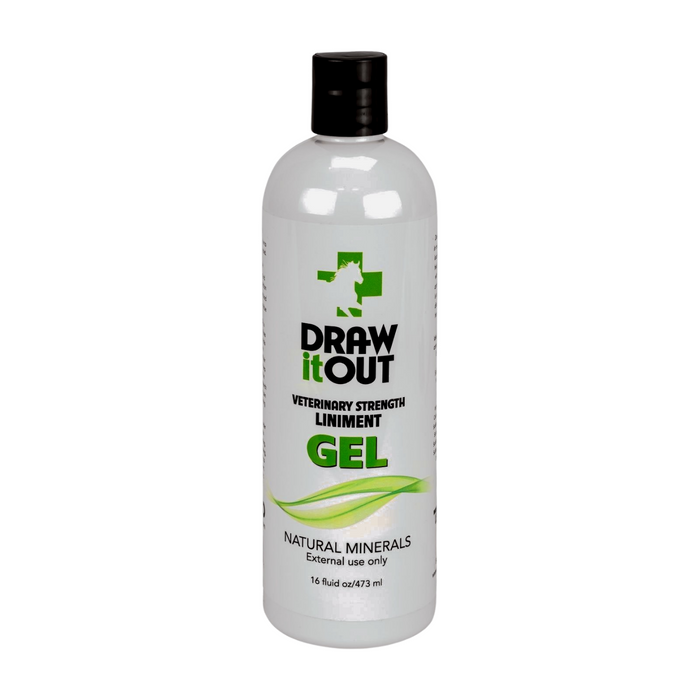
Stay-Put Gel
The everyday liniment gel format riders reach for when they want targeted, no-mess application.
View product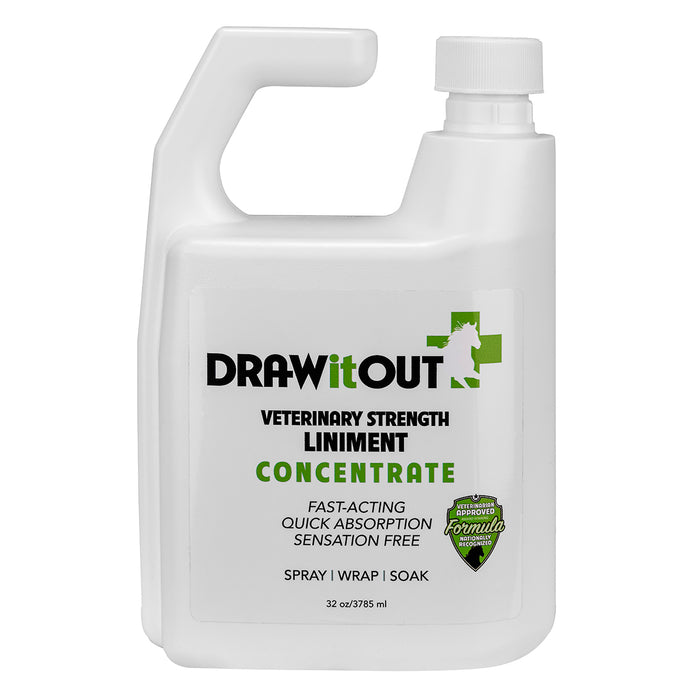
Mix Your Way
A flexible concentrate for riders who want to mix their own routine around workload and barn needs.
View product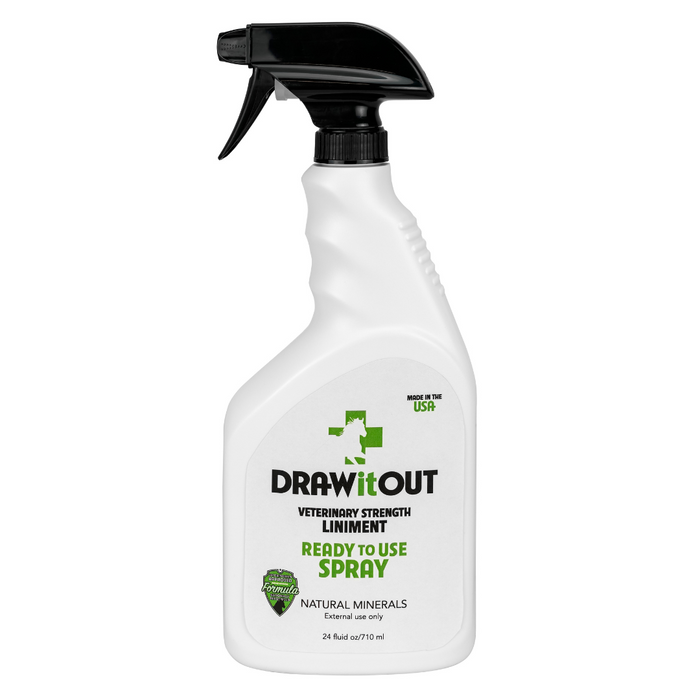
Ready To Use
A ready-to-use spray format for quick application after work, travel, turnout, or daily care.
View product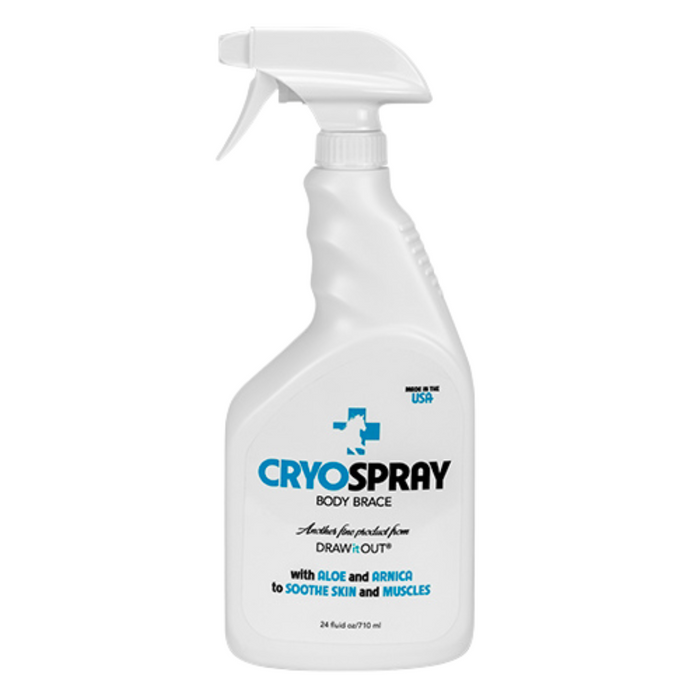
Cooling Brace
A cooling body brace spray for riders who want a fast, practical option after hard work or hot days.
View productFormat matters. Gel, concentrate, ready-to-use spray, and cooling spray each solve a different barn problem. Pick the one your routine will actually use.
!