How to Clean Rubber Horse Stall Mats: A Practical Barn Routine
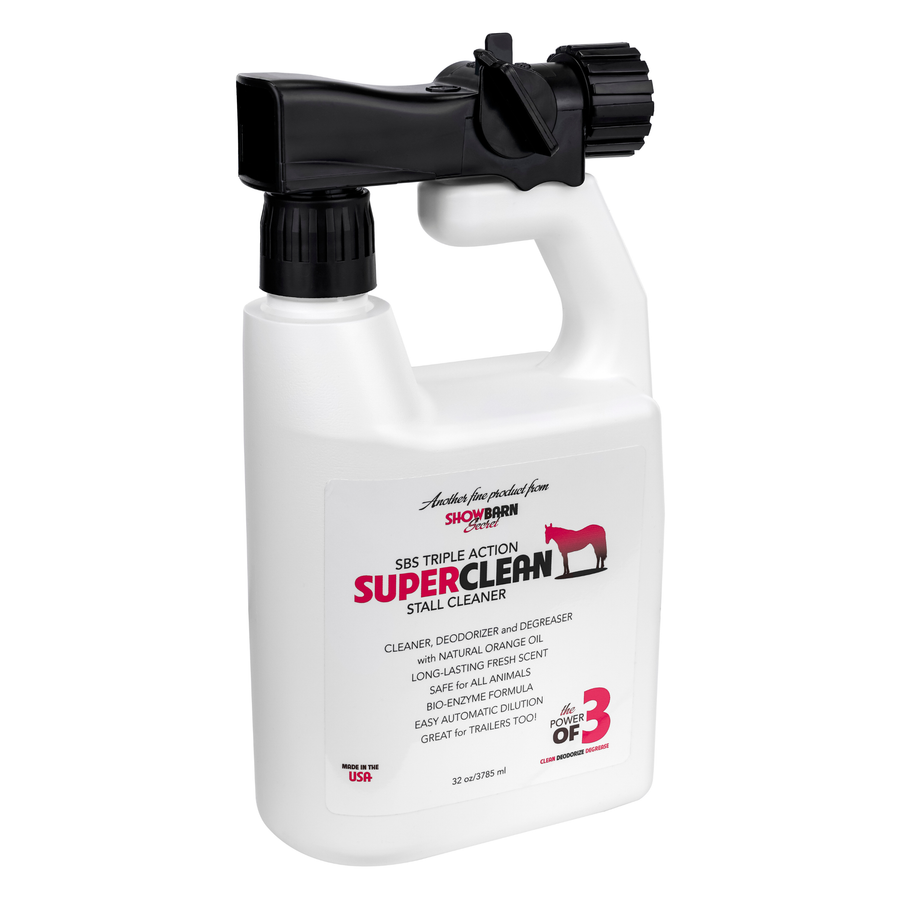
A step-by-step rubber stall mat cleaning routine for daily care and deeper resets, including seams, runoff, drying, common mistakes, and safer barn turnover.
Free U.S. shipping at $50+
No code needed.
Shipping details
Horse color guide
Sorrel usually describes a bright copper-red or reddish chestnut horse without true black points. The word is common in Western barns, while many registries and genetic discussions group sorrel within chestnut.
Quick answer: Sorrel and chestnut are usually variations of the same red-base color family. Shade terms differ by region and registry, so identify the horse first by red body hair without black points, then use the preferred local term.
Color terminology is not perfectly standardized. Registration papers, breed custom, and genetic testing matter more than an argument at the feed store.
Photograph the horse in neutral daylight if color identification matters. Golden-hour light and wet hair can shift the appearance dramatically.
Do not use harsh methods to force a darker or brighter shade. Healthy skin and intact hair create the best color the horse can carry.
A good-looking coat is welcome. A comfortable, sound, well-managed horse is the real goal.
Products support routine care. Lameness, severe pain, heat, marked swelling, punctures, open wounds, eye concerns, fever, breathing changes, neurologic signs, or a horse that is getting worse need veterinary or farrier guidance.
No. Sorrel is a coat-color term used across many breeds.
Yes. Some red-base horses have a mane and tail that are noticeably lighter than the body.
Look at the points. A bay has black lower legs, mane, and tail. A sorrel or chestnut does not have true black points.
Written by Jon Conklin for Draw It Out® Horse Health Care Solutions. Educational support only. This article does not diagnose, treat, cure, or prevent disease. Follow current product labels and professional guidance.
A step-by-step rubber stall mat cleaning routine for daily care and deeper resets, including seams, runoff, drying, common mistakes, and safer barn turnover.
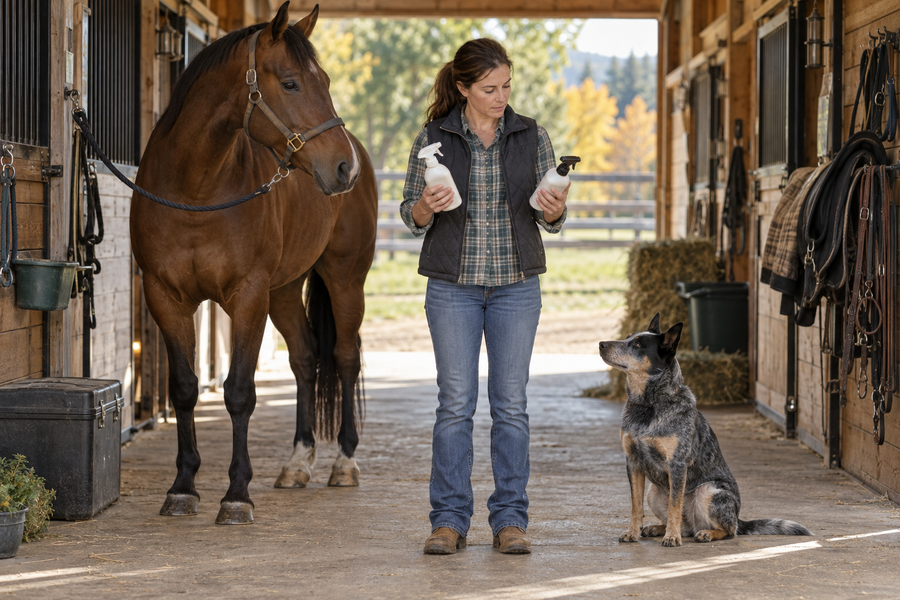
Can horse tick spray be used on dogs? Use this label-first checklist to compare species, directions, warnings, and show rules before applying any product.
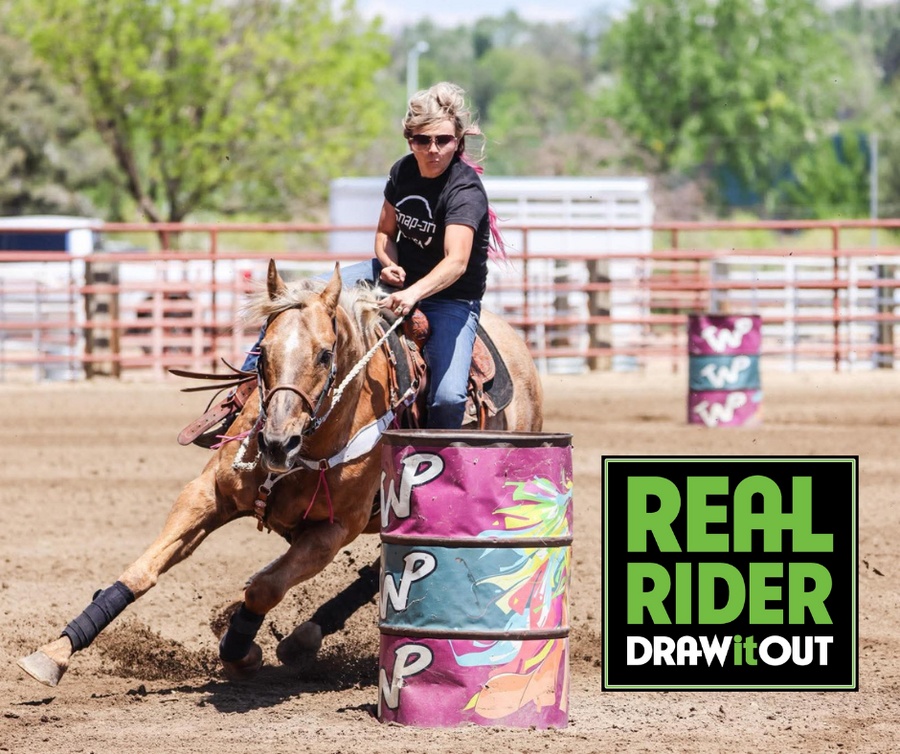
Six horses at Heideman Farms, a longtime barrel partner in Cappuccino, and a love of helping young riders.
!