Rain Rot in Horses: Practical Care Tips for Skin Support and Recovery
Rain rot usually does not start as a dramatic emergency. It starts as moisture that hangs around too long, skin that gets stressed, and small problem spots that are easy to miss until they are not. Once that cycle gets moving, a horse can end up uncomfortable fast. The good news is that better skin support usually comes from better routine management, not magic language.
What rain rot looks like on a horse
Rain rot is commonly noticed as crusty spots, scabby patches, or clumped tufts of hair that feel rougher than the surrounding coat. Riders often see it in areas where moisture tends to sit, especially along the topline, rump, back, or neck. Wet weather, sweat left under tack, and skin that stays damp too long can all stack the deck the wrong way.
It is one of those issues that can look small at first, then spread enough to become a real management headache. That is why early attention matters.
Why horses end up dealing with rain rot
Most of the time, this is not about one single mistake. It is about conditions. A horse gets wet. The coat does not dry well. Skin stays stressed. Grooming gets light because weather is ugly or the routine gets busy. Add in repeated moisture exposure and the skin can start to lose ground.
Moisture that hangs around
Rain, mud, sweat, damp blankets, and humid conditions all make it harder for the skin and coat to stay balanced.
Delayed grooming attention
Small skin issues often turn into bigger ones when they are not noticed early or cleaned up consistently.
Stress on the skin barrier
Skin that is repeatedly wet, irritated, or rubbed can have a harder time staying resilient in bad conditions.
Weak management during wet spells
Shelter access, drying time, and clean living conditions matter a lot more when the weather stays against you.
Practical rain rot care that helps
Strong rain rot management is usually simple and steady. Not flashy. Not complicated. Just consistent.
- Get the horse out of prolonged wet conditions when possible
- Keep blankets, pads, and tack areas clean and dry
- Groom regularly so early skin changes do not go unnoticed
- Support the skin without grinding or overworking already irritated areas
- Let the coat dry fully whenever the horse gets wet
- Keep the horse’s environment as clean and low-stress as possible during recovery
What a better recovery routine looks like
Better recovery usually starts with slowing the cycle down. Less trapped moisture. Less friction. Less neglect. More attention to the actual skin. More consistency from day to day. When riders get those basics right, they give the horse a much better shot at settling the area down cleanly.
The important thing is not to turn care into an attack. Skin that is already irritated does not need drama. It needs calm, steady support and a cleaner environment.
Where a topical support product fits
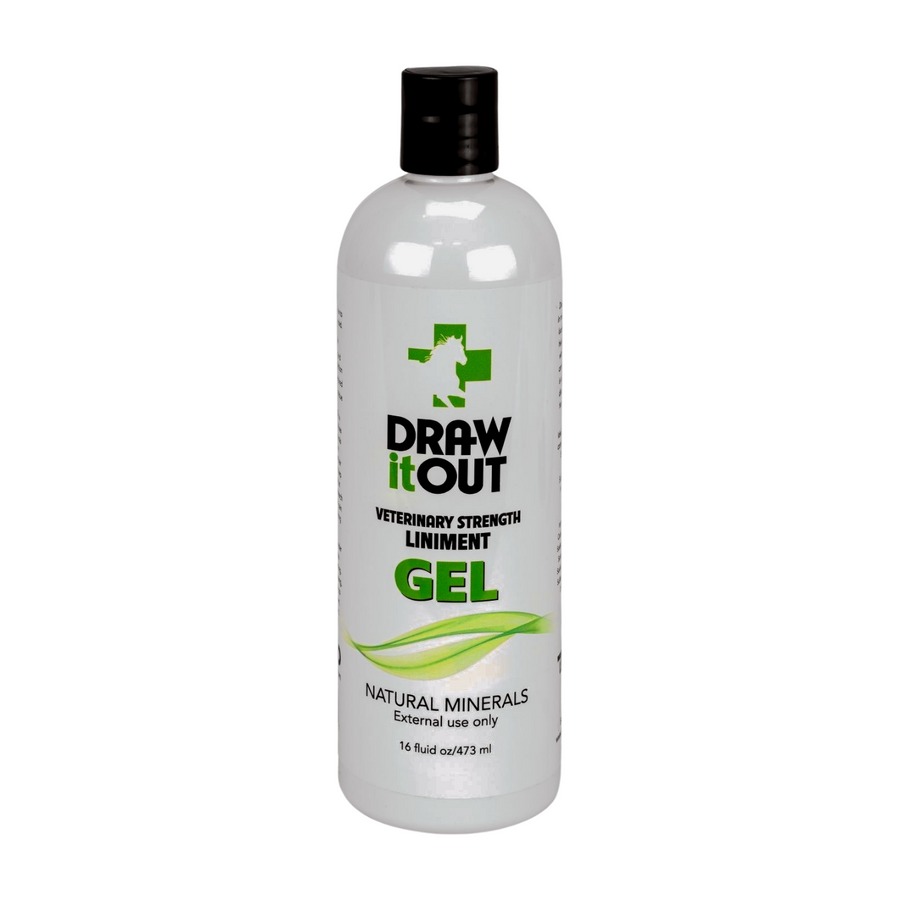
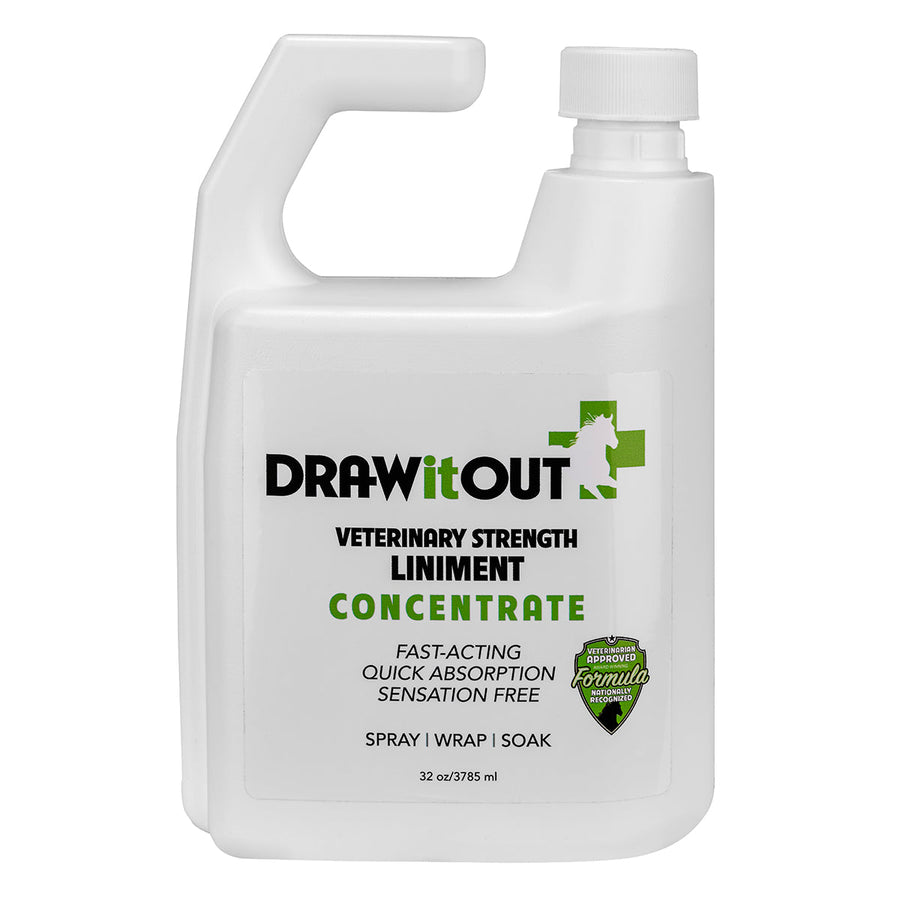
A topical can have a place in a good rain rot routine, but it should live inside a broader management system. It should support the skin, help you stay consistent, and fit into a routine built around dryness, cleanliness, and observation. It should not be used as a substitute for improving conditions around the horse.
That is the right lens. Skin support works best when the environment stops fighting it.
What horse owners tend to miss
One of the biggest misses is focusing only on what to put on the area without fixing what keeps the area wet, dirty, or irritated in the first place. If the horse keeps getting soaked, sits under damp gear, or does not get enough grooming attention, the routine stays uphill.
The real win is when the environment, the grooming habit, and the support product all point in the same direction.
Final thought
Rain rot gets easier to manage when the routine gets cleaner. Keep the horse dry when you can. Stay consistent with grooming. Support the skin without overcomplicating it. That is usually what gives the horse the best chance to come through wet weather in better shape.
Frequently Asked Questions
What causes rain rot in horses?
Rain rot tends to show up when moisture, skin stress, and poor drying conditions stack up over time, especially in wet weather or under damp gear.
Where does rain rot usually appear on a horse?
It is often seen along the back, neck, rump, or other places where moisture tends to linger and the coat stays damp too long.
What helps support a horse dealing with rain rot?
Keeping the horse dry, grooming consistently, reducing ongoing skin stress, and maintaining a clean environment are the basics that usually help most.
Can a topical product replace better management?
No. A topical may support the routine, but moisture control, dryness, cleanliness, and consistent observation are still the foundation.
Better skin support starts with better conditions around the horse.