April 2025 · Real Rider of the Month
Victoria Ross
Ivor, Virginia
A return to barrel racing, a herd of five, and the patience to rebuild confidence.

Victoria's experience is one rider's story, not a guaranteed product result. Its value is the standard behind it: finish on a positive note, pay attention to the horse, and rebuild one honest ride at a time.
A return built on patience
Victoria has ridden since 2001, but an accident involving a deeply loved horse changed her path and led to years away from the sport. Returning to barrel racing required more than physical preparation. It required trust, patience, and the willingness to begin again.
That kind of return rarely happens in a straight line. Some rides restore confidence. Others reveal what still needs work. Both count when the horse remains safe and understood.
The horses in her current chapter
Victoria's palomino Quarter Horses are part of her return to training and competition. Their ages, experience, and development differ, which means the routine must differ too.
Young horses need gradual education and clear endings. Mature horses need the same honest checks for workload, tack, legs, hooves, attitude, and recovery.
Her riding principle
Victoria's advice is simple: end on a positive note. That does not mean forcing a perfect maneuver before quitting. It means finding a fair, understandable place to reward effort and preserve confidence.
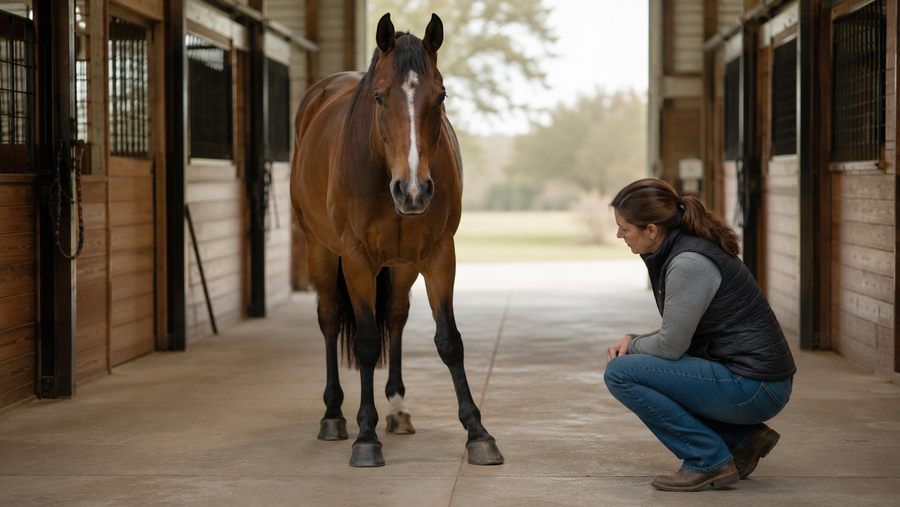
The principle applies outside the arena too. A recovery routine is useful when it helps the rider notice the horse and make a better next decision.
How to read the product story
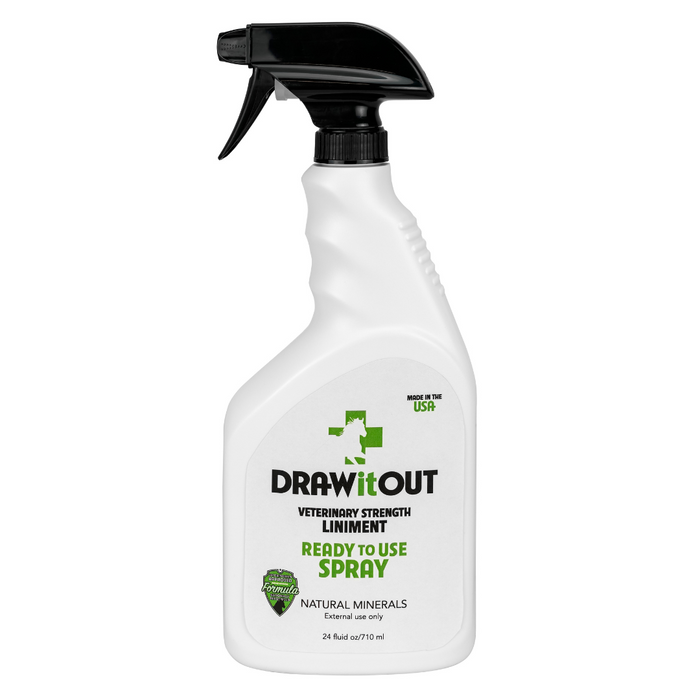
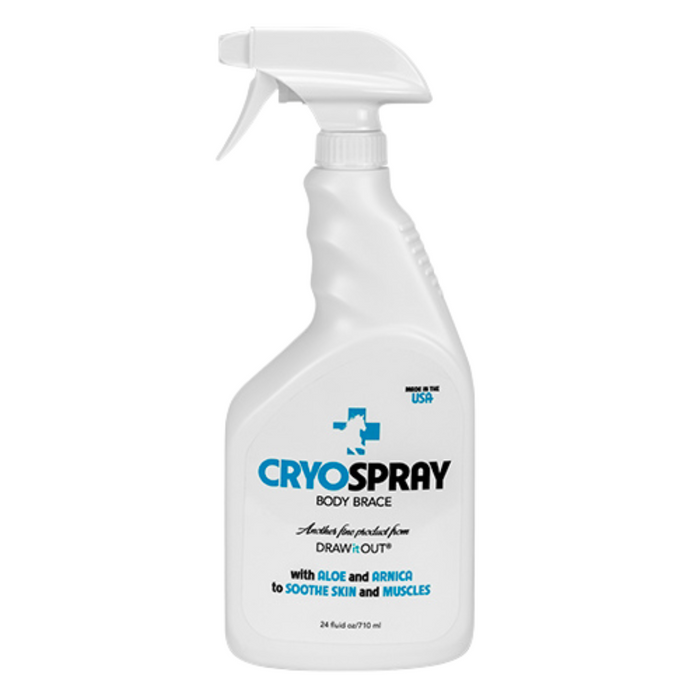
Victoria has described Draw It Out® products as part of her own routine. That personal experience should remain attributed to her. It does not prove a medical outcome or predict what another horse will experience.
Every rider should follow the current label and seek professional guidance when soreness, lameness, heat, swelling, or abnormal recovery appears.
When to stop and get help
- New lameness, heat, swelling, or hoof pain
- A young horse becoming confused, fearful, or physically overfaced
- A topical reaction or irritated skin
- Recovery that changes suddenly or worsens