Horse Stumbles at the Walk: What Riders Should Record
One trip can happen. A new or repeated stumble is a reason to stop, observe, and record the pattern. Use this rider checklist before the vet or farrier...
Free U.S. shipping at $50+
No code needed.
Shipping details
A horse-care handoff should identify each horse, spell out the established daily routine, list current care instructions and give the sitter a clear way to reach you and professional help. Walk through the jobs together before you leave. A written sheet supports that conversation; it does not replace it.
You know which latch sticks, which horse changes paddocks and where the correct measuring scoop lives. Someone covering your chores may not. The goal is to move that knowledge out of your head and into a plan another capable person can use.
Start with the horse's name, a recent identifying photo, stall or paddock location and the date the instructions were updated. Add the owner's contact details and a backup contact. Keep one authoritative copy in a known place, with the same version available by phone if practical.
Remove old instructions. A wall covered in three versions of a feeding plan forces the sitter to decide which one you meant. Changes should be dated and acknowledged before the next shift.
“One scoop” only works if the scoop and measuring method are unambiguous. Show the sitter the actual equipment. Medication directions should come from the prescribing veterinarian; do not ask a sitter to interpret an old label or improvise a change.
HORSE CARE HANDOFF
Horse / identifying photo:
Sheet updated:
Owner / backup contact:
Veterinarian / after-hours number:
Feed / exact amount / measuring method / time:
Water check:
Turnout / companions / restrictions:
Routine care / current label or written plan:
Professional instructions attached:
Supplies and equipment location:
Changes to report immediately:
Emergency arrangements:
Completed jobs / time / initials:
Questions or exceptions:
Keep emergency contact and authorization arrangements clear before departure. Ask your veterinary practice what it needs if someone else will be caring for your horse. The sitter should know whom to contact, where the property is and how to describe access for a responding professional.
Show the route from feed room to stalls to turnout. Demonstrate gates and water controls. Ask the sitter to point out the correct feed and equipment, then describe the sequence in their own words. This catches vague instructions while you are still standing beside each other.
Keep unfamiliar or specialized jobs with someone qualified to perform them. A helpful neighbor is not automatically prepared to give medication, handle a difficult horse or apply a veterinary bandage.
A tick beside “evening chores” can hide a skipped task. Use a short record for the important jobs, with time and initials. Add an exception field so “not completed” does not get mistaken for “forgotten.”
Ask for objective observations: what was seen, when it started and whether it changed. Our horse symptom timeline guide can help organize information for a veterinary conversation.
For a topical routine, identify the exact bottle and refer to its current label. If the horse already uses Draw It Out® 16oz Horse Liniment Gel, keep that product with the approved instructions. A handoff is a poor time to introduce an unplanned product change.
A message can share the current sheet, but a scattered thread is hard to follow. Consolidate the instructions and confirm the sitter has the latest version.
Put daily jobs and urgent contacts first. Keep background information separate so the essential instructions are easy to find.
Contact the responsible person. Record the issue and follow the agreed plan rather than guessing.
Be your horse's hero, we'll help you do it. Start with a handoff the next person can follow.
One trip can happen. A new or repeated stumble is a reason to stop, observe, and record the pattern. Use this rider checklist before the vet or farrier...
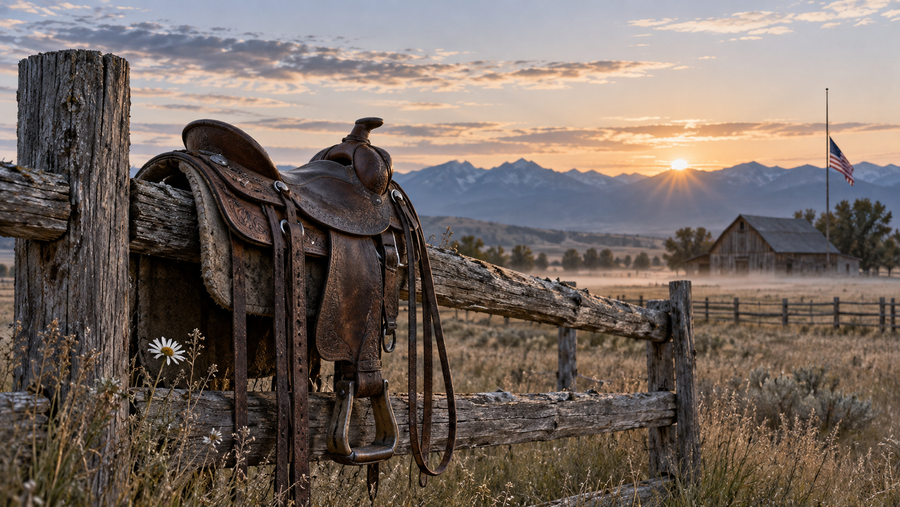
A quiet rider's remembrance of the lives lost on September 11 and the duty we share to carry their stories forward.
Before another supplement, gadget, or training fix, look at the foundation. Friends, forage, and freedom give horses more of what they need to live and feel like horses.
!