


Daily recovery
Liniment Gels
Explore the Draw It Out® liniment gel lineup for everyday use, post-work routines, and targeted recovery support.
Shop liniment gelsFree U.S. shipping at $50+
No code needed.
Shipping details
Quick answer: When your horse is not normal, call the veterinarian promptly and give a simple timeline: what changed, when you first saw it, what happened before it, what the horse is doing now, and anything already given or applied. For an urgent problem, build the timeline while someone calls. Do not delay the call to finish your notes.
Good veterinary communication is not about sounding medical. It is about giving clear observations in the order they happened. A useful timeline helps the veterinarian decide how urgent the situation may be, what questions matter next, and what preparation could save time when the horse is examined.
The American Association of Equine Practitioners emphasizes clear, accurate medical history and communication when cases are transferred between veterinarians. The same discipline helps an owner make a better first call.
Call your veterinarian or emergency service immediately for severe bleeding, a deep or contaminated wound, suspected fracture, inability to rise, uncontrolled pain, marked breathing difficulty, choking, neurologic signs, collapse, eye injury, severe colic signs, a horse that cannot bear weight, or rapidly worsening swelling. Follow the clinic's instructions while you wait.
If you have another capable person present, one person should call while the other keeps the horse and surrounding people safe. Do not spend ten minutes gathering perfect information before making an emergency call.
Your first sentence should help the clinic orient quickly. Include:
If you do not know something, say that. A clean "unknown" is better than a guess that becomes part of the medical history.
Start at the last point when the horse was clearly normal, then move forward. Record times as closely as you can.
For a leg or movement concern, note the surface, direction, gait, and whether the change is different on a straight line versus a turn. Do not force a painful horse to jog or circle unless your veterinarian directs you to do so.
Describe behavior before you describe theories. Useful observations include:
Use comparisons when possible. "The left front fetlock is warmer and visibly larger than the right" is more useful than "It feels hot." Your established normal baseline matters here. If you do not already have one, learn how to create a horse leg baseline on a healthy day.
Temperature, pulse, and respiration can help the veterinarian, but only when they are taken correctly and without putting anyone at risk. The Rutgers Cooperative Extension guide to equine vital signs explains normal measurement methods and why owners should learn their individual horse's baseline.
Record the number, time, method, and circumstances. A pulse taken immediately after a stressful event is not the same as a resting pulse. If you cannot safely obtain a measurement, say so and move on. Do not wrestle with a painful, frightened, or neurologically abnormal horse.
Take images in good light and keep the original files with their timestamps.
Avoid dramatic angles, filters, and repeated handling just to improve the image. If your veterinarian asks for a movement clip, use this guide to film a useful horse trot-up video.
Tell the veterinarian what the horse receives routinely and what was given for this event. Include prescription drugs, over-the-counter products, supplements, injections, liniments, poultices, wound products, shampoos, and anything mixed into feed.
For each item, give the product name, amount, route, time, and reason. Do not hide a treatment because you worry it was the wrong choice. The veterinarian needs an accurate history to make sound decisions.
Unless emergency first aid is clearly required or your veterinarian directs it, avoid adding new medications or topicals before the call. A new product can change what the veterinarian sees and can complicate competition medication records.
Horse: name, age, sex, breed, use
Location: farm, barn, stall, event grounds
Last known normal: date and time
First change seen: date, time, exact observation
Current status: stable, improving, or worsening
Food, water, manure, urine: what is normal and what changed
Vital signs: values, time, method, or "not safely obtained"
Recent events: work, travel, farrier, feed, medication, turnout, weather
Given or applied: product, amount, route, time
Photos or video: available and timestamped
Follow your clinic's process. For a potentially urgent problem, call first. Ask where and how the veterinarian wants photos or video sent.
Share the measurements you can obtain safely and explain the circumstances. After the current issue is resolved, build a normal baseline with guidance from your veterinarian.
Ask first. Do not apply a topical over broken skin or use it to delay evaluation of a new problem. The veterinarian may want to examine temperature, swelling, sensitivity, or movement before anything is applied.
A symptom timeline does not diagnose the horse. It gives your veterinarian cleaner information and protects important details from getting lost during a stressful moment. Save the template in your phone now, while your horse is healthy. For non-urgent routine-care questions after veterinary concerns are ruled out, use the Draw It Out® Solution Finder.
Care note: This article is educational and does not replace veterinary diagnosis, emergency care, or treatment. When in doubt, call your veterinarian.
This article gives you the background. If you are ready to put the idea into a real horse care routine, these are the next places most riders should go.
Explore the Draw It Out® liniment gel lineup for everyday use, post-work routines, and targeted recovery support.
Shop liniment gelsMatch your horse’s workload, age, routine, and care goals to the Draw It Out® products that make the most sense.
Use the finderLearn how riders support soundness, comfort, and consistency before little issues become bigger problems.
Read the guideReal Barn Proof
Real riders. Real horses. Real routines. These clips rotate automatically so the proof stays fresh without weighing the page down with a long feed.
Why this matters: good horse care should make sense outside the ad. These clips show the kind of everyday use that builds trust one barn at a time.
Further Reading
Horse care works better when the next step is clear. These related reads help connect today’s topic to better daily decisions in the barn.
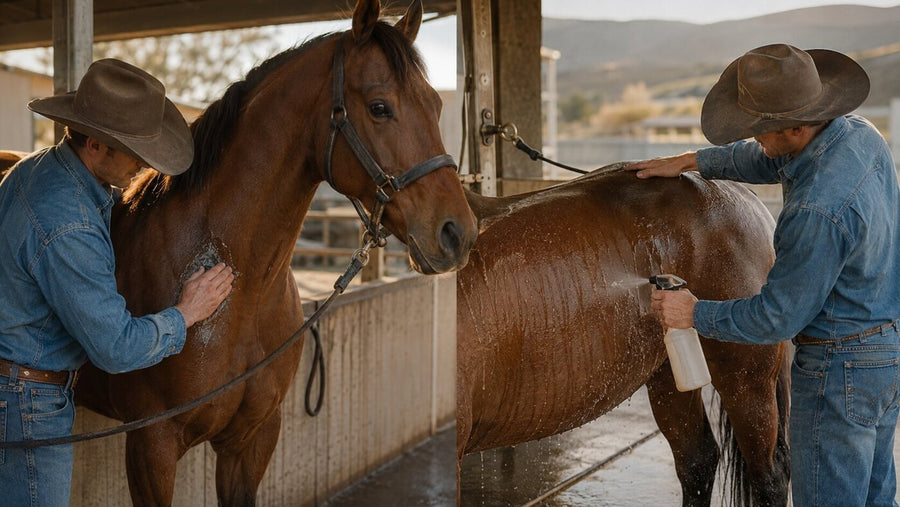
Aug 10, 2026
Compare horse liniment gel and concentrate by coverage, mixing, routine, and barn size, then choose the Draw It Out® format that fits.
Read article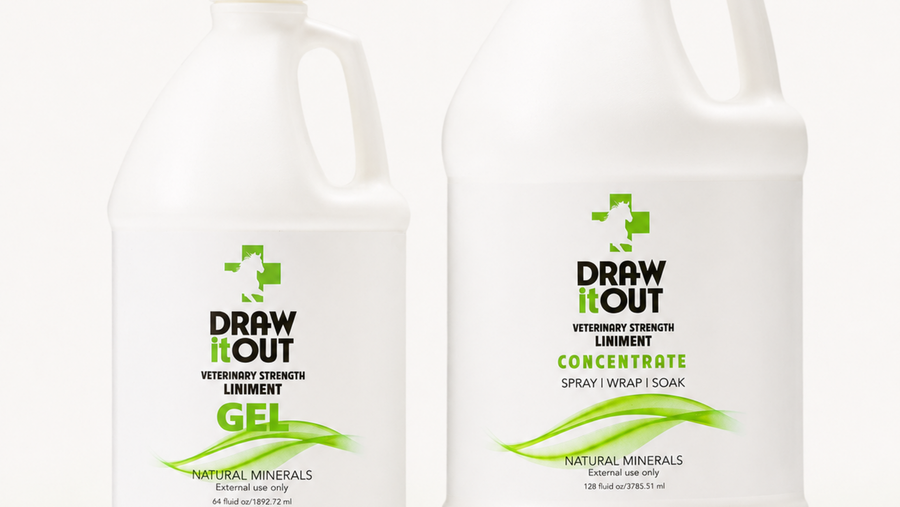
Aug 08, 2026
A practical guide to sequencing equine red light therapy, massage and Draw It Out® Liniment without confusing separate tools or overstating th...
Read article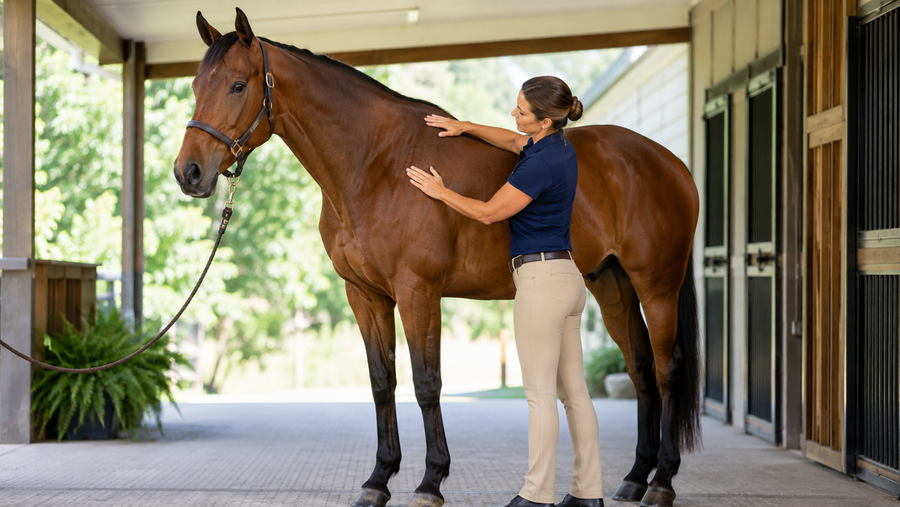
Aug 05, 2026
Why do equine bodyworkers, massage therapists and chiropractors choose Draw It Out®? Compare Gel and Concentrate, professional workflows, afte...
Read articleStart with the principle, then build the habit. The right article should make the next barn decision easier, not more complicated.
Next Step
Simple care guides, practical product paths, and rider-trusted tools built for real horses and real routines.
Good care gets easier when the next step is obvious. Read the guide, match the routine, then choose the format that fits how your barn actually works.
Recovery Routine
Want a smarter way to think through post-ride care, heat, swelling, leg support, and daily recovery decisions? Start with the Performance Recovery Hub.
Better recovery starts with a repeatable routine. The hub gives riders a clearer path from workload to product format to aftercare timing.
Rider Favorites
Four core Draw It Out® staples riders keep close for daily recovery routines, wash rack use, targeted support, and quick barn-side care.
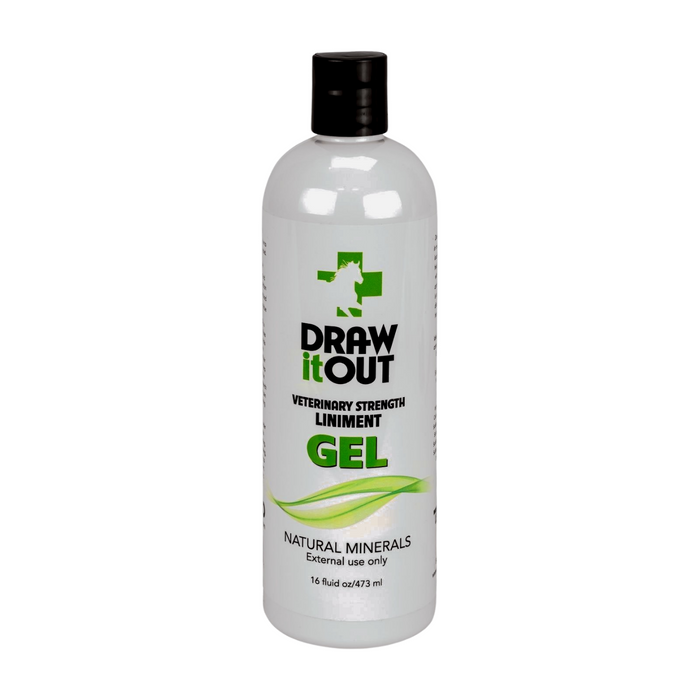
Stay-Put Gel
The everyday liniment gel format riders reach for when they want targeted, no-mess application.
View product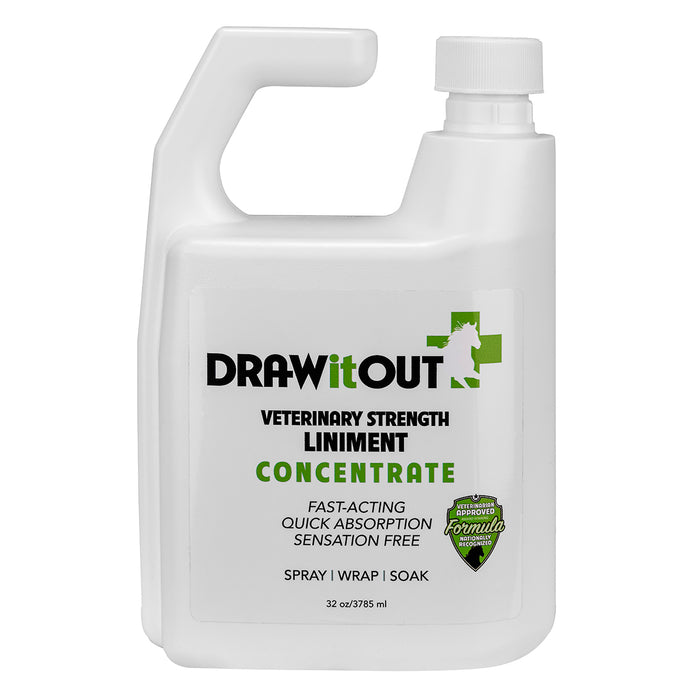
Mix Your Way
A flexible concentrate for riders who want to mix their own routine around workload and barn needs.
View product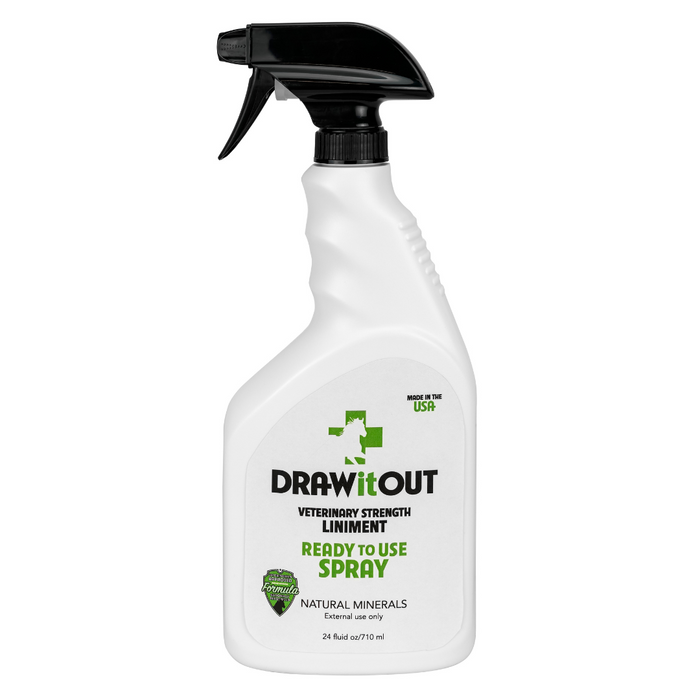
Ready To Use
A ready-to-use spray format for quick application after work, travel, turnout, or daily care.
View product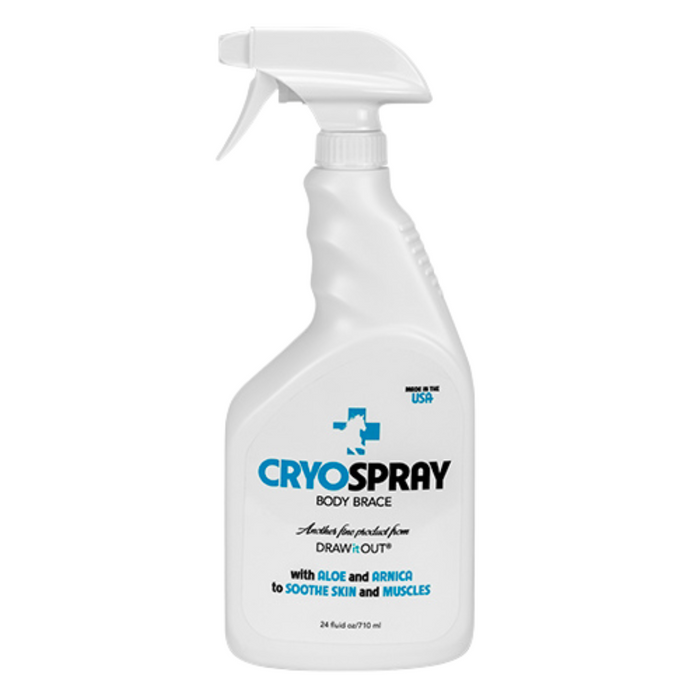
Cooling Brace
A cooling body brace spray for riders who want a fast, practical option after hard work or hot days.
View productFormat matters. Gel, concentrate, ready-to-use spray, and cooling spray each solve a different barn problem. Pick the one your routine will actually use.
!