Trail Riding Recovery: How to Care for Your Horse After the Ride
Whether you’re coming off a weekend camping trip or a relaxing trail loop, your horse’s body worked harder than you think. Here’s how to cool down, check for soreness, and keep your trail partner feeling great.
Speakable summary: Trail rides may feel relaxed, but they still ask a lot from your horse. Hills, uneven footing, and longer ride times can leave horses tired, stocked up, or sore the next day. A smart recovery routine includes a proper walk-out, hydration, a whole-horse soreness check, and targeted topical support where it makes sense.

Trail Miles Hit Differently
Even at slower gaits, trail riding brings hills, uneven footing, longer ride times, and constant micro-adjustments in the body. That means more work for joints, tendons, stabilizing muscles, and the back than many riders realize.
Recovery is not just for arena horses. It matters for trail horses too, especially when the ride looked easy but covered more ground or more terrain than usual.
Post-Ride Walk Out
Just like after any workout, a cool-down walk helps normalize heart rate and circulation. Give your horse at least 10 minutes of relaxed walking, either under saddle or in hand, before you untack and call it done.
Hydration Check
Offer water right away. If the ride was long, steep, dusty, or warm, hydration deserves more attention than a quick glance.
For tougher efforts or horses that need a little extra support, consider electrolytes. For sensitive stomachs, Hydro-Lyte with GastroCell supports hydration without adding unnecessary digestive drama.
Inspect the Whole Horse
Do not stop at the tack room view. Put hands on the horse and actually check them over.
- Check hooves for rocks, bruising, cracks, or a loose or lost shoe
- Run your hands along the back, girth area, and shoulders for swelling or sensitivity
- Palpate legs and tendons for heat, puffiness, or uneven swelling
- Look at the saddle area for rubs or pressure spots
- Watch how the horse walks away after standing for a minute or two
Many soft tissue issues do not announce themselves loudly right away. Uneven terrain often shows up as subtle soreness first.
Topical Recovery Tools
Trail riding taxes more than one area, so the right recovery support depends on where the workload landed.
For legs, hocks, and knees
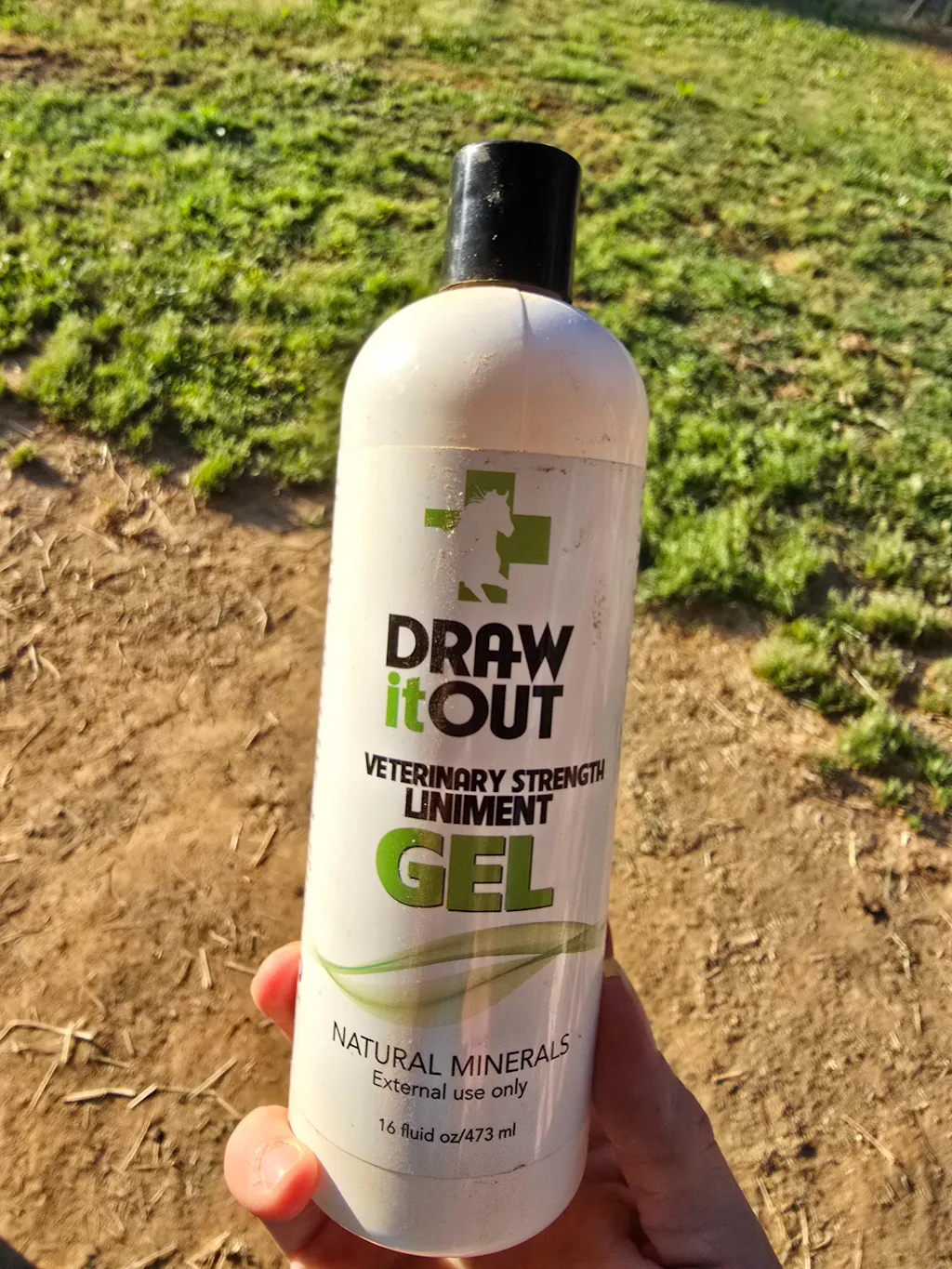
Draw It Out® 16oz Gel works well where you want more targeted application and better stay-put coverage.
For back, shoulders, and lumbar
RTU Spray makes sense when you want broader, faster coverage across larger working areas.
For a post-ride rinse routine
IceBath™ Cooling Body Wash fits well after dusty, warm, or sweat-heavy rides when a rinse is already part of the plan.
Routine fit matters
These products are useful because they are show-safe, non-tingling, and easy to work into a regular post-ride rhythm instead of turning recovery into a production.
Next-Day Watch
The day after a trail ride, check again for stiffness, filling, sensitivity, or mood changes. A horse that felt fine right after the ride may still tighten up overnight.
Some mild fatigue is normal. Stiffness that lingers, swelling that worsens, or soreness that changes how the horse moves deserves a closer look from your veterinarian or bodyworker.
Final Thoughts: Real Riders Ride Smart
Trail riding is peaceful, useful, and good for the mind. That does not make it light work. Smart recovery is one of the easiest ways to protect your horse, catch problems earlier, and make the next ride better instead of just hoping it will be.