How to Tell If You Are Asking Too Much Too Soon
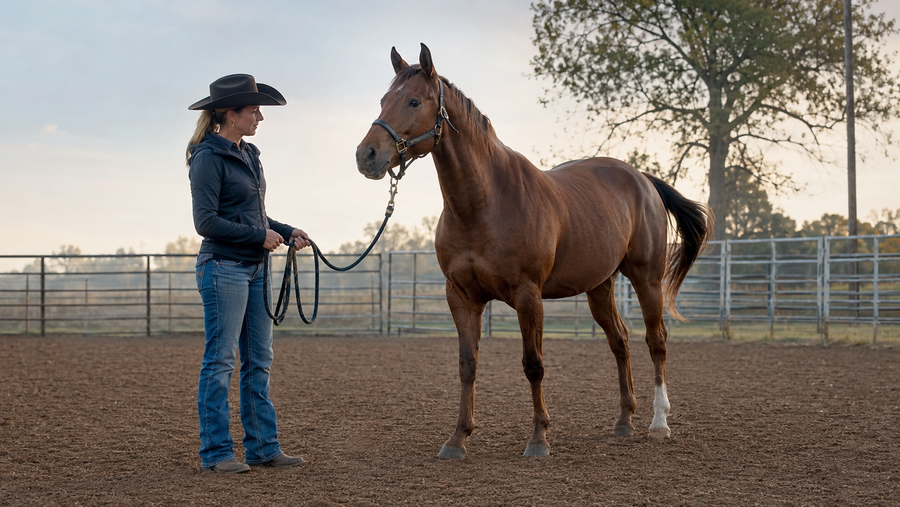
Learn how rhythm, confidence, soreness, behavior, recovery, and repeatability can show that a horse’s workload or training progression moved too fast.
Free U.S. shipping at $50+
No code needed.
Shipping detailsFrom Draw It Out®
The everyday decisions behind good horse care. Find practical checks, barn routines, and clear questions to take to the professionals on your horse’s team.
Learn how rhythm, confidence, soreness, behavior, recovery, and repeatability can show that a horse’s workload or training progression moved too fast.
When an arena plan stops working, separate confusion, discomfort, fatigue, environment, and rider timing before choosing a simpler next step.
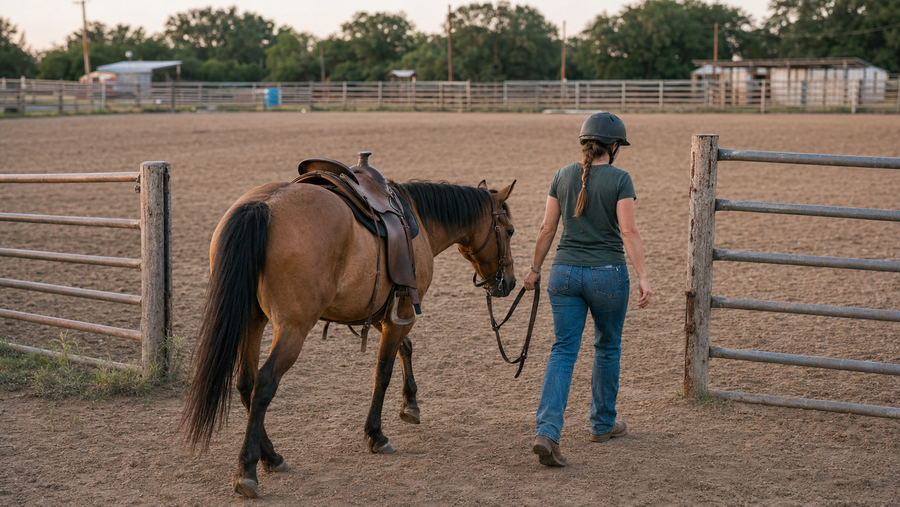
Steady, fair riding builds more useful fitness and confidence than occasional weekend overload. Learn how to plan small sessions and track recovery.
A Real Rider Resource article on the difference between a fresh horse with energy and an unprepared horse lacking the foundation for the ask.
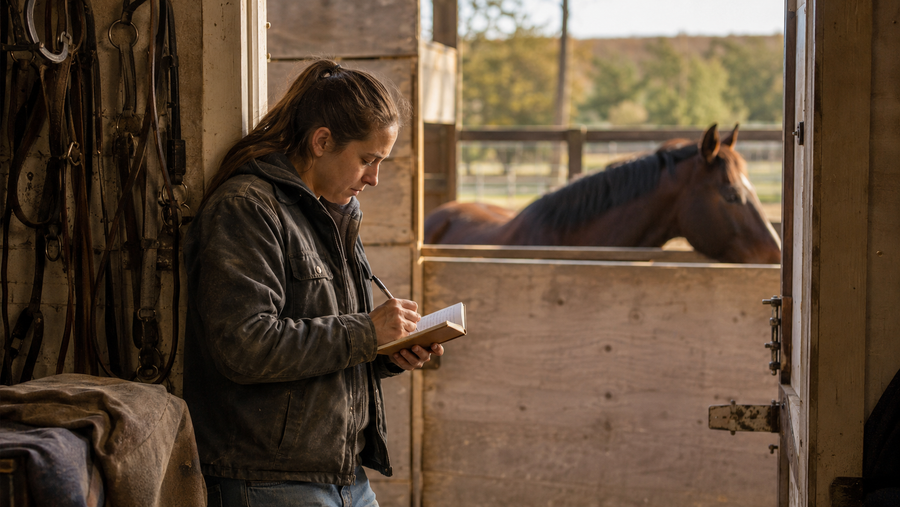
Real riders keep notes because patterns beat memory. A simple record of work, footing, behavior, and recovery makes better decisions possible.
A Real Rider Resource guide for knowing when ending the ride early is the smarter horsemanship decision.
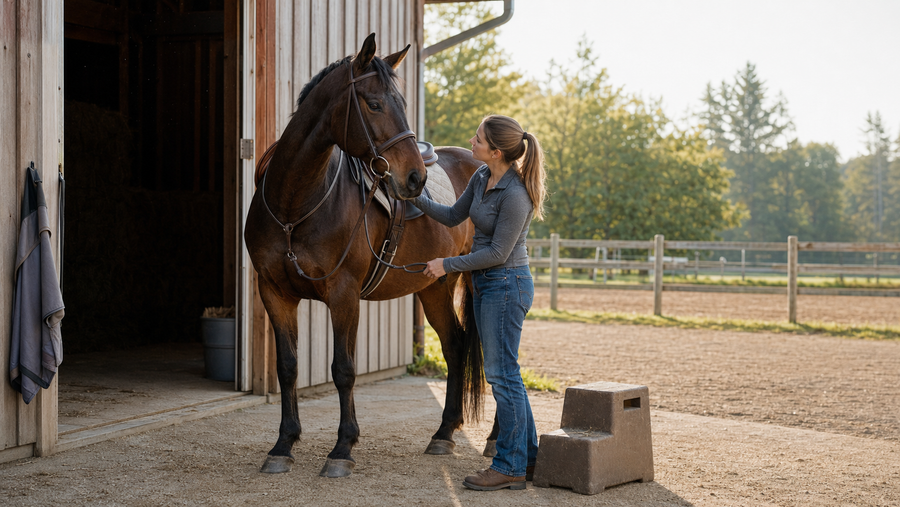
Before every ride, ask what changed since the last time this horse worked. That answer should shape the warmup and the plan.
A Real Rider Resource article on reading early resistance, separating attitude from information, and knowing when to change the plan.
A practical Real Rider Resource checklist for catching small barn changes before they become bigger horse-care problems.
A practical dealer guide to choosing useful horse-care topics, building customer trust, supporting local search, and setting clear safety boundaries.
A locked-style Real Rider Resource article on simple barn communication: what to write down after a ride, haul, bath, turnout change, or care routine so tomorrow’s rider is...
An evergreen recovery audit for workload, footing, heat, hauling, cooling, hydration awareness, appetite, legs, back, behavior, next-day movement, and veterinary red flags.
!