

Daily recovery
Liniment Gels
Explore the Draw It Out® liniment gel lineup for everyday use, post-work routines, and targeted recovery support.
Shop liniment gels
Double-cream horse color guide
Perlino and cremello horses can look almost identical at first glance. Both usually have pale cream coats, pink skin, and light blue eyes. The difference is the base coat underneath the two cream genes.
Quick answer: A cremello is a chestnut horse with two copies of the cream allele. A perlino is a bay horse with two copies. Perlinos may keep slightly warmer color in the mane, tail, ear tips, muzzle, and lower legs, but appearance alone is not always conclusive. DNA testing is the clean tie-breaker.
Base coat: Chestnut
Common look: Even ivory or pale cream body with a very light mane and tail.
Base coat: Bay
Common look: Pale cream body with faint apricot, tan, or rusty warmth at the points.
Base coat: Black
Why it matters: Another double-cream color that can be difficult to separate by eye.
The body coat is the least reliable place to make the call. Sun, season, clipping, dust, and photography can shift the way a pale coat reads. Start with the points, then use parentage or DNA when the label matters.
The body can fool you. The points tell you where to look. Genetics settles it.
The cream dilution is associated with the SLC45A2 gene and shows incomplete dominance. That means one copy of the cream allele changes the coat, while two copies create a much stronger dilution.
| Base coat | One cream copy | Two cream copies |
|---|---|---|
| Chestnut | Palomino | Cremello |
| Bay | Buckskin | Perlino |
| Black | Smoky black | Smoky cream |
Two cream copies strongly dilute both red and black pigment. That is why cremello, perlino, and smoky cream horses may be hard to distinguish without genetic testing. The name describes color genetics, not a breed, job, quality, or temperament.
No. These horses are double-cream dilutes. They still produce pigment, but the cream variant changes how that pigment appears. Their pale coats, pink skin, and blue eyes come from dilution, not from the complete absence of pigment implied by true albinism.
Barn truth: Pale does not mean fragile. It does mean redness, rubs, stains, and skin changes can be easier to see, so a steady observation routine pays off.
Non-pigmented skin is more vulnerable to sunburn from extended ultraviolet exposure. Build management around the individual horse, turnout conditions, and your veterinarian's guidance. Shade, fly protection, clean tack, and routine skin checks matter more than chasing a cosmetic fix.
Check the muzzle, around the eyes, ear edges, and any white or sparsely haired areas for new redness, peeling, crusting, or tenderness.
Keep halters, bridles, saddle pads, boots, and wraps clean. Pale skin makes rubs easy to spot, but prevention still starts with fit and cleanliness.
A dirty coat is cosmetic. Heat, swelling, pain, drainage, spreading crusts, or broken skin deserve a different level of attention.
Call your veterinarian when: redness is painful or persistent, skin is blistered or ulcerated, swelling or drainage appears, lesions spread, or a horse suddenly becomes unusually sensitive to sunlight. Photosensitization can look like ordinary sunburn but may point to a separate medical problem.
Light coats do not need panic cleaning. They need earlier, smaller cleanup. The goal is healthy skin and a clean coat, not aggressive stripping.
The clean wash-rack route
For regular full baths, ShowBarn Secret® Lavender Horse Shampoo is the direct grooming route. It is sulfate-free and salt-free, built for frequent-bath routines, and easier to fit into a steady pale-coat program than a last-minute harsh wash.
See Lavender Horse Shampoo Use Coat & Grooming HelpJoin for practical horse-care guidance built for real routines.
Marketing emails. Unsubscribe anytime.
Coat shade changes with age, season, sun exposure, clipping, and camera settings. Other dilution genes can also complicate the picture. If the color matters for registration, breeding, or an accurate record, use DNA testing instead of forcing a visual guess.
A horse with two cream copies passes one cream allele to every foal. The other parent's genetics still help determine the foal's final base color and dilute color, so breeding predictions should use the full color-genetics picture.
No. Both have two cream alleles, but cremello is based on chestnut and perlino is based on bay.
Look for slightly warmer color in a perlino's mane, tail, ears, muzzle, and lower legs. Cremello usually has less point contrast. Treat that as a clue, not proof.
No. Cremello is a double-cream dilution on a chestnut base. The pale coat and pink skin come from dilution.
Yes. Some perlinos show very little visible point shading, especially in certain light, seasons, or photos.
They need the same fundamentals as any horse. Their pale coats and lightly pigmented skin make consistent sun management, clean tack, gentle grooming, and routine skin checks especially useful.
Use a coat-color DNA test that includes cream, red factor, and agouti. That combination identifies the cream copies and the underlying chestnut, bay, or black base.
Primary references: UC Davis Veterinary Genetics Laboratory: Cream and UC Davis Center for Equine Health: Equine Dermatology.
This guide is educational and does not replace veterinary evaluation. Painful, raw, swollen, spreading, blistered, or draining skin changes deserve veterinary guidance.
This article gives you the background. If you are ready to put the idea into a real horse care routine, these are the next places most riders should go.
Explore the Draw It Out® liniment gel lineup for everyday use, post-work routines, and targeted recovery support.
Shop liniment gelsMatch your horse’s workload, age, routine, and care goals to the Draw It Out® products that make the most sense.
Use the finderLearn how riders support soundness, comfort, and consistency before little issues become bigger problems.
Read the guideBased on this topic, this is the most direct product path to explore next.
Real Barn Proof
Real riders. Real horses. Real routines. These clips rotate automatically so the proof stays fresh without weighing the page down with a long feed.
Why this matters: good horse care should make sense outside the ad. These clips show the kind of everyday use that builds trust one barn at a time.
Further Reading
Horse care works better when the next step is clear. These related reads help connect today’s topic to better daily decisions in the barn.

Jul 24, 2026
A practical horse health guide for shoulder soreness after pole work: spacing, repetition, feet, saddle, rider balance, and recovery checks.
Read article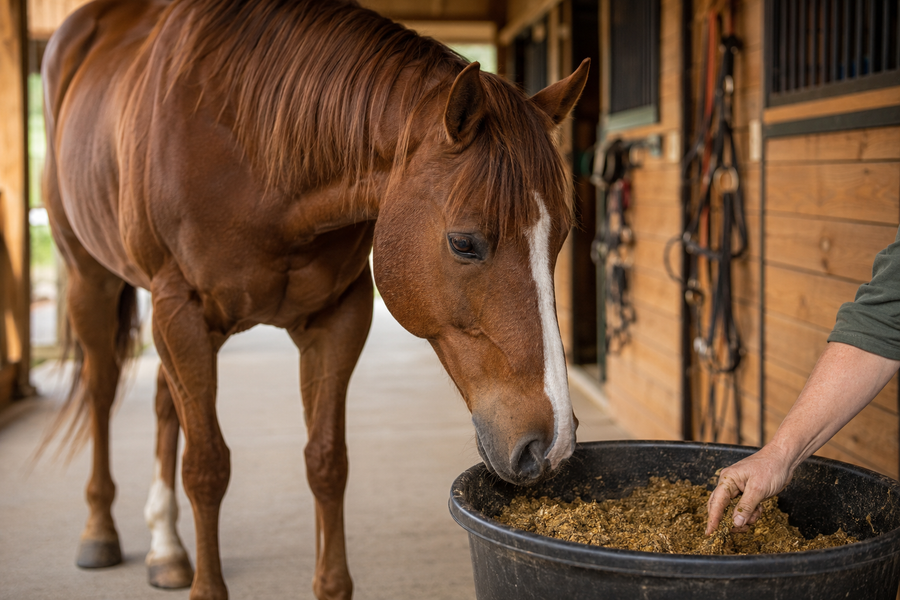
Jul 23, 2026
A practical feed-acceptance guide for introducing horse joint supplements, checking residue, protecting appetite, and knowing when refusal nee...
Read article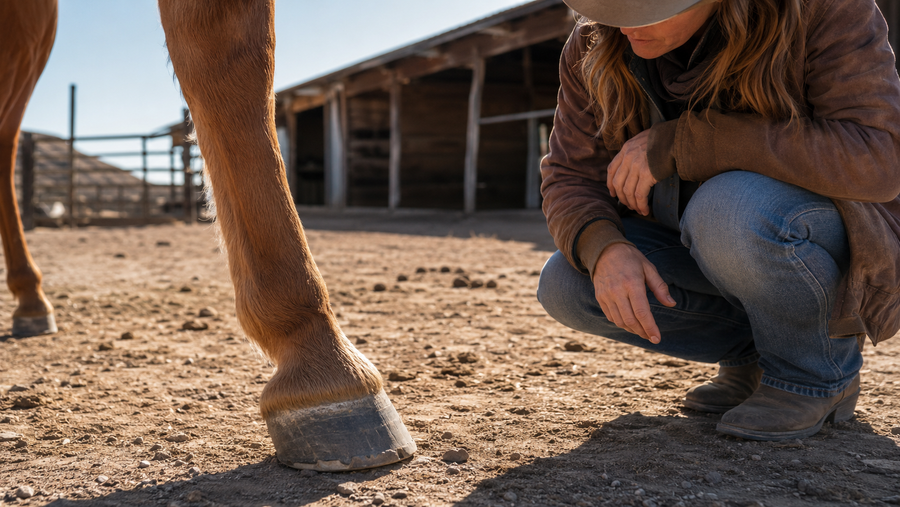
Jul 23, 2026
A practical horse health guide for hoof wall chipping in dry lots: trim timing, footing, cracks, shoe checks, and farrier or vet red flags.
Read articleStart with the principle, then build the habit. The right article should make the next barn decision easier, not more complicated.
Next Step
Simple care guides, practical product paths, and rider-trusted tools built for real horses and real routines.
Good care gets easier when the next step is obvious. Read the guide, match the routine, then choose the format that fits how your barn actually works.
Recovery Routine
Want a smarter way to think through post-ride care, heat, swelling, leg support, and daily recovery decisions? Start with the Performance Recovery Hub.
Better recovery starts with a repeatable routine. The hub gives riders a clearer path from workload to product format to aftercare timing.
Rider Favorites
Four core Draw It Out® staples riders keep close for daily recovery routines, wash rack use, targeted support, and quick barn-side care.
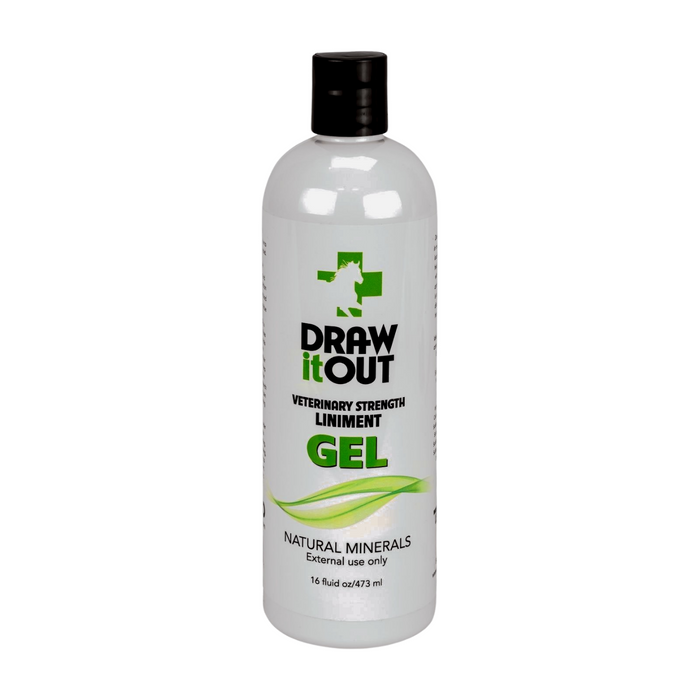
Stay-Put Gel
The everyday liniment gel format riders reach for when they want targeted, no-mess application.
View product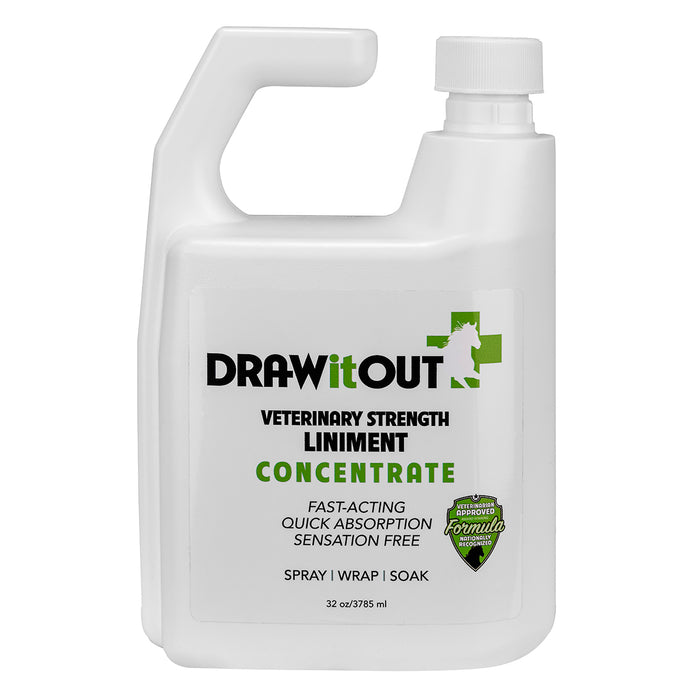
Mix Your Way
A flexible concentrate for riders who want to mix their own routine around workload and barn needs.
View product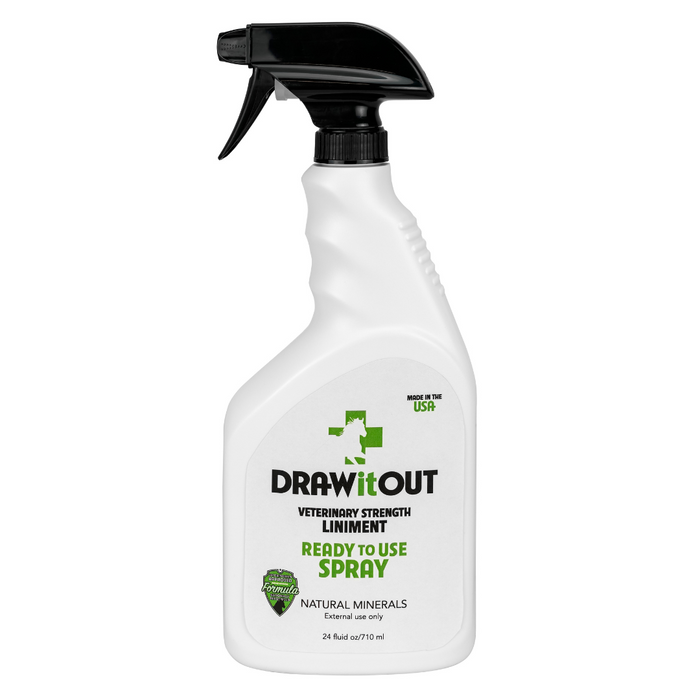
Ready To Use
A ready-to-use spray format for quick application after work, travel, turnout, or daily care.
View product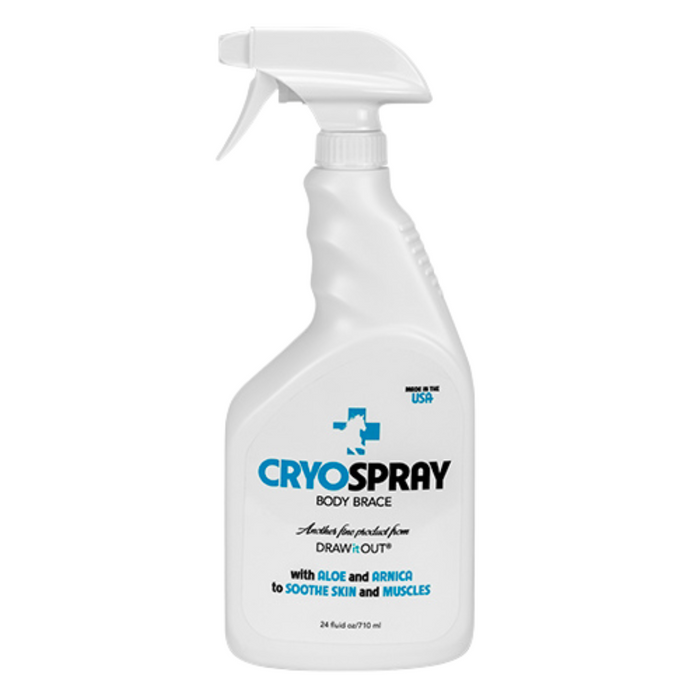
Cooling Brace
A cooling body brace spray for riders who want a fast, practical option after hard work or hot days.
View productFormat matters. Gel, concentrate, ready-to-use spray, and cooling spray each solve a different barn problem. Pick the one your routine will actually use.
!