Balance and Soundness

Horse Tripping or Stumbling Under Saddle

Tripping under saddle is not just clumsiness. It can point to hoof balance, soreness, weakness, fatigue, toe dragging, footing, or changes in how the horse is carrying itself.

Quick answer: Horse tripping is a movement warning sign. If it is new, repeated, one-sided, worsening, or paired with toe dragging, buckling, heat, swelling, or poor coordination, stop riding and involve your veterinarian.

What should you do next?

Sort safety first. Then decide whether this is a training, footing, farrier, body comfort, or recovery-routine issue.

Repeated, one-sided, toe dragging, or unsafe?

Stop riding and get professional help before asking for more work.

Mild and footing or fatigue related?Build a Prehabilitation baseline
Routine soreness or recovery pattern?Use the Solution Finder

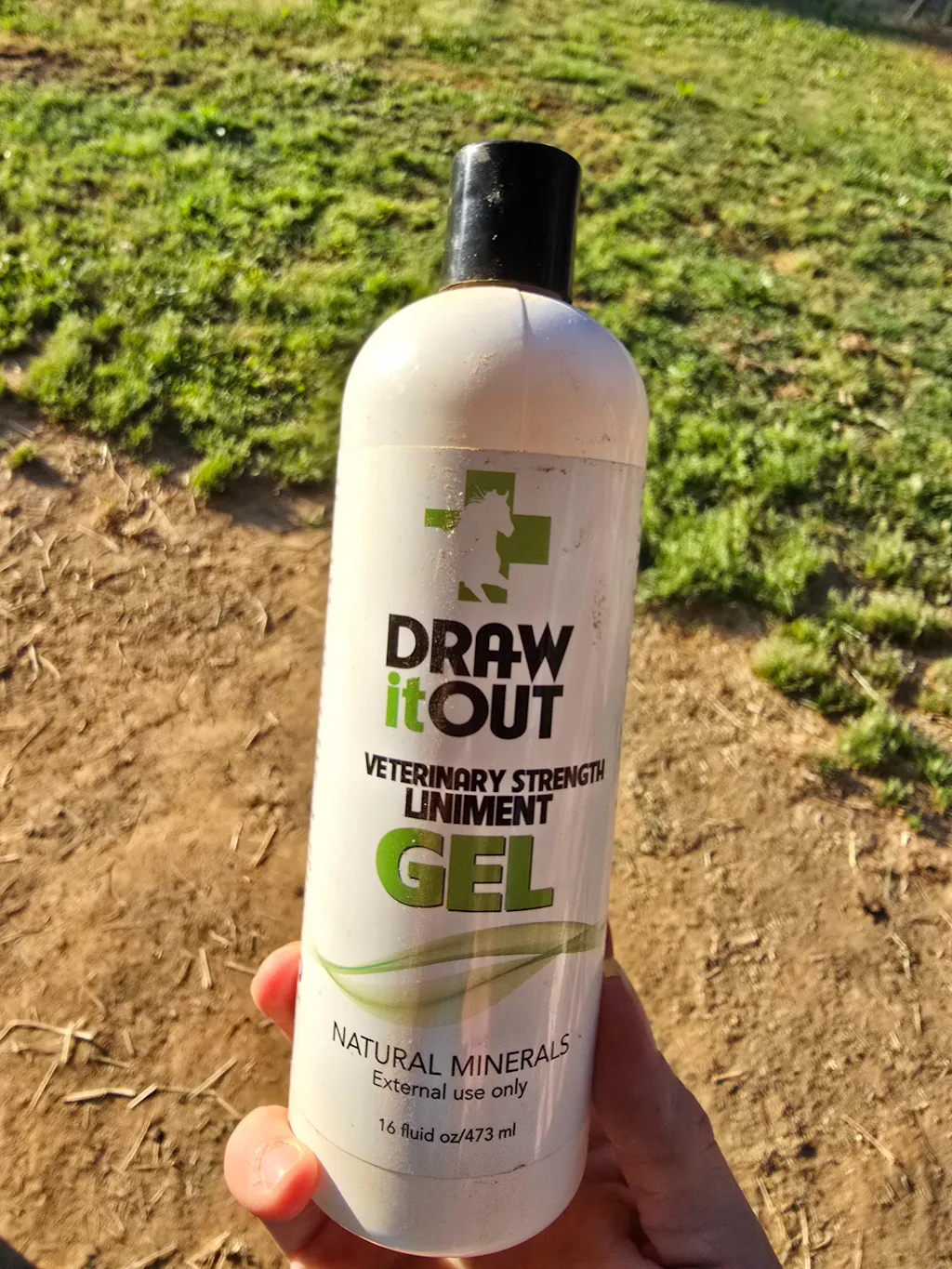
If the horse is stable and this looks like normal body fatigue or recovery need, browse the liniment gel collection.

30-second triage

  • Nearly falling or buckling behind
  • Repeated tripping on the same limb
  • Toe dragging plus stumbling
  • Heat, swelling, or a strong pain response
  • Worse as the ride continues

Higher concern: new, repeated, one-sided, toe dragging, or escalating. Often milder: occasional warm-up toe catches that improve or footing-related missteps.

What the pattern usually means

Worse in deep footing

Footing can expose weakness, soreness, or hoof-mechanics issues.

More frequent late in the ride

Fatigue, conditioning gaps, soreness, or posture breakdown may be involved.

Toe dragging plus stumbling

This is stronger than a simple misstep and deserves closer evaluation.

Common causes

  • Long toe or delayed breakover
  • Trim cycle running too long
  • Sore soles or hoof discomfort
  • Stifles, hocks, back, or sacroiliac tension
  • Weak hindquarters and poor engagement
  • Workload jump or fatigue

Related guides

FAQ

Why is my horse suddenly tripping?

Sudden tripping can involve hoof soreness, trim timing, hock or stifle discomfort, back or sacroiliac tension, workload changes, fatigue, or a coordination issue.

Is tripping always lameness?

No. Mild occasional tripping can come from footing, fatigue, stiffness, or hoof timing. Persistent, one-sided, or escalating tripping is more concerning.

What if my horse is stumbling and dragging a hind toe?

Stumbling plus hind toe dragging is a stronger pattern than a simple occasional misstep. Use the horse dragging hind feet guide and involve a professional if it is sudden, repeated, one-sided, worsening, or paired with instability.

Draw It Out®

Show-Safe Relief. Naturally.

We build every product for real riders who care as much as we do. No burn, no sting, no nonsense. Just clean, sensation-free relief built for real horses, real barns, and repeatable routines.

From barn aisle to show ring, Draw It Out® stands for one simple promise. Modern Performance, Proven Calm.

Start Here

Not sure what to do next?

Pick the fastest next step. If you already know what you need, jump straight to the right lane.

Routine first

Built for repeatable routines, not hype.

Real riders

Made for everyday horse people who do the work.

Need help?

Need a quick pointer? Contact us.