Hind End Strength and Comfort

Horse Weak Behind

Weak behind can look like slipping in turns, slow engagement, difficulty holding canter, dragging a toe, or loss of push. Treat it as information, not attitude.

Quick answer: Hind end weakness is often comfort, strength, hoof balance, or biomechanics. If it is sudden, one-sided, worsening, or paired with buckling, stumbling, toe dragging, or unsafe coordination, stop riding and contact your veterinarian.

What should you do next?

Weak behind pages attract worried riders. The bridge must be clear: safety first, routine second.

Buckling, stumbling, dragging, crossing, or unsafe?

Stop riding and call your veterinarian. Do not train through instability.

Mild, bilateral, improves with warm-up?Build a Prehabilitation baseline
Routine body fatigue or stiffness?Use the Solution Finder

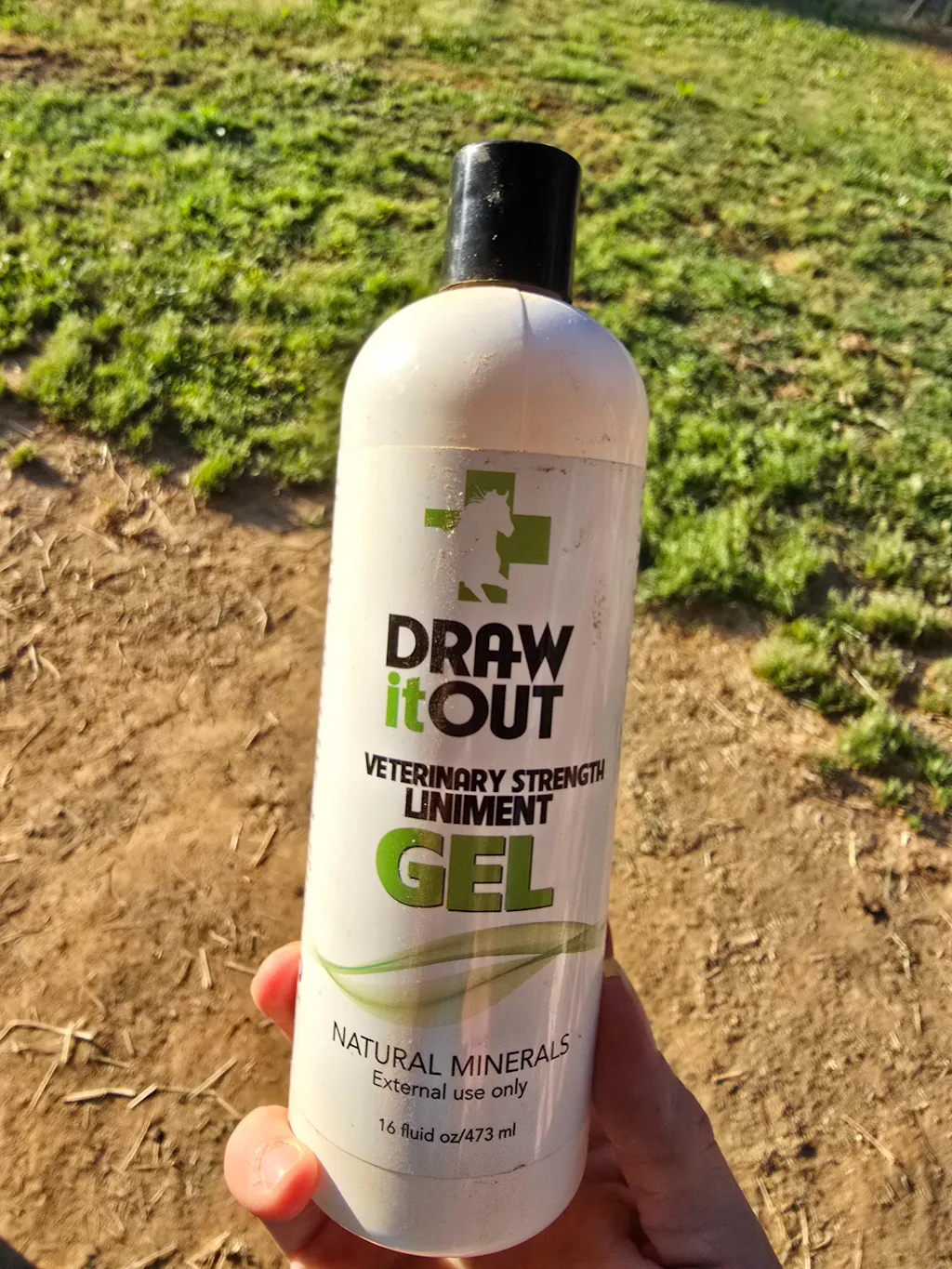
If the horse is stable and this is a normal recovery/support situation, browse the liniment gel collection.

How hind end weakness shows up

Transitions feel harder

The horse is slow to pick up canter, reluctant to sit, or falls apart through downward transitions.

Turns lose balance

Slipping, dropping a hip, falling in, or losing push may point to strength or comfort issues.

The horse feels flat

Loss of impulsion, dragging behind, or dullness can be early information before visible lameness.

Common causes of weak behind

  • Stifle weakness or discomfort
  • Hock stiffness
  • Sacroiliac tension
  • Sore back or tight topline
  • Poor hoof balance or trim timing
  • Conditioning gap after time off
  • Coordination concerns that need veterinary evaluation

A three-step plan for mild cases

  1. Build strength slowly. Use hills, raised poles, transitions, and controlled trot sets only when the horse is safe and sound.
  2. Unlock the topline. Use relaxed warm-up, long and low stretching, and straight lines.
  3. Support recovery consistently. Cool down, check the body, and use topical support only as part of an appropriate routine.

Related movement guides

FAQ

Why does my horse feel weak behind?

Weak behind usually ties back to discomfort, strength, biomechanics, hoof balance, topline tension, or a conditioning gap.

Is hind end weakness always lameness?

Not always. Some horses are under-conditioned. Toe dragging, stumbling, reluctance, swelling, or unevenness means the horse needs closer evaluation.

Should I ride a horse that feels weak behind?

If weakness is mild, improves with warmup, and shows no soreness or instability, light strengthening may help. If weakness is sudden, uneven, worsening, or paired with pain or instability, stop riding and assess.

Where does liniment gel fit?

Liniment gel can support a daily routine for mild stiffness, post-work soreness, and hardworking horses. It does not replace veterinary care, diagnosis, conditioning, farrier work, or saddle fit.

Draw It Out®

Show-Safe Relief. Naturally.

We build every product for real riders who care as much as we do. No burn, no sting, no nonsense. Just clean, sensation-free relief built for real horses, real barns, and repeatable routines.

From barn aisle to show ring, Draw It Out® stands for one simple promise. Modern Performance, Proven Calm.

Start Here

Not sure what to do next?

Pick the fastest next step. If you already know what you need, jump straight to the right lane.

Routine first

Built for repeatable routines, not hype.

Real riders

Made for everyday horse people who do the work.

Need help?

Need a quick pointer? Contact us.