
Balance and coordination

Horse Wobbling or Swaying Behind

If a horse feels loose, unstable, drifty, or like the hind end is not tracking cleanly, that is not a quirk to shrug off. Hind-end wobbling can point to weakness, soreness, coordination trouble, poor limb placement, hind toe dragging, or in some cases a more serious neurologic problem. The key is reading the pattern early and not waiting until the horse gets unsafe.

What you are seeing

What hind-end wobbling usually means

Wobbling, swaying, weaving, drifting, or feeling unsteady behind usually means the horse is struggling to organize the hind limb chain. Sometimes that comes from plain weakness. More often it comes from discomfort, fatigue, compensation, or a movement-control problem.

The most useful question is not just is the horse wobbling. It is when does it happen. Does it show up on circles, in transitions, backing up, uneven ground, hills, after the horse has already worked for a while, or alongside hind toe dragging. Those details help separate a mild stability issue from a bigger one.

A horse that feels unstable behind is giving you information. Do not write it off as laziness, awkwardness, or attitude.
Why it happens

Common causes of wobbling or swaying behind

  • Stifle weakness or discomfort can make the hind end feel delayed, shaky, or unreliable in transitions and hill work.
  • Hock discomfort can reduce clean flexion and leave the stride feeling short, sticky, or unstable.
  • Sacroiliac strain or back soreness can disrupt the horse's ability to stabilize the pelvis and push evenly from behind.
  • Soft tissue overload through the surrounding support structures can interfere with normal limb timing.
  • Hoof imbalance, long toes, under-run heels, or poor trim timing can change how the horse catches balance behind.
  • Simple weakness and fatigue can show up as hind-end drift, especially in horses coming back to work or lacking topline and hindquarter strength.
  • Neurologic issues can cause delayed limb placement, crossing behind, poor coordination, toe dragging, or body sway that does not fit a normal soreness pattern.

The exact cause matters because the correction is not the same. A weak horse needs a different plan than a painful horse, and both need a different plan than a neurologic horse.

Stability usually improves when you reduce irritation, improve recovery, and build strength with a repeatable routine. Guessing and riding through it usually makes the signal louder.

Shop liniment gel
Real rider routine

A practical three-step plan for mild, non-emergency instability

Use this approach only when the horse is not acutely lame, not getting worse quickly, and not showing clear neurologic warning signs. This is a support framework, not a substitute for veterinary evaluation.

Step 1

Reset movement quality

Start with longer warmups, straight lines, balanced turns, and quiet transitions. Many horses look worse behind when rushed into collected work before they are ready to organize the body.

Step 2

Build true hind-end strength

Use thoughtful hill work, poles, transitions, and straight-line conditioning to develop the glutes, stifles, hocks, topline, and pelvic stability instead of just drilling circles.

Step 3

Support recovery honestly

Consistent post-work care helps you stay ahead of daily soreness in the back, sacroiliac region, stifles, hocks, and major hindquarter muscle groups so the horse has a fairer shot at moving cleanly the next day.

Hind Foot Dragging Guide

Use this if wobbling comes with hind toe scuffing, dragging, stumbling, loss of push, or weakness behind.

Solution Finder

Use the guided match if you want the fastest route to a cleaner routine based on what you are actually seeing.

Prehabilitation

Build daily structure around stability, movement efficiency, and recovery before small compensations become bigger setbacks.

Liniment Gel Collection

See the live liniment gel collection for repeatable post-work and daily comfort routines built for real barns.

Horse Weak Behind

Use this if wobbling feels more like loss of strength, reduced push, or trouble stabilizing from behind.

Tripping or Stumbling

Use this if the horse is also catching a toe, stumbling, or losing balance under saddle.

Where products fit

Where Draw It Out® fits in this kind of routine

Products belong on the support side of this page, not the diagnosis side. If the horse is unstable, unsafe, or suddenly worse, call your veterinarian. If the pattern looks like mild stiffness, body fatigue, or post-work soreness, a steady topical support routine can fit into the larger plan.

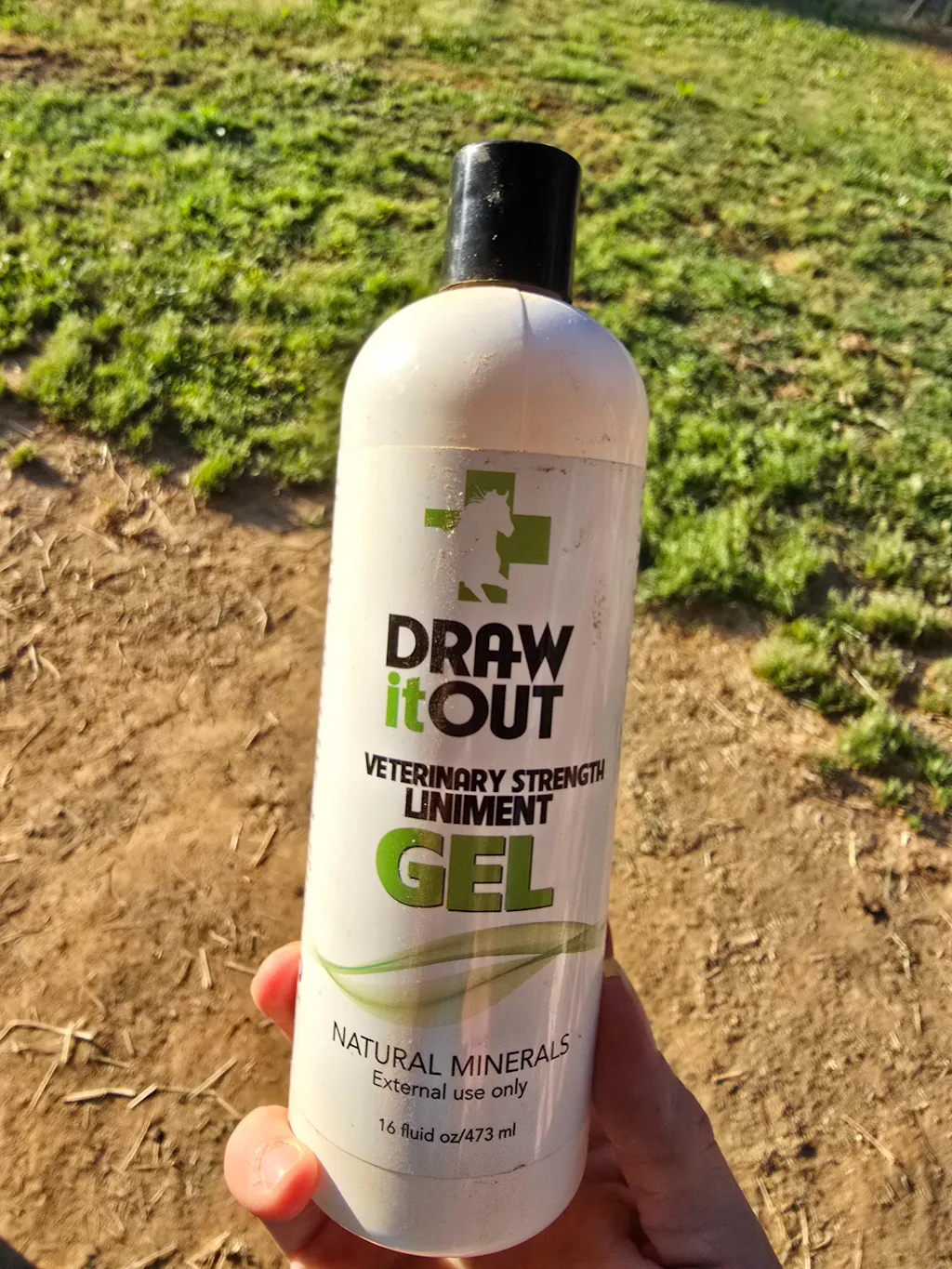
Draw It Out® 16oz High Potency Liniment Gel

A practical starting point for targeted daily muscle and joint support before or after work, especially around areas riders commonly watch when a horse feels weak or unstable behind.

Shop 16oz liniment gel

Solution Finder

Use the guided path if you are not sure whether your horse needs muscle, joint, hoof, skin, cooling, or recovery support.

Find the right routine

Liniment Gel Collection

Compare liniment gel, spray, and related support options for your barn’s routine.

Shop the collection

Quick answer

A horse wobbling or swaying behind may be dealing with weakness, soreness, hoof imbalance, pelvic or back discomfort, hind toe dragging, or a more serious coordination issue. Mild cases can improve with smarter conditioning and recovery support, but sudden or obvious instability deserves veterinary attention.

Horse Wobbling or Swaying Behind FAQ

Why is my horse wobbling behind?

Hind-end wobbling can come from weakness, stifle or hock discomfort, sacroiliac or back soreness, hoof imbalance, fatigue, or a coordination problem. The pattern matters. A horse that only gets loose behind after work is a different case than a horse that looks uncoordinated from the first few steps.

Is wobbling behind always neurologic?

No. Plenty of horses wobble or drift behind because they are sore, weak, fatigued, or compensating. But if the movement looks truly uncoordinated, unsafe, or rapidly worsening, you should treat that as a veterinary issue first.

What if my horse is wobbling and dragging a hind toe?

Wobbling plus hind toe dragging is a stronger pattern than mild drift alone. Use the horse dragging hind feet guide to sort the pattern, and call your veterinarian if the change is sudden, one-sided, worsening, or paired with instability.

Should I keep riding a horse that feels unstable behind?

Not if the instability is new, obvious, worsening, or makes the horse feel unsafe. Mild weakness-related drift may improve with a good plan, but real instability should not be pushed through blindly.

What part of the body should I think about first?

Riders usually start by looking at the back, sacroiliac region, stifles, hocks, and hoof balance, because those areas often influence how a horse tracks and stabilizes from behind. The right answer depends on the full pattern, not one isolated symptom.

Where does Draw It Out® fit?

Draw It Out® fits into the support side of the routine. Riders typically use it to support daily soreness and recovery load in the structures that affect balance and push from behind. It does not replace diagnosis when the horse is clearly off or unsafe.

Educational support only. If your horse shows sudden severe wobbling, repeated crossing behind, delayed limb correction, major toe dragging, or any unsafe coordination pattern, stop riding and call your veterinarian.

Draw It Out®

Show-Safe Relief. Naturally.

We build every product for real riders who care as much as we do. No burn, no sting, no nonsense. Just clean, sensation-free relief built for real horses, real barns, and repeatable routines.

From barn aisle to show ring, Draw It Out® stands for one simple promise. Modern Performance, Proven Calm.

Start Here

Not sure what to do next?

Pick the fastest next step. If you already know what you need, jump straight to the right lane.

Routine first

Built for repeatable routines, not hype.

Real riders

Made for everyday horse people who do the work.

Need help?

Need a quick pointer? Contact us.