K9 Advanced™ Dog Care
Dog Elbow Callus: Why Dogs Get Crusty Elbows
Rough elbows are common in real dogs, especially dogs that nap on hard floors, ride in trucks, live around barns, or carry more weight on pressure points. Common does not mean ignore it.
Dog elbow calluses usually start with pressure. Same joint. Same floor. Same crate mat. Same patio. Same truck bed. Day after day, the skin thickens because the body is trying to protect itself.
For many dogs, that rough elbow patch is just a management issue. But when the area cracks, bleeds, swells, smells bad, drains, or becomes painful, it is no longer a simple cosmetic concern.
Real Dog Rule
Do not just soften the elbow. Fix the pressure that created the problem.
Why Dogs Get Elbow Calluses
The elbow is a pressure point. When a dog lies down on hard surfaces over and over, the skin takes the hit. Large dogs, senior dogs, thin-coated dogs, working dogs, barn dogs, and dogs that prefer hard floors are more likely to develop thickened elbow skin.
Hard sleeping surfaces: concrete, tile, wood floors, patios, truck beds, and thin crate mats.
Repeated pressure: the same body point hitting the same surface every day.
Large or senior dogs: more weight and less cushion can increase pressure.
Outdoor and barn life: dust, bedding, gravel, concrete, and frequent lying down can stack irritation.
What to Check
Do not just glance at the elbow. Put your hands on the dog and look closely.
- Dry, thickened, gray, or crusty skin
- Cracking or bleeding
- Swelling, heat, odor, or discharge
- Repeated licking or chewing
- Sensitivity when touched
- Hair loss spreading beyond the pressure point
- Hard bedding, crate, flooring, or truck habits creating repeat pressure
The Routine That Actually Helps
-
Add softer bedding. The elbow needs less pressure, not just more product.
-
Keep the area clean. Dirt, bedding, and saliva make rough skin harder to manage.
-
Check both elbows. One may look worse, but both are living the same life.
-
Use topical support appropriately. Choose products for dry, external skin support when the skin is intact and routine care fits.
-
Watch for change. Improvement, worsening, cracking, odor, or swelling tells you what the next step should be.
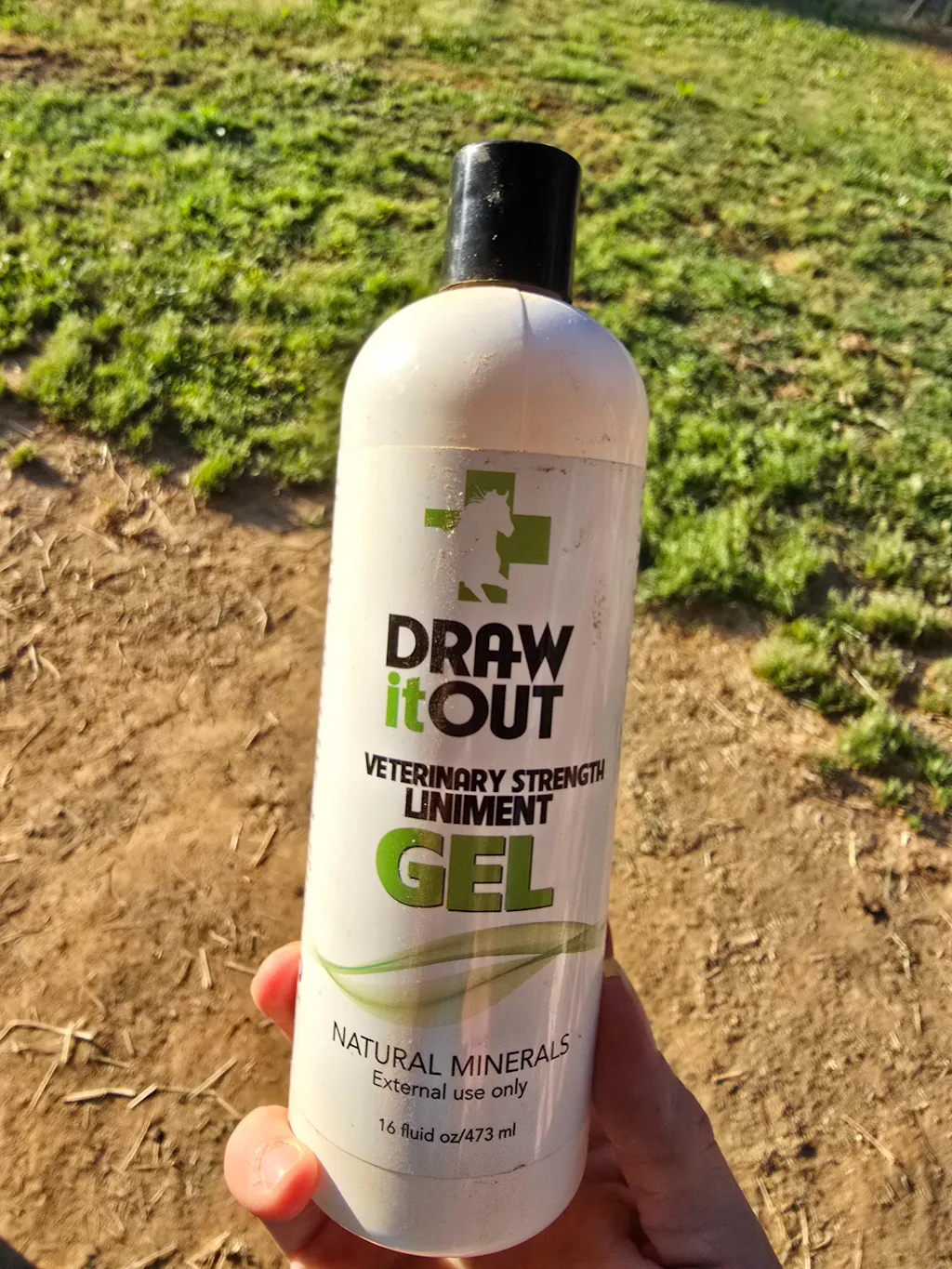
Where K9 Advanced™ Fits
When It Is Not Routine
Call your veterinarian if the elbow is open, bleeding, swollen, hot, painful, draining, infected-looking, growing rapidly, or if your dog will not leave it alone. Also call if the dog is limping or if the area does not improve after the pressure source is addressed.
Bottom Line
A dog elbow callus is usually a pressure story. Give the dog softer places to land, keep the area clean, support the skin when appropriate, and do not ignore signs that it has moved beyond routine care.
Educational only. This article is not a substitute for veterinary diagnosis or treatment. Open, painful, swollen, bleeding, draining, infected-looking, or non-improving elbow issues should be evaluated by your veterinarian.