


Daily recovery
Liniment Gels
Explore the Draw It Out® liniment gel lineup for everyday use, post-work routines, and targeted recovery support.
Shop liniment gelsFree U.S. shipping at $50+
No code needed.
Shipping details
Real Rider Resource
By Jon Conklin · August 3, 2026
“Lazy” is a judgment. A change in the horse is information. Before you add leg, spur, bit, repetition, or frustration, find out whether the horse is unwilling, unable, confused, under-conditioned, uncomfortable, or simply having an off day.
You cannot reliably separate soreness from “laziness” from one moment under saddle. Start with the horse's normal baseline. Stop and investigate when reluctance is new, one-sided, worsening, paired with a shorter stride, heat, swelling, back sensitivity, unusual breathing, tack reaction, or a change in appetite or attitude. A horse that is comfortable but under-conditioned or unclear about the task usually shows a more consistent, explainable pattern. When doubt remains, choose the safer day and involve qualified help.
Horses learn to conserve effort, and some naturally offer less forward energy than others. But a horse that suddenly needs more pushing is not automatically being difficult. Pain, fatigue, hoof balance, footing, tack fit, heat, hydration, ulcers, respiratory trouble, poor conditioning, rider balance, and confusion can all change willingness.
The mistake is not using the word. The mistake is letting the word end the investigation.
Ask four questions before riding through the problem:
| Pattern | What It May Tell You | Best Next Move |
|---|---|---|
| Sudden reluctance with uneven or shortened steps | Possible pain or physical limitation | Stop work and contact the veterinarian or appropriate professional |
| Heat, swelling, wound, marked tenderness, or inability to bear weight | Urgent physical concern | Do not ride. Seek prompt veterinary guidance |
| Normal movement, but poor stamina after time off | Conditioning may not match the ask | Reduce duration or intensity and rebuild gradually |
| Resistance appears only when the cue changes | Confusion, training gap, rider timing, or discomfort may be involved | Simplify the question and check physical causes before escalating pressure |
| Worse in one direction, one gait, or on one surface | A repeatable pattern worth documenting | Stop drilling it and share notes or video with qualified help |
| Flat after hauling, heat, or a demanding week | Accumulated workload or poor recovery may be involved | Choose recovery, observation, and a revised plan |
Call your veterinarian for guidance. Do not use more pressure, liniment, tape, supplements, or tack changes to hide a pattern that needs diagnosis.
If the horse is moving evenly, has no concerning heat or swelling, is bright and eating normally, and the issue looks tied to fatigue, conditioning, or a difficult previous session, a lighter day may fit the established care plan. That could mean turnout, hand walking, an easy straight-line walk, or no ridden work at all.
Read when a horse needs an easy day instead of a day off and why the cool-out tells the truth for the next layer of the decision.
A consistent external-care routine can help you put your hands on the horse and notice changes. It cannot diagnose pain or make an unsafe ride safe. The Draw It Out® 16oz Liniment Gel is the ready-to-use targeted route for appropriate daily horse-care routines. It is odorless and colorless, made without menthol, camphor, capsaicin, alcohol, or witch hazel, and can be used under properly fitted pads, boots, and wraps when used according to the current label.
If you are not sure whether the pattern belongs in the body, skin, hoof, travel, or another care lane, use the Solution Finder after urgent concerns have been ruled out.
Use the Solution Finder See the 16oz Liniment GelCompare the behavior with the horse's normal baseline. New reluctance, asymmetry, shortened stride, heat, swelling, tack sensitivity, or worsening during work should be treated as a possible physical issue until evaluated.
Do not ride through sudden, uneven, painful, or worsening stiffness. Contact your veterinarian when the cause is unclear or concerning. A familiar mild pattern still deserves a plan based on the individual horse.
Yes. An under-conditioned horse may lose rhythm, form, or willingness as effort rises. Conditioning should be built gradually, but physical causes should be ruled out when the change is new or unusual.
No. Liniment is not a diagnostic test. A routine can help you observe the horse consistently, but unexplained pain, lameness, heat, swelling, or behavior change needs qualified evaluation.
This article gives you the background. If you are ready to put the idea into a real horse care routine, these are the next places most riders should go.
Explore the Draw It Out® liniment gel lineup for everyday use, post-work routines, and targeted recovery support.
Shop liniment gelsMatch your horse’s workload, age, routine, and care goals to the Draw It Out® products that make the most sense.
Use the finderLearn how riders support soundness, comfort, and consistency before little issues become bigger problems.
Read the guideReal Barn Proof
Real riders. Real horses. Real routines. These clips rotate automatically so the proof stays fresh without weighing the page down with a long feed.
Why this matters: good horse care should make sense outside the ad. These clips show the kind of everyday use that builds trust one barn at a time.
Further Reading
Horse care works better when the next step is clear. These related reads help connect today’s topic to better daily decisions in the barn.
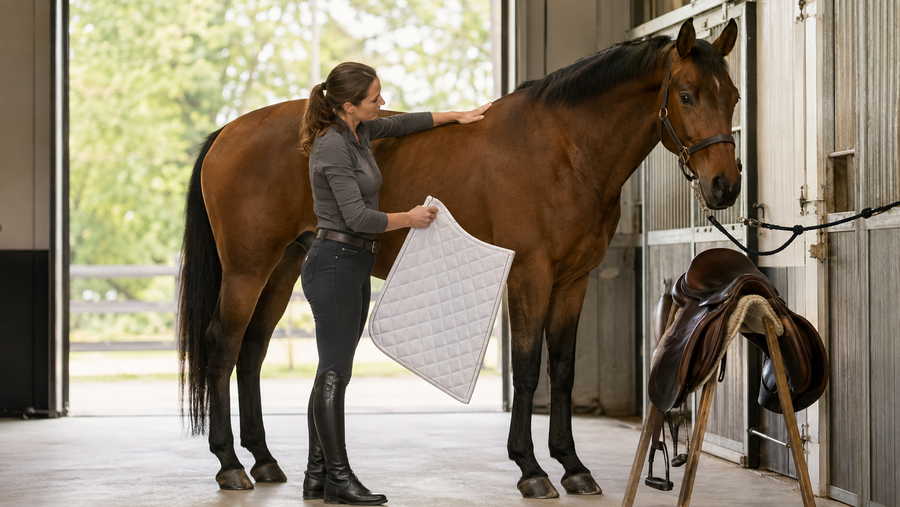
Jul 29, 2026
A practical horse health guide for sensitivity after a new saddle pad: sweat marks, dry spots, pad edges, saddle balance, and when to call for...
Read article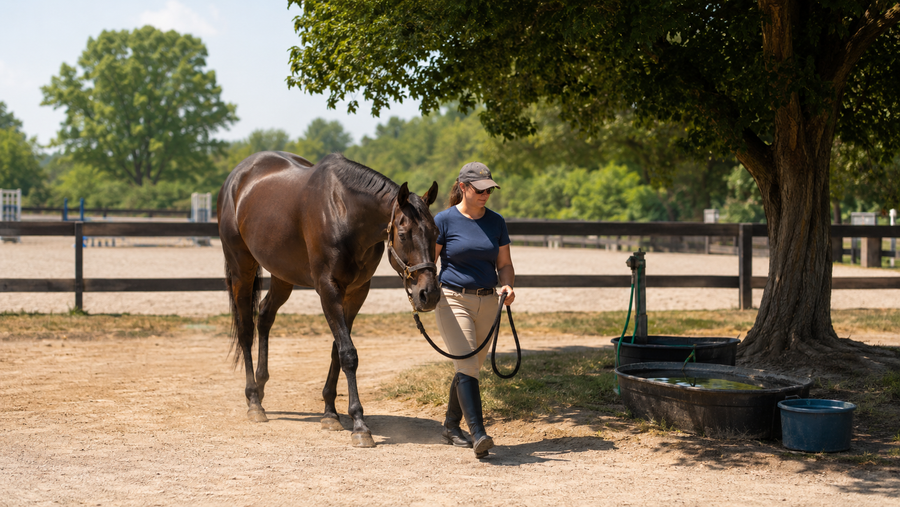
Jul 28, 2026
Canterbury Park canceled July 26 racing after projected heat indices above 105°F. Here is what riders and horse-event organizers should build ...
Read article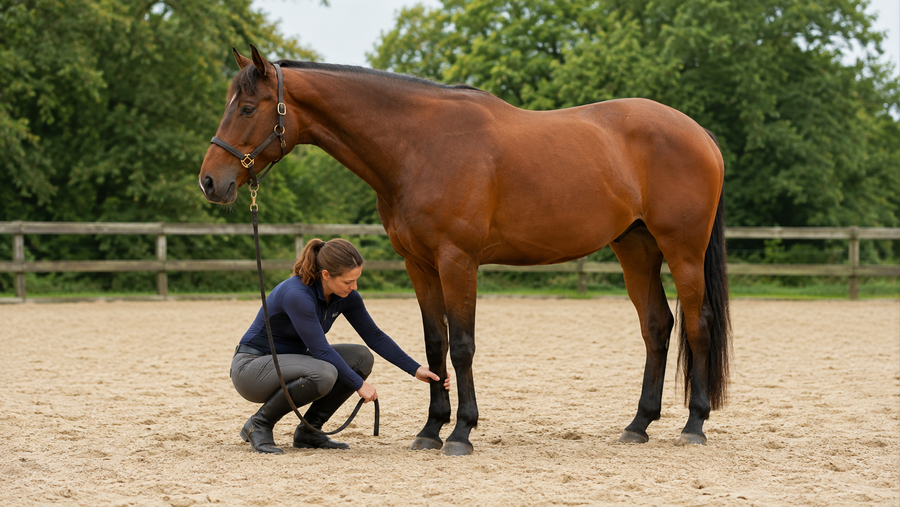
Jul 28, 2026
A practical horse health guide for fetlock puffiness after deep sand: heat, pain, symmetry, boot marks, footing depth, and vet red flags.
Read articleStart with the principle, then build the habit. The right article should make the next barn decision easier, not more complicated.
Next Step
Simple care guides, practical product paths, and rider-trusted tools built for real horses and real routines.
Good care gets easier when the next step is obvious. Read the guide, match the routine, then choose the format that fits how your barn actually works.
Recovery Routine
Want a smarter way to think through post-ride care, heat, swelling, leg support, and daily recovery decisions? Start with the Performance Recovery Hub.
Better recovery starts with a repeatable routine. The hub gives riders a clearer path from workload to product format to aftercare timing.
Rider Favorites
Four core Draw It Out® staples riders keep close for daily recovery routines, wash rack use, targeted support, and quick barn-side care.
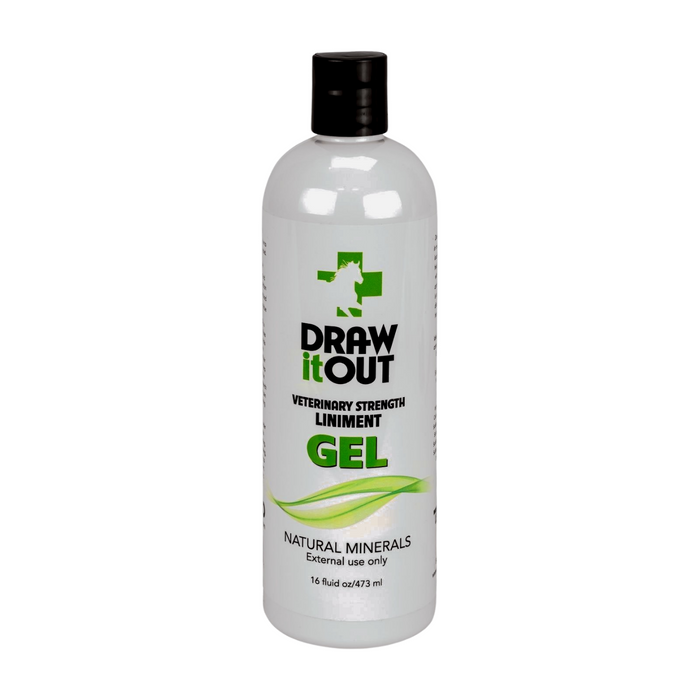
Stay-Put Gel
The everyday liniment gel format riders reach for when they want targeted, no-mess application.
View product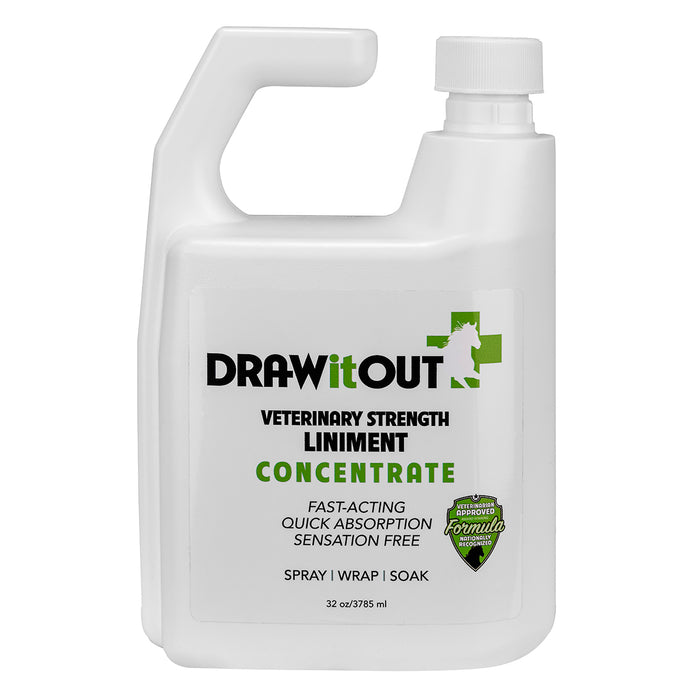
Mix Your Way
A flexible concentrate for riders who want to mix their own routine around workload and barn needs.
View product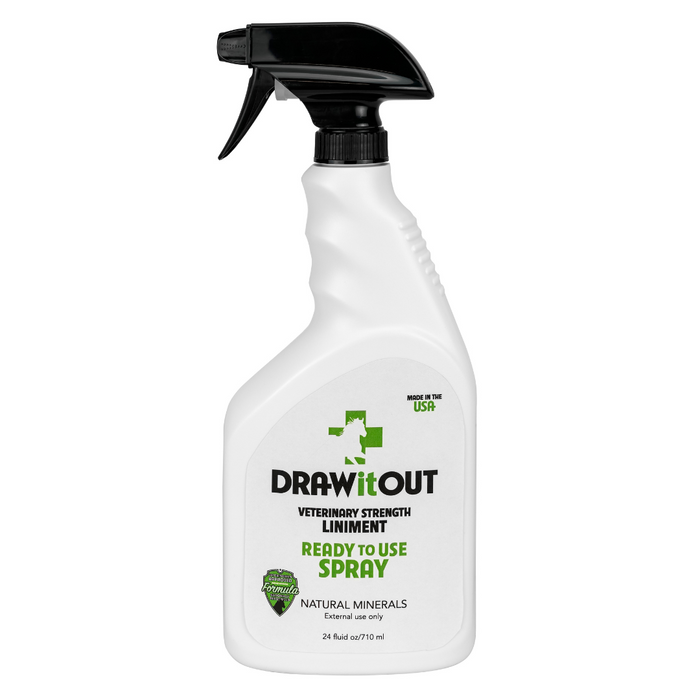
Ready To Use
A ready-to-use spray format for quick application after work, travel, turnout, or daily care.
View product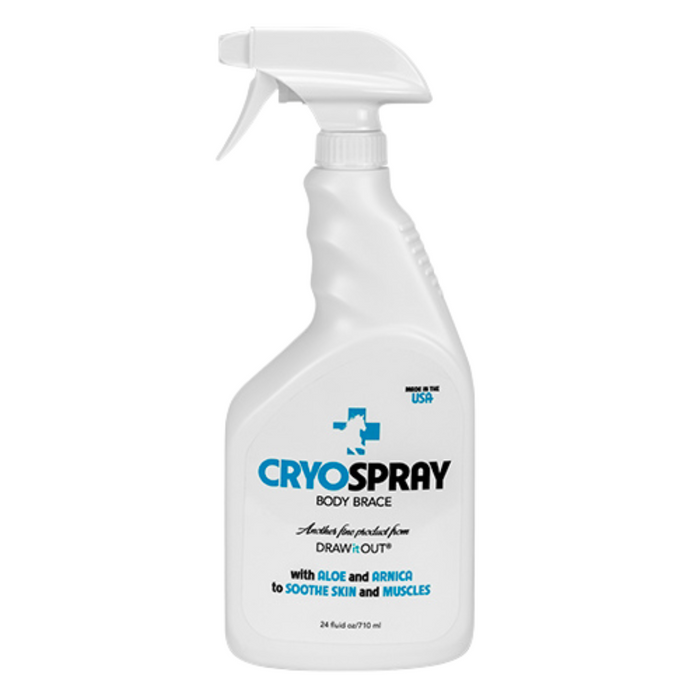
Cooling Brace
A cooling body brace spray for riders who want a fast, practical option after hard work or hot days.
View productFormat matters. Gel, concentrate, ready-to-use spray, and cooling spray each solve a different barn problem. Pick the one your routine will actually use.
!