


Daily recovery
Liniment Gels
Explore the Draw It Out® liniment gel lineup for everyday use, post-work routines, and targeted recovery support.
Shop liniment gelsFree U.S. shipping at $50+
No code needed.
Shipping details
Real Rider Resource
By Jon Conklin · July 31, 2026
Three riding days can build a good horse week. Three desperate attempts to cram seven days of ambition into those rides can tear one apart.
Many healthy horses can maintain useful fitness on three purposeful rides per week if the plan matches the horse's age, health, baseline conditioning, discipline, turnout, footing, and recovery. Give each day a job: one base day, one strength-and-skill day, and one quality or longer-effort day. Separate demanding sessions when possible and judge the plan by the horse's next-day movement, attitude, appetite, legs, and willingness.
A trail horse, barrel horse, ranch horse, hunter, reiner, and senior pleasure horse do not need the same fitness. “Fit enough” means prepared for the actual work without a pattern of poor recovery, declining form, or loss of willingness.
Before building a three-day week, name the job. Are you maintaining an already fit horse, returning after time off, preparing for a weekend event, or trying to improve a weak area? Maintenance can often fit three days. Rehabilitation, rapid conditioning, or unexplained performance loss needs a more individual plan from the veterinarian, trainer, and other qualified professionals involved.
| Ride | Primary Job | What It Can Include | What to Avoid |
|---|---|---|---|
| Day 1: Base | Rhythm, easy aerobic work, relaxed range of motion | Long walk, steady trot sets, large figures, easy terrain, balanced cool-out | Turning the first ride after several days off into a test of speed or stamina |
| Day 2: Strength and skill | Quality transitions, balance, controlled strength | Poles, hills, backing, transitions, lateral work, discipline-specific basics | Stacking every difficult exercise into one session because time feels scarce |
| Day 3: Quality or longer effort | Apply the week's work to the horse's real job | Longer trail, pattern work, cattle, event simulation, or a measured schooling session | Chasing fatigue as proof that the ride counted |
| Day | Plan | Rider Check |
|---|---|---|
| Monday | Turnout and observation | How did the horse come out of the weekend? |
| Tuesday | Base ride | Warm-up time, rhythm, breathing, and cool-out |
| Wednesday | Normal movement and recovery | Legs, feet, back, appetite, and attitude |
| Thursday | Strength and skill ride | Quality before quantity |
| Friday | Turnout, hand walk if appropriate, routine checks | Is Saturday still the right plan? |
| Saturday | Quality or longer-effort ride | Does form stay organized as effort rises? |
| Sunday | Recovery and notes | What should change next week? |
This is an example, not a prescription. Shift days around weather, footing, hauling, work, and the horse in front of you. A calendar is a servant, not a boss.
Do not choose duration before you choose purpose. A focused thirty-five-minute schooling ride may ask more than a relaxed sixty-minute walk. Hills, deep footing, heat, speed, collection, cattle work, and hauling all add cost that the clock does not explain.
Start with enough time for an honest warm-up, the day's main job, and a real cool-out. Then use the horse's response to adjust. The efficient horse warm-up guide can help structure the beginning, and why the cool-out tells the truth explains what to watch at the end.
Rest is part of training. It is not lost time. It is where the horse proves whether the previous ride was useful or merely hard.
Change the plan and involve qualified help when the horse needs longer to loosen up each ride, stays tired, loses willingness, becomes short or uneven, develops heat or swelling, struggles to cool out, changes appetite or water intake, or shows a repeated next-day decline. Do not use liniment, supplements, tack changes, or extra pressure to cover a pattern that needs diagnosis.
For appropriate external pre-work, post-work, and everyday support, the Draw It Out® 16oz Liniment Gel is the ready-to-use, targeted gel route. It is odorless and colorless, made without menthol, camphor, capsaicin, alcohol, or witch hazel, and can be used under properly fitted pads, boots, and wraps when used according to the current label.
Use the Solution Finder if the horse's pattern points toward body, skin, hoof, travel, or uncertainty. The right product lane starts after the right observation.
Use the Solution FinderMany healthy horses can maintain useful fitness on three purposeful riding days each week when the work matches their age, baseline, discipline, turnout, footing, and recovery. Rehabilitation and return-to-work plans need individual professional guidance.
There is no universal number. Many plans use moderate sessions with long warm-ups and cool-outs, but duration should follow the horse's current fitness, terrain, weather, discipline, and next-day response.
Usually the schedule is easier to manage when harder sessions are separated by recovery or lighter-movement days. Competition calendars sometimes change that, so judge the horse rather than forcing the calendar.
Provide normal turnout and movement when appropriate, check legs, feet, water, appetite, and attitude, and use hand walking or other work only when it fits the horse's plan. A non-riding day is not permission to ignore the horse.
This article gives you the background. If you are ready to put the idea into a real horse care routine, these are the next places most riders should go.
Explore the Draw It Out® liniment gel lineup for everyday use, post-work routines, and targeted recovery support.
Shop liniment gelsMatch your horse’s workload, age, routine, and care goals to the Draw It Out® products that make the most sense.
Use the finderLearn how riders support soundness, comfort, and consistency before little issues become bigger problems.
Read the guideReal Barn Proof
Real riders. Real horses. Real routines. These clips rotate automatically so the proof stays fresh without weighing the page down with a long feed.
Why this matters: good horse care should make sense outside the ad. These clips show the kind of everyday use that builds trust one barn at a time.
Further Reading
Horse care works better when the next step is clear. These related reads help connect today’s topic to better daily decisions in the barn.
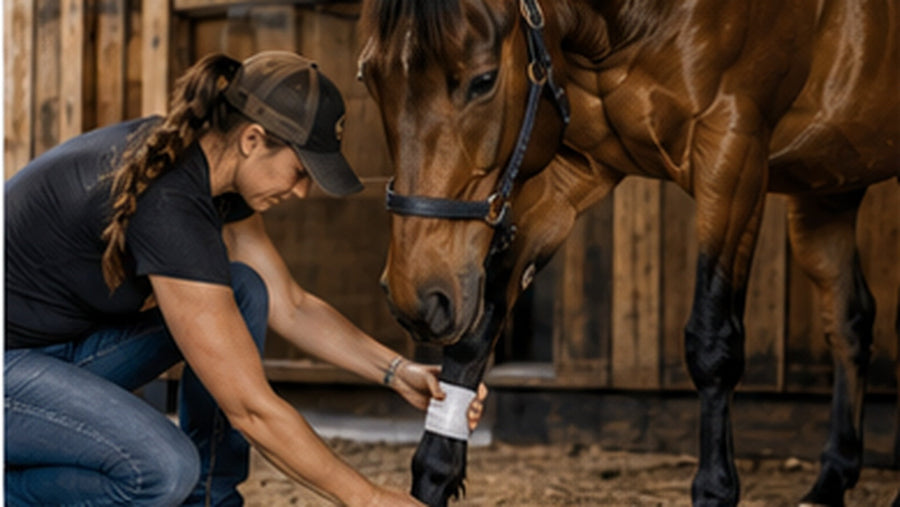
Aug 14, 2026
Before you bandage a horse’s leg, compare heat, swelling, tenderness, skin condition, and movement first. This practical wrapping guide explai...
Read article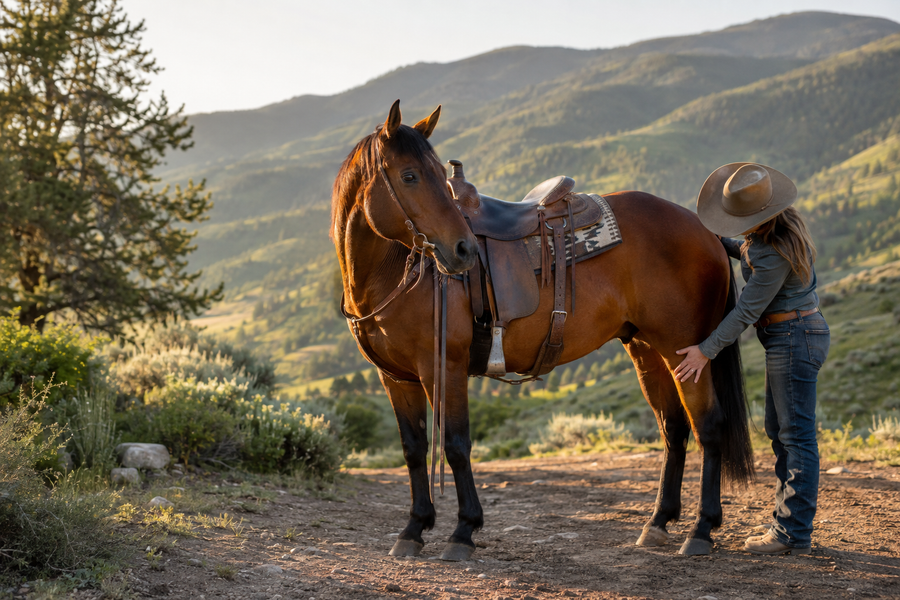
Aug 13, 2026
A practical next-day checklist for horses that feel stiff after hill work, including what to compare, when to back off, and when to call your ...
Read article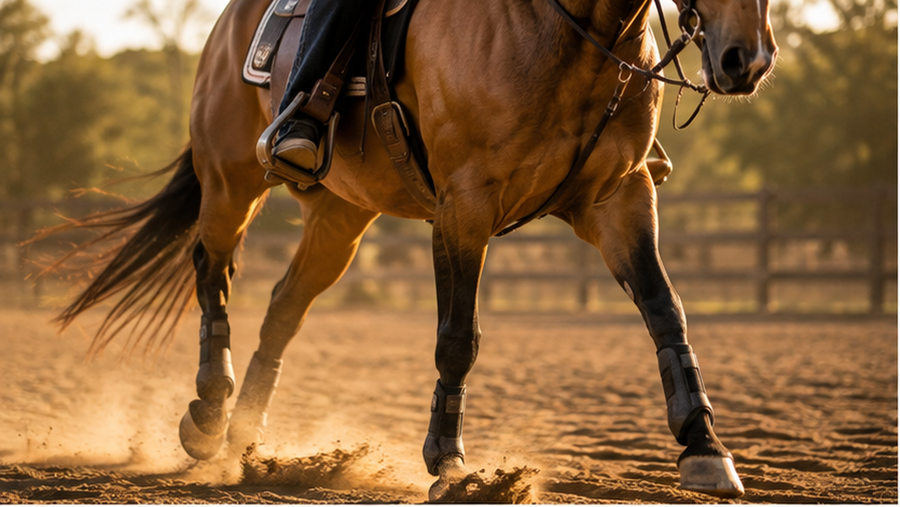
Aug 13, 2026
A practical post-ride guide to when horse liniment fits, what to check first, how to choose gel versus spray, and when to call your veterinarian.
Read articleStart with the principle, then build the habit. The right article should make the next barn decision easier, not more complicated.
Next Step
Simple care guides, practical product paths, and rider-trusted tools built for real horses and real routines.
Good care gets easier when the next step is obvious. Read the guide, match the routine, then choose the format that fits how your barn actually works.
Recovery Routine
Want a smarter way to think through post-ride care, heat, swelling, leg support, and daily recovery decisions? Start with the Performance Recovery Hub.
Better recovery starts with a repeatable routine. The hub gives riders a clearer path from workload to product format to aftercare timing.
Rider Favorites
Four core Draw It Out® staples riders keep close for daily recovery routines, wash rack use, targeted support, and quick barn-side care.
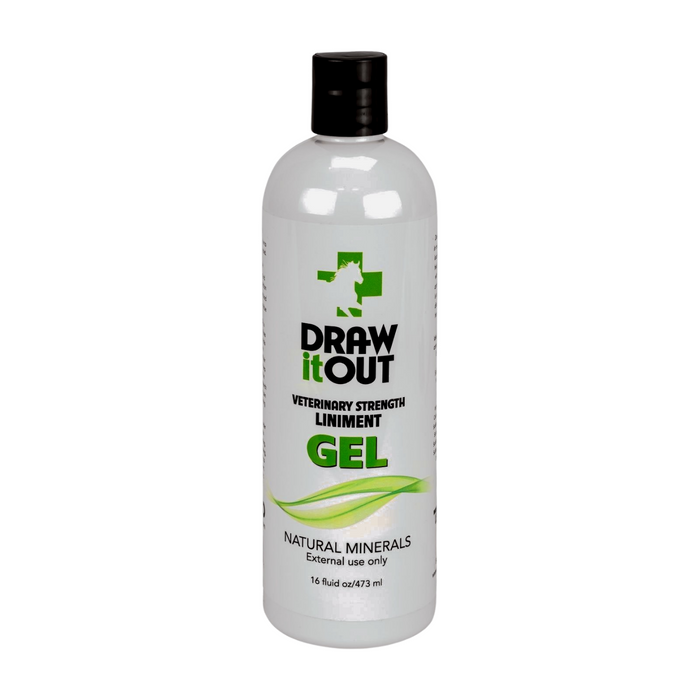
Stay-Put Gel
The everyday liniment gel format riders reach for when they want targeted, no-mess application.
View product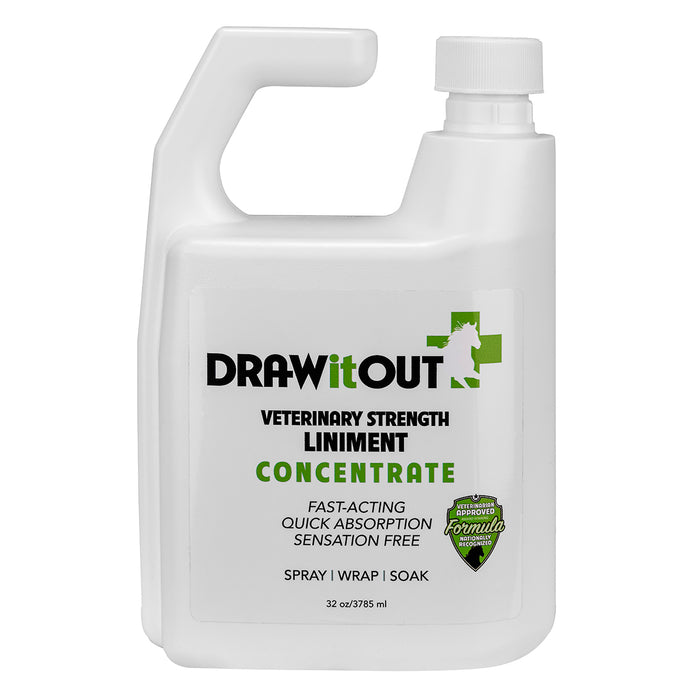
Mix Your Way
A flexible concentrate for riders who want to mix their own routine around workload and barn needs.
View product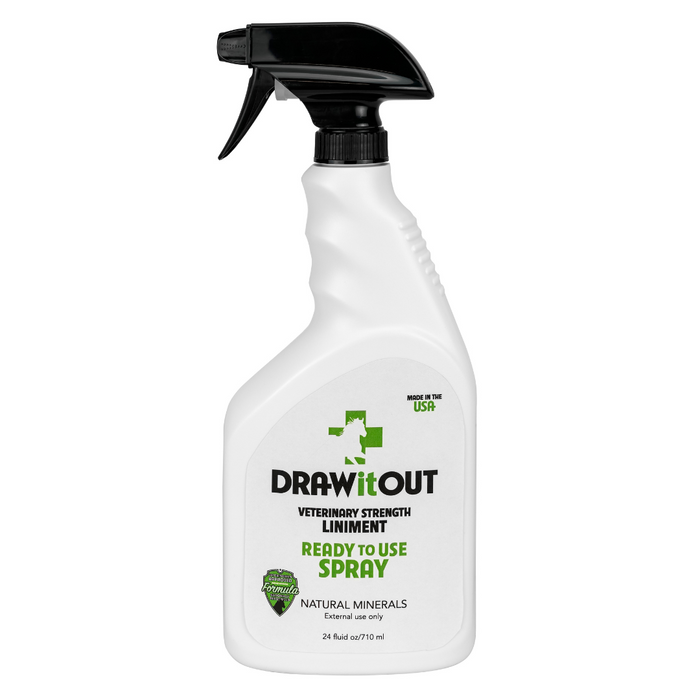
Ready To Use
A ready-to-use spray format for quick application after work, travel, turnout, or daily care.
View product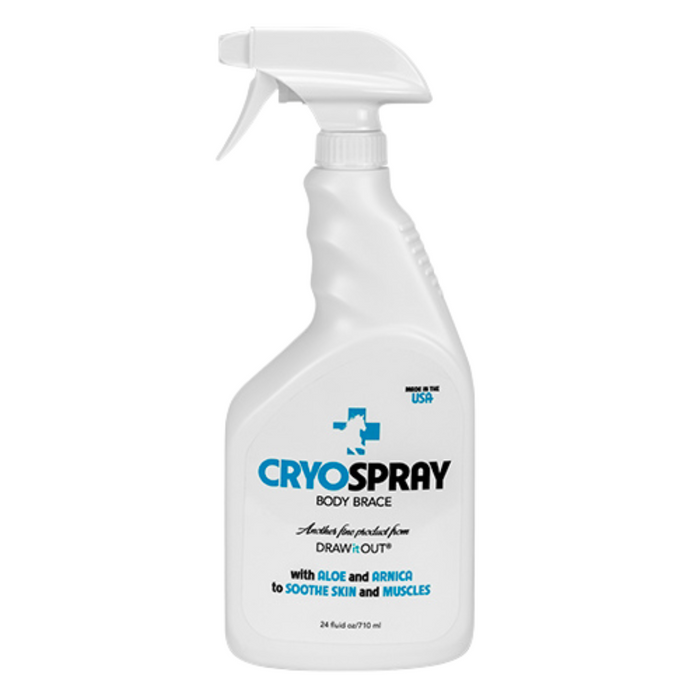
Cooling Brace
A cooling body brace spray for riders who want a fast, practical option after hard work or hot days.
View productFormat matters. Gel, concentrate, ready-to-use spray, and cooling spray each solve a different barn problem. Pick the one your routine will actually use.
!