


Jul 18, 2026
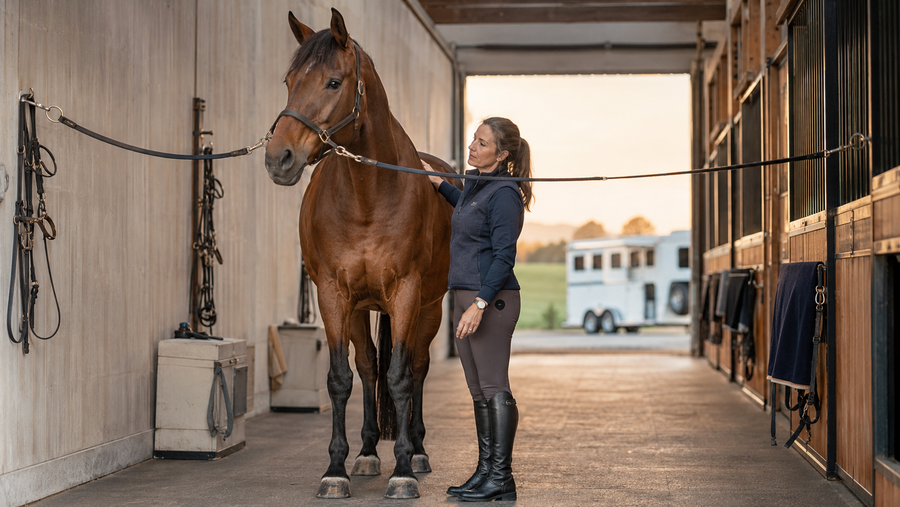
The Quiet Barn Check Before a Big Clinic
Prepare for a riding clinic with a calm check of health, feet, legs, tack, hauling, water, goals, workload, cooling, and next-day recovery.
Free U.S. shipping at $50+
No code needed.
Shipping details
Real Rider Resource
Tetanus awareness is basic horse stewardship: keep vaccine records current, take wounds seriously, and involve your veterinarian when the situation calls for more than barn guessing.
Horse barns see scrapes, cuts, hoof trouble, and mystery marks all the time. That familiarity can make people casual. Casual is not always safe.
Tetanus is one of the reasons wound response and vaccination records matter. The size of the wound is not the only question. Location, depth, contamination, timing, and vaccine history all change the conversation.
If the wound is deep, dirty, near an important structure, or the vaccine history is unclear, call your veterinarian.
Good wound response begins before the horse ever gets hurt. That means current records, a clean first-aid setup, a veterinarian relationship, and a barn habit of not guessing when a wound is beyond routine care.
Ask your veterinarian what schedule and response plan fits your horse, your region, and your barn. Then keep that information somewhere the people caring for the horses can actually find it.
A good barn should not rely on memory for vaccine history. Keep dates, veterinarian information, product names when available, and notes about injuries or follow-up. Put a copy somewhere accessible, not buried in somebody’s phone from three years ago.
Routine skin and barn products can support normal external care, but they do not replace veterinary guidance for serious or uncertain wounds. Use products according to label directions and only after the situation is understood.
Tetanus awareness is basic horsemanship: keep records, respect wounds, clean the routine, and involve the veterinarian when the wound or vaccine history gives you a question mark.
Educational only. This article is not a substitute for veterinary diagnosis or treatment. Wounds, punctures, vaccine questions, or illness concerns should be discussed with your veterinarian.
The best routines are quiet. They do not draw attention, but they prevent problems before they show up.
Prepare for a riding clinic with a calm check of health, feet, legs, tack, hauling, water, goals, workload, cooling, and next-day recovery.
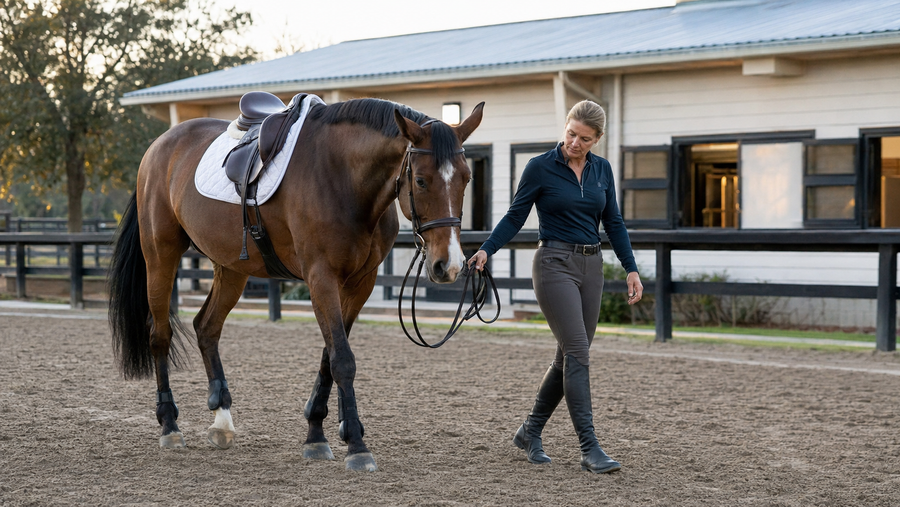
When a horse feels one step behind, check cue clarity, rhythm, balance, rider timing, fatigue, heat, footing, tack, pain, and recovery.
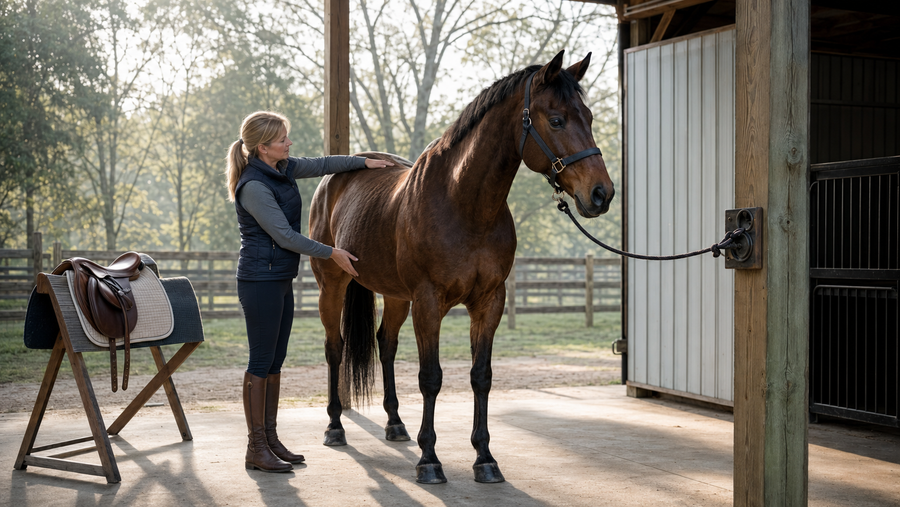
A Real Rider Resource guide for checking the horse before tack so riders make better decisions before the ride starts.
Want a smarter way to handle soreness, heat, swelling, and post-ride leg care? Visit our Performance Recovery Hub for clear routines and product guidance.
Visit the Recovery Hub!