Tight Calves After Riding? Check the Ride Before You Stretch
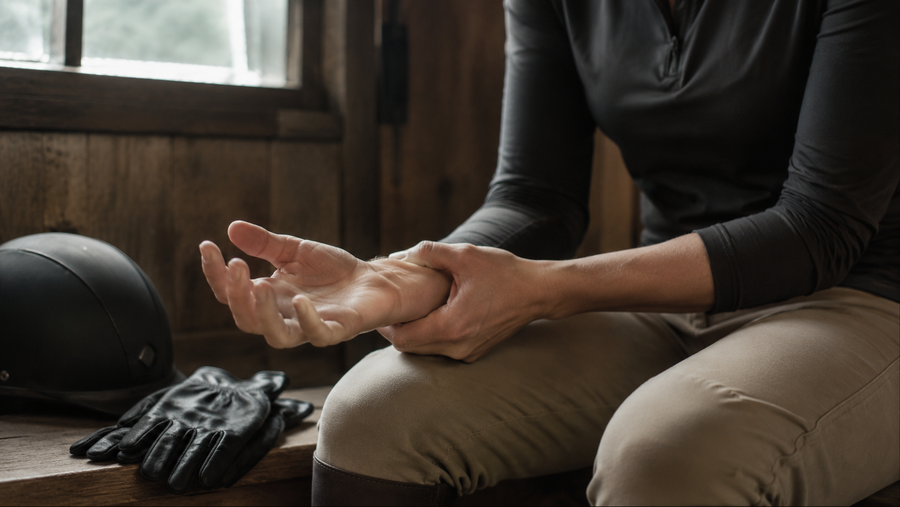
Calf tightness after riding is often a workload or position clue. Review stirrup length, gripping, boots, hydration, recovery, and medical red flags first.
Free U.S. shipping at $50+
No code needed.
Shipping details
Quick answer: Lower-back tightness after mucking stalls often follows a predictable work pattern: repeated bending, loaded reaching, twisting, pushing, and lifting from below knee height. The best first move is to change the job setup and movement pattern, not simply power through. A human-labeled topical can fit into the after-work routine on clean, dry, intact skin. Severe pain, numbness, weakness, trouble walking, bowel or bladder changes, fever, or pain after a serious fall needs medical care.
Mucking stalls does not look dramatic. That is why it can sneak up on you. One forkful is light. Forty minutes of bent-over lifting, twisting toward the wheelbarrow, and pushing an awkward load is not.
Cleaning a stall combines several jobs:
OSHA identifies repetitive twisting, stretching, leaning, forceful exertion, and awkward postures as ergonomic risk factors. Its guidance recommends keeping loads close, avoiding twisting while lifting, and repositioning work so the body can stay better aligned. See OSHA's ergonomics technical guidance.
The useful question: “How can I move the manure less?” usually produces a better answer than “How can I make my back tolerate more?”
This is not a workout. It is a position change.
Pain is not a character test. If the movement is getting sharper, spreading, or changing how you walk, stop treating the chore like a vote on your toughness.
ReJüv™ Gel 16oz is the human-labeled topical gel in the Draw It Out® family. It is menthol-free, capsaicin-free, colorless, and low odor. That gives riders and barn workers a people-specific option instead of borrowing horse liniment from the tack room.
After the work is done, start with clean, dry, intact skin. Apply a small amount in a thin, even layer, massage until absorbed, let it dry before clothing or a brace, and follow the current label for frequency. Stop if irritation occurs.
ReJüv™ fits the routine. It does not diagnose the cause of back pain, repair an injury, or make a dangerous symptom safe to ignore. The task-specific article you are reading supports the broader topical gel for lower-back routines guide.
The final step is the one most people skip. If the wheelbarrow stays twenty feet away and the fork handle keeps forcing the same reach, the routine has not changed. You have only decorated the same problem.
Seek medical care for severe or worsening back pain, pain after a serious fall or injury, fever, difficulty walking, new numbness, weakness, loss of movement, or bowel or bladder changes. MedlinePlus specifically advises prompt medical contact for numbness, weakness, loss of movement, and bowel or bladder changes. Review its low-back pain guidance.
Persistent pain, recurrent episodes, or pain that travels down a leg also deserves a clinician's judgment. A physical therapist, physician, or other qualified professional can evaluate the pattern and help change the work demands safely.
The chore combines low reaching, lifting, pushing, and repeated twisting. Fatigue and awkward setup can make the same pattern harder to tolerate over time.
No. Use gentle, comfortable movement. Sharp pain, spreading symptoms, or a change in walking is a reason to stop and seek professional guidance.
Use a product labeled for people. ReJüv™ is the human-labeled topical line in the Draw It Out® family.
ReJüv™ does not rely on menthol, capsaicin, or a heat function for a strong sensory effect.
A topical can fit a normal comfort routine, but recurring or worsening pain deserves professional evaluation and a change in the task that keeps provoking it.
ReJüv™ Gel 16oz is the larger, menthol-free home size for riders and workers who want a clean human-labeled topical in a regular routine.
For external use only. Avoid eyes, mouth, and broken skin. Follow label directions. ReJüv™ is not intended to diagnose, treat, cure, or prevent disease.
Calf tightness after riding is often a workload or position clue. Review stirrup length, gripping, boots, hydration, recovery, and medical red flags first.
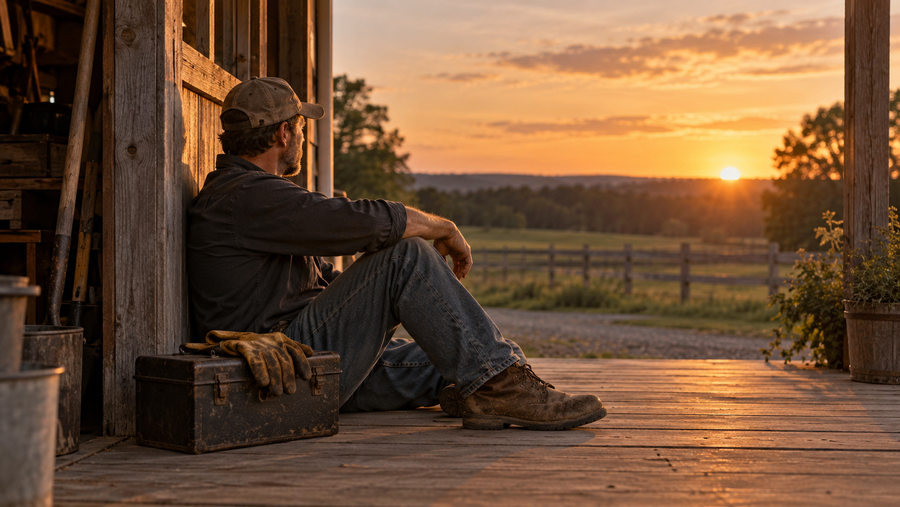
A Labor Day reflection for the people who carry the load all year: honest work deserves respect, and the worker deserves a moment to set it down.
Numbness or tingling after riding is a nerve symptom, not ordinary muscle tightness. Use this rider-first checklist to know when to stop, track, and seek care.
!