Footing
Hard, deep, slick, uneven, or changing footing can alter how a horse moves and recovers.

Performance horse care checklist
The workload tells on the horse. Footing, repetition, travel, warmup, cooldown, hoof balance, and recovery all show up somewhere. The trick is to notice small changes before they become bigger problems.
Quick answer: Performance horse joint care starts with workload awareness. Track footing, warmup, cooldown, hoof balance, travel, repetition, stocking up, stiffness, and behavior changes before blaming age, attitude, or the product shelf.
Performance horses rarely break down from one thing. It is usually the stack.
Performance horses do repetitive work. Circles, stops, turns, collection, speed, jumps, lateral work, long warmups, hard ground, deep footing, hauling, classes, clinics, lessons, and show weekends all add load. That does not mean the horse is fragile. It means the routine has to be honest.
If a horse is slower to warm up, filling after work, short-striding, swapping leads, landing unevenly, resisting a direction, or feeling different the next morning, do not ignore the pattern.
Hard, deep, slick, uneven, or changing footing can alter how a horse moves and recovers.
The same turn, stop, lead, circle, or jump effort repeated too often can stack stress.
Hauling, standing, showing, and sleeping away from home can change recovery.
Small hoof changes can show up as body stiffness, uneven warmup, or harder landings.
If the horse needs longer to feel normal, that is information worth tracking.
Morning-after fill, stiffness, behavior, or reluctance often tells the real story.
The best routine is not built around one product or one supplement. It is built around knowing the work and watching how the horse handles it.
| Pressure point | What to watch | Better routine move |
|---|---|---|
| Hard or deep footing | Shorter stride, more effort, next-day stiffness | Adjust work intensity and add recovery time. |
| Repetitive turns or stops | One-sided soreness, resistance, lead issues | Rotate exercises and reduce unnecessary repetition. |
| Hauling and showing | Stocking up, flat attitude, longer warmup needs | Use post-haul and post-ride checklists before more work. |
| Hoof cycle | Changed movement before or after farrier work | Keep your farrier in the performance conversation. |
| Training intensity | Horse feels less willing or takes longer to recover | Schedule easy days before the horse demands them. |
Real rider standard: The calendar is not the plan. The horse’s response to the work is the plan.
Keep it repeatable. Fancy routines fail when the barn is tired. Simple routines survive show weekends.
Walk long enough to assess the horse before asking for harder work. Do not rush straight into collection, speed, or repetition.
Change the plan when ground, arena depth, slickness, or weather changes the load.
Walk out, check breathing, legs, back, and attitude before the horse goes back to the stall, trailer, or turnout.
Morning-after stiffness, fill, or reluctance tells you whether the previous day was too much.
Reduce repetition, change exercises, improve footing, add easy days, or call professionals when patterns repeat.
Performance riders often look up the leg and miss the bottom of the system. Hoof balance, shoeing, trimming, sole sensitivity, toe length, heel support, traction, and surface all affect how force travels through the horse.
If the horse is suddenly harder to warm up, uneven in one direction, landing differently, or more reluctant on certain footing, include the farrier in the conversation.
Sometimes the right answer is not another easy day. It is professional evaluation. Performance horses are good at compensating until the bill comes due.
Plain answer: Do not train through a warning sign just because the show schedule says so.
Draw It Out® 16oz liniment gel can fit a performance routine as a controlled, hands-on body-care step before or after work when the horse has been checked and the target area is clean, dry, and intact.
It should not be framed as a joint treatment, arthritis answer, inflammation reducer, substitute for warmup, replacement for farrier care, or way to push through lameness.
Joint supplements are common in performance barns, but they should not become a substitute for workload management, farrier care, veterinary input, conditioning, or footing decisions.
If you are considering supplements, injections, imaging, medication, or a long-term joint plan, involve your veterinarian. The goal is not more products. The goal is the right system for the horse.
Better question: “What does this horse need based on workload and response?” not “What can I add to keep the schedule unchanged?”
Prehabilitation is the useful middle ground between doing nothing and waiting for injury. It is warmup, cooldown, hoof care, workload tracking, hydration, turnout, body checks, and sensible product routines that help riders notice small changes sooner.
Start with workload tracking, consistent warmups, careful cooldowns, hoof care, footing awareness, recovery checks, and professional guidance when patterns change.
Slower warmup, stiffness, filling, reluctance in one direction, lead issues, behavior changes, uneven movement, or next-day soreness can all signal that the plan needs adjusting.
Liniment gel can fit routine body-care use when the horse is sound, acting normal, and the skin is clean, dry, and intact. It should not replace warmup, cooldown, farrier care, veterinary guidance, or workload adjustment.
Use depends on your routine, the horse, and the work. Apply a thin layer to clean, dry, intact skin and do not use product to push through lameness, swelling, heat, or pain.
Yes. Hoof balance, shoeing, trimming intervals, footing, and traction all influence how force travels through the horse.
Call your veterinarian for lameness, heat, swelling, sharp sensitivity, repeated stocking up, behavior changes, worsening recovery, or performance changes that repeat.
No. Supplements should not replace warmup, cooldown, hoof care, workload management, turnout, conditioning, or veterinary guidance.
Track hard days, footing, travel, repetitions, warmup quality, cooldown, and next-day response. Adjust before the horse forces the adjustment.
Watch the warmup. Respect footing. Track repetition. Check hooves. Read the next morning. Use Draw It Out® where the routine fits, but let the horse’s response lead the plan.
This article gives you the background. If you are ready to put the idea into a real horse care routine, these are the next places most riders should go.
Explore the Draw It Out® liniment gel lineup for everyday use, post-work routines, and targeted recovery support.
Shop liniment gelsMatch your horse’s workload, age, routine, and care goals to the Draw It Out® products that make the most sense.
Use the finderLearn how riders support soundness, comfort, and consistency before little issues become bigger problems.
Read the guideReal Barn Proof
Real riders. Real horses. Real routines. These clips rotate automatically so the proof stays fresh without weighing the page down with a long feed.
Why this matters: good horse care should make sense outside the ad. These clips show the kind of everyday use that builds trust one barn at a time.
Further Reading
Horse care works better when the next step is clear. These related reads help connect today’s topic to better daily decisions in the barn.

May 16, 2026
Boot rubs usually start quietly. Here is what to check before flattened hair becomes irritation.
Read article
May 15, 2026
A practical, claim-safe guide for riders who find a horse stocked up after stall time, hauling, or a quiet day. Learn what to check before rid...
Read article
May 14, 2026
Meet Payton Golding of Gold-N-Arrow Ranch, a barrel racer who uses Draw It Out® liniment gel as part of her after-run care routine for her hor...
Read articleStart with the principle, then build the habit. The right article should make the next barn decision easier, not more complicated.
Next Step
Simple care guides, practical product paths, and rider-trusted tools built for real horses and real routines.
Good care gets easier when the next step is obvious. Read the guide, match the routine, then choose the format that fits how your barn actually works.
Recovery Routine
Want a smarter way to think through post-ride care, heat, swelling, leg support, and daily recovery decisions? Start with the Performance Recovery Hub.
Better recovery starts with a repeatable routine. The hub gives riders a clearer path from workload to product format to aftercare timing.
Rider Favorites
Four core Draw It Out® staples riders keep close for daily recovery routines, wash rack use, targeted support, and quick barn-side care.
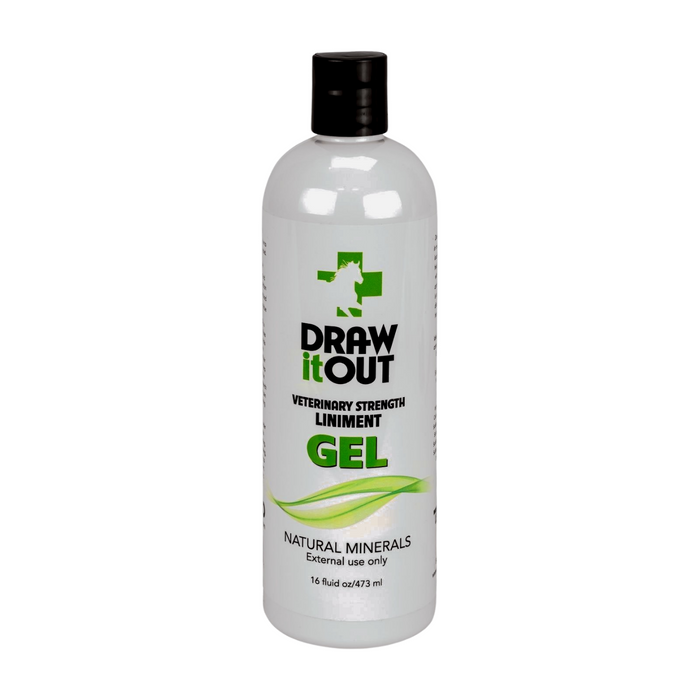
Stay-Put Gel
The everyday liniment gel format riders reach for when they want targeted, no-mess application.
View product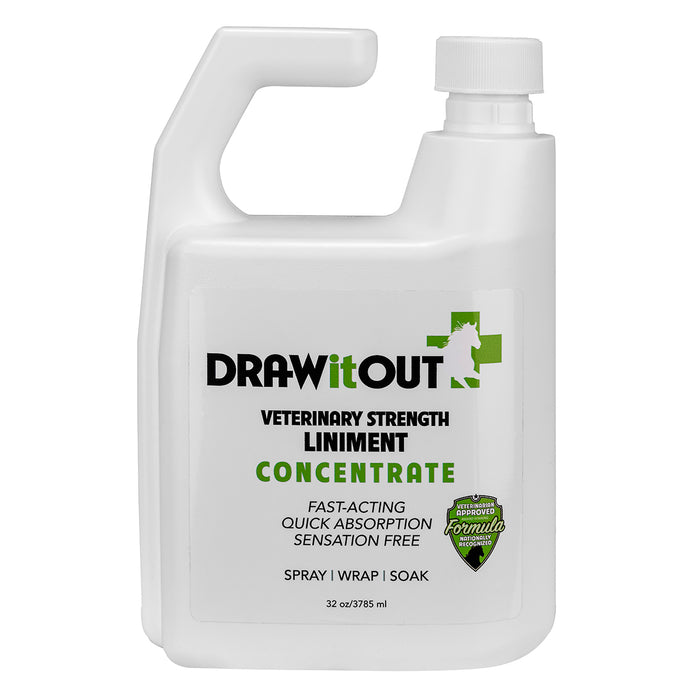
Mix Your Way
A flexible concentrate for riders who want to mix their own routine around workload and barn needs.
View product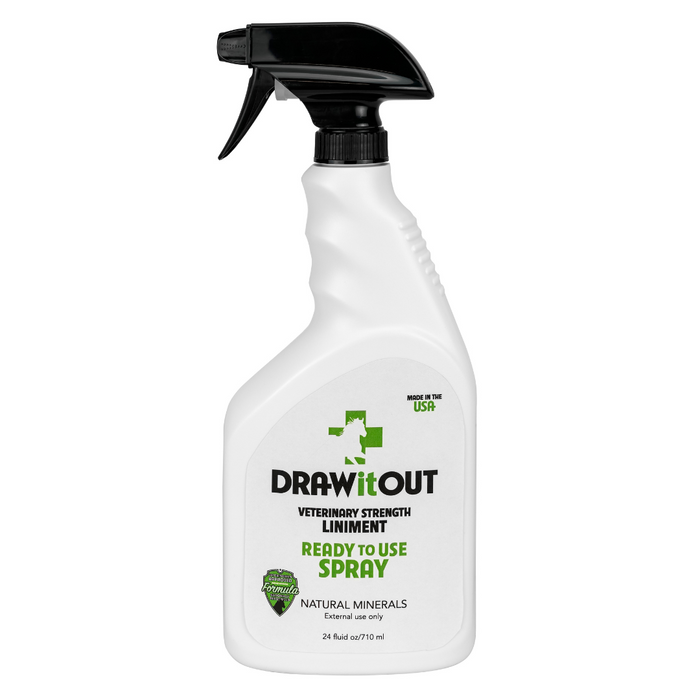
Ready To Use
A ready-to-use spray format for quick application after work, travel, turnout, or daily care.
View product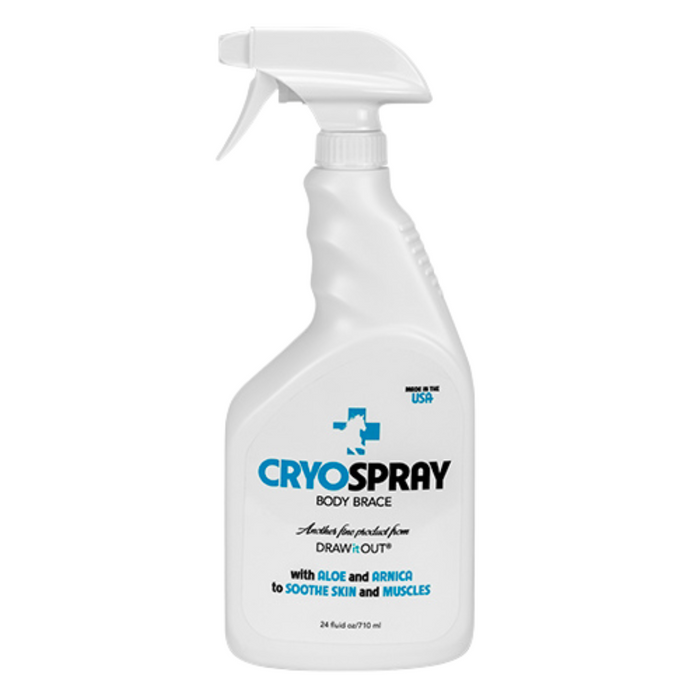
Cooling Brace
A cooling body brace spray for riders who want a fast, practical option after hard work or hot days.
View productFormat matters. Gel, concentrate, ready-to-use spray, and cooling spray each solve a different barn problem. Pick the one your routine will actually use.
!