Before work
Use the moment to check the horse before the ride begins. Feel legs, back, shoulders, and target areas. Apply a thin layer only where your routine calls for it, then allow time before tack or boots.

Horse liniment benefits
Horse liniment is not just a bottle you grab after a hard ride. Used thoughtfully, it becomes part of a repeatable routine before work, after work, during hauling, and between training days.
Quick answer: The practical benefit of horse liniment is consistency. It gives riders a clean, hands-on step for checking legs, back, shoulders, and hard-working areas before and after effort. Draw It Out® liniment gel is built for riders who want targeted, stay-put topical support without the old-school burn, sting, or heavy scent.

A good horse care routine is usually quiet. You run your hands down the legs. You notice heat, filling, tightness, dirt, rubs, soreness, or a change from yesterday. You clean the area. You make a decision based on the horse in front of you.
That is where liniment earns its place. Not as a miracle fix. Not as a way to push through a problem. Not as a replacement for training, conditioning, turnout, hydration, farrier work, or veterinary care. Liniment is useful because it gives riders a repeatable moment to check, support, and reset.
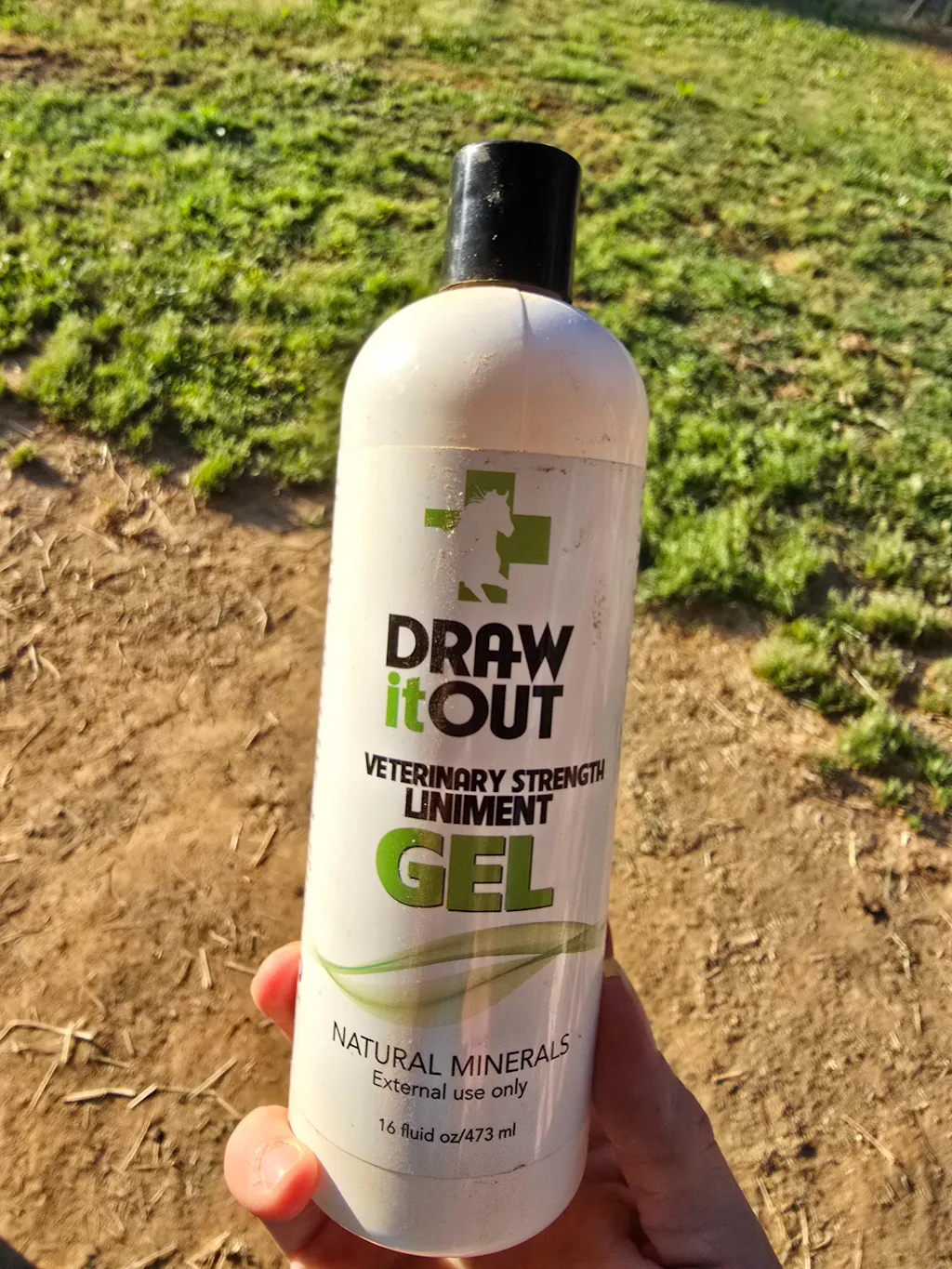
For many barns, that first step is a liniment gel. It stays where you put it, makes targeted application easier, and keeps the routine simple enough to repeat.
Trailboss truth: The best product in the barn is the one you actually use correctly. A simple routine done often beats an elaborate routine done once.
The biggest mistake is treating liniment like it only belongs after something feels wrong. A better way to think about it is by moment. Before the ride. After the ride. During travel. Between rides. Each use has a different job.
Use the moment to check the horse before the ride begins. Feel legs, back, shoulders, and target areas. Apply a thin layer only where your routine calls for it, then allow time before tack or boots.
After cooling out, use liniment gel as part of the post-ride rhythm. Clean sweat and grit first, dry the area, then apply a light, even coat to the areas you want to support.
For senior horses, horses in heavier work, or horses coming off travel days, liniment can help make the daily check more consistent. The habit matters as much as the bottle.
Most riders know when something is off because they have handled the horse enough to know normal. Liniment encourages that. You are not just tossing feed, throwing on tack, or hosing off legs. You are checking.
That hands-on step is useful before a ride because it can reveal small changes early. A horse that feels tight on one side, reacts differently to pressure, stocks up after a long stall day, or comes out of the trailer less settled than normal is giving you information.
Before the ride, the goal is awareness. A pre-ride liniment routine should never be used to hide a problem or rush a horse that is not ready. It should help you slow down long enough to notice what the horse is telling you.
For horses that benefit from targeted support before work, use a thin layer on clean, dry skin, rub it in evenly, and avoid slick buildup under high-friction tack areas. Then give the horse a proper walking warmup.
Run your hands over the areas you normally monitor. Compare left to right. Look for anything unusual before applying product.
Remove sweat, dust, mud, and grit so the product can sit cleanly on the area you are supporting.
Use a light, even layer. More product is not automatically a better routine.
Walk, observe, and let the horse settle into work. Product does not replace time, feel, or horsemanship.
After a ride, riders are busy. Untack. Cool down. Wash. Load. Feed. Get to the next class. Get home before dark. That is exactly why a repeatable post-ride routine matters.
Liniment gel works well in this window because it is controlled and targeted. You can use it on the areas your horse tends to need watched, instead of turning recovery into a messy all-over process that nobody repeats for long.
Do not overcomplicate it: If the routine takes too long, most barns stop doing it. Build the version you can repeat on a tired Tuesday night.
Older horses and horses with heavier calendars often benefit from consistency. The point is not to treat age like a problem. The point is to build enough structure that you can notice changes before they become surprises.
A daily or near-daily liniment check may make sense for horses that are hauled often, stalled more than usual, returning to work, showing through a long weekend, or carrying a steady training schedule.
Travel changes the day. Horses stand, brace, balance, unload in a new environment, and often go right into work or showing. A liniment routine can be useful around travel because it gives you a structured check before and after the haul.
After unloading, look before you apply. Check legs. Watch how the horse steps off. Note filling, heat, sensitivity, or unusual behavior. If everything looks normal and your routine calls for it, a thin, targeted layer can fit into the broader travel reset.
If a horse unloads lame, unusually reactive, hot in one area, or clearly uncomfortable, stop and evaluate. Liniment belongs in a thoughtful care routine. It should not be used to push a horse through a warning sign.
The product format matters because the job changes. Gel, spray, and concentrate can all belong in a barn, but they do not solve the same practical problem.
| Format | Best fit | Why riders choose it |
|---|---|---|
| 16oz liniment gel | Daily targeted use | Best first step for legs, back, shoulders, and focused post-work routines. |
| 64oz liniment gel | High-use barns | Same controlled gel logic, better fit when one horse or one barn uses product often. |
| RTU liniment spray | Fast coverage | Useful when speed and broader coverage matter more than targeted stay-put application. |
| Liniment concentrate | Barn mixing and multi-horse routines | Fits barns that dilute, sponge, wrap, or manage several horses with one economical format. |
Best starting point: Most riders should start with the 16oz liniment gel. It is simple, targeted, and easy to keep in the grooming tote, trailer, or tack room.
Good care includes knowing when to stop. Liniment should be part of a responsible routine, not a way to ignore something that needs a closer look.
When in doubt, slow down and call your veterinarian or qualified equine professional. A good product supports good judgment. It does not replace it.
Prehabilitation is the better long game. It means building warmup, cooldown, hydration, daily checks, hoof care, and recovery into a routine before problems start stacking up.
Liniment gel fits that mindset because it is simple. It gives the rider a repeatable support step that can live before work, after work, and between rides without turning the barn aisle into a chemistry project.
Horse liniment helps riders build a repeatable care routine. It is commonly used before work, after work, during hauling, and between training days as a targeted support step for legs, back, shoulders, and other hard-working areas.
Yes, when it fits your horse and your routine. Apply a thin layer to clean, dry skin, avoid slick buildup under high-friction tack areas, and give the horse a proper warmup. Do not use liniment to hide lameness, heat, or unusual sensitivity.
Yes. Many riders use liniment gel after a ride as part of their cooldown routine. Walk the horse out, clean and dry the target area, then apply a thin, even coat where support is needed.
It can be. Senior horses often benefit from consistent handling, slower warmups, and repeatable post-work checks. Liniment gel can be part of that routine when applied thoughtfully and used alongside sound management.
Draw It Out® liniment gel can fit under-wrap routines when used correctly. Apply a thin, even layer to clean, dry skin, use clean wraps, and check comfort, heat, and fit. Do not wrap over irritated skin or use wraps to ignore a problem.
Choose gel for targeted stay-put use, spray for faster coverage, and concentrate for barns that mix, dilute, sponge, or manage multiple horses. Most riders should start with the 16oz liniment gel if they want one simple daily option.
Do not apply liniment to open wounds, broken skin, irritated skin, or areas with unusual heat, swelling, or sensitivity without proper guidance. If your horse is lame, reactive, or clearly uncomfortable, stop and evaluate before continuing work.
The best horse care system is not the loudest one. It is the one you can follow on show mornings, late nights, hauling days, and regular barn days. Start with the 16oz liniment gel, then build the rest of the routine around what your horse actually needs.
This article gives you the background. If you are ready to put the idea into a real horse care routine, these are the next places most riders should go.
Explore the Draw It Out® liniment gel lineup for everyday use, post-work routines, and targeted recovery support.
Shop liniment gelsMatch your horse’s workload, age, routine, and care goals to the Draw It Out® products that make the most sense.
Use the finderLearn how riders support soundness, comfort, and consistency before little issues become bigger problems.
Read the guideReal Barn Proof
Real riders. Real horses. Real routines. These clips rotate automatically so the proof stays fresh without weighing the page down with a long feed.
Why this matters: good horse care should make sense outside the ad. These clips show the kind of everyday use that builds trust one barn at a time.
Further Reading
Horse care works better when the next step is clear. These related reads help connect today’s topic to better daily decisions in the barn.
May 29, 2026
A simple summer horse-care routine for humid barns, sticky coats, sweat-prone areas, and early skin irritation checks before little problems g...
Read article
May 29, 2026
A daily horse liniment routine should be simple, repeatable, and easy to use after work. Here is how to choose a practical post-ride option.
Read article
May 28, 2026
A practical horse health routine for checking fly sheet rubs, blanket pressure points, shoulder marks, wither areas, belly straps, heat, sweat...
Read articleStart with the principle, then build the habit. The right article should make the next barn decision easier, not more complicated.
Next Step
Simple care guides, practical product paths, and rider-trusted tools built for real horses and real routines.
Good care gets easier when the next step is obvious. Read the guide, match the routine, then choose the format that fits how your barn actually works.
Recovery Routine
Want a smarter way to think through post-ride care, heat, swelling, leg support, and daily recovery decisions? Start with the Performance Recovery Hub.
Better recovery starts with a repeatable routine. The hub gives riders a clearer path from workload to product format to aftercare timing.
Rider Favorites
Four core Draw It Out® staples riders keep close for daily recovery routines, wash rack use, targeted support, and quick barn-side care.
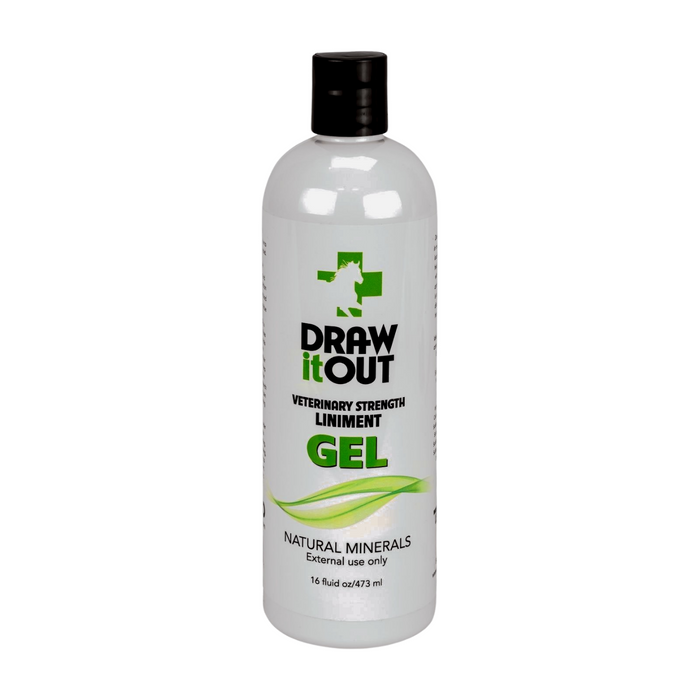
Stay-Put Gel
The everyday liniment gel format riders reach for when they want targeted, no-mess application.
View product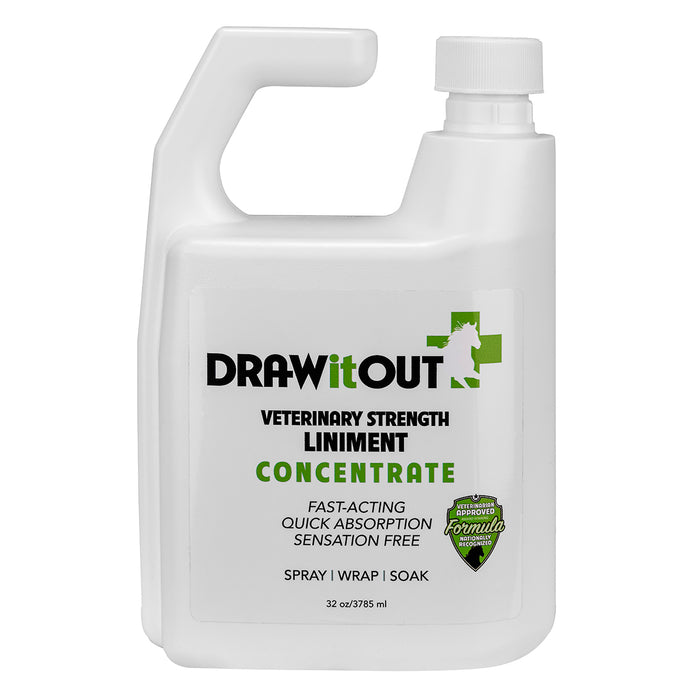
Mix Your Way
A flexible concentrate for riders who want to mix their own routine around workload and barn needs.
View product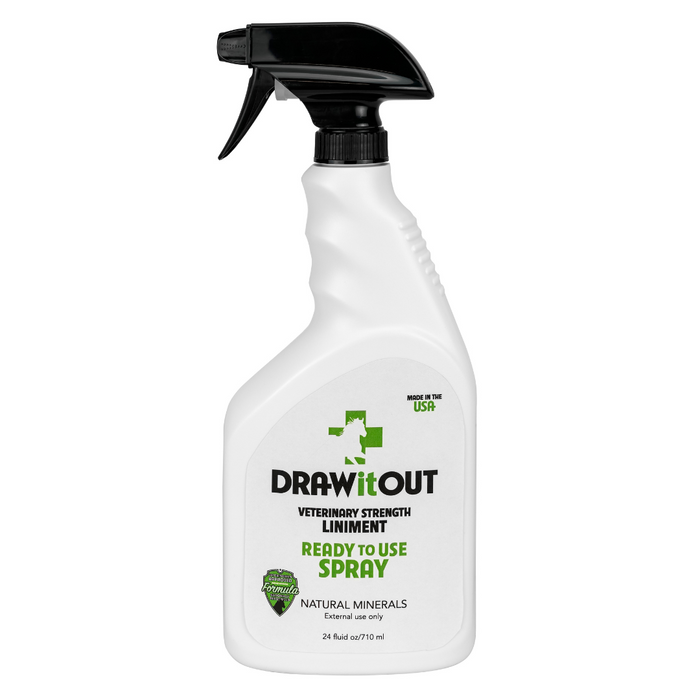
Ready To Use
A ready-to-use spray format for quick application after work, travel, turnout, or daily care.
View product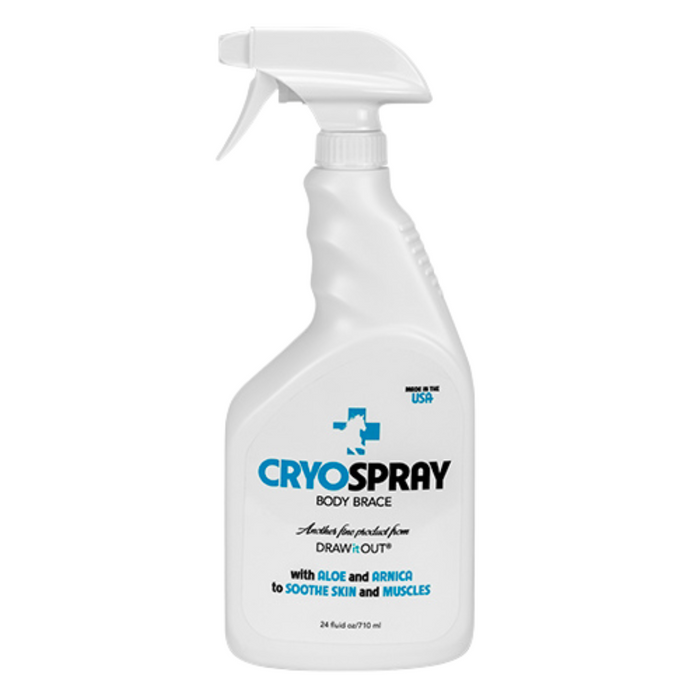
Cooling Brace
A cooling body brace spray for riders who want a fast, practical option after hard work or hot days.
View productFormat matters. Gel, concentrate, ready-to-use spray, and cooling spray each solve a different barn problem. Pick the one your routine will actually use.
!