Day off
No planned work. The horse may still get turnout, grooming, feed, water, hoof checks, and normal care.

Recovery day checklist
A recovery day still has a job. Check the horse, do not disappear.
Quick answer: On a horse recovery day, check legs, hooves, back, girth area, turnout, movement, water intake, attitude, and next-day response. Liniment gel may fit only after the horse is checked and the skin is clean, dry, and intact.
Recovery days are where patterns show up.
A day off means the horse is not being ridden. A recovery day means you are using the day to read how the horse handled the previous work and decide what tomorrow should look like.
That difference matters. If yesterday was hard, long, hot, deep, repetitive, or stressful, today is your chance to catch the cost before it stacks.
No planned work. The horse may still get turnout, grooming, feed, water, hoof checks, and normal care.
A no-ride or light-movement day used to observe legs, body, attitude, hydration, and next-day response.
May include turnout, hand-walking, or easy movement when the horse is sound and normal.
When rest was prescribed, follow the veterinarian’s restrictions instead of a generic recovery routine.
Plain rule: A recovery day should answer one question: did the horse handle the previous work well enough to progress, repeat, or reduce?
Use the no-ride day to slow down and read the horse. The check should be simple, repeatable, and honest.
| Area | What to check | Why it matters |
|---|---|---|
| Legs | Heat, fill, swelling, tenderness, cuts, boot marks | Yesterday’s work often shows up in the legs today. |
| Hooves | Packed debris, loose shoes, cracks, odor, sole tenderness, frog changes | Footing and hoof issues can drive body soreness. |
| Back | Saddle marks, sensitivity, dipping, reluctance to be groomed | Tack fit or workload problems can show up after the ride. |
| Girth area | Rubs, swelling, crusting, soreness, hair loss, irritation | Sweat and tack pressure can create skin issues quickly. |
| Movement | Walk, turns, backing, turnout movement, willingness | A changed walk may tell you more than a quiet stall check. |
| Hydration and attitude | Water intake, appetite, manure, brightness, normal behavior | Recovery is whole-horse, not just muscle or legs. |
Sometimes yes. Sometimes no. Movement may fit when the horse is sound, comfortable, normal in attitude, and not under veterinary restriction. Turnout, hand-walking, or gentle movement can help keep the day from becoming stiff idle time.
Do not “recovery walk” through a red flag: Movement is useful only when the horse is appropriate for it.
A recovery day should help you decide the next step. If the horse looks better, normal, and comfortable, the plan may continue. If the horse looks worse, stiff, filled, sore, dull, or uneven, the next day needs to change.
Best question: Did the horse earn more work, or did yesterday already ask enough?
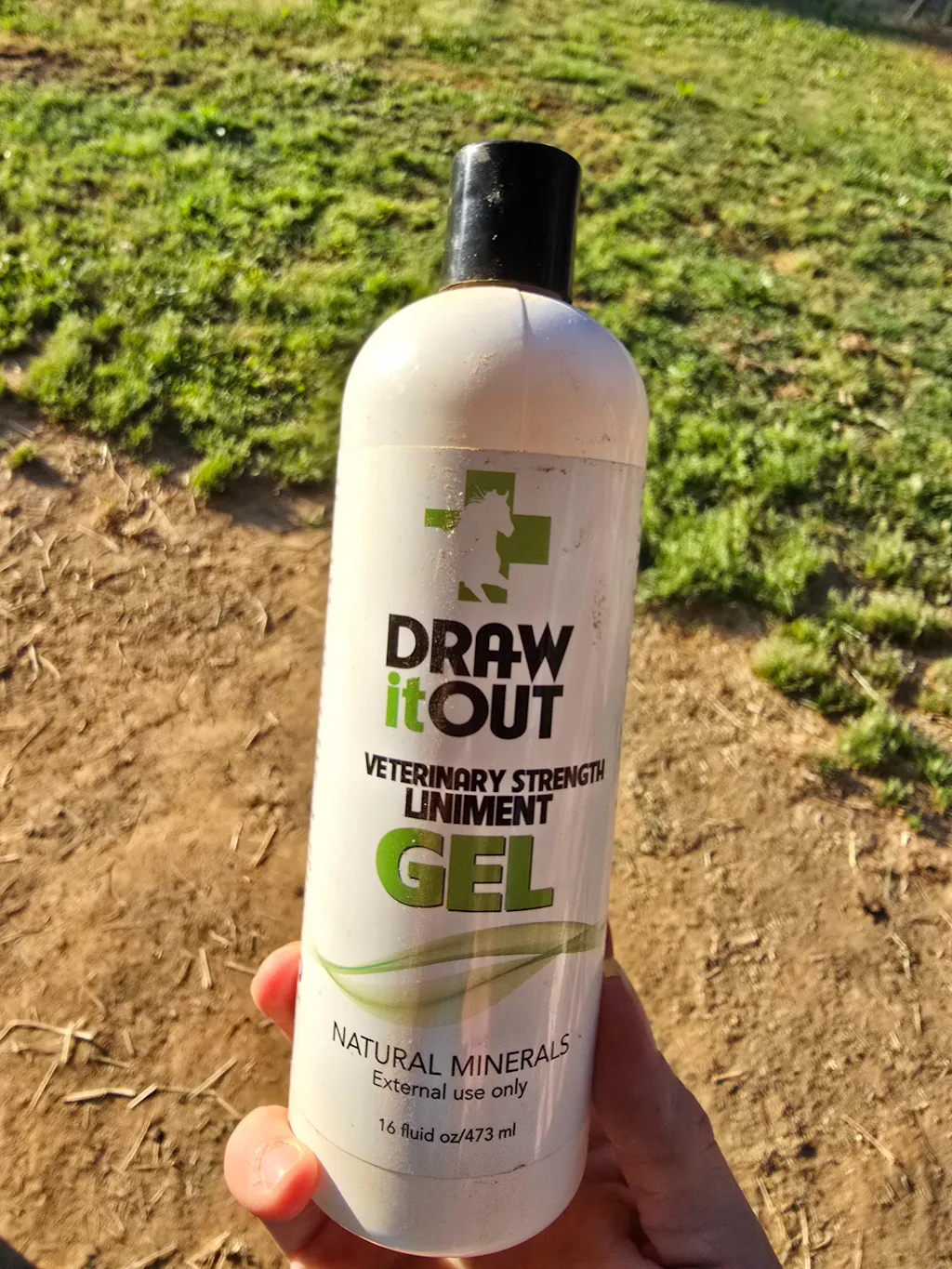
Draw It Out® 16oz liniment gel can fit a recovery-day routine as a controlled, hands-on body-care step when the horse has been checked and the target area is clean, dry, and intact.
It should not be framed as flushing soreness, speeding healing, boosting circulation, replacing movement, replacing rest, or allowing riders to ignore warning signs.
Prehabilitation is not only what happens before work. It is also what happens when you choose not to ride. Recovery days help riders see patterns, adjust workload, and catch small changes early.
Check legs, hooves, back, girth area, movement, turnout, hydration, attitude, and next-day response. Recovery days are for observation, not disappearing from the routine.
Not exactly. A day off means no planned work. A recovery day means you are actively checking how the horse handled previous work and deciding whether to progress, repeat, reduce, or get help.
Hand-walking may fit when the horse is sound, acting normal, comfortable, and not under veterinary restriction. Do not force movement through lameness, heat, swelling, sharp pain, fever, or abnormal behavior.
Liniment gel can fit a recovery-day routine when the horse is sound, acting normal, and the target area is clean, dry, and intact. Use a thin layer according to label directions.
Only wrap if you know why you are wrapping, can apply wraps correctly, and can recheck on schedule. Do not wrap over dirty skin, wounds, heat, swelling, sharp pain, or unexplained changes.
Lameness, heat, swelling, sharp pain, sudden fill, fever, weakness, abnormal breathing, appetite changes, dullness, wounds, or a horse that is not acting normal should trigger professional guidance.
Look for leg fill, heat, tenderness, back soreness, girth irritation, hoof tenderness, changed movement, dullness, reduced appetite, or a horse that is less willing than normal.
For controlled, targeted body-care routines on clean, dry, intact skin, Draw It Out® 16oz liniment gel is the practical starting point.
Check the horse. Read yesterday’s cost. Let the next decision come from what the horse tells you. Use Draw It Out® where routine support fits, and skip product when the horse needs a different answer.
This article gives you the background. If you are ready to put the idea into a real horse care routine, these are the next places most riders should go.
Explore the Draw It Out® liniment gel lineup for everyday use, post-work routines, and targeted recovery support.
Shop liniment gelsMatch your horse’s workload, age, routine, and care goals to the Draw It Out® products that make the most sense.
Use the finderLearn how riders support soundness, comfort, and consistency before little issues become bigger problems.
Read the guideReal Barn Proof
Real riders. Real horses. Real routines. These clips rotate automatically so the proof stays fresh without weighing the page down with a long feed.
Why this matters: good horse care should make sense outside the ad. These clips show the kind of everyday use that builds trust one barn at a time.
Further Reading
Horse care works better when the next step is clear. These related reads help connect today’s topic to better daily decisions in the barn.
May 23, 2026
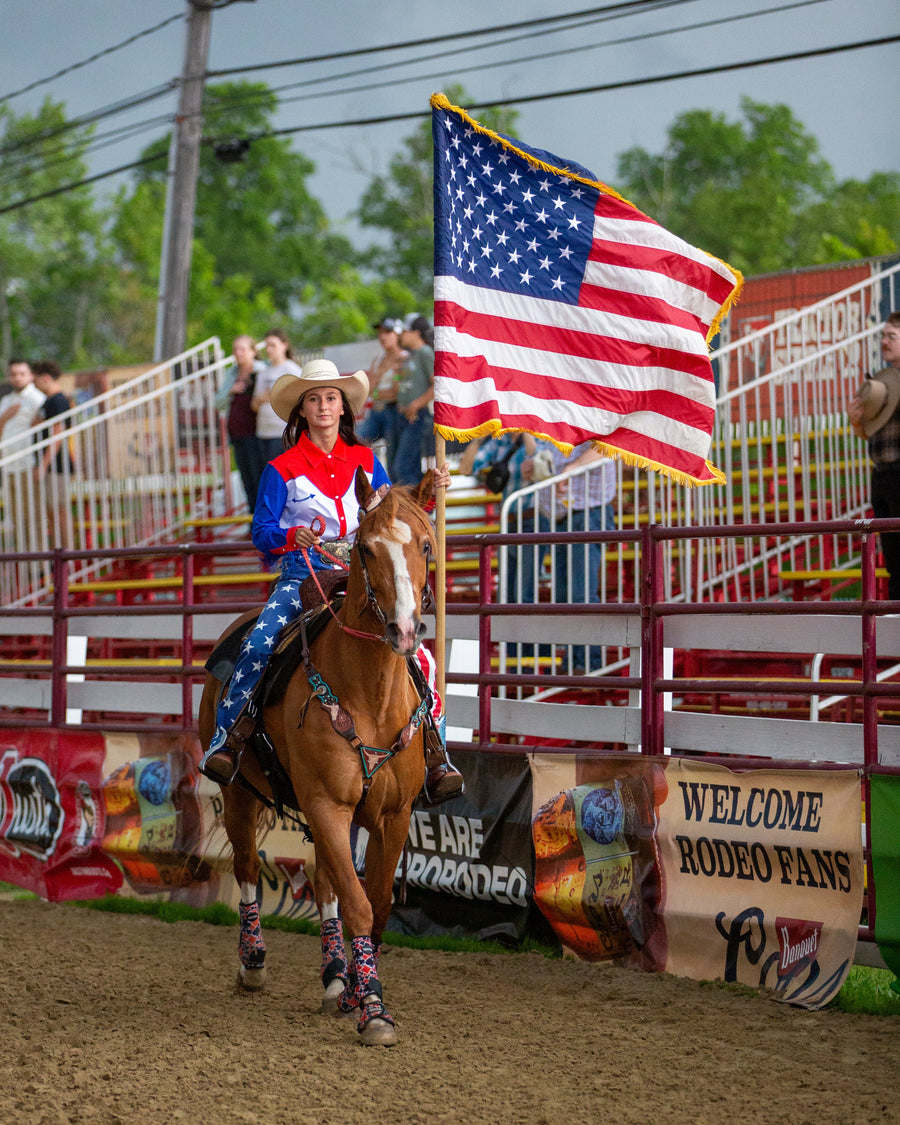
A respectful Memorial Day weekend tribute from Draw It Out® honoring military horses, mounted service, caretakers, and the quiet trust of work...
Read article
May 22, 2026
Sweat patterns after hot weather work can tell you where to look next. Here is a practical post ride check for cooling, hydration, tack fit, a...
Read article
May 21, 2026
Dry weather can turn normal riding ground into a harder surface than horses are used to. Here is a simple post-ride leg and hoof check for rea...
Read articleStart with the principle, then build the habit. The right article should make the next barn decision easier, not more complicated.
Next Step
Simple care guides, practical product paths, and rider-trusted tools built for real horses and real routines.
Good care gets easier when the next step is obvious. Read the guide, match the routine, then choose the format that fits how your barn actually works.
Recovery Routine
Want a smarter way to think through post-ride care, heat, swelling, leg support, and daily recovery decisions? Start with the Performance Recovery Hub.
Better recovery starts with a repeatable routine. The hub gives riders a clearer path from workload to product format to aftercare timing.
Rider Favorites
Four core Draw It Out® staples riders keep close for daily recovery routines, wash rack use, targeted support, and quick barn-side care.
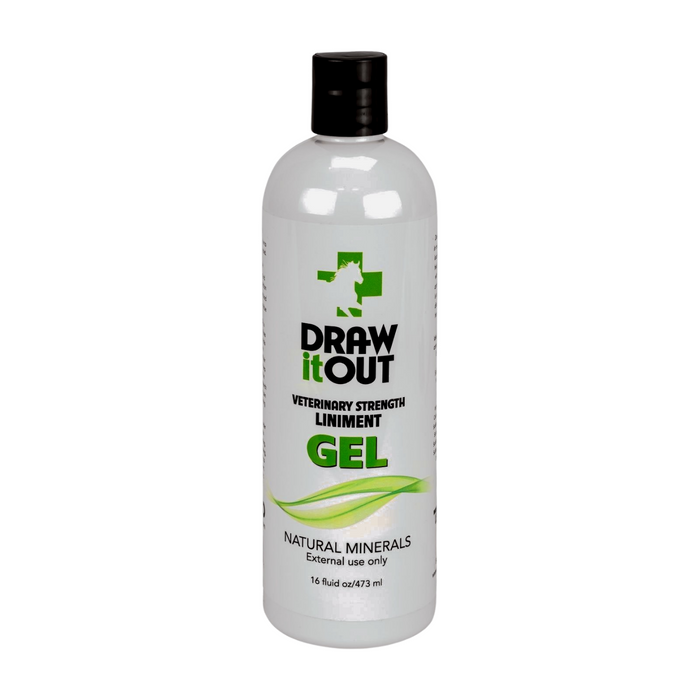
Stay-Put Gel
The everyday liniment gel format riders reach for when they want targeted, no-mess application.
View product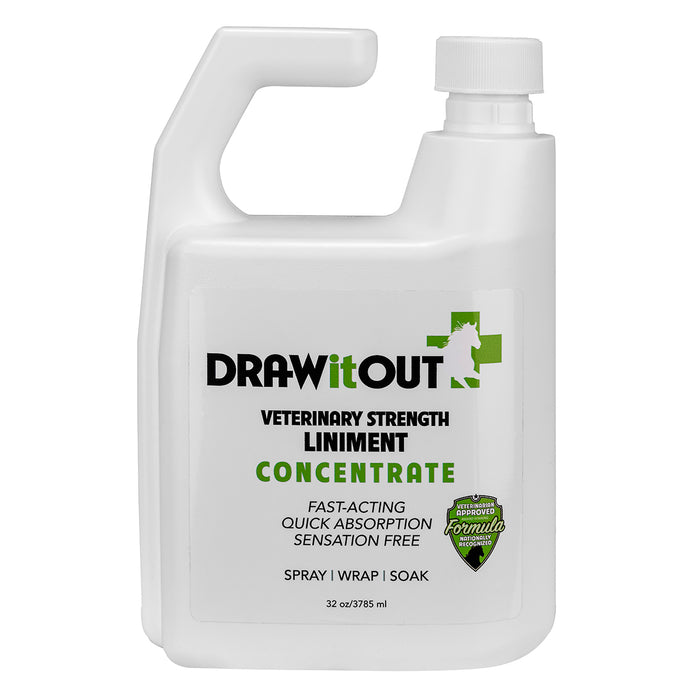
Mix Your Way
A flexible concentrate for riders who want to mix their own routine around workload and barn needs.
View product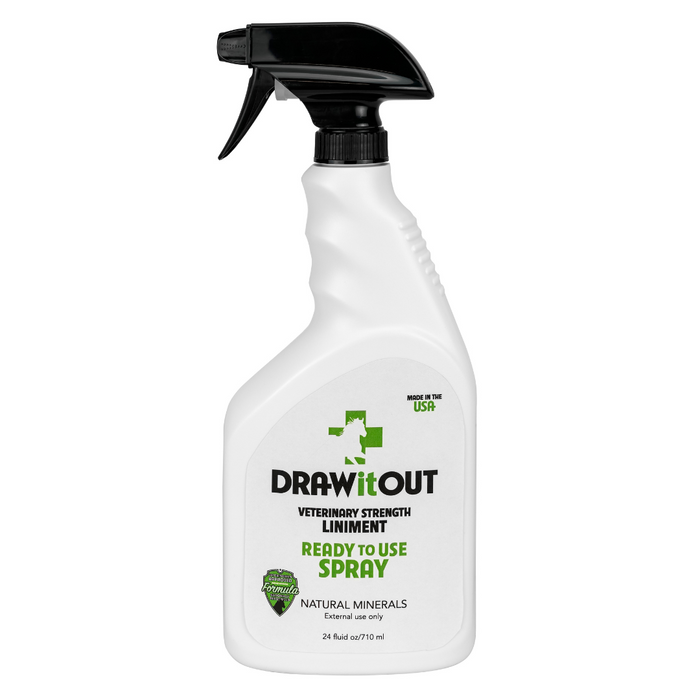
Ready To Use
A ready-to-use spray format for quick application after work, travel, turnout, or daily care.
View product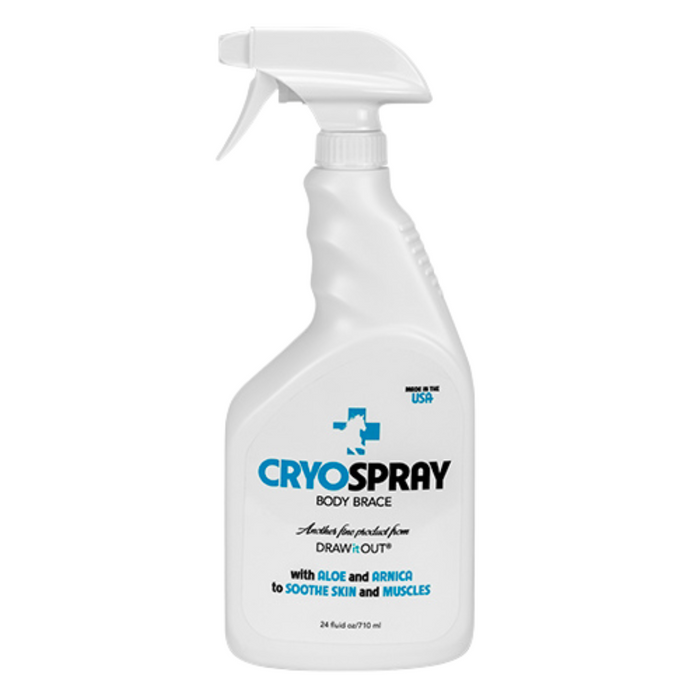
Cooling Brace
A cooling body brace spray for riders who want a fast, practical option after hard work or hot days.
View productFormat matters. Gel, concentrate, ready-to-use spray, and cooling spray each solve a different barn problem. Pick the one your routine will actually use.
!