Read this if the lameness improves with rest but returns with work
Navicular syndrome is usually a management game. The fastest wins tend to come from farrier balance, surface choices, and a routine that reduces concussion while supporting comfortable movement.
Navicular syndrome is a degenerative condition involving the navicular bone and nearby soft tissues within the hoof. It’s one of the more common causes of chronic forelimb lameness, especially in performance horses and horses with certain hoof and limb conformations.
What Causes Navicular Syndrome?
- Repeated concussion on hard ground or high-impact work
- Poor hoof mechanics such as long toe and low heel patterns
- Conformational predisposition in some horses
- Overuse from intense or repetitive training
- Inflammation and stress in the navicular region over time
Signs Your Horse May Have Navicular Syndrome
- Short, choppy strides in the front limbs
- Tripping or stumbling, especially when fatigued
- Intermittent or shifting lameness
- Reluctance to turn, especially in tight circles
- Improves after rest but discomfort returns with exercise
Management Strategies
- Farrier strategy: Corrective trimming and shoeing to improve balance and reduce strain in the heel region.
- Surface management: Prioritize softer, more forgiving footing and avoid repetitive work on hard ground.
- Work planning: Controlled exercise and rest cycles to keep the horse moving without overloading the foot.
- Veterinary plan: A vet-guided approach to diagnostics and anti-inflammatory protocols when appropriate.
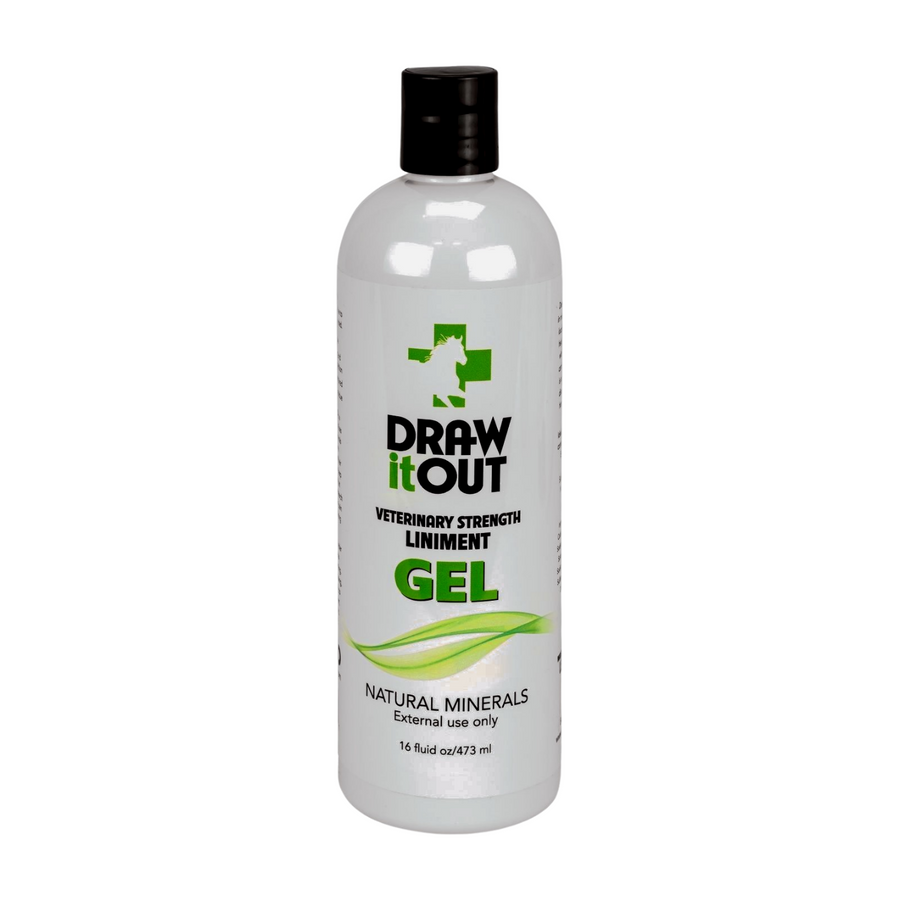
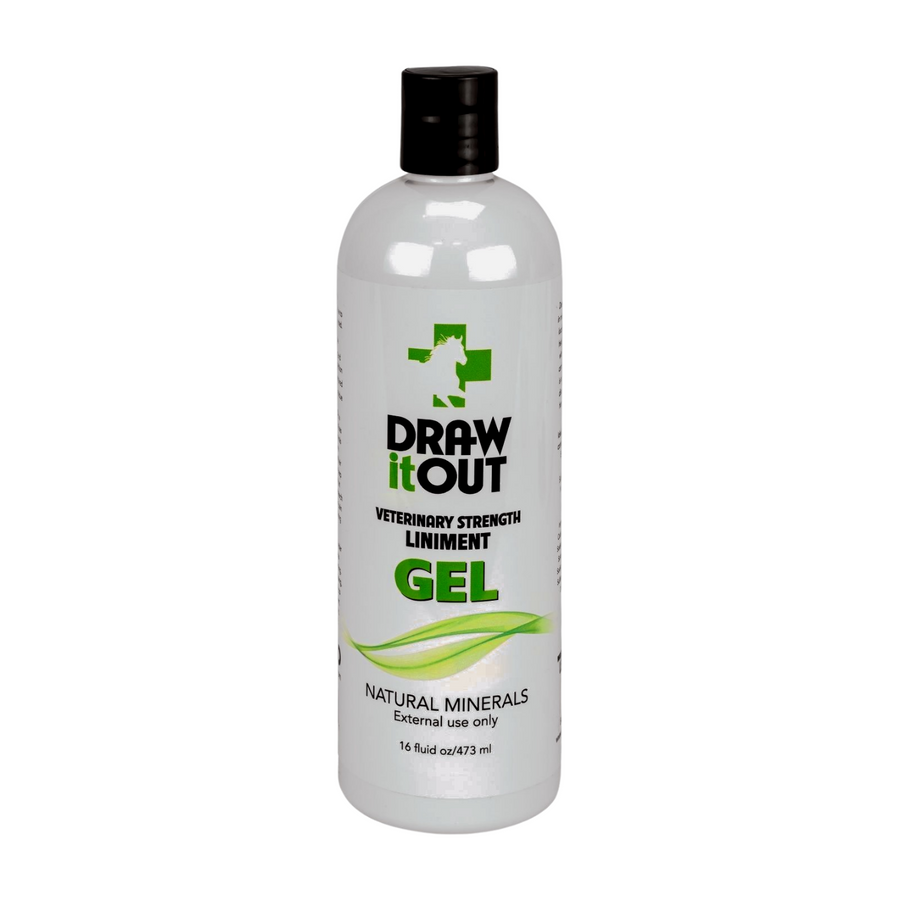
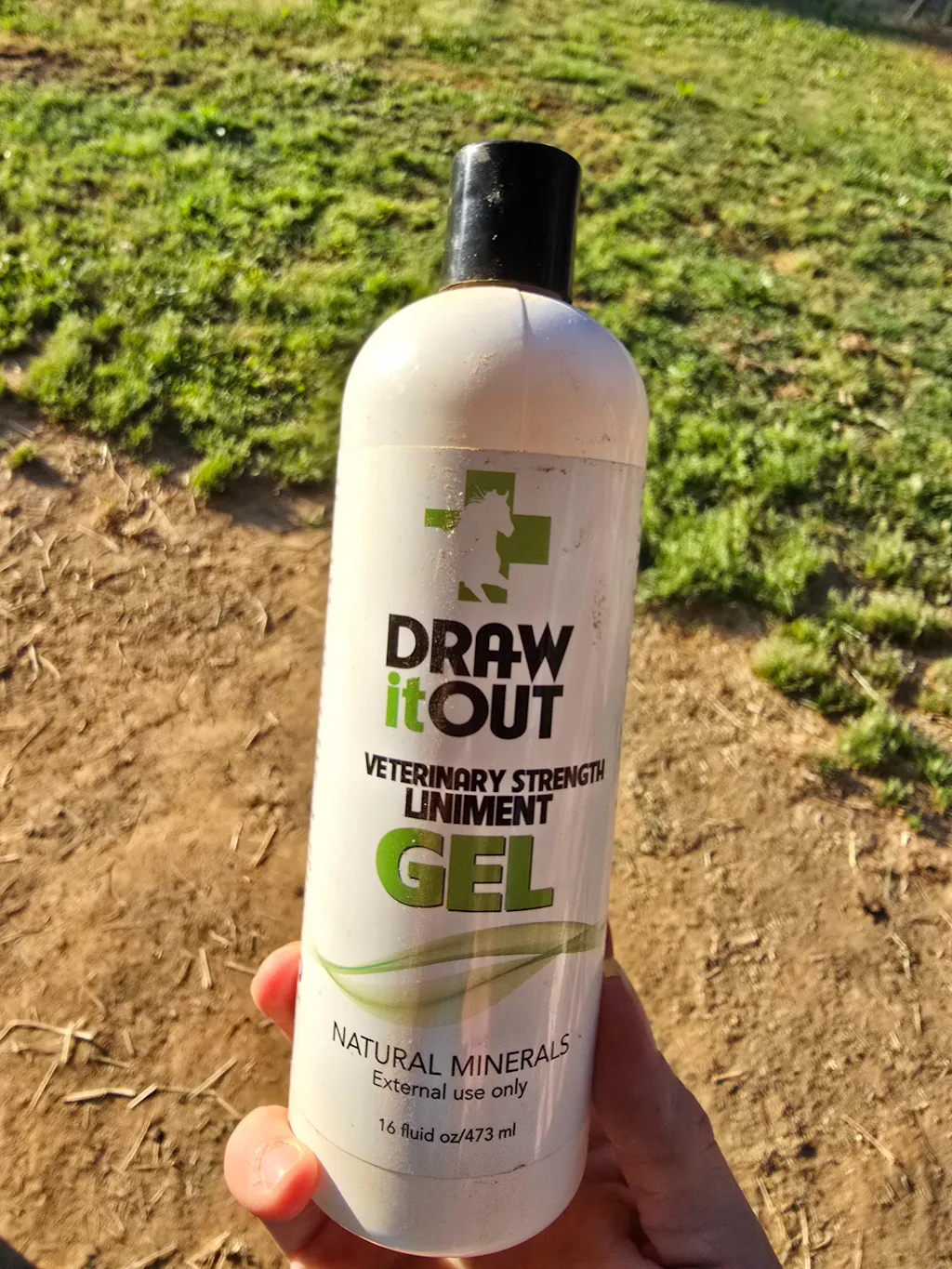
- Support routine: A sensation-free liniment gel can fit into daily care to support comfort. Draw It Out® 16oz High Potency Liniment Gel.
Why It Matters
Navicular syndrome can impact long-term soundness and performance. Early identification, strong farrier fundamentals, and disciplined management can help slow progression and extend your horse’s useful working life.