Post-Ride Guide

Post-Ride Leg Care for Horses

This is the plain-English version riders actually need. When legs feel hot, start with cooling. When a horse is just stiff and not warm, gentle movement or warmth can make more sense. The win is not doing more. The win is doing the right thing in the right order.

Speakable Summary
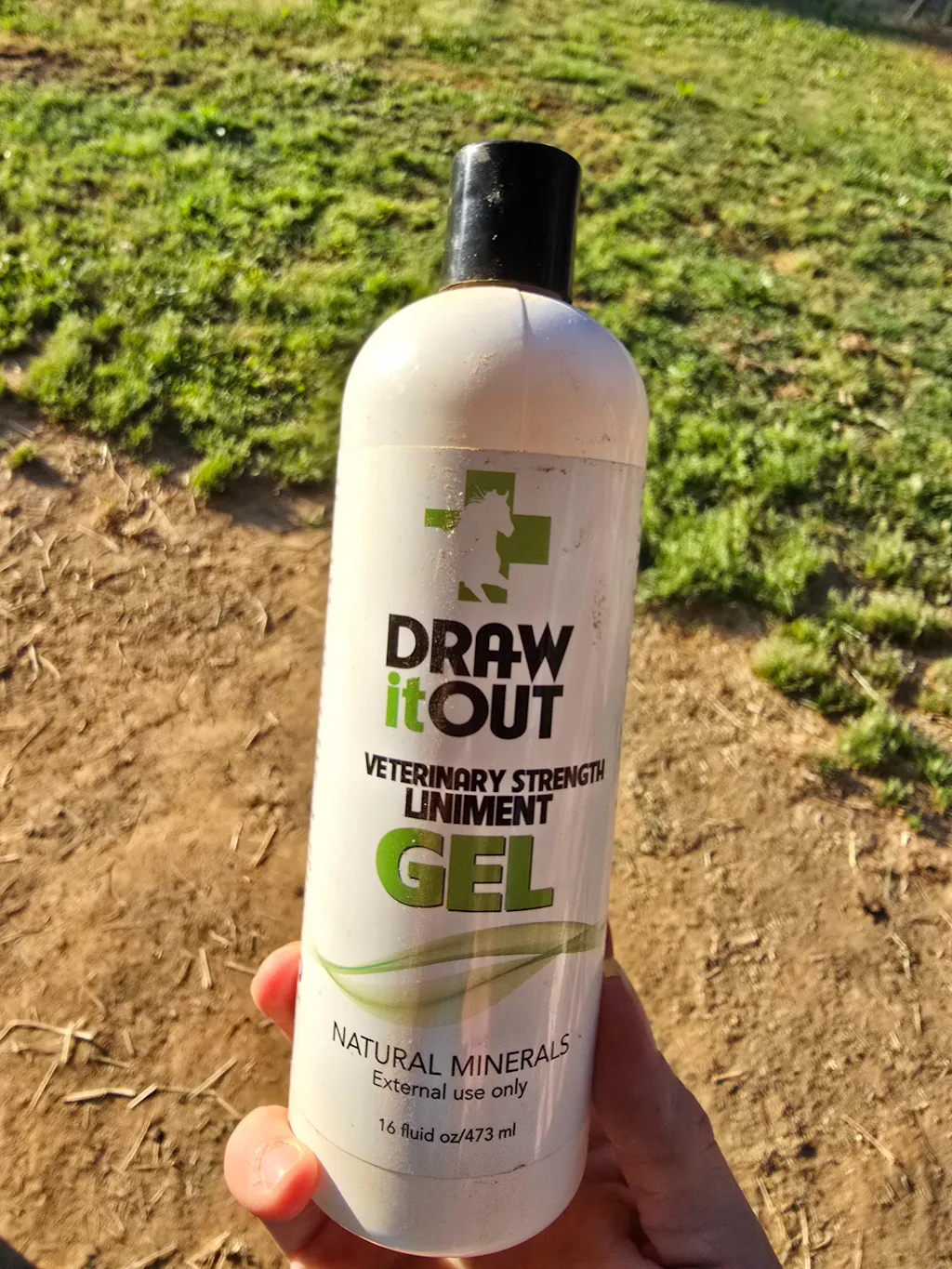
Use cooling after hard work, post-haul puffiness, or anything warm to the touch. Reserve gentle warmth for stiffness without heat. Keep cooling bouts short, let skin normalize between them, then apply a thin, even coat of liniment gel on clean, dry legs if that fits your normal routine.
Routine first
No burn, no sting
Built for real riders
Modern Performance, Proven Calm

Ice vs heat. Start here.

Most riders get in trouble by treating everything the same. Hot legs and cool stiffness are not the same thing. Puffy-from-standing is not the same thing as a fresh knock. This page is your simple reset.

Choose cooling first when: Warmth is obvious after work, legs feel fuller after hauling or stall rest, or one spot is noticeably hotter than the rest.
Choose gentle warmth or movement when: The horse feels stiff, older, or tight without visible heat. Think easy walk first, not aggressive heat.
Cooling window: Usually 10 to 20 minutes per bout, then let the skin return toward normal before repeating.
When to stop guessing: Marked pain, lameness, deep wounds, fever, worsening heat, or a horse that does not want to bear weight.

Quick matrix for common barn situations

Situation Start with How long Then what
After hard schooling or conditioning Cooling 10 to 20 minutes Dry legs fully, then apply a thin coat of 16oz High Potency Liniment Gel if part of your normal post-ride routine.
Post-haul stocking up Cooling plus light movement 10 to 15 minutes cooling, then 10 minutes hand-walk Recheck after movement. If appropriate for your program, use a thin gel layer on clean, dry legs before clean wraps.
Windpuffs that are cool and soft Light cooling after work 10 to 15 minutes Support and reassess the next morning. Save the harder decision-making for cases that are hot or painful.
Older horse feels stiff on a cool morning Easy movement first 10 to 15 minutes of walking Warmth can make sense only if the area is not hot. Post-work, return to your normal recovery routine.
Fresh bang with localized heat Cooling only Short, controlled bouts Monitor closely and involve your veterinarian when signs are significant, worsening, or not matching a routine recovery pattern.

What cooling actually means

Cooling does not need to be dramatic to be useful. Riders usually do best with repeatable, controlled sessions rather than one oversized effort. Cold hosing, a cooling rinse, or boots can all fit. The key is timing, skin checks, and not trapping heat back in.

When gentle warmth makes sense

Warmth belongs mostly in stiffness conversations, not fresh heat conversations. If a horse is tight but not warm, older and creaky on cold mornings, or slow to loosen without any obvious hot spot, gentle motion is usually the first move. A warm compress or heat from movement can be reasonable after that.

  • Use it for stiffness without heat
  • Start with walking, not gadgets
  • Stop if the area becomes warm, reactive, or more sore
  • Do not confuse “tight” with “freshly hot”

What riders mess up most

  • Putting heat on something already hot
  • Wrapping damp legs
  • Leaving cold on too long
  • Using heavy product where a thin layer would do
  • Skipping the recheck later that day

Simple product pairings

Cool then support

Start with cooling, then use a thin, even coat of liniment gel on clean, dry legs.

Fast cooling days

For days when you want a quicker cooling lane, pair your rinse routine with a cooling-focused option that fits the way you already work.

Build the longer game

The best leg care page in the world still loses to a bad weekly routine. Prehab is how you stop chasing the same problems.

FAQ

Should I use ice or heat on horse legs after a ride?

Start with cooling when legs are warm, full, or puffy after work. Reserve gentle warmth for stiffness without heat. When in doubt, cooling is usually the safer first move.

How long should I cool horse legs?

Most barn routines land in the 10 to 20 minute range per bout, with time between sessions for the skin to normalize. Very long continuous cooling is usually not the goal.

Can I apply liniment gel after cooling?

Yes, once the legs are clean and dry. Use a thin, even coat on intact skin and keep wraps clean and dry if wraps are part of your normal system.

Should I put heat on a swollen horse leg?

Not if it is warm or freshly reactive. Heat belongs more to stiffness conversations than fresh swelling-and-heat conversations.

What if my horse is stocked up after hauling?

Cooling plus light movement is a common first step. Recheck after walking and again later. If swelling is pronounced, painful, or paired with other concerning signs, call your veterinarian.

Draw It Out®

Show-Safe Relief. Naturally.

We build every product for real riders who care as much as we do. No burn, no sting, no nonsense. Just clean, sensation-free relief built for real horses, real barns, and repeatable routines.

From barn aisle to show ring, Draw It Out® stands for one simple promise. Modern Performance, Proven Calm.

Start Here

Not sure what to do next?

Pick the fastest next step. If you already know what you need, jump straight to the right lane.

Routine first

Built for repeatable routines, not hype.

Real riders

Made for everyday horse people who do the work.

Need help?

Need a quick pointer? Contact us.