Horse Sweat Pattern Check After Hot Weather Work
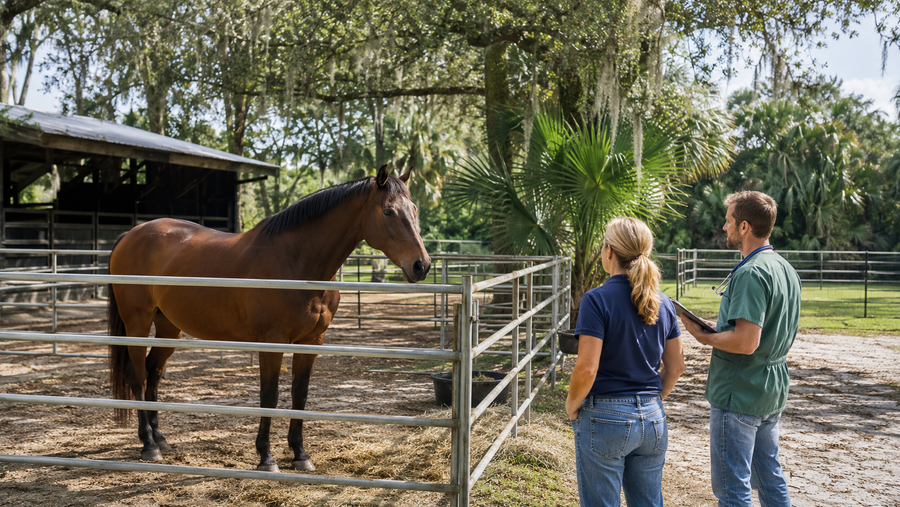
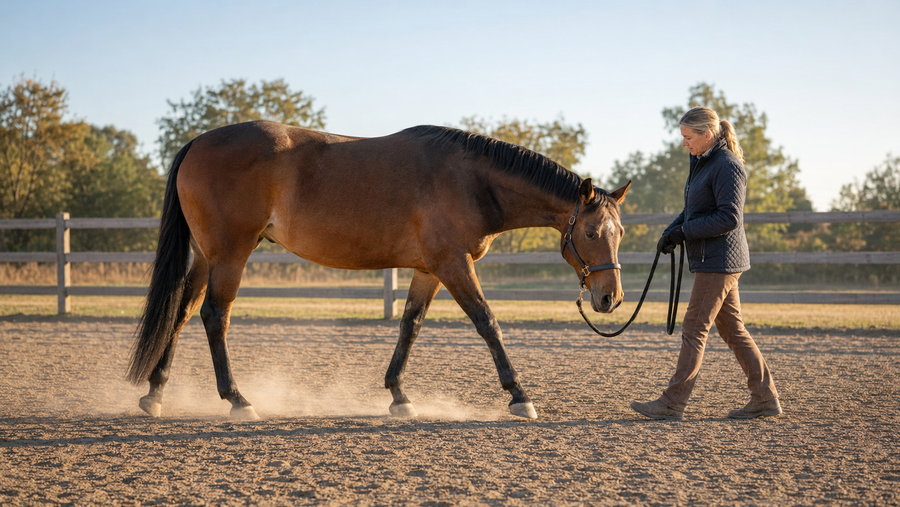
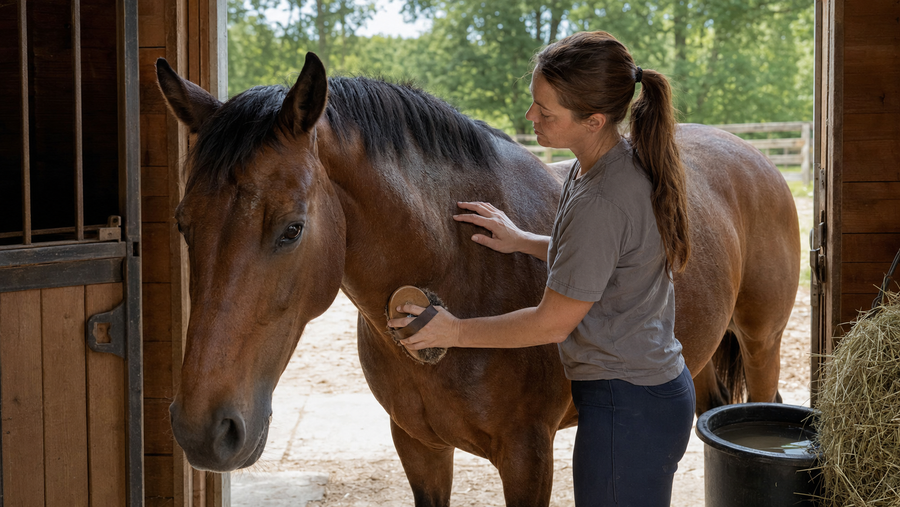
Sweat patterns after hot weather work can tell you where to look next. Here is a practical post ride check for cooling, hydration, tack f...
Horse birthdays are weird on purpose. In a lot of the horse world, age is counted by a universal date, not the actual foaling day. Once you understand why, the rule stops feeling random and starts feeling practical.
In many disciplines and registries, horses “age up” on January 1 in the Northern Hemisphere. That means a horse born late in the year can be considered a year older on paper very quickly. It is not about biology. It is about standardization.
Age based classes need a clean rule. One date keeps eligibility simple for shows, futurities, sales, and records.
Foaling dates vary and records are not always perfect. A universal date reduces confusion across huge populations of horses.
The Northern Hemisphere standard is commonly January 1. In the Southern Hemisphere, many systems use August 1. If you compete or register horses across regions, the rule you follow depends on the organization involved.
Quick sanity check: If age affects class eligibility, do not guess. Confirm the current rule for your registry or discipline.
If you know the foaling date, count calendar years from that date. That is your horse’s real age.
Use the universal birthday rule required by your discipline or registry, then count whole years from that date.
Paper age is not the same as readiness. A young horse that “ages up” on paper may still be physically immature. The smart move is to use the rule for classes and records, then train based on the horse in front of you.
Routine nudge: If you want a simple hoof routine that stays consistent year round, start with SilverHoof EQ Therapy®.
In the Northern Hemisphere, many systems use January 1 as the universal birthday. In the Southern Hemisphere, many use August 1.
It creates consistency for age based classes, breeding records, and sales. One date makes the system easier to manage at scale.
If you know the foaling date, count from that date for actual age. For competition age systems, use the universal birthday rule required by your discipline or registry.
Not always. If your horse is easy keeping or metabolically sensitive, keep treats minimal and stick to diet safe options approved by your veterinarian.

Sweat patterns after hot weather work can tell you where to look next. Here is a practical post ride check for cooling, hydration, tack f...

Dry weather can turn normal riding ground into a harder surface than horses are used to. Here is a simple post-ride leg and hoof check fo...

A practical warm-weather horse care routine for checking heat, sweat, breathing, legs, hydration, and recovery needs after untacking.
!