Equine Chiropractic Care: When It Helps and What Riders Should Check First
Equine chiropractic care can be part of a good body-care plan, but it is not a substitute for paying attention. Horses do not usually wake up one day and need a magic fix. More often, there were clues first: uneven movement, back tension, resistance under saddle, trouble bending one way, a horse that suddenly feels short, guarded, or different.
The useful conversation is not whether chiropractic work sounds impressive. It is whether the horse in front of you is giving signs that call for a closer look at comfort, movement, and overall setup.
On this page
What equine chiropractic care is
At the practical level, equine chiropractic care is one kind of bodywork riders may use when a horse seems restricted, sore, uneven, or harder than usual through the back and body. It usually enters the picture as part of a broader comfort and movement conversation, not as a standalone answer to everything.
That matters because horses can look “chiropractic” for a lot of reasons that are not really about chiropractic alone: poor saddle fit, workload imbalance, compensation, missed soreness, hoof balance problems, or plain old body tension.
The useful mindset
Think of chiropractic work as one tool inside a bigger soundness and comfort system.
When riders often consider it
Back tension or soreness
A horse that flinches, hollows, braces, drops the back, or changes under saddle may be telling you the body is not comfortable.
Uneven bend or one-sidedness
If the horse is consistently stiffer one way, struggles to bend evenly, or feels harder to organize on one lead, that can justify a closer bodywork conversation.
Behavior changes that look physical
Pinning ears at saddling, resisting contact, bucking into transitions, or suddenly feeling short and guarded can all be clues that deserve more than guesswork.
After slips, strains, or hard efforts
Sometimes the need shows up after a specific event. Sometimes it builds quietly from repeated work and compensation.
What to check first
Before acting like chiropractic work is the answer, clean up the obvious stuff first.
- Rule out pain or lameness issues with your veterinarian when needed.
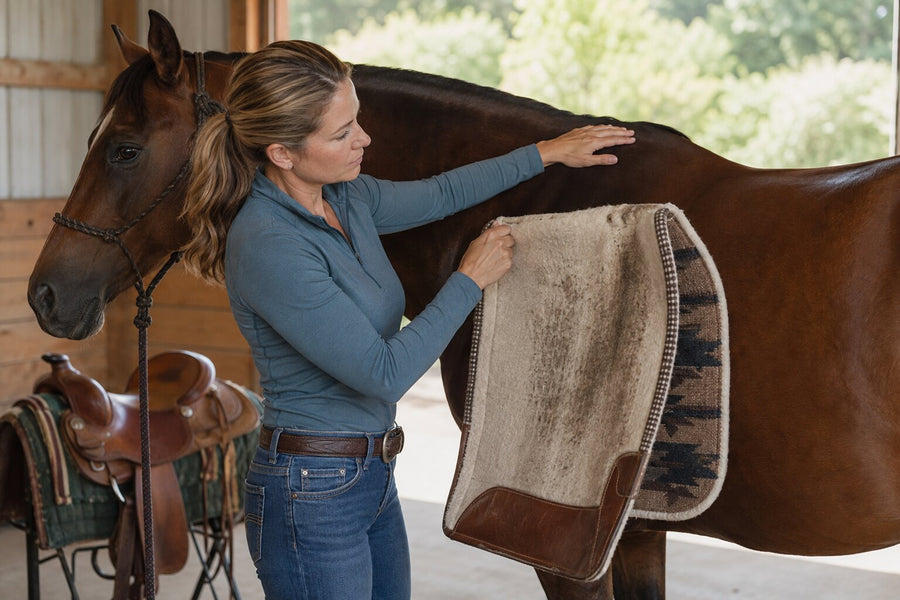
- Check saddle fit, pad bulk, and pressure points.
- Look at workload, footing, and recent changes in routine.
- Consider hoof balance and how the horse is moving overall.
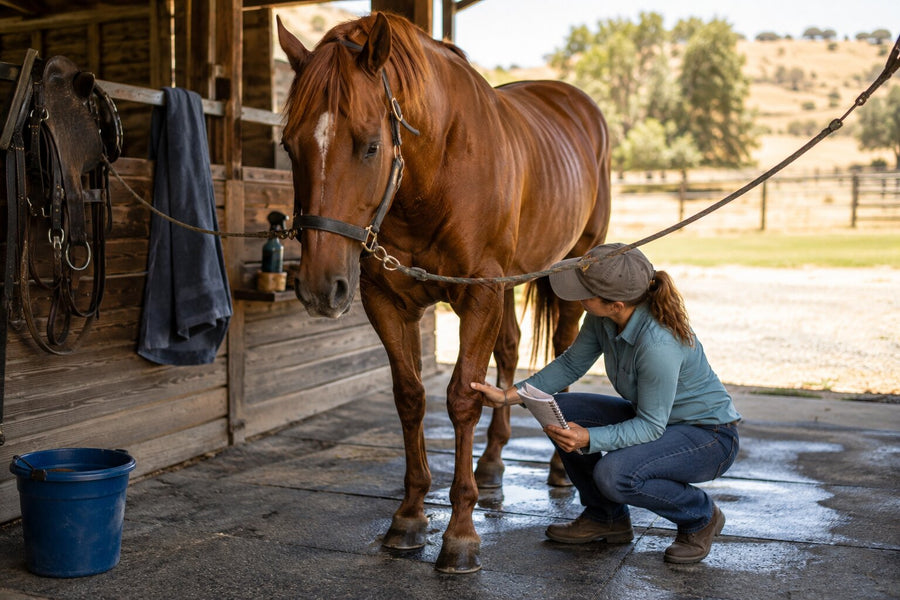
- Palpate the back and body regularly so you know what is actually changing.
Do not skip the basics
A horse can get bodywork and still stay uncomfortable if the real problem is tack, management, feet, or training load.
Where it fits in a bigger plan
When chiropractic care helps, it usually helps best alongside the boring things that actually hold a horse together: better routine, better tack decisions, better workload management, daily observation, and support for sore or tight areas before they turn into a bigger issue.
That is also where topical support fits. A sensation-free liniment gel can make sense in the routine around the neck, back, shoulders, and hindquarters as part of day-to-day body care, especially after work or when the horse feels tight. But that should support the bigger plan, not replace it.
Start with what the horse is telling you
The best next step is usually not louder treatment. It is a clearer read on pain, tension, fit, movement, and routine.
Frequently Asked Questions
When do riders usually consider equine chiropractic care?
Usually when a horse shows signs of back tension, uneven bend, guarded movement, resistance under saddle, or body changes that suggest comfort and mobility need a closer look.
Should chiropractic work replace veterinary care?
No. Veterinary evaluation still matters, especially when the horse is persistently sore, lame, or changing in a way that could point to a bigger problem.
What should I check before scheduling bodywork?
Check tack fit, hoof balance, workload, footing, recent changes, and whether the horse is showing consistent signs of discomfort in the back and body.
Can liniment still fit into a chiropractic-style body-care routine?
Yes. Many riders use liniment gel as part of the day-to-day muscle and back-care routine, but it should support the larger plan rather than act as the whole plan.