


Jul 23, 2026
Horse Won't Eat a Joint Supplement? What to Check
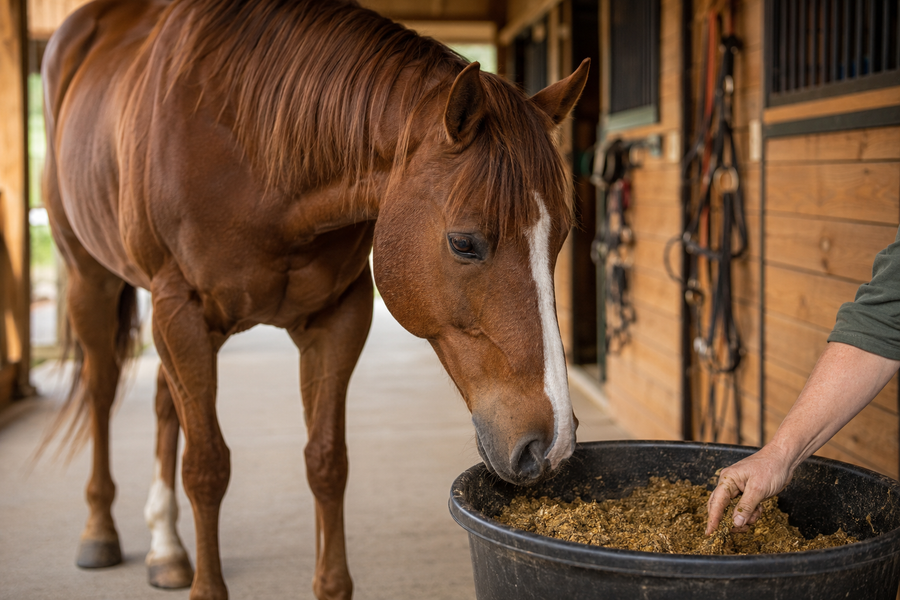
A practical feed-acceptance guide for introducing horse joint supplements, checking residue, protecting appetite, and knowing when refusa...

Seasonal horse care
Fall is a transition season: cool nights, warm afternoons, mud, coat changes, hunting flies, changing footing, and inconsistent work schedules. The right routine is simple and repeatable.
Quick answer: Fall horse care should focus on water intake, mud management, hoof checks, longer warmups, cleaner grooming, and noticing small changes before they become winter problems.
Cooler weather can reduce drinking even when the horse still needs steady hydration. Watch water intake, manure, urine color, attitude, and recovery after work or hauling.
Fall mud can create hoof and lower-leg management problems. Pick feet daily, dry lower legs when needed, and check heels, frogs, pasterns, and white lines.
Cooler air can make some horses feel fresh while footing and schedule changes can make others feel stiff or short. Warm up longer and let the horse tell you what changed.
Fall coats trap sweat, dust, and mud differently. Groom deeper, dry thoroughly, and keep blankets, saddle pads, girths, and brushes clean.
Educational support only. This page does not diagnose, treat, cure, or prevent disease. Call your veterinarian or farrier for serious or unclear concerns.
A practical feed-acceptance guide for introducing horse joint supplements, checking residue, protecting appetite, and knowing when refusa...
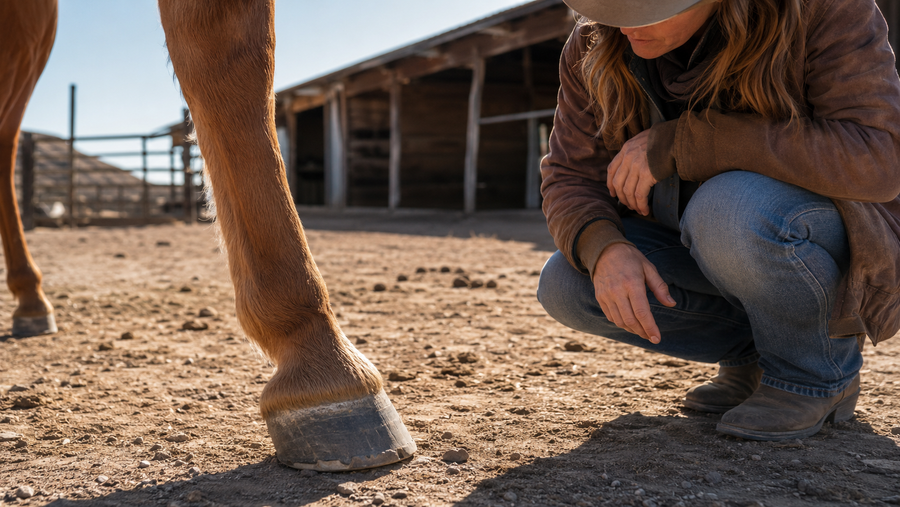
A practical horse health guide for hoof wall chipping in dry lots: trim timing, footing, cracks, shoe checks, and farrier or vet red flags.
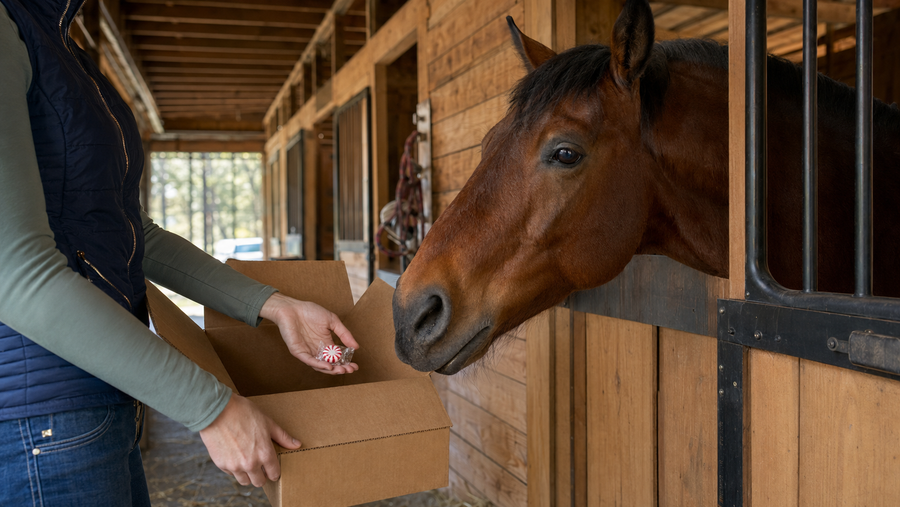
There is an unwritten rule in every barn: when a box arrives, the horse gets a cut. Here is why Draw It Out® includes a peppermint with e...
!