


Jul 23, 2026
Horse Won't Eat a Joint Supplement? What to Check
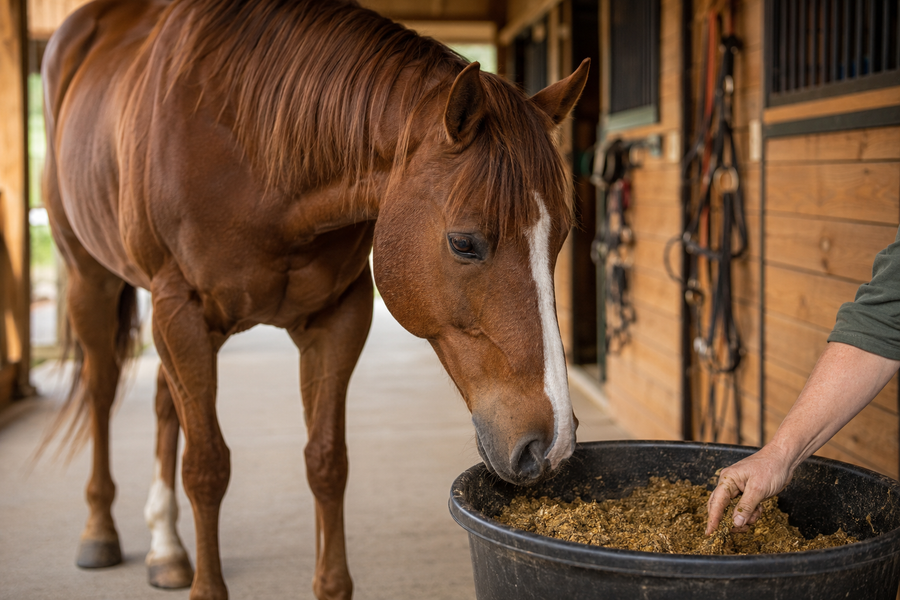
A practical feed-acceptance guide for introducing horse joint supplements, checking residue, protecting appetite, and knowing when refusa...

Horses are generous animals. They work through soreness. They adapt. They rarely complain out loud. That’s part of what makes them special and part of what makes discomfort easy to miss.
Learning to recognize subtle changes early can prevent small issues from becoming big ones. Below are five common signs your horse may be uncomfortable, along with guidance on what those signs often mean.
Behavior is often the first clue. A normally quiet horse may become reactive. A forward horse may feel dull. Signs can include irritability, restlessness, pawing, ear pinning, or a sudden desire to be left alone.
Discomfort doesn’t always look dramatic. Sometimes it’s just a horse telling you something feels off.
Changes in movement are easier to spot but often appear after discomfort has been present for a while. Shortened strides, uneven weight bearing, reluctance to move forward, or stiffness after rest all deserve attention.
Identifying the source of lameness takes a trained eye. Veterinarians, farriers, and qualified bodyworkers play an important role in pinpointing the cause.
Horses are creatures of routine. A change in appetite is rarely random. Eating less, rushing meals, leaving feed behind, or showing signs of digestive discomfort can all indicate something isn’t right.
Digestive stress, dental discomfort, and systemic issues often show up here first.
Resistance under saddle is communication. A horse that suddenly refuses fences, braces against contact, or struggles with work that was previously easy may be protecting themselves.
Before labeling it a training issue, it’s worth asking whether discomfort could be part of the picture.
Grooming time is information time. Flinching, ear pinning, tail swishing, or nipping when certain areas are touched often point to localized soreness.
Regular, thoughtful grooming builds trust and gives you a daily opportunity to check in with your horse’s body.
Most discomfort doesn’t arrive overnight. It builds quietly. Consistent care keeps small signals from turning into loud ones.
Digestive balance plays a larger role in comfort than many riders realize. Travel, routine changes, training intensity, and stress can all disrupt the gut.
Designed to help maintain normal gastrointestinal function during periods of stress or transition.
Easy oral administration makes it a straightforward option when digestive support is needed.
Includes B vitamins, probiotics, and enzymes selected to support digestive efficiency and overall comfort.
Formulated with intention. No unnecessary extras. Just calm, consistent support when it matters.
Comfort isn’t about masking symptoms. It’s about listening early and responding thoughtfully. When you pay attention to the small signals, your horse doesn’t have to shout.
If discomfort persists or worsens, always consult your veterinarian or equine health professional for guidance tailored to your horse.
A practical feed-acceptance guide for introducing horse joint supplements, checking residue, protecting appetite, and knowing when refusa...
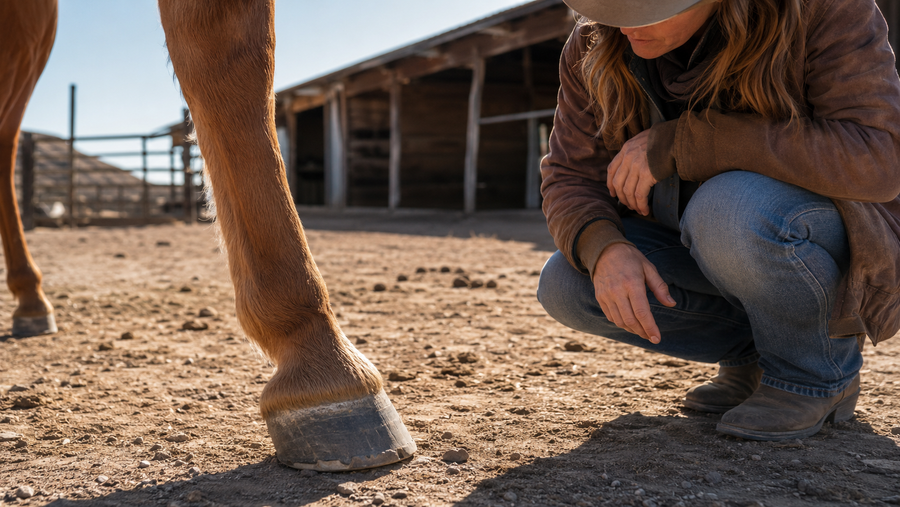
A practical horse health guide for hoof wall chipping in dry lots: trim timing, footing, cracks, shoe checks, and farrier or vet red flags.
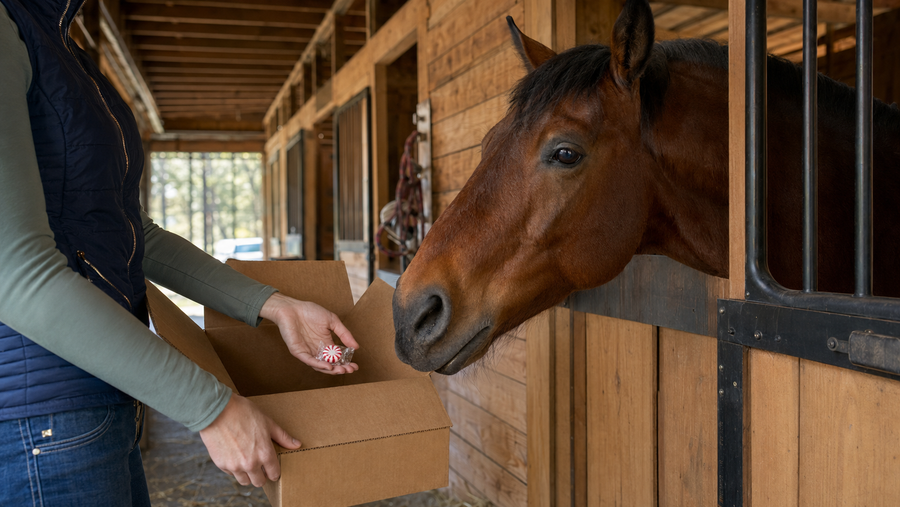
There is an unwritten rule in every barn: when a box arrives, the horse gets a cut. Here is why Draw It Out® includes a peppermint with e...
!