
How to Dry a Sweaty Horse in Winter Before Blanketing
A practical winter cool-out guide: check beneath the coat, use coolers thoughtfully, know when to blanket, and plan rides around drying time.
Free U.S. shipping at $50+
No code needed.
Shipping details
Yes, a winter coat can hide weight loss. Check your horse beneath the hair, track body condition consistently, and involve your veterinarian when you notice an unexplained change. A fluffy outline from the gate is not enough information.
November has a way of making every horse look well covered. The coat comes in, blankets come out, and chores move into the dark. It gets easy to replace a proper check with a quick glance. Give yourself a better system before that becomes the winter routine.
The University of Minnesota Extension recommends regular body condition assessments because heavy winter hair can disguise weight loss. Ask your veterinarian to show you how to assess your particular horse and establish a baseline. A hands-on assessment is more useful than judging silhouette alone.
Make the check part of an existing grooming session. Remove the blanket in a suitable sheltered setting, look at the whole horse, and compare what you feel with your previous notes. If you are unfamiliar with scoring, record observations rather than assigning a number you cannot confidently interpret.
A suggested barn routine is one scheduled check each week, with additional checks whenever something changes. This is an organizational habit, not a substitute for an individual veterinary plan. Use the same person when possible and keep notes in one place.
A side photograph taken from a similar distance can supplement the record. Label it with the date. Keep the hands-on notes too: another picture of a hairy horse does not solve the original problem.
Cold weather can increase energy needs, and appropriate forage is an important part of winter management. But an unexplained decline deserves a conversation with your veterinarian, not an automatic supplement order. Bring your feeding records and condition notes so the discussion starts with specifics.
For the broader feeding conversation, read our equine weight-management guide. If the change is through the back or topline, our guide to muscle loss and topline changes covers questions to bring to your veterinarian.
Grooming time is an opportunity to notice changes. A topical care routine does not correct weight loss or replace a feeding assessment. Keep those jobs separate, and let what you observe determine the next conversation.
For the rest of your daily routine, use our winter horse-care checklist and free printable, with morning and evening checks and space to record changes.
No. Remove it for a proper check in appropriate conditions. The blanket and coat can both obscure what you need to assess.
No. Explain the change you noticed and share the records you have. Do not delay a call while trying to produce perfect data.
Keep one shared record and assign one person to review it. Pair it with our barn-sitter handoff checklist.
The goal is simple: know the horse under the hair before a small change becomes a surprise.
Reference: University of Minnesota Extension: Caring for your horse in the winter. Educational information; individual feeding and health decisions belong with your veterinarian.
A practical winter cool-out guide: check beneath the coat, use coolers thoughtfully, know when to blanket, and plan rides around drying time.
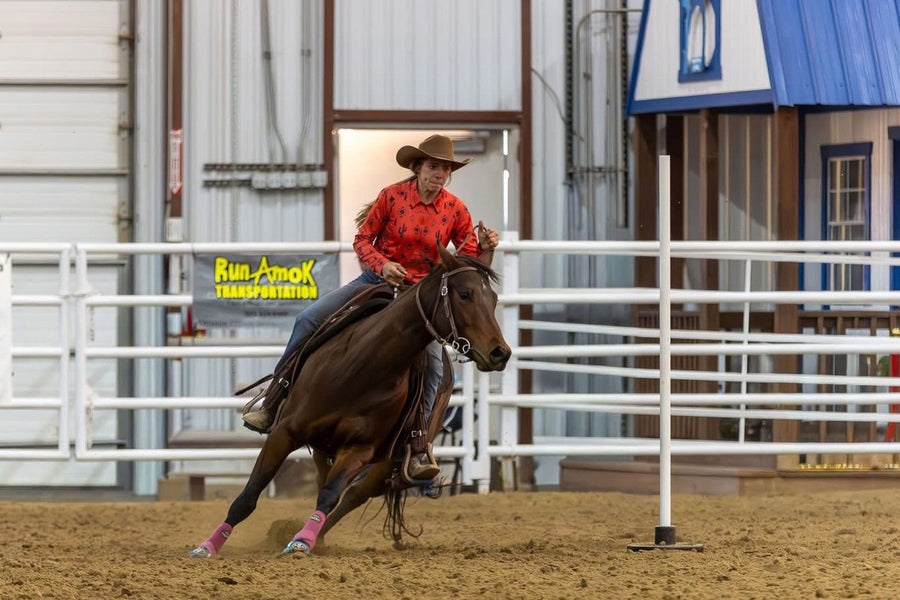
March took the scenic route. Meet Abby Pacheco, our belated March 2026 Real Rider: a Colorado trainer, barrel racer, and backcountry rider with a mare full of personality.
Keep clearer records of work, turnout, feed changes, observations and care. Download a free daily horse-care log with space for instructions and follow-up.
!