Real Rider of the Month: Janel Flook
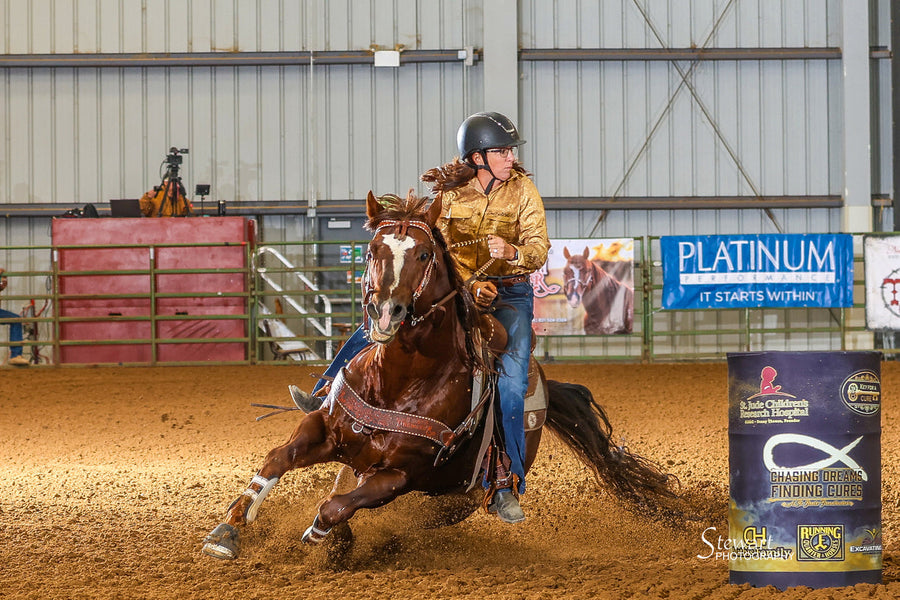
Meet Janel Flook of Running F Quarter Horses, our September 2026 Real Rider. Her story brings together 46 years with horses, a return to competition, and a commitment...

Quick answer: A horse that feels a little tighter the day after hill work may simply be responding to a workload that asked for more push, balance, and stabilization than usual. But new stiffness should still be checked, not assumed. Compare both sides, watch the horse walk on level ground, feel for unusual heat or swelling, inspect the feet and skin, and pay attention to whether the horse improves with gentle movement or becomes more uncomfortable.
Hill work is useful because it recruits the horse differently than flat work. Uphill efforts ask for more drive from the hindquarters. Downhill work asks for more control and balance. Uneven footing adds stabilization demands through the whole body. That can make the next-day check more valuable than the ride itself.
Before you reach for liniment, answer one question: Does this look like normal post-work stiffness, or does something look wrong?
Routine lane: The horse is bright, weight-bearing, moving evenly for that horse, eating normally, and the stiffness eases as the horse walks.
Evaluation lane: There is obvious lameness, one-sided swelling, unusual heat, reluctance to bear weight, marked pain, weakness, stumbling, or worsening movement.
Riders often think of conditioning as lungs and heart rate, but hills also change how the horse distributes force. A horse can be aerobically comfortable and still be muscularly tired. That is especially true when the horse is new to hills, the grade is steeper than normal, footing is deep or uneven, or the ride includes repeated climbs and descents.
The practical takeaway is simple: progress hill work by repetition and duration, not by bravado. One productive climb done well is worth more than turning the last half of the ride into a fatigue test.
For a horse that is moving normally and simply feels worked, the next-day routine can stay uncomplicated:
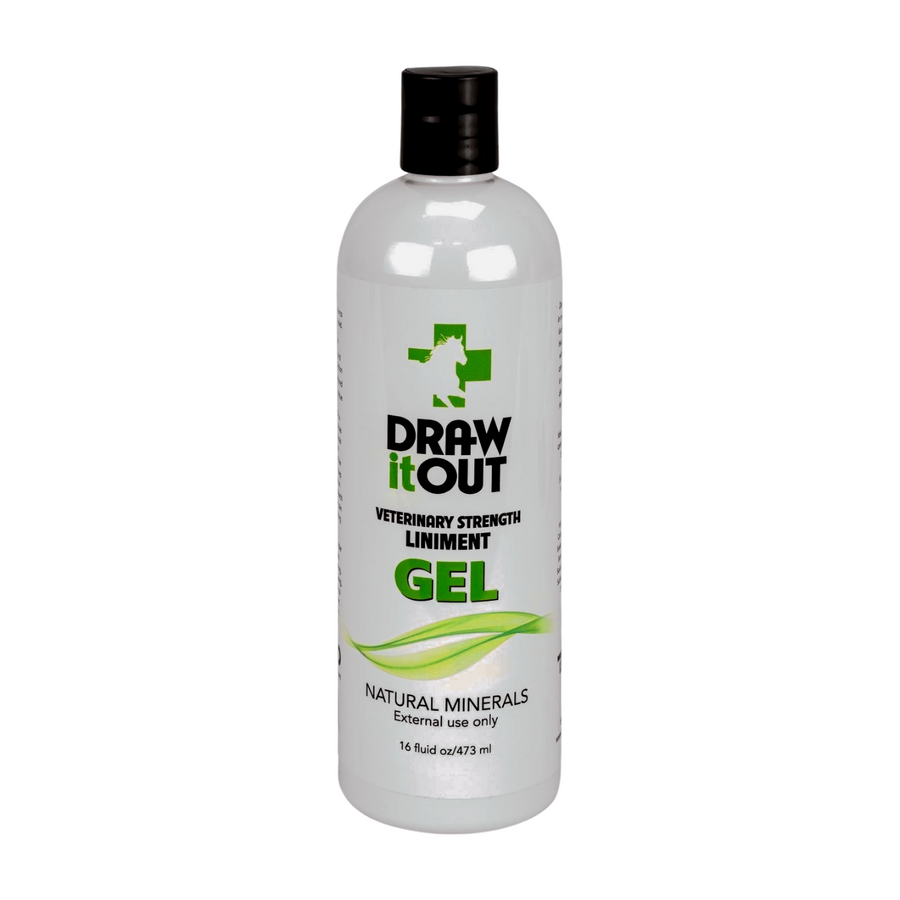
For targeted post-work care, Draw It Out® 16oz Liniment Gel is a ready-to-use option for clean, intact skin. It is odorless and colorless and is formulated without menthol, camphor, capsaicin, alcohol, or witch hazel, so the routine does not depend on a dramatic hot or cold sensation.
Shop Draw It Out® 16oz Liniment Gel
If the horse loosens up quickly, stays even, and shows no red flags, an easy flat session or relaxed turnout may make more sense than another hard hill day. If the horse remains unusually tight, changes gait, or becomes less willing to move, skip the training question and move into the evaluation lane.
A useful rule is to compare the horse to its own baseline. Some horses walk out of the barn loose every morning. Others take a few steps to organize themselves. The change from normal matters more than a generic definition of stiffness.
Call your veterinarian for sudden or marked lameness, inability or reluctance to bear weight, significant swelling, unusual heat, severe tenderness, neurologic-looking movement, worsening signs, or a horse that does not improve as expected. The same applies after a slip, fall, kick, trailer incident, or other meaningful trauma.
Mild next-day tightness can occur after a new or harder workload, but it should not be used to explain away obvious lameness, swelling, heat, or worsening movement.
Gentle hand-walking can be useful when the horse is comfortable, weight-bearing, and otherwise in the routine lane. Stop if movement becomes worse or the horse appears painful.
There is no universal schedule. Build frequency and duration around the horse's current fitness, footing, grade, discipline, and next-day response.
No. A topical is one part of a routine. Workload management, hydration, nutrition, footing, turnout, sleep, and veterinary care when needed still matter.
Educational horse-care information only. Follow the current product label. This article does not replace veterinary diagnosis or treatment.
Meet Janel Flook of Running F Quarter Horses, our September 2026 Real Rider. Her story brings together 46 years with horses, a return to competition, and a commitment...
There is no universal application count. Use this seven-day bottle-life test to choose between 16oz single, two-pack, four-pack, and 64oz Gel.
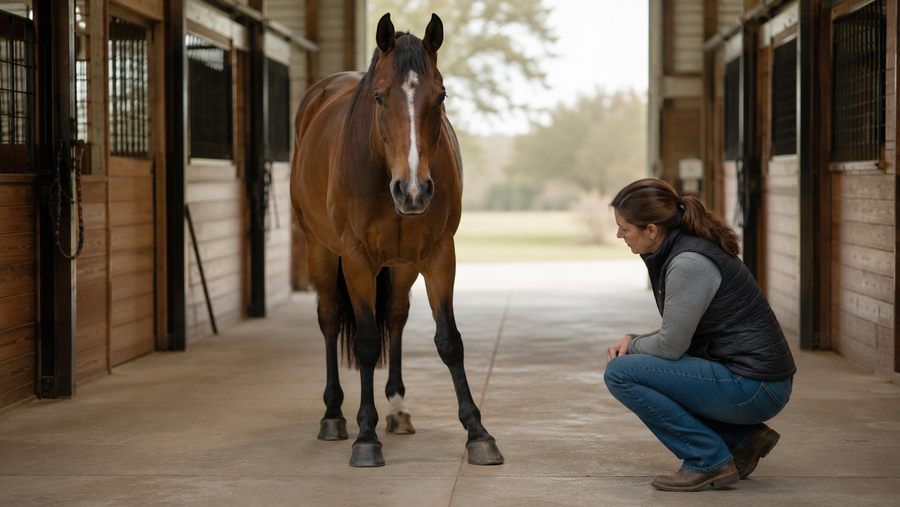
A horse that repeatedly points one front foot is giving you useful information. Compare stance, hoof heat, digital pulse, movement, and red flags before you ride or apply...
!